
Education & Science

Finding the best learning resources for any subject.
Embarking on a new subject or deepening existing knowledge often presents a common challenge: locating reliable and suitable learning resources. The digital age, while offering an abundance of information, can also feel overwhelming. The key is to move beyond simply searching and instead adopt a strategic approach to selecting materials that genuinely support your educational goals. Whether you are a student, a professional seeking to upskill, or simply a curious individual, understanding how to source the best support tools is a vital skill.

Overview
- Identifying your personal learning style and objectives is the first step in finding appropriate learning resources.
- A wide array of learning resources exists, from traditional textbooks and academic papers to online courses, video tutorials, and community forums.
- Evaluating the credibility, relevance, and clarity of any resource is crucial to ensure its value and accuracy.
- Free and paid learning resources offer different benefits, and a blend of both can often provide the most effective learning path.
- Many reputable institutions in the US and globally provide high-quality educational content, often accessible online.
- Structuring a study plan that incorporates diverse learning resources helps in solidifying understanding and retaining information.
- Active engagement with your chosen learning resources, such as taking notes or practicing concepts, significantly boosts learning outcomes.
Assessing Your Needs for Effective Learning Resources
Before diving into the vast ocean of available materials, it’s helpful to pause and assess what you truly need. Begin by clarifying your learning objectives: Are you aiming for a surface-level understanding, or do you need to master a topic deeply for a certification or project? Consider your current knowledge base; are you a complete beginner, or do you have some foundational understanding? Your learning style also plays a significant role. Do you learn best by reading, watching videos, listening, or hands-on practice? Someone who thrives on interactive content might struggle with a dense textbook, while an auditory learner might prefer podcasts or lectures. Being honest about these preferences will greatly streamline your search for fitting learning resources. For instance, a visual learner might prioritize platforms with strong video content, whereas a kinesthetic learner might seek out simulations or practical exercises.
Exploring Diverse Types of Learning Resources
The landscape of learning resources is rich and varied. Traditional options include textbooks, academic journals, and public libraries, which in the US offer extensive collections and often free access to databases. Online, the choices expand exponentially. Massive Open Online Courses (MOOCs) from platforms like Coursera, edX, or even university websites, offer structured lessons, often with video lectures, quizzes, and assignments. YouTube channels dedicated to specific subjects can provide excellent supplementary explanations or visual demonstrations. Educational apps, podcasts, and interactive simulations cater to different learning preferences. Don’t overlook community-driven learning resources such as online forums, study groups, or mentorship programs, which can provide peer support and different perspectives. Also, consider specialized websites, official documentation, and even open-source projects for practical application in technical fields. Combining several types of resources often leads to a more robust

Choosing the right learning platform for your needs.
In today’s fast-paced world, finding the right learning platform can be as important as the subject matter itself. With an abundance of options available, from traditional university extensions to specialized vocational training sites, individuals are presented with a wide array of choices to pursue knowledge and develop new skills. Making an informed decision requires careful consideration of personal learning objectives, preferred styles, and practical constraints. This article provides a structured approach to help you select a learning platform that truly aligns with your unique educational journey.

Overview
- Evaluate your personal learning goals, budget, and preferred style before exploring platforms.
- Thoroughly assess the quality, relevance, and accreditation of course content and instructors.
- Prioritize user-friendly interfaces, interactive tools, and mobile accessibility for an effective experience.
- Consider the availability of technical support, community forums, and instructor feedback mechanisms.
- Compare different pricing models, including subscription services and per-course fees, for long-term value.
- Ensure the chosen platform supports your long-term skill development and career aspirations.
Understanding Your Needs Before Choosing a Learning Platform
Before diving into the vast ocean of online education, it is essential to establish a clear picture of what you hope to achieve. This initial introspection forms the bedrock of a successful search for the right learning platform. Start by asking yourself: What are my specific learning goals? Am I looking to gain a new professional skill, earn a certification, supplement a degree, or simply explore a personal interest? Defining these objectives will help narrow down platforms that specialize in certain areas, such as coding, creative arts, business, or academic subjects.
Furthermore, your budget plays a significant role. Some platforms offer free courses, while others operate on a subscription model or charge per course. Be realistic about what you can afford, and look for options that provide good value for money. Many platforms in the US offer financial aid or flexible payment plans, so it’s worth investigating these possibilities. Finally, consider your preferred learning style. Do you thrive with self-paced content, or do you need structured deadlines and live interaction? Do you prefer video lectures, text-based readings, practical exercises, or group projects? Understanding these preferences will guide you towards platforms designed to support your individual approach to learning.
Evaluating Content and Course Offerings on a Learning Platform
The core of any learning platform lies in its content. Once you have a sense of your needs, the next step is to critically assess the quality and relevance of the courses offered. Look beyond appealing course titles and delve into the curriculum details. Are the topics up-to-date and pertinent to your goals? Who are the instructors, and what are their qualifications and experience in the field? Reputable platforms often showcase instructor bios, allowing you to gauge their expertise.
For those seeking professional development or academic credit, accreditation is a key factor. Check if the courses or certifications are recognized by relevant industry bodies or educational institutions. For example, some professional courses might offer Continuing Education Units (CEUs) or prepare you for industry-standard certification

The impact of education technology on modern schools.
The integration of education technology into modern schools has fundamentally altered the landscape of teaching and learning. From interactive whiteboards to sophisticated adaptive learning platforms, these digital tools are no longer mere supplements but core components of the educational experience. They offer new avenues for content delivery, assessment, and collaboration, pushing the boundaries of traditional classroom models and preparing students for an increasingly digital world. This shift represents a significant evolution in how knowledge is imparted and acquired, influencing everything from curriculum design to teacher professional development.

Overview
- Education technology facilitates personalized learning paths, tailoring content and pace to individual student needs.
- It provides educators with powerful tools for creating engaging lessons, managing classrooms, and tracking student progress effectively.
- Digital resources and online platforms expand access to quality education, particularly for remote learners and those with diverse needs.
- Data analytics capabilities within education technology offer insights into student performance, enabling informed instructional decisions.
- The shift towards digital tools encourages the development of crucial 21st-century skills like digital literacy, critical thinking, and problem-solving.
- It fosters greater student engagement through interactive content, gamification, and collaborative projects.
- The implementation of education technology requires ongoing training for staff and careful consideration of digital equity.
Reshaping Learning Experiences with Education Technology
The most visible impact of education technology on modern schools is arguably the profound reshaping of student learning experiences. Gone are the days when learning was solely confined to textbooks and lectures. Today, students engage with interactive simulations, virtual labs, educational apps, and multimedia content that bring complex subjects to life. Personalized learning, once an ambitious ideal, has become a practical reality thanks to adaptive learning software. These platforms analyze a student’s performance, identify areas of struggle, and adjust the content and difficulty level accordingly, ensuring that each learner receives targeted support and appropriate challenges. This tailored approach allows students to progress at their own pace, fostering deeper understanding and greater retention. Furthermore, education technology promotes active learning through gamified lessons and collaborative online projects, moving students from passive recipients of information to active participants in their educational journey.
Empowering Educators Through Education Technology
Education technology has become an indispensable ally for educators, providing them with a wealth of tools that streamline administrative tasks and elevate instructional capabilities. Learning Management Systems (LMS) like Canvas or Google Classroom allow teachers to distribute assignments, collect submissions, provide feedback, and communicate with students and parents more efficiently. This reduction in administrative burden frees up valuable time for instructional planning and direct student interaction. Moreover, education technology offers innovative ways to present information, from creating dynamic presentations to utilizing virtual reality field trips, making lessons more captivating and memorable. Data analytics tools integrated into many platforms provide teachers with immediate insights into student progress and comprehension, enabling them to identify learning gaps early and adjust their teaching strategies in real-time. In the US, many school districts invest heavily in professional development programs to ensure teachers are proficient in leveraging these tools, recognizing that effective education technology integration

Top Boarding Schools in Brisbane: A Guide to Exceptional Education and Lifestyle
Brisbane, Queensland’s bustling capital, is home to a range of prestigious boarding schools that provide students with the opportunity to thrive in a supportive, well-rounded environment.
Whether you’re looking for academic excellence, extracurricular opportunities, or a school that offers strong pastoral care, Brisbane has a variety of options to suit the diverse needs of students from all over Australia and abroad.
According to the Australian Bureau of Statistics, Queensland has seen a steady rise in the number of students enrolling in independent and private schools, with boarding facilities being a popular choice for many families seeking an all-encompassing educational experience.
Boarding schools in Brisbane not only offer high-quality education but also a structured environment where students can develop independence, leadership skills, and lifelong friendships.
In this article, we’ll take a look at some of the top boarding schools in Brisbane, highlighting what makes them stand out in terms of their academic programs, extracurricular activities, facilities, and overall student experience.
1. Stuartholme School
Located in Toowong, Stuartholme School is one of the leading boarding schools in Brisbane and is highly regarded for its academic rigor, exceptional pastoral care, and commitment to empowering young women. The school offers both day and boarding facilities, catering to students from Year 7 to Year 12. Boarding at Stuartholme provides students with a safe, supportive, and nurturing environment where they can focus on their studies while also developing independence.
Stuartholme is known for its strong academic programs, with a focus on offering a well-rounded education that fosters both intellectual and personal growth. The school’s curriculum includes a broad range of subjects in the arts, sciences, humanities, and technology, ensuring students are well-prepared for university and future careers.
The school also places a strong emphasis on extracurricular involvement, with opportunities in sports, drama, music, and leadership programs. Boarding students at Stuartholme enjoy modern, comfortable facilities, including a dedicated boarding house with study areas, recreational spaces, and pastoral care support to help them thrive both academically and socially.
If you’re looking for one of the best boarding schools in Brisbane that emphasizes values-based education and holistic development, Stuartholme is a top contender for parents seeking a comprehensive boarding experience for their daughters.
2. Brisbane Grammar School
One of the oldest and most prestigious schools in Brisbane, Brisbane Grammar School is renowned for its academic excellence and its impressive boarding facilities. This boys’ school offers both day and boarding education for students from Year 5 through to Year 12. The school is located in the heart of Brisbane, providing students with easy access to the city’s cultural and academic resources.
Brisbane Grammar has a long-standing reputation for producing high-achieving graduates who excel in a wide range of fields. The school’s rigorous academic program is complemented by a variety of co-curricular activities, including sports, arts, and leadership programs. Boarding students benefit from an environment that encourages independence and personal growth while still receiving the guidance and support needed to succeed.
The boarding facilities at Brisbane Grammar are state-of-the-art, offering students …

Cognitive Load Theory in Modern Education
Cognitive Load Theory (CLT) offers a powerful framework for understanding how people learn. It focuses on the amount of mental effort required to process information. By understanding the limitations of working memory, educators can design more effective learning experiences. This allows students to grasp concepts more easily and retain information for longer. It’s about making learning more efficient and less frustrating for everyone involved.

Key Takeaways:
- Cognitive Load Theory explains how our working memory handles information during learning.
- Applying CLT principles helps reduce cognitive overload and improves learning outcomes.
- Instructional design that minimizes extraneous load and maximizes germane load is key.
- Various strategies can be implemented to optimize learning based on CLT principles.
Understanding Cognitive Load Theory
Cognitive Load Theory distinguishes between three types of cognitive load: intrinsic, extraneous, and germane. Intrinsic load is the inherent difficulty of the material being learned. This cannot be changed easily. Extraneous load refers to the cognitive effort caused by poorly designed instruction. Germane load, on the other hand, is the cognitive effort dedicated to actually processing and understanding the material. The goal of instruction should be to minimize extraneous load and maximize germane load, within the limits of intrinsic load. When the total cognitive load exceeds a learner’s capacity, learning suffers. This is why carefully designed lessons and learning materials are critical.
Cognitive Load Theory Applications in Instructional Design
Cognitive Load Theory Applications are incredibly diverse and can be integrated into almost any teaching scenario. Here are some specific examples:
- Worked Examples: Providing students with step-by-step solutions to problems helps reduce extraneous load, freeing up cognitive resources for understanding the underlying principles. This is especially helpful for complex topics.
- Split-Attention Effect: Avoid presenting related information in separate locations (e.g., text on one side of the page and a diagram on the other). Instead, integrate them to reduce the cognitive effort required to connect the pieces.
- Modality Effect: Presenting information using different modalities (e.g., auditory and visual) can reduce cognitive load. For instance, explaining a diagram while showing it can be more effective than simply providing text. This utilizes both visual and auditory processing channels.
- Segmenting: Breaking down complex tasks into smaller, more manageable chunks allows learners to process information incrementally, preventing overload.
- Pre-training: Introducing key concepts and vocabulary before presenting the main lesson can reduce intrinsic load, making the material more accessible.
These are just a few examples. The key is to be mindful of the cognitive demands of the learning task and design instruction that minimizes unnecessary cognitive effort. This is about making the learning experience more efficient and enjoyable for students.
Cognitive Load Theory Applications in Technology
Technology offers numerous opportunities to apply Cognitive Load Theory principles. Online learning platforms, for example, can be designed to reduce cognitive overload. Interactive simulations and visualizations can help students grasp complex concepts more easily. Adaptive learning systems can tailor the difficulty of the material to the individual learner’s cognitive capacity. However, it’s also important to be aware of the potential for technology to increase

Neuroeducation Shaping Global Learning Trends
The world of education is constantly evolving, seeking new ways to help students learn more effectively. One of the most exciting developments in recent years is the rise of Neuroeducation, a field that blends neuroscience with educational practice. This interdisciplinary approach is providing valuable insights into how the brain learns, and these insights are beginning to reshape teaching methods and learning environments around the globe. By understanding the neurological processes involved in learning, educators can design more targeted and effective interventions, personalize learning experiences, and foster a deeper understanding of complex concepts. This article explores the core principles of Neuroeducation and how they are driving global learning trends.

Key Takeaways:
- Neuroeducation combines neuroscience and education to understand how the brain learns.
- Brain-based strategies informed by Neuroeducation are leading to more effective teaching methods and personalized learning.
- Neuroeducation emphasizes the importance of emotional and social factors in learning.
- Future trends point towards increased use of technology and personalized learning approaches informed by Neuroeducation.
Understanding the Core Principles of Neuroeducation
At its heart, Neuroeducation is about bridging the gap between what neuroscientists know about the brain and how educators teach in the classroom. It’s not about turning teachers into neuroscientists, but rather about equipping them with a deeper understanding of the neurological underpinnings of learning. This understanding can then inform their pedagogical decisions, leading to more effective teaching strategies.
One of the key principles of Neuroeducation is the understanding that the brain is highly plastic. This means that the brain is constantly changing and adapting in response to experiences. This plasticity is particularly pronounced during childhood and adolescence, making these critical periods for learning and development. By understanding how the brain changes during learning, educators can create environments that are more conducive to growth and development.
Another important principle is the recognition that learning is not just a cognitive process, but also an emotional and social one. Emotions play a crucial role in attention, memory, and motivation. When students feel safe, supported, and engaged, they are more likely to learn effectively. Social interaction also plays a vital role in learning, as students learn from each other and develop social skills through collaboration and communication. As teachers, it’s important for us to understand these principles.
How Neuroeducation Influences Teaching Methods
The insights from Neuroeducation are already influencing teaching methods in a variety of ways. One of the most significant impacts is the move towards more active learning strategies. Traditional lecture-based approaches are giving way to more interactive activities that engage students in the learning process. These activities might include group discussions, problem-solving exercises, hands-on projects, and simulations.
Neuroeducation also highlights the importance of providing students with opportunities for practice and feedback. Learning is not a passive process; it requires active engagement and repeated exposure to new information. By providing students with opportunities to practice what they are learning and receive timely feedback, educators can help them consolidate their knowledge and develop deeper understanding.
Furthermore, Neuroeducation emphasizes the importance of differentiating instruction

Brain Based Learning in Education Systems
Is your classroom reaching its full potential? Many educators are turning to Brain-Based Learning to create more effective and engaging learning environments. This approach leverages our understanding of how the brain works to optimize teaching methods and improve student outcomes. It’s about moving beyond rote memorization and fostering a deeper understanding and love of learning.

Key Takeaways:
- Brain-Based Learning is a pedagogical approach grounded in neuroscience, emphasizing how the brain learns best.
- It promotes active learning, emotional connection, and meaningful real-world applications to enhance student understanding.
- Implementing Brain-Based Learning requires adapting teaching strategies to cater to diverse learning styles and cognitive processes.
Understanding the Principles of Brain-Based Learning
Brain-Based Learning isn’t just a buzzword; it’s a scientifically informed approach to education. It rests on several core principles derived from neuroscience research. These principles guide educators in creating learning experiences that are more aligned with how the brain naturally processes information.
One key principle is that learning is an active process. The brain actively seeks to make connections and construct meaning. Passive learning, such as simply listening to a lecture, is less effective because it doesn’t engage the brain’s natural drive to explore and create. Brain-Based Learning encourages activities that require students to actively participate, problem-solve, and collaborate. This active engagement stimulates neural connections and strengthens memory.
Another important principle is the role of emotions in learning. The brain’s emotional center, the amygdala, plays a crucial role in memory formation. Positive emotions, such as curiosity and excitement, enhance learning, while negative emotions, such as stress and anxiety, can inhibit it. Educators using Brain-Based Learning strive to create a supportive and stimulating environment that fosters positive emotions and reduces stress. This can involve incorporating games, humor, and opportunities for social interaction into the classroom.
Finally, Brain-Based Learning recognizes the importance of making learning relevant and meaningful. The brain is more likely to retain information that it perceives as useful or connected to real-world experiences. Teachers can achieve this by linking lessons to students’ interests, incorporating real-world examples, and providing opportunities for students to apply their knowledge in practical situations. For instance, instead of simply memorizing historical dates, students might participate in a mock trial or create a documentary about a historical event. This makes the learning experience more engaging and memorable.
Implementing Brain-Based Learning in the Classroom
Putting Brain-Based Learning into practice requires a shift in traditional teaching methods. It’s about creating a learning environment that stimulates the brain, encourages active participation, and fosters a love of learning. Here are some practical strategies for implementing Brain-Based Learning in the classroom:
- Active Learning Strategies: Incorporate activities that require students to actively engage with the material. This could include group discussions, debates, hands-on projects, and experiments. Active learning stimulates neural connections and promotes deeper understanding.
- Multi-Sensory Learning: Engage multiple senses during learning. Use visuals, auditory aids, and kinesthetic activities to cater to different learning styles. For example, use music to memorize information, or have students act out a scene from a book.
- Real-World Connections:

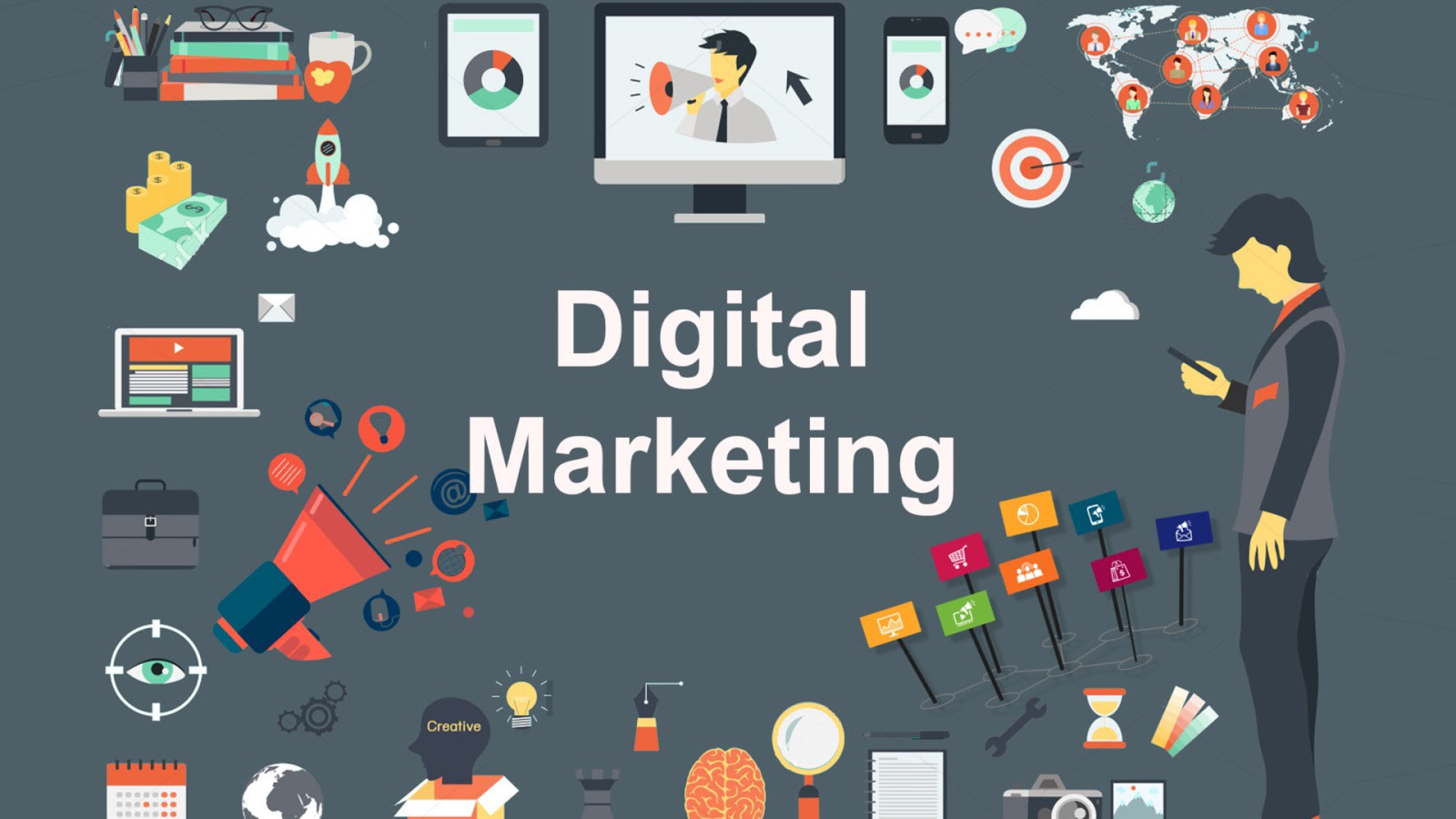
How to Rank #1 on Google in 2025: Step-by-Step Guide
In the ever-evolving landscape of search engine optimization (SEO), ranking #1 on Google has always been the ultimate goal for businesses, bloggers, and digital marketers alike. But in 2025, with the rise of AI-driven search results, zero-click content, and changing algorithms, that goal is more competitive—and more complex—than ever before.
Still, ranking #1 is achievable with the right strategy, tools, and persistence. Whether you’re a seasoned SEO professional or just beginning your journey, mastering the new rules of SEO will make a significant difference.
This is why thousands of professionals today are up skilling themselves through Digital Marketing Courses in Pune, where they learn practical, up-to-date strategies to dominate Google rankings in this AI-first era.
Below is your complete step-by-step guide to ranking #1 on Google in 2025.
Step 1: Understand How Google Works in 2025
Google’s algorithm in 2025 is smarter, faster, and more user-focused than ever before. It’s driven by:
- AI Search (Search Generative Experience): Google now shows AI-generated summaries at the top of many search results.
- E-E-A-T: Experience, Expertise, Authoritativeness, and Trustworthiness remain critical.
- Mobile-first Indexing: If your site isn’t optimized for mobile, you’ll be outranked.
- Core Web Vitals: Google continues to reward fast-loading, user-friendly websites.
- Search Intent Matching: Content must match the reason behind the search, not just the keywords.
To rank #1, your content needs to be comprehensive, fast-loading, trustworthy, and helpful.
Step 2: Conduct Smart Keyword Research
Ranking #1 starts with targeting the right keywords—not just high-volume ones, but the most relevant ones for your audience.
What to Focus on:
- Long-Tail Keywords: Phrases with 4+ words convert better and have less competition.
- User Intent: Identify whether the user wants information (informational), to buy (transactional), or to compare (navigational).
- Featured Snippet Opportunities: Look for question-based queries like “how to,” “why does,” and “best way to.”
Tools to Use:
- Google Keyword Planner
- Ahrefs
- SEMrush
- AnswerThePublic
- Ubersuggest
Example: Instead of targeting “shoes,” go for “best waterproof running shoes for women 2025”.
Step 3: Optimize Your Website for Speed & Mobile
User experience is non-negotiable.
Key Areas to Fix:
- Page Speed: Use tools like Google PageSpeed Insights and GTmetrix to improve load times.
- Responsive Design: Your site must adapt seamlessly to all screen sizes.
- Core Web Vitals: Focus on Largest Contentful Paint (LCP), First Input Delay (FID), and Cumulative Layout Shift (CLS).
- Clean Site Structure: Organize content into logical categories and subcategories for better crawl ability.
Google penalizes slow and clunky websites—especially on mobile. A clean, fast site is foundational for ranking.
Step 4: Create High-Quality, In-Depth Content
The single most powerful ranking factor today is valuable content. Not just long—but genuinely helpful.
Content Checklist for 2025:
- Answer the Query Immediately: Your intro should satisfy search intent fast.
- Use Headings Strategically: Include H1, H2s, and H3s with relevant keywords.
- Add Visuals: Use infographics, videos, and custom images for better engagement.
- Use AI Tools: Use

Top MOOC Platforms Your Guide to Online Learning
Coursera: A Wide Range of University-Level Courses
Coursera stands out for its collaborations with top universities and organizations worldwide. You’ll find courses on almost any subject imaginable, from computer science and data science to humanities and business. Many courses offer verified certificates upon completion, which can boost your resume. The platform’s structure is well-organized, making it easy to navigate and find relevant courses. However, some courses require payment for certificates or access to all materials.
edX: Another Top Choice for University Partnerships
Similar to Coursera, edX boasts partnerships with prestigious universities like MIT and Harvard. This means you can access high-quality courses taught by leading experts in their fields. edX offers a mix of free and paid courses, with options for verified certificates. The platform’s interface is user-friendly, and they often have promotional periods offering discounts on courses. Like Coursera, the sheer volume of courses can sometimes feel overwhelming.

FutureLearn: Focus on Professional Development and Personal Enrichment
FutureLearn distinguishes itself by offering a blend of university-level courses and shorter, more focused programs designed for professional development. They often incorporate interactive elements and collaborative learning opportunities. Their courses tend to be more concise than some found on Coursera or edX, making them ideal for busy learners. The emphasis on practical application and real-world skills sets FutureLearn apart.
Udacity: Specializing in Tech Skills
If you’re interested in technology-related fields like programming, data science, or artificial intelligence, Udacity is a fantastic option. They offer nanodegrees, which are more intensive and structured programs compared to individual courses. These nanodegrees are often designed in collaboration with industry partners, ensuring the skills taught are relevant to current job market demands. While highly focused, the specialized nature means Udacity may not be as broad as other platforms.
Udemy: A Massive Marketplace of Courses
Udemy is a vast marketplace where individual instructors and organizations offer a wide range of courses on almost every imaginable topic. The sheer variety is both a strength and a weakness. While you can find incredible courses taught by experts, the quality can vary significantly, so thorough reviews are crucial. The price points are usually more affordable than those on platforms like Coursera or edX, making it appealing to budget-conscious learners.
Khan Academy: Free Education for Everyone
Khan Academy stands apart as a completely free platform focusing on providing high-quality educational resources for all ages. It’s especially strong in subjects like math, science, and computer programming. While it doesn’t offer verified certificates, it’s an excellent resource for self-directed learning and supplementing traditional education. The vast library of videos and exercises is a significant asset for anyone seeking free, accessible learning materials.
Choosing the Right Platform for You
The best MOOC platform for you will depend on your learning goals, budget, and preferred learning style. Consider the types of courses offered, the level of interaction, the cost structure, and the reputation of the platform and its instructors. Don’t hesitate to explore several platforms to see which one best suits your needs.
Tips for Success in

UW Study Ocean Acidification’s Impact on Shellfish
Ocean Acidification: A Growing Threat to Shellfish
The ocean’s chemistry is changing at an alarming rate, largely due to increased absorption of carbon dioxide from the atmosphere. This process, known as ocean acidification, is significantly impacting marine life, particularly shellfish, whose shells and skeletons are directly affected by the decreasing pH levels of the seawater. A recent University of Washington study sheds light on the complex and far-reaching consequences of this environmental change, highlighting the urgent need for effective mitigation strategies.
The UW Study: Investigating Shell Formation in Changing Waters
Researchers at the University of Washington conducted a comprehensive study focusing on the effects of ocean acidification on the shell formation of various shellfish species. Their research involved meticulous laboratory experiments, simulating different ocean pH levels to observe the impact on shell growth and strength. The study encompassed a wide range of species, from commercially important oysters and clams to less commercially valuable, but ecologically crucial, species. This breadth of species allowed for a more holistic understanding of the problem’s scope.

The Impact on Shell Growth and Strength
The findings of the UW study revealed a significant negative correlation between ocean pH and shell formation. As the pH of the seawater decreased, mimicking the increasing acidity of the oceans, the researchers observed a marked reduction in shell growth rates across nearly all species tested. Furthermore, the shells produced in more acidic conditions were demonstrably weaker and more prone to damage, making the shellfish more vulnerable to predation and environmental stressors.
Consequences for Shellfish Populations and Ecosystems
The weakening of shellfish shells has profound implications for shellfish populations and the overall health of marine ecosystems. With thinner and weaker shells, these organisms are more susceptible to predation, disease, and the harsh conditions of their natural environments. This increased vulnerability can lead to population declines, disrupting the delicate balance of marine food webs. Shellfish play crucial roles in many ecosystems, acting as filter feeders that improve water quality and serving as a critical food source for numerous other species.
Economic Implications for Shellfish Industries
The decline in shellfish populations due to ocean acidification has significant economic consequences for the shellfish aquaculture industry. Many coastal communities rely heavily on shellfish farming for their livelihoods, and the reduced productivity caused by ocean acidification threatens the economic stability of these areas. The decreased availability of shellfish also affects consumers, potentially leading to higher prices and reduced access to this important food source.
Addressing the Challenge: Mitigation and Adaptation Strategies
The UW study emphasizes the urgent need for both mitigation and adaptation strategies to address the challenges posed by ocean acidification. Mitigation efforts focus on reducing greenhouse gas emissions, the primary driver of ocean acidification. This requires a global commitment to transitioning to cleaner energy sources and implementing sustainable practices. Adaptation strategies, on the other hand, focus on developing techniques to help shellfish cope with the changing ocean conditions. This could involve selective breeding programs to enhance the resilience of shellfish species or exploring methods to

Excel Skills for Beginners Master Spreadsheets
Getting Started: Opening and Navigating Excel
So, you’re ready to dive into the world of spreadsheets? Great! First things first: open up Microsoft Excel (or your preferred spreadsheet software – Google Sheets works similarly). You’ll see a grid of cells, organized into rows (numbered) and columns (lettered). This is your workspace. Familiarize yourself with the ribbon at the top – it houses all the tools you’ll need. Take some time to explore the different tabs (Home, Insert, Formulas, etc.) to get a feel for what’s available. Don’t worry about mastering everything at once; we’ll cover the essentials.
Entering and Editing Data: Cells, Rows, and Columns
Excel is all about data. You’ll enter data into individual cells. Just click on a cell and start typing. Numbers, text, dates – it all goes in here. To edit data, simply click on the cell and make your changes. You can select multiple cells by dragging your mouse, and you can even insert or delete entire rows and columns using the options on the ribbon. Experiment with entering different types of data and see how Excel handles them.

Basic Formulas: The Power of Calculations
Now for some real power: formulas. These let Excel do the calculations for you. Start with simple ones like addition (+), subtraction (-), multiplication (*), and division (/). For example, to add the values in cells A1 and B1, you’d type “=A1+B1” in another cell and press Enter. Excel will automatically calculate the result. Get comfortable with this basic formula structure, as it’s the foundation for more complex ones later on.
Essential Functions: Beyond Basic Math
Excel offers many built-in functions to handle more advanced calculations. Learn about the `SUM` function (adds a range of cells), `AVERAGE` (calculates the average), `MAX` (finds the largest number), and `MIN` (finds the smallest number). These are incredibly useful for summarizing data. The function wizard (often accessed by clicking the “fx” button) can guide you through using different functions and their arguments.
Formatting Your Spreadsheet: Making it Look Professional
A well-formatted spreadsheet is much easier to read and understand. Learn to use the formatting tools on the Home tab to change font styles, sizes, colors, and alignment. You can also adjust column widths and row heights to make your data fit nicely. Consider using borders and shading to visually group related data. A clean, organized spreadsheet makes a big difference in readability and professionalism.
Working with Charts and Graphs: Visualizing Your Data
Sometimes, a picture is worth a thousand numbers. Excel allows you to create various charts and graphs to visualize your data. Select the data you want to chart, go to the “Insert” tab, and choose a chart type (bar chart, pie chart, line graph, etc.). Excel will automatically generate a chart based on your selection. Experiment with different chart types to see which one best represents your data.
Sorting and Filtering: Organizing Your Data
If you’re working with a large dataset, sorting and filtering are essential skills. Excel allows you to sort

National STEM Programs A Boost for Education
The Growing Importance of STEM Education
In today’s rapidly evolving technological landscape, a strong foundation in Science, Technology, Engineering, and Mathematics (STEM) is no longer a luxury but a necessity. The demand for skilled professionals in these fields is booming, and the global competitiveness of nations hinges on their ability to cultivate a robust STEM workforce. National STEM programs are therefore crucial, acting as a cornerstone for future economic growth and innovation. They aim to bridge the existing skills gap, inspire the next generation of scientists and engineers, and ensure a diverse and inclusive STEM pipeline. Without concerted efforts to improve STEM education, countries risk falling behind in the global race for technological leadership.
National Programs: A Multifaceted Approach
National STEM initiatives take various forms, often incorporating a blend of strategies tailored to specific national needs and priorities. Some focus on improving the quality of STEM education at the K-12 level, introducing hands-on learning experiences, and updating curricula to reflect current advancements. Others concentrate on attracting and retaining talented individuals in STEM fields through scholarships, grants, and mentorship programs. Many initiatives also involve partnerships between educational institutions, research organizations, and the private sector, fostering collaboration and creating real-world learning opportunities for students. This multi-faceted approach is essential to addressing the multifaceted challenges inherent in promoting STEM education effectively.

Boosting K-12 STEM Education: Early Intervention is Key
The groundwork for a successful STEM career often begins in elementary and secondary school. National STEM programs recognize this and prioritize initiatives designed to engage young learners. This can involve implementing innovative teaching methods, such as inquiry-based learning and project-based learning, which actively involve students in the process of discovery. Furthermore, programs often emphasize the integration of STEM concepts across different subjects, promoting interdisciplinary thinking and a more holistic understanding of the interconnectedness of these fields. Early exposure to STEM concepts can spark a lifelong passion for learning and provide a strong foundation for future academic and professional success.
Addressing the Gender and Diversity Gap in STEM
One of the significant challenges facing national STEM programs is addressing the underrepresentation of women and minorities in these fields. Persistent gender and racial biases in education and the workplace have created significant barriers to entry and advancement for many talented individuals. National initiatives are increasingly focusing on strategies to dismantle these barriers, such as targeted outreach programs to underrepresented communities, mentorship opportunities for women and minorities in STEM, and the creation of inclusive learning environments that foster a sense of belonging. By actively promoting diversity and inclusivity, national STEM programs aim to create a more equitable and representative STEM workforce.
Investing in STEM Teacher Training and Development
Effective STEM education relies heavily on the quality of teaching. National STEM programs recognize this and invest substantially in training and development opportunities for STEM educators. This can include professional development workshops, access to cutting-edge teaching resources, and opportunities for teachers to collaborate and share best practices. By equipping educators with the necessary skills and knowledge, national initiatives aim

Coursera’s Newest Courses Learn Something New!
Expand Your Culinary Horizons with “The Science of Cooking”
Coursera’s latest offerings include a fascinating deep dive into the science behind cooking. This course, developed by a renowned culinary institute, isn’t just about following recipes; it’s about understanding the chemical reactions that create delicious meals. Expect to learn about the Maillard reaction, emulsion science, and the impact of different cooking methods on texture and flavor. Whether you’re a seasoned chef or a kitchen novice, this course promises to elevate your cooking skills and appreciation for the art of gastronomy. Interactive modules, video demonstrations, and engaging quizzes make learning a fun and rewarding experience.
Mastering Data Analysis with Python: From Beginner to Pro
For those looking to break into the world of data science, Coursera offers a comprehensive Python programming course designed to take you from zero to hero. Starting with the fundamentals of programming, this course gradually builds upon your knowledge, covering advanced techniques in data manipulation, analysis, and visualization. You’ll learn to work with popular libraries like Pandas and NumPy, and by the end, you’ll be equipped to tackle real-world data analysis projects. Practical exercises and case studies reinforce learning, ensuring you can apply your new skills immediately.

Unlock Your Creative Potential: A Beginner’s Guide to Digital Painting
Unleash your inner artist with Coursera’s new digital painting course. No prior experience is necessary; this course is perfectly designed for beginners looking to explore the world of digital art. You’ll learn to use industry-standard software, master essential techniques like brushwork, color theory, and composition, and develop your own unique artistic style. The course features step-by-step tutorials, expert feedback, and a vibrant community of fellow learners, creating a supportive environment for creative growth. Whether you dream of creating stunning landscapes or intricate portraits, this course provides the foundation you need to succeed.
The Psychology of Persuasion: Influence and Negotiation Skills
This highly practical course delves into the psychology behind persuasion and negotiation. Learn effective strategies to influence others, negotiate better deals, and build stronger relationships. You’ll explore classic persuasion techniques, understand the power of framing and emotional intelligence, and learn how to navigate complex negotiations with confidence. Real-world examples and case studies will illustrate key concepts, preparing you to apply your newfound skills in various aspects of your personal and professional life. This course is a valuable asset for anyone looking to enhance their communication and interpersonal skills.
Sustainable Living: Practical Steps for a Greener Future
Concerned about the environment? This course offers practical and actionable strategies for living a more sustainable lifestyle. Learn about reducing your carbon footprint, conserving resources, and making eco-friendly choices in your daily life. Topics covered include sustainable consumption, waste reduction, energy efficiency, and responsible travel. The course emphasizes simple changes you can make immediately, inspiring you to contribute to a healthier planet. With interactive exercises and community discussions, you’ll be part of a movement towards a more sustainable future.
Understanding the Human Brain: Neuroscience for Everyone
This engaging course provides a fascinating introduction to the

The Future of Computing STEM’s Latest Breakthroughs
Quantum Computing: Leaps and Bounds
Quantum computing is no longer a futuristic fantasy. We’re seeing significant advancements in qubit stability and coherence times, crucial factors for building practical quantum computers. Companies like IBM and Google are continuously pushing the boundaries, unveiling increasingly powerful quantum processors with higher qubit counts and improved error correction techniques. While widespread availability remains some time away, the potential to revolutionize fields like drug discovery, materials science, and cryptography is undeniable. The recent breakthroughs in error mitigation strategies offer a particularly promising pathway to achieving fault-tolerant quantum computation, a necessary step for solving complex real-world problems.
Artificial Intelligence: Beyond Deep Learning
Deep learning has powered much of the recent AI boom, but its limitations are becoming increasingly apparent. Researchers are actively exploring alternative approaches, including neuromorphic computing, which mimics the structure and function of the human brain. This promises more energy-efficient and adaptable AI systems. Furthermore, advancements in explainable AI (XAI) are crucial. Understanding how AI models arrive at their decisions is essential for building trust and ensuring responsible deployment, especially in critical applications like healthcare and finance. The future likely involves a hybrid approach, combining the strengths of different AI paradigms to create more robust and versatile systems.

Neuromorphic Computing: Mimicking the Brain
Inspired by the human brain’s remarkable efficiency and adaptability, neuromorphic computing aims to create hardware that processes information in a fundamentally different way than traditional computers. Instead of relying on sequential processing, neuromorphic chips operate in parallel, mimicking the interconnected network of neurons and synapses. This approach allows for significantly lower power consumption and faster processing speeds, particularly for tasks involving pattern recognition and complex data analysis. While still in its early stages, neuromorphic computing shows immense potential for applications requiring real-time processing of vast amounts of data, such as autonomous driving and robotics.
Advanced Materials: Paving the Way for Faster Chips
The relentless pursuit of smaller, faster, and more energy-efficient chips is driving innovation in materials science. Researchers are exploring novel materials like graphene and 2D materials, which offer superior electrical properties compared to silicon. These materials could enable the creation of transistors with significantly higher switching speeds and lower power consumption, pushing the boundaries of Moore’s Law. The challenges lie in developing scalable and cost-effective manufacturing processes for these advanced materials, but the potential rewards are substantial.
Bio-integrated Computing: Blending Biology and Technology
The convergence of biology and computing is opening up exciting new possibilities. Bio-integrated computing involves using biological systems or components within computing devices. This could lead to incredibly energy-efficient and self-repairing computers. One area of focus is using biological molecules like DNA to perform computations, offering unique advantages for certain types of problems. Another promising avenue involves developing bio-compatible sensors and implants that can seamlessly integrate with the human body for healthcare applications. While still in its nascent stage, this field holds the potential to revolutionize how we interact with technology and the world around us.
Edge Computing: Bringing Processing Power Closer to the Data
With the