
General Article

How can one improve their daily sketch practice?
Many individuals find joy and challenge in the act of daily sketching. Whether you’re an aspiring artist, a seasoned professional, or simply someone who enjoys putting pencil to paper, maintaining and advancing your sketch practice is a rewarding endeavor. Regular sketching hones hand-eye coordination, strengthens visual memory, and develops a deeper understanding of form and light. For those wondering how to make their daily sketch sessions more impactful and productive, focusing on specific approaches can lead to noticeable progress over time.

Overview
- Establish a consistent, achievable daily routine for your sketch practice.
- Actively observe your surroundings to find subjects and understand their forms.
- Experiment with different sketching tools and materials to broaden your artistic vocabulary.
- Venture outside your usual subject matter to challenge your drawing skills.
- Seek and apply constructive feedback from trusted sources or peers.
- Regularly review your past sketch work to track progress and identify areas for growth.
- Focus on foundational drawing principles like perspective, anatomy, and composition.
Establishing a Consistent Sketch Habit
Consistency is arguably the most critical factor in improving any skill, and daily sketch practice is no exception. Instead of aiming for long, daunting sessions, commit to shorter, more manageable periods. Even 15-30 minutes of focused sketching each day can yield significant results over weeks and months. Try to integrate your sketch time into your existing routine – perhaps during your morning coffee, on your lunch break, or before bed. Having a dedicated sketch pad or journal readily available can remove barriers to starting. Don’t worry about perfection; the goal is simply to make sketching a non-negotiable part of your day. This continuous engagement builds muscle memory and keeps your artistic mind active. The mere act of showing up for your sketch time, even when motivation is low, is a victory.
Sharpening Your Observational Sketch Skills
One of the best ways to improve your daily sketch practice is to become a more astute observer of the world around you. True observation goes beyond just seeing; it involves actively analyzing forms, light, shadow, texture, and relationships between objects. Practice drawing from life as much as possible. This could mean quick gestures of people on a bus, detailed studies of household items, or capturing the play of light on a building exterior. Pay attention to how objects occupy space and how light sources define their three-dimensional nature. When sketching a person, for instance, focus on their pose and the basic shapes of their body before getting caught up in details. In the US, you can find endless inspiration in everyday scenes, from bustling cityscapes to quiet park benches. The more you train your eyes to see these fundamental elements, the more accurate and expressive your sketch work will become. Carve out time specifically for focused observation, even without a pencil in hand, to deepen your visual understanding.
Experimenting with Different Sketch Approaches and Tools
Limiting yourself to a single type of pencil or paper can restrict your artistic growth. To genuinely improve your daily sketch

What are common challenges in starting oil painting?
For many aspiring artists, the allure of oil painting is undeniable. Its rich colors, luscious textures, and historical significance make it a deeply satisfying medium. However, embarking on this artistic path often presents a unique set of initial hurdles that can feel daunting for beginners. From the specific properties of the materials to the techniques required, understanding these common challenges is the first step toward overcoming them and enjoying the rewarding process of painting with oils.

Overview
- Initial investment in oil painting supplies can seem significant.
- The slow drying time of oil paints requires patience and strategic planning.
- Achieving accurate color mixes and managing a palette are frequent struggles for beginners.
- Understanding and applying proper brushwork and layering techniques takes practice.
- Effective cleaning of brushes and tools is crucial for longevity and paint quality.
- Managing artistic expectations and staying persistent through early frustrations is key.
- Solvent use necessitates adequate ventilation for a safe painting environment.
Understanding the Unique Characteristics of Oil Painting Materials
One of the first challenges newcomers face is the initial investment in materials. Compared to mediums like watercolor or acrylics, setting up a basic oil painting studio can appear more expensive. Artists need not only paints but also brushes, canvases or panels, solvents, mediums, and cleaning supplies. Deciphering which brands offer good value versus those that are budget-friendly yet still perform adequately requires research. Many beginners in the US find themselves overwhelmed by the sheer variety of options available at art supply stores, from student-grade paints to professional-grade pigments. Learning to start with a limited, high-quality palette can mitigate some of this initial cost and confusion.
Beyond cost, the inherent properties of oil paints themselves present a learning curve. The most notable characteristic is their extended drying time. While acrylics dry within minutes and watercolors almost instantly, oil paints can remain workable for hours, days, or even weeks depending on the thickness of the application, the pigments used, and environmental factors. This slow drying can be a double-edged sword; it allows for extensive blending and corrections, offering immense flexibility, but it also demands patience. Beginners might struggle with waiting for layers to dry before applying subsequent ones, especially when trying to achieve crisp edges or specific glazes. Furthermore, the use of solvents like turpentine or mineral spirits for thinning paints and cleaning brushes requires proper ventilation to ensure a safe working environment, which is an important consideration for home studios.
Mastering Color Mixing and Palette Management in Oil Painting
Achieving desired colors is another significant hurdle in oil painting. Unlike simply picking a color from a tube, oil painting often involves mixing pigments to create specific hues, values, and intensities. Many beginners find it difficult to accurately mix the colors they envision, leading to muddy or incorrect tones. Understanding basic color theory – primaries, secondaries, complementary colors, and how value (lightness or darkness) impacts a color – is fundamental. Without this knowledge, artists might overuse white, leading to chalky mixtures, or struggle to create rich shadows

What are effective methods for website traffic growth?
Gaining more visitors to a website is a primary goal for businesses and individuals alike, as increased visibility often correlates with better brand recognition, lead generation, and sales. Understanding the methods that consistently deliver results is crucial for anyone looking to expand their online reach in today’s competitive digital landscape. Effective strategies require a blend of technical know-how, creative content, and consistent effort to make an impact.

Overview:
- Search Engine Optimization (SEO) is fundamental for attracting organic traffic by making your site visible in search results.
- High-quality, relevant content serves as a magnet for users and search engines, establishing authority and providing value.
- Active participation on social media platforms can drive significant referrals and build a community around your brand.
- Paid advertising offers a direct and often immediate way to reach specific audiences and generate targeted traffic.
- Building a strong backlink profile from reputable sites boosts your website’s domain authority and search ranking.
- Ensuring an excellent user experience (UX) and mobile-friendliness reduces bounce rates and encourages longer visits.
- Regular analysis of website data helps in understanding visitor behavior and refining strategies for better outcomes.
Optimizing for Organic Website Traffic Growth with SEO
Search Engine Optimization (SEO) remains a cornerstone of sustainable website traffic growth. This involves a series of tactics aimed at improving a website’s visibility in unpaid search engine results. Key components include thorough keyword research, where relevant terms and phrases that your target audience uses are identified. Integrating these keywords naturally into your content, meta descriptions, and page titles signals to search engines what your page is about. On-page SEO also encompasses optimizing images, structuring content with headings, and ensuring fast page load times. Technical SEO further supports this by focusing on aspects like mobile-friendliness, site architecture, and crawlability, making it easier for search engine bots to index your pages. Off-page SEO, primarily through building high-quality backlinks from authoritative websites, acts as a vote of confidence, signaling to search engines that your site is a valuable resource. For instance, many businesses in the US prioritize local SEO to attract customers searching for services in their specific geographical area. A solid SEO strategy requires ongoing monitoring and adjustments to keep pace with algorithm changes and market trends.
Content Marketing Strategies for Sustainable Website Traffic Growth
Content is king when it comes to attracting and engaging an audience, making content marketing an indispensable method for website traffic growth. Creating valuable, relevant, and consistent content not only answers user questions but also positions your brand as an industry expert. This can take many forms: blog posts, articles, videos, infographics, case studies, and e-books. The goal is to provide genuine utility and solve problems for your target audience. Distributing this content effectively across various channels, including your website, email newsletters, and social media, multiplies its reach. For example, a well-researched article on a niche topic can attract organic search traffic for months or even years. Evergreen content, which remains relevant over time, is particularly effective for generating sustained interest and

What beginner techniques are best for watercolor art?
Embarking on the journey of watercolor art can be a truly rewarding experience, offering a unique blend of vibrant color and ethereal fluidity. For those new to this expressive medium, understanding where to begin with techniques can feel overwhelming. Fortunately, there are several foundational skills that are not only easy to grasp but also form the bedrock for more advanced creations. Focusing on these core methods will build confidence and provide the necessary tools to create appealing artwork right from your initial attempts.

Overview
- Basic materials like paper, brushes, and paints are essential for starting watercolor art.
- Mastering flat and graded washes creates smooth, even color fields and subtle transitions.
- Wet-on-wet technique allows for soft, diffused color blends by applying wet paint to a wet surface.
- Wet-on-dry technique provides crisp edges and controlled details by applying wet paint to a dry surface.
- Layering, or glazing, involves applying translucent washes over dried layers to build depth and richness without muddying colors.
- Understanding primary and secondary colors is crucial for effective color mixing, even with a limited palette.
- Consistent practice and patience are key components for developing skill and enjoying the process of watercolor art.
Laying the Foundation for Beginner Watercolor Art
Starting your watercolor art journey effectively begins with familiarizing yourself with basic tools and simple exercises. You don’t need expensive supplies to begin; a simple set of student-grade paints, a few round and flat brushes, a palette, and proper watercolor paper will suffice. The quality of watercolor paper is particularly important, as it is designed to withstand moisture without buckling excessively and allows the pigment to sit beautifully on its surface. Many accessible art stores across the US stock excellent starter kits perfect for aspiring artists. Before diving into complex scenes, spend time getting to know how your brush interacts with the paper and how the paint behaves when diluted with water.
Mastering Basic Washes in Watercolor Art
Washes are perhaps the most fundamental technique in watercolor art, forming the base layers for many paintings. There are two primary types of washes every beginner should learn:
- Flat Wash: This technique creates an even, consistent layer of color across a specific area. To achieve a flat wash, load your brush with a good amount of diluted paint. Start at the top of your desired area, painting a horizontal stroke. Reload your brush and create another stroke, slightly overlapping the bottom edge of the previous one, allowing the paint to flow downwards and blend smoothly. Continue this process, picking up any excess paint (“beads”) at the bottom of each stroke before it dries. The goal is a uniform tone without streaks.
- Graded Wash: A graded wash transitions smoothly from a dark, saturated color to a lighter, more diluted shade, or even to clear water. Begin by painting a dark horizontal stroke, similar to the flat wash. For subsequent strokes, gradually add more water to your brush or dip it briefly into clean water before picking up less paint. Each

How do I get trademark protection for my brand?
Safeguarding your brand’s unique identity is crucial in today’s competitive market. A trademark serves as a vital asset, distinguishing your goods and services from those of your competitors. Obtaining trademark protection grants you exclusive rights to use your mark nationwide, preventing others from using similar marks that could confuse consumers. This process involves several key stages, from initial research to ongoing maintenance, all designed to secure and preserve your brand’s distinctiveness.

Overview
- Trademark protection establishes exclusive rights to use a brand identifier for specific goods or services.
- Begin the process with an exhaustive search to ensure your proposed mark isn’t already in use.
- Federal registration in the US is primarily managed through the United States Patent and Trademark Office (USPTO).
- The application process involves selecting appropriate goods/services and a filing basis, followed by examination by the USPTO.
- Successful registration provides significant legal advantages, including the ability to sue for infringement and use the ® symbol.
- Ongoing maintenance, such as filing declarations of continued use, is essential to keep your trademark rights active.
- While not legally required, consulting with a trademark attorney is highly recommended to improve application success and avoid common pitfalls.
Understanding What Trademark Protection Means for Your Brand
Before embarking on the registration journey, it’s helpful to clarify what trademark protection entails. A trademark is a word, phrase, symbol, design, or a combination of these, that identifies and distinguishes the source of goods of one party from those of others. A service mark does the same for services. Federal registration with the USPTO in the US provides powerful legal benefits, including a presumption of ownership, the exclusive right to use the mark nationwide on the goods/services listed in the registration, and the ability to record the registration with US Customs and Border Protection to prevent the importation of infringing goods. It also deters others from using your mark and increases your brand’s value as an intellectual property asset. While common law rights can arise from mere use, they are geographically limited. Federal registration offers a much broader and more robust form of protection. This formal recognition solidifies your brand’s standing and provides a strong legal foundation against potential infringers.
Steps to Secure Trademark Protection for Your Brand
The path to obtaining federal trademark protection in the US involves several critical steps:
- Conduct a Thorough Trademark Search: This is arguably the most crucial initial step. Before investing time and money, you must ascertain that your proposed mark is not already in use by another business in connection with similar goods or services. A comprehensive search extends beyond the USPTO database to include state trademark registers, business name databases, domain name registrations, and common law uses (e.g., internet searches, trade directories). The goal is to identify any confusingly similar marks that could lead to an application refusal or, worse, an infringement lawsuit down the line. A strong, distinctive mark that is unique within its field has the best chance of registration.
- Prepare and File Your Application with the USPTO: Once

When should you hire business consulting services?
Deciding when to bring in outside help can be a pivotal moment for any organization. Many businesses, from startups to established enterprises across the US, reach points where internal resources or expertise may not fully address the challenges or opportunities at hand. This is often the prime moment to engage business consulting services. These professionals offer specialized knowledge, objective perspectives, and structured approaches to complex situations, helping companies achieve their goals more efficiently and effectively.

Overview
- Business consulting is valuable when internal teams lack specific expertise for a project or problem.
- Consultants provide an unbiased, external viewpoint crucial for identifying overlooked issues or opportunities.
- Hiring business consulting can be essential for navigating periods of significant organizational change, such as mergers or market shifts.
- Companies often benefit from business consulting when facing a growth plateau or needing to develop new market strategies.
- Operational inefficiencies that are difficult for internal staff to pinpoint can be effectively addressed by external consultants.
- Engaging business consulting allows a business to access best practices and industry benchmarks from outside its immediate experience.
- Consultants help with resource allocation and project management for critical initiatives, ensuring timely and effective execution.
When Your Business Needs Specialized Business Consulting Expertise
One of the most common reasons to hire business consulting is to fill a knowledge gap within your organization. Perhaps your team is excellent at daily operations but lacks experience in artificial intelligence implementation, cybersecurity best practices, or a niche market entry strategy. Instead of hiring a full-time employee for a project that might be temporary or require highly specialized, short-term input, business consulting provides a flexible solution. Consultants bring deep, focused expertise that might have taken years to cultivate, offering immediate value. For example, a small manufacturing firm in the Midwest might need guidance on adopting lean manufacturing principles but doesn’t have an internal expert. A business consulting firm specializing in operational efficiency can step in, implement the changes, train staff, and then depart, leaving the company with improved processes without the long-term overhead of a new senior hire. This approach ensures your business accesses top-tier skills precisely when and where they are needed, without the long-term commitment.
When Facing Significant Challenges or Growth Stagnation, Hire Business Consulting
Every business encounters hurdles, but some challenges are too complex or ingrained for internal teams to resolve effectively. These might include persistent dips in profitability, market share erosion, or an inability to scale despite effort. When your business has hit a growth plateau, and internal efforts have not yielded the desired results, it’s a strong signal that an outside perspective is needed. Business consulting firms are adept at diagnosing root causes of problems that might be obscured by internal biases or departmental silos. They apply proven methodologies to analyze data, identify bottlenecks, and propose actionable strategies. Imagine a retail chain struggling with declining foot traffic in its East Coast stores. An internal team might focus on marketing, but a business consulting team could analyze broader trends, competitor strategies, store layouts,

Seeking copyright law guidance for my work?
Protecting one’s creative work is a fundamental concern for artists, writers, musicians, software developers, and many others. Understanding the basic principles of copyright is crucial, as it grants creators exclusive rights over their original works, preventing unauthorized copying or use. While copyright protection often arises automatically upon creation, formal steps and specific advice can significantly strengthen those rights and provide clearer avenues for enforcement. Seeking copyright law guidance is a proactive measure that can safeguard your creations and your livelihood in an increasingly digital world.

Overview
- Copyright protects original works of authorship fixed in a tangible medium, from books to software.
- In the US, copyright protection begins automatically upon creation, but registration offers significant advantages.
- Understanding what types of works are protected and for how long is a key part of copyright law guidance.
- Formal copyright law guidance is especially valuable when licensing your work, facing potential infringement, or commercializing your creations.
- Intellectual property attorneys can provide tailored advice on registration processes, fair use principles, and enforcement strategies.
- Common misconceptions about copyright, such as the necessity of registration for protection or the scope of fair use, can lead to costly mistakes.
- Proper guidance can help creators assert their rights, understand their limitations, and make informed decisions about their valuable assets.
What Works Are Protected and How to Secure Initial Copyright Law Guidance?
Copyright law is designed to protect original works of authorship fixed in any tangible medium of expression. This includes a broad spectrum of creative endeavors, such as literary works (books, articles, software code), musical works (compositions and lyrics), dramatic works (plays, screenplays), pictorial, graphic, and sculptural works (photographs, paintings, designs), motion pictures and other audiovisual works, sound recordings, and architectural works. The core requirement for protection is originality – the work must originate from the author and possess at least a minimal degree of creativity. Ideas, facts, systems, or methods of operation themselves are not copyrightable, only the specific expression of them.
In the US, copyright protection is automatic the moment an original work is fixed in a tangible form. You do not need to register your work with the U.S. Copyright Office to have copyright. However, registering your copyright offers several significant advantages. It creates a public record of your copyright claim, which can deter infringers. More importantly, registration is a prerequisite for filing an infringement lawsuit in federal court and, if registered in a timely manner, allows you to seek statutory damages and attorney’s fees, which can be far more substantial than actual damages alone. For initial copyright law guidance regarding what works qualify for protection and the basic steps to ensure your rights are understood, creators can consult resources from the U.S. Copyright Office or seek an introductory consultation with an intellectual property lawyer.
When Should I Seek Formal Copyright Law Guidance for My Work?
While basic understanding of copyright principles can be gained through self-education, there are specific scenarios where formal copyright law guidance becomes not just beneficial, but often essential.

How to build strong online branding for a new business?
Establishing a robust digital footprint is no longer optional for new businesses; it’s a fundamental requirement for growth and recognition. In today’s interconnected world, your online branding serves as your business’s digital handshake, its public voice, and its promise to customers. A strong online brand doesn’t just attract attention; it builds trust, fosters loyalty, and sets the stage for sustainable success in a competitive market. For any startup aiming to make an impact, thoughtfully constructing this digital identity is paramount from day one.

Overview
- Defining your target audience and unique value proposition is the foundational step for effective online branding.
- Creating a distinct and consistent visual identity across all digital platforms is crucial for recognition.
- Developing a clear, authentic brand voice ensures your messaging resonates with your audience.
- Consistent content creation and engagement on relevant social media channels are vital for audience connection.
- Utilizing search engine optimization (SEO) helps improve visibility and reach for your online presence.
- Monitoring brand mentions and feedback allows for continuous adaptation and improvement of your digital image.
- Prioritizing customer experience across all digital touchpoints strengthens your brand’s reputation.
Defining Your Unique Online Branding Identity
Before any visual or verbal elements are created, the most critical step in building strong online branding is to clearly define who you are as a business and who you aim to serve. This involves deep self-reflection and market research. Start by identifying your target audience: who are they, what are their needs, where do they spend their time online, and what problems can your business solve for them? Understanding your ideal customer will inform every subsequent branding decision. Next, articulate your unique selling proposition (USP) – what makes your business different from competitors? This could be your product’s specific features, your service’s unique approach, or your company’s core values. For example, if you’re a small business in the US offering eco-friendly products, your USP might focus on sustainability and local sourcing. Once your target audience and USP are clear, you can develop your brand personality. Is your brand playful or professional, innovative or traditional, accessible or exclusive? These elements form the backbone of your digital identity and ensure your online branding strategy is built on a solid foundation.
Building a Consistent Visual and Verbal Online Branding Presence
Consistency is key when developing your online branding. Once you’ve defined your identity, you need to translate it into tangible visual and verbal assets that will be used across all your digital platforms. This includes designing a memorable logo that accurately represents your brand. Choose a color palette that evokes the desired emotions and aligns with your brand personality, along with typography that is readable and reflective of your style. Beyond visuals, establish a clear brand voice and tone. How do you speak to your audience? Is it formal, conversational, witty, or empathetic? This voice should be consistent in all written communications, from website copy and blog posts to social media captions and customer service responses. Ensure that your website, social

Where can I find reliable patent law services?
Protecting an invention or an innovative idea is a critical step for creators and businesses alike. The complex world of intellectual property demands expert guidance, and finding reliable patent law services is often the first, most crucial hurdle. With so much at stake, from securing rights to defending against infringement, selecting the right legal partner is paramount to your success. This article aims to clarify the path to finding trustworthy patent law services, helping you make an informed decision for your valuable intellectual assets.

Overview
- Identifying reliable patent law services involves evaluating a firm’s experience, specialization, and client feedback.
- Reputable patent law services often come from licensed patent attorneys or agents registered with the relevant patent office, such as the USPTO in the US.
- Sources for finding quality patent law services include professional legal directories, bar associations, and referrals from trusted industry contacts.
- Effective patent law services encompass a range of offerings, from initial patent searches and application drafting to prosecution and litigation support.
- When evaluating providers of patent law services, it is essential to consider their communication style, fee structures, and understanding of your specific technology or industry.
- Asking targeted questions during initial consultations can help ascertain a firm’s suitability for your unique patent protection requirements.
Identifying Reputable Patent Law Services
The cornerstone of reliable patent law services is the expertise and ethical conduct of the professionals providing them. A reputable firm or attorney will possess a clear understanding of patent law, often specializing in particular technical fields or types of patents. When beginning your search, look for individuals or firms that are registered patent attorneys or patent agents. In the US, this means they are licensed to practice before the United States Patent and Trademark Office (USPTO). This registration signifies that they have passed a rigorous examination and meet specific educational requirements, ensuring a baseline level of competence.
Experience is another key indicator. How long has the firm been offering patent law services? What is their track record with similar inventions or industries? A firm with a long history of successful patent grants and positive client testimonials often speaks volumes about their reliability. Furthermore, consider their specialization. Patent law is vast; some firms excel in software patents, others in mechanical devices, biotechnology, or pharmaceutical inventions. Matching your invention’s field to a firm’s specialization can significantly improve the quality and efficiency of the patent law services you receive.
Where to Search for Patent Law Services
Once you know what to look for, the next step is knowing where to look. Several avenues can lead you to reliable patent law services. Professional organizations are an excellent starting point; for instance, the American Intellectual Property Law Association (AIPLA) or local bar associations often provide directories of their members. These lists can help you locate qualified patent attorneys in your geographical area or specialized field.
Online legal directories, such as those provided by Martindale-Hubbell or Avvo, also list patent attorneys and often include client reviews and peer

What are the main pillars driving industry 4.0 forward?
Industry 4.0, often referred to as the Fourth Industrial Revolution, marks a significant shift in how we produce goods, manage supply chains, and interact with technology in the manufacturing sector. It represents a fusion of advanced production and operations techniques with smart digital technologies, reshaping global industries and fostering entirely new business models. This paradigm relies heavily on interconnected systems, real-time data analysis, and autonomous processes to create highly efficient, flexible, and customized production environments. Understanding the foundational elements that propel this revolution is crucial for businesses aiming to remain competitive and innovative in a rapidly evolving technological landscape.

Overview
- Industry 4.0 is characterized by the integration of digital technologies into industrial processes, leading to smart factories.
- The Internet of Things (IoT) forms a primary pillar, enabling real-time data collection and communication among machines and systems.
- Artificial Intelligence (AI) and Machine Learning (ML) drive automation, predictive analytics, and optimization within Industry 4.0 environments.
- Cloud Computing provides scalable infrastructure for storing and processing the vast amounts of data generated by interconnected systems.
- Robust Cybersecurity measures are essential to protect the integrity, confidentiality, and availability of data and operational technology in smart factories.
- Big Data analytics transforms raw information into actionable insights, facilitating informed decision-making and operational improvements.
- Autonomous Robotics and Additive Manufacturing (3D printing) also play significant roles in Industry 4.0, increasing production flexibility and efficiency.
Connectivity and the Internet of Things (IoT) in Industry 4.0
At the heart of Industry 4.0 lies the profound interconnectedness facilitated by the Internet of Things (IoT). This pillar involves embedding sensors, software, and other technologies into physical objects, enabling them to connect and exchange data over the internet. In an industrial context, this translates into machines, devices, and entire production lines communicating seamlessly without human intervention. IoT sensors collect vast amounts of data on everything from temperature and pressure to machine performance and inventory levels. This real-time data stream provides unprecedented visibility into operations, allowing for immediate identification of bottlenecks, predictive maintenance of equipment, and dynamic adjustments to production schedules. For instance, a sensor on a manufacturing robot can alert operators to potential malfunctions before they occur, preventing costly downtime. The ability to monitor and control industrial processes remotely, gather comprehensive operational data, and automate responses based on real-time insights is a fundamental driver making factories smarter and more efficient.
Artificial Intelligence and Machine Learning for Industry 4.0
Artificial Intelligence (AI) and Machine Learning (ML) are pivotal in making sense of the enormous datasets generated by IoT devices and other digital systems within Industry 4.0. These technologies provide the cognitive capabilities that allow smart factories to learn, adapt, and make intelligent decisions autonomously. AI algorithms can analyze complex patterns in operational data to predict equipment failures, optimize energy consumption, and fine-tune production parameters for maximum output and quality. Machine learning models, for example, can be trained on historical data to identify anomalies in product quality or predict demand fluctuations, enabling more responsive supply chains. Beyond predictive capabilities, AI also fuels advanced

How to streamline your business operations efficiently?
Efficiently managing business operations is crucial for any organization aiming for sustained success and growth. In today’s competitive landscape, businesses, from startups to established enterprises across the US, face constant pressure to do more with less, deliver value quickly, and adapt to changing market demands. Streamlining these operations isn’t just about cutting costs; it’s about optimizing workflows, leveraging technology, and empowering teams to achieve higher levels of productivity and innovation.

Overview
- Understanding and documenting current business operations is the first step toward identifying areas for improvement and inefficiency.
- Implementing strategic automation tools and software can significantly reduce manual effort and human error in repetitive tasks.
- Developing clear Standard Operating Procedures (SOPs) ensures consistency and quality across all processes, regardless of personnel.
- Regularly reviewing and refining established processes helps maintain agility and responsiveness to new challenges and opportunities.
- Fostering a culture where employees are encouraged to suggest improvements leads to continuous optimization of business operations.
- Utilizing data analytics provides insights into operational performance, allowing for data-driven decision-making.
- Investing in employee training and development ensures the team has the skills needed to adapt to new streamlined processes and technologies.
Analyzing Current Business Operations for Efficiency
Before making any changes, it’s essential to gain a clear understanding of your existing business operations. This involves a thorough assessment of every process, from customer acquisition to product delivery and administrative tasks. Begin by documenting each step involved in critical workflows. Who is responsible for what? What tools are used? How long does each step typically take? Look for bottlenecks – points where work frequently slows down or piles up. These are often indicators of inefficiency, redundant steps, or a lack of proper resource allocation. Engage your team members in this analysis; they are often closest to the day-to-day work and can provide invaluable insights into practical challenges and potential solutions. Pay attention to communication gaps between departments, as these can severely impede the flow of work and create unnecessary delays. A detailed process map can visually represent your operations, making it easier to spot areas that are ripe for improvement.
Implementing Technology to Optimize Business Operations
Leveraging technology is a cornerstone of modern operational efficiency. Automation can free up valuable human resources from repetitive, time-consuming tasks, allowing employees to focus on more strategic and creative work. Consider implementing Customer Relationship Management (CRM) systems to streamline sales and customer service, Enterprise Resource Planning (ERP) software to integrate various functions like finance, HR, and supply chain, or project management tools to organize tasks and deadlines. For smaller businesses, even simple cloud-based tools for document management, communication, or accounting can make a significant difference. When choosing technology, select solutions that integrate well with your existing systems to avoid creating new silos. The goal is to create a seamless digital ecosystem that supports and accelerates your business operations, reduces errors, and provides real-time data for better decision-making.
Developing Standard Operating Procedures for Smooth Business Operations
Standard Operating Procedures (SOPs) are a critical component of streamlining business

Can industrial automation really improve productivity?
The question of whether industrial automation truly improves productivity is a central debate in modern industry. As businesses worldwide face increasing pressure to optimize operations, reduce costs, and accelerate production cycles, the adoption of automated systems has become a significant strategic move. From sophisticated robotics on assembly lines to advanced software streamlining back-office processes, the scope of automation is broad, promising efficiencies that human labor alone often cannot match. However, understanding the real impact goes beyond simple output metrics, encompassing aspects like quality, consistency, and the reallocation of human capital.

Overview
- Industrial automation significantly enhances production speed and volume, directly impacting productivity metrics.
- Beyond quantity, automation contributes to superior product quality, consistency, and reduced error rates, which are crucial for market competitiveness.
- The initial investment in automation can be substantial, requiring careful cost-benefit analysis and strategic planning for a positive return on investment (ROI).
- Automation often leads to changes in the workforce, necessitating upskilling and reskilling programs to manage new automated systems.
- Industries in countries like the US are increasingly leveraging automation to maintain global competitiveness and address labor shortages.
- While challenges exist, such as system integration complexities and cybersecurity risks, the long-term benefits in efficiency and innovation are compelling.
- Measuring productivity improvements requires a holistic view, considering not just throughput but also resource utilization, waste reduction, and market responsiveness.
The Direct Link Between Industrial Automation and Output
One of the most immediate and observable benefits of industrial automation is its capacity to drastically increase output. Machines can operate continuously, often 24/7, without the need for breaks, sick days, or shift changes. This uninterrupted operation directly translates to higher production volumes over any given period. For example, in the automotive industry, robotic arms can weld, paint, and assemble parts at speeds and precision impossible for human workers, significantly shortening manufacturing cycles. This acceleration in production not only meets higher demand but also allows companies to bring products to market faster, gaining a competitive edge.
Furthermore, automation reduces cycle times for individual tasks. A robot performing a repetitive motion, such as picking and placing components, executes the action with consistent speed and accuracy every time. This consistency eliminates variations often present in manual labor, leading to predictable output rates. For large-scale manufacturing, even marginal improvements in cycle time per unit can accumulate into substantial productivity gains across millions of products annually. This capability is vital for industries needing to scale rapidly to meet fluctuating market demands without compromising delivery schedules.
Beyond Raw Output: Quality, Consistency, and Industrial Automation
Productivity isn’t solely about how much you produce; it also hinges on the quality of what is produced. Here, industrial automation offers profound advantages. Automated systems are programmed to perform tasks with extreme precision and repeatability, far exceeding human capabilities in many cases. This means components are assembled accurately, measurements are consistent, and processes adhere strictly to specifications every single time. The result is a dramatic reduction in manufacturing defects and rework, which otherwise consume valuable time, materials, and labor.
Consider the electronics

What defines a smart factory in today’s industry?
In today’s rapidly evolving industrial landscape, the concept of a smart factory represents a significant leap forward from traditional manufacturing. It’s more than just automating processes; it’s about creating an interconnected, intelligent ecosystem where machines, systems, and people communicate and collaborate seamlessly. This advanced approach leverages cutting-edge technologies to optimize every aspect of production, leading to greater efficiency, flexibility, and a more responsive supply chain. Understanding what truly defines a smart factory is crucial for businesses aiming to remain competitive and innovative in the modern era.

Overview
- A smart factory is a highly digitized and connected manufacturing facility driven by data and advanced technologies.
- Key technologies include the Internet of Things (IoT), Artificial Intelligence (AI), machine learning, big data analytics, and automation.
- These factories achieve real-time visibility, predictive maintenance, and optimized production processes through integrated systems.
- They are characterized by adaptability, resilience, and the ability to self-optimize in response to changing conditions.
- Benefits extend to improved operational efficiency, reduced downtime, higher product quality, and cost savings.
- Human-machine collaboration is a central tenet, with technology augmenting human capabilities rather than replacing them entirely.
The Core Technologies Powering a Smart Factory
At the heart of any **smart factory** lies a robust integration of various digital technologies. The Internet of Things (IoT) forms the foundational layer, connecting machines, sensors, and devices across the production floor. These interconnected components continuously collect vast amounts of data, providing real-time insights into every stage of the manufacturing process. Artificial Intelligence (AI) and machine learning algorithms then analyze this big data to identify patterns, predict potential failures, and optimize operational parameters. Robotic process automation (RPA) and advanced robotics handle repetitive or dangerous tasks, improving speed, precision, and safety. Furthermore, cyber-physical systems bridge the gap between the physical manufacturing world and its digital twin, allowing for simulations and predictive modeling. Cloud computing provides the scalable infrastructure necessary to store and process this immense data, while edge computing enables quicker decision-making at the source, reducing latency and reliance on centralized servers.
Key Characteristics of an Agile Smart Factory
A defining feature of a **smart factory** is its inherent agility and adaptability. Unlike traditional factories that operate with rigid production lines, a **smart factory** can quickly reconfigure its processes and even its physical layout to meet changing demand or product specifications. This flexibility is enabled by modular production systems and intelligent automation. Real-time data visibility across the entire operation allows for immediate adjustments and proactive problem-solving, moving from reactive to predictive maintenance. Factories in the **US** and globally are adopting these principles to shorten lead times, reduce waste, and improve customization capabilities. Resiliency is another crucial characteristic, as these factories can better withstand disruptions, whether from supply chain issues or equipment malfunctions, by dynamically re-routing production or leveraging alternative resources identified through their connected networks. This resilience ensures business continuity and sustained productivity.
Benefits and Operational Impact of the Smart Factory
The implementation of a **smart factory** brings a multitude of advantages that profoundly impact operational efficiency and overall business performance.

How can conversion rate optimization improve my site?
Every website owner, marketer, and business professional seeks to get more from their online presence. Having a great website is only the first step; getting that site to consistently perform and meet its goals is where the real work begins. This is precisely where conversion rate optimization (CRO) becomes a pivotal strategy. It’s not just about attracting more traffic, but about making the most of the traffic you already have, ensuring that a higher percentage of visitors take a desired action, whether that’s making a purchase, filling out a form, or subscribing to a newsletter. Implementing CRO systematically can lead to substantial improvements in your site’s efficiency and profitability.

Overview
- Conversion rate optimization focuses on increasing the percentage of website visitors who complete a desired action.
- It directly contributes to higher revenue and sales without necessarily increasing traffic volume.
- CRO improves the overall user experience, making your site more intuitive and satisfying for visitors.
- By making better use of existing traffic, CRO reduces customer acquisition costs and boosts return on investment (ROI).
- It relies on data analysis and A/B testing to identify and implement effective changes, moving away from guesswork.
- CRO provides valuable insights into customer behavior and preferences, guiding broader marketing and business strategies.
- Consistent application of CRO leads to sustained growth and a stronger competitive position in the marketplace.
How Conversion Rate Optimization Boosts Revenue and Sales
One of the most direct and impactful ways conversion rate optimization improves your site is by significantly boosting your revenue and sales figures. Imagine you have 10,000 visitors to your e-commerce site each month, and 100 of them make a purchase – a 1% conversion rate. Through effective CRO, if you can improve that conversion rate to just 2%, you’ve effectively doubled your sales to 200 purchases, without spending an additional dollar on traffic generation. This means a direct increase in your bottom line. CRO methodologies like optimizing product pages, streamlining checkout processes, or refining call-to-action buttons directly address barriers to purchase. By making it easier and more compelling for visitors to buy, you capture more of the potential sales that were previously slipping away. Businesses across the US leverage these techniques to see tangible financial returns from their existing marketing spend, proving that getting more from what you have is often more profitable than simply trying to acquire more.
How Conversion Rate Optimization Enhances User Experience and Engagement
Beyond just sales, conversion rate optimization plays a crucial role in making your website a more pleasant and effective place for your visitors. At its core, CRO is about understanding user behavior and addressing their needs, pain points, and motivations. When you optimize for conversions, you inherently optimize for user experience (UX). This involves creating clear site navigation, ensuring pages load quickly, writing compelling and easy-to-understand copy, and designing intuitive forms. For instance, if data shows visitors consistently drop off at a particular stage in a sign-up process, CRO practitioners will investigate why. It might be due to too many fields, confusing

What are the main functions of corporate finance?
Corporate finance is the area of finance that deals with the funding, capital structure, investment decisions, and financial management of a company. Its primary goal is to maximize shareholder value, ensuring a business has the necessary funds to operate, grow, and meet its obligations. This critical discipline underpins all significant financial decisions made within an organization, from small startups to multinational corporations, dictating how money is raised and spent. Understanding the core functions of corporate finance is essential for anyone involved in business management, investment, or financial analysis. It’s the engine that drives a company’s financial health and strategic direction.

Overview
- Corporate finance primarily focuses on maximizing shareholder wealth through sound financial decisions.
- It encompasses capital budgeting, which involves evaluating and selecting long-term investment projects.
- Determining the optimal capital structure, a mix of debt and equity, is another crucial function of corporate finance.
- Effective working capital management ensures a company has enough liquidity for its daily operations.
- Managing financial risks, such as market risk and credit risk, is integral to corporate finance.
- Decisions related to dividend policy, distributing profits to shareholders, also fall under corporate finance.
- The field is vital for sustainable growth and operational efficiency in businesses, including those operating in the US market.
Corporate finance plays a pivotal role in the strategic direction and operational efficiency of any business. It involves making decisions about where to invest funds, how to raise money, and how to manage the company’s day-to-day financial activities. These functions are interconnected, with each decision influencing the others and ultimately impacting the company’s profitability, risk profile, and overall value. For instance, a poor investment decision can strain a company’s financial resources, while an inefficient capital structure can increase its cost of capital. A well-executed corporate finance strategy is fundamental for a company’s success and its ability to compete effectively in the marketplace.
Capital Budgeting: A Key Function of Corporate Finance
One of the most critical functions of corporate finance is capital budgeting. This involves the process of planning and managing a company’s long-term investments. These are typically large-scale projects that require significant capital outlay, such as purchasing new machinery, expanding facilities, developing new products, or acquiring other businesses. The decisions made in capital budgeting have a profound and lasting impact on a company’s future profitability and growth prospects. Financial managers in corporate finance use various techniques, like Net Present Value (NPV), Internal Rate of Return (IRR), and Payback Period, to evaluate potential projects. The goal is to select investments that are expected to generate returns greater than their cost, thereby adding value to the company and its shareholders. Effective capital budgeting ensures that a company allocates its scarce resources to the most promising opportunities, driving sustainable long-term value creation.
Capital Structure: Shaping How Corporate Finance is Funded
Another essential function of corporate finance is determining the optimal capital structure. This refers to the specific mix of debt and equity a company uses to finance its assets and operations. Debt financing typically involves

Why Do Christmas Pyjamas for the Family Make a Perfect Gift Idea?
Christmas Pyjamas: Have you been searching for the perfect Christmas gift that brings everyone together? Christmas pyjamas for the family might be precisely what you need this festive season. More Australian families are discovering the joy of matching family pyjamas, and it’s easy to see why. These cosy coordinated outfits create magical moments, stunning photos, and memories that last well beyond December 25th.
The tradition of wearing matching sleepwear during the holidays has become increasingly popular across Australia. From Perth to Sydney, families are embracing this heartwarming trend. But what makes these festive outfits such a brilliant gift choice? Let’s explore why coordinated Christmas sleepwear deserves a spot at the top of your gift list this year.
What Makes Coordinated Holiday Sleepwear So Special?
Creating Lasting Family Memories
Nothing captures the spirit of togetherness quite like everyone wearing coordinated outfits on Christmas morning. When you give Christmas pyjamas to the family, you’re giving more than just clothing. You’re creating an opportunity for meaningful traditions that children will remember for years to come.
These special moments become part of your family’s story. Many Australian households now have photo albums filled with pictures of everyone gathered in their festive sleepwear, opening presents, and sharing laughter. Furthermore, these images become treasured keepsakes that families look back on with warmth and nostalgia.
The Perfect Photo Opportunity
Australian families love documenting their celebrations, and coordinated sleepwear provides an ideal backdrop for those cherished Christmas photos. Instead of worrying about what everyone should wear for the annual family picture, matching family pyjamas solves this dilemma effortlessly.
Social media has amplified this trend significantly. Parents enjoy sharing their adorable family photos, and coordinated Christmas outfits make these images instantly more engaging and memorable. Additionally, grandparents absolutely adore receiving printed pictures of the whole family looking coordinated and festive.
Why Are Matching Family Sleepwear Sets Ideal Gifts?
Suitable for Everyone
One remarkable advantage of gifting coordinated sleepwear is its universal appeal. These sets work wonderfully for:
- Newborns and toddlers who look absolutely adorable in miniature festive designs
- School-aged children who get excited about matching with their siblings
- Teenagers who appreciate stylish, comfortable loungewear
- Parents seeking cosy, practical clothing for lazy holiday mornings
- Grandparents who love feeling included in family traditions
The beauty of this gift lies in its inclusivity. Everyone from the youngest baby to the oldest grandparent can participate, making it a truly family-oriented present.
Comfort Meets Style
Australian summers can be warm, even during December. Therefore, many retailers like Pajama Village Australia offer various fabric options to suit different climates and preferences. You’ll find lightweight cotton blends perfect for warmer regions, alongside warmer flannel options for cooler areas.
Quality sleepwear combines several essential features:
- Breathable fabrics that regulate temperature throughout the night
- Soft materials that feel gentle against the skin
- Durable construction that withstands multiple washes
- Festive designs that capture the Christmas spirit beautifully
Moreover, comfortable pyjamas encourage everyone to relax and enjoy those precious holiday moments together without feeling restricted or uncomfortable.
How Do These
…
Dubai Real Estate Developer You Can Rely On for Quality & Expertise
Dubai has long been recognized as a global real estate hotspot — a place where architecture meets ambition, and innovation is built into every skyline. At the heart of this dynamic landscape stands a name synonymous with trust, quality, and excellence: RG Group.
Whether you’re an investor, homeowner, or business looking to establish a footprint in Dubai, choosing the right real estate developer in Dubai is critical. And when it comes to visionary planning, flawless execution, and world-class standards, RG Group continues to set the benchmark.
RG Group: A Real Estate Developer with Vision and Integrity
As a leading real estate developer, RG Group has played a pivotal role in shaping Dubai’s urban identity. With a commitment to architectural brilliance, sustainability, and client satisfaction. RG Group is more than a builder — it’s a long-term partner in growth.
What Makes RG Group Stand Out?
- Innovative Design Philosophy: Each project by RG Group is a blend of modern aesthetics and practical functionality. Designed to elevate lifestyles and create lasting value.
- On-Time Delivery, Every Time: Reliability is a core principle. RG Group is known for delivering on promises — completing projects on schedule without compromising quality.
- Sustainable Development: With a future-focused mindset, RG Group incorporates green practices and energy-efficient designs in all developments.
- Customer-Centric Approach: From the first consultation to post-handover support, the team ensures every client’s journey is smooth, transparent, and rewarding.
Leading the Way with New Projects in Dubai
Dubai’s real estate sector is evolving rapidly, with smart homes, integrated communities, and mixed-use developments transforming the market. RG Group is at the forefront of this evolution, launching some of the most anticipated new projects in Dubai — tailored to the needs of modern investors and future-forward residents.
From high-end residential towers to luxury villas and strategic commercial spaces, each project reflects RG Group’s deep understanding of Dubai’s fast-changing real estate landscape.
Trust Built on a Strong Foundation
In a market crowded with options, RG Group distinguishes itself through years of consistent performance, client satisfaction, and a reputation for integrity. It’s no surprise that investors and homebuyers alike turn to RG Group when seeking a reliable real estate developer Dubai trusts.
Whether it’s a first-time purchase, a luxury investment, or a strategic portfolio expansion, RG Group delivers value that lasts — structurally and financially.
More Than a Developer
RG Group’s expertise extends beyond development. With a holistic view of the property market, they also offer end-to-end support as a respected real estate agency in Dubai — helping clients buy, sell, rent, and manage properties with ease.…

The Symbolism of Indian Jewelry: A Cultural Perspective
Jewelry has long been an integral part of Indian culture, serving not only as adornments but also as symbols of status, identity, and spirituality. Among the myriad forms of Indian jewelry, engagement rings hold a special significance as they mark the transition into a new phase of life. They are often elaborately designed, symbolizing the union of two families and the promise of a shared future. This symbolism extends beyond the engagement ring itself, weaving through the fabric of Indian jewelry as a whole, reflecting rich traditions, customs, and beliefs.
Indian jewelry varies dramatically across regions, each with its unique styles, materials, and meanings. For instance, gold is revered in Indian culture, often associated with prosperity and wealth. It is considered auspicious, and many families believe that wearing gold can attract good fortune. This belief is particularly evident during wedding ceremonies, where gold jewelry is presented as gifts to the bride, symbolizing her family’s wealth and the importance of the occasion. The weight of gold jewelry also reflects the family’s social status, with heavier pieces often seen as a display of prestige.
The symbolism of colors in Indian jewelry also plays a crucial role in conveying cultural values. Red, for example, is a prominent color in Indian traditions, symbolizing love, passion, and fertility. This is particularly significant during weddings, where red is often incorporated into bridal attire and jewelry. The use of gemstones in jewelry further enhances this symbolism. Each gemstone is believed to possess specific qualities and energies that can influence the wearer’s life. For example, rubies are associated with love and passion, while emeralds are believed to bring harmony and balance. This belief in the metaphysical properties of gemstones adds another layer of meaning to Indian jewelry.
In many Indian cultures, jewelry is not merely an aesthetic choice but also serves as a spiritual tool. For instance, religious symbols are often incorporated into jewelry designs, reminding wearers of their faith and beliefs. Pieces such as lockets featuring deities or symbols of protection are worn as talismans, believed to provide security and guidance. Such jewelry serves as a personal connection to spirituality, allowing individuals to carry their faith with them in their daily lives.
Moreover, the craftsmanship of Indian jewelry tells a story of cultural heritage and artistry. Traditional techniques such as Kundan, Meenakari, and Jadau have been passed down through generations, each technique reflecting the history and evolution of Indian artistry. The intricate designs and detailed work showcase the skill and dedication of artisans, preserving age-old traditions while creating pieces that resonate with contemporary aesthetics.
The symbolism of Indian jewelry is also deeply entwined with life events and milestones. For instance, certain pieces are specifically worn during rites of passage, such as a girl’s first menstruation, signifying her transition into womanhood. Similarly, during childbirth, specific jewelry is given to the mother as a symbol of fertility and new beginnings. Each piece serves as a marker of significant life events, embedding memories and emotions into the jewelry itself.…

How to Protect Your Wealth in a Fiat Currency System
In today’s world, where economic landscapes can shift dramatically, understanding how to protect your wealth is essential. Central to this discussion is the concept of fiat currency. Unlike currencies backed by tangible assets like gold or silver, fiat currencies derive their value primarily from government regulation and the trust placed in them by the public. This article aims to explore the intricacies of fiat currencies, the risks they pose, and actionable strategies to safeguard your wealth in this financial environment.
Understanding Fiat Currency
Fiat currency, by definition, is government-issued money that is not backed by a physical commodity. Its value is largely based on the trust and faith of the people who use it. This trust is crucial, as it allows governments to print money without the limitations that come with commodity-backed currencies. However, this very characteristic poses significant risks, especially during economic downturns.
Historically, fiat currencies have shown vulnerability to inflation and devaluation. As governments face economic challenges, such as debt crises or trade imbalances, they may resort to printing more money. While this can provide short-term relief, it often leads to long-term consequences, such as inflation, which erodes purchasing power. For instance, hyperinflation in countries like Zimbabwe and Venezuela demonstrates how quickly fiat currencies can lose their value, leaving citizens with devalued savings and diminished purchasing power. Understanding these risks is the first step toward protecting your wealth.
By grasping the fiat currency definition and its implications, you can better navigate the complexities of modern finance and develop strategies to safeguard your wealth in an unstable economic environment.
Assessing Your Current Wealth Situation
Before implementing wealth protection strategies, it is vital to assess your current financial situation. Begin by evaluating your assets, and distinguishing between liquid and illiquid forms. Liquid assets, such as cash or stocks, can be quickly converted to cash, while illiquid assets, like real estate, may take longer to sell. A thorough understanding of your asset allocation is essential.
You should also identify vulnerabilities in your portfolio. Are your investments heavily weighted in fiat currency or domestic markets? Consider the impact of potential inflation on these assets. Moreover, it’s crucial to assess your risk tolerance, as this will guide your decisions. Recognizing how much risk you are willing to take on will help you craft a wealth protection strategy that aligns with your financial goals and comfort level.
Strategies to Protect Wealth in a Fiat Currency System
To effectively safeguard your wealth, diversification is one of the most powerful tools at your disposal. A diversified portfolio reduces reliance on any single investment, thus mitigating risk. Consider incorporating various asset classes into your portfolio. Stocks can provide growth potential, while bonds may offer stability and income. Real estate can serve as a hedge against inflation, as property values often rise with increasing prices. Precious metals, particularly gold and silver, have historically been safe-haven assets that retain value during economic turmoil. Recently, cryptocurrencies have emerged as an alternative investment option, though they come with their own set …
Types Of Debt Consolidation Services
Debt consolidation is not just a lifeline; it’s a beacon of hope for those struggling with debt. These companies can equip you with the tools and resources to regain control over your debt. A debt consolidation company like Symple Lending can offer relief in various ways, with services tailored to your unique situation.

Personal Loans for Debt
Personal loans are ideal for anyone who can use the personal loan to pay off their debt. These loans are made by a debt consolidation company that gives you a personal loan. Then, you use the loan to pay off your debts, and you can pay off the loan over time. Loans typically only require one loan payment per the agreed-upon terms instead of making multiple payments to various creditors. Most offer a lower interest rate, too. However, how much you qualify for depends on your income and ability to repay the loan.
Home Equity Loans
Home equity loans are often an option for individuals with poor credit or financial history but need a larger loan. These loans require that the home be used as collateral to ensure the creditor still gets the money owed. Some lending companies may consider other assets with a high worth as collateral, but this depends on the company. Customers still enjoy flexible loan repayment options and a lower interest rate, just like they would with a personal loan. The customer using something as collateral is simply a way to ensure the company receives their money back.
Debt Consolidation Plans
Some people can pay back their debt without a personal loan. Others may need a home equity loan. However, reviewing the books and determining the best approach for your situation can be challenging. A professional will work with you to determine how much income you have and your debt-to-income ratio. Then, they’ll help you develop an individualized plan to help you handle your debt. This may involve learning financial discipline, a personal loan, or a home equity loan.
Final Thoughts
Working with companies like Symple Lending is not just about finding a solution to your debt; it’s about finding support. Financial advisors will work with you to understand your situation and help you determine the appropriate action plan. These companies offer a range of services, from debt consolidation to home improvement loans and business loans. If you’re struggling with debt, remember, you’re not alone-debt consolidation companies are here to help you find the relief you need.…
Inspecting a Used Yacht: Key Steps for Buyers

Key Takeaways:
- A thorough inspection of a yacht is essential before making a purchase.
- Focus on critical areas like the hull, engine, electronics, and sails.
- Documentation and professional surveys can save future headaches.
- Test sailing is crucial to understanding the vessel’s performance.
Table of Contents:
- Introduction
- Preparing for Inspection
- Hull and Structure
- Engine and Mechanical Systems
- Electronics and Electrical Systems
- Rigging and Sails
- Documentation and History
- Professional Surveyors and Test Sails
- Conclusion
Introduction
Purchasing a used yacht is a significant investment that requires careful consideration and a thorough inspection. The process can seem overwhelming, especially for first-time buyers. However, by focusing on critical areas and following a structured inspection process, you can ensure your potential purchase is seaworthy and meets your needs. This guide will walk you through the essential steps for inspecting a used yacht, helping you make an informed decision you won’t regret.
Preparing for Inspection
Proper preparation is crucial before diving into the technical aspects of a yacht inspection. Begin by researching the yacht model you’re interested in and compiling a checklist of critical items to inspect. Ensure you have all necessary tools and equipment, such as a flashlight, moisture meter, and camera. It’s also wise to familiarize yourself with resources like j boats New York to gain insights on what to look for in used yachts from trusted sources.
Hull and Structure
The yacht’s hull and structural integrity are of the utmost importance. Start by inspecting the exterior for signs of damage, blistering, or cracks. Pay close attention to the bottom of the hull, and consider hauling the yacht out of the water for a thorough examination. Check for any repairs or modifications, as these can indicate past issues. Inspect the deck for soft spots or delamination, which could suggest water intrusion.
Engine and Mechanical Systems
The engine is the heart of any yacht, so ensuring it’s in good condition is crucial. Look for signs of leaks, rust, or corrosion. Check the oil and coolant levels, and examine the belts and hoses for wear and tear. Start the engine and listen for any unusual noises. Inspecting the fuel and water tanks for any signs of contamination or leaks is essential, as these can lead to significant issues.
Electronics and Electrical Systems
Modern yachts have various electronic and electrical systems that must be in top condition. Inspect the navigation equipment, including the GPS, radar, and autopilot, to ensure they function correctly. Check the condition of the batteries and wiring, and look out for any signs of corrosion or improper installation. Test all onboard systems, such as lights, pumps, and HVAC units, to confirm they are operational.
Rigging and Sails
The rigging and sails are vital components of a sailing yacht. Inspect the standing rigging, including the mast, spreaders, and shrouds, for any signs of corrosion or wear. Check the running rigging, such as halyards and sheets, for fraying or damage. Examine the sails for tears, patches, or UV damage, as well as the condition of the sail …
Common Indicators It’s Time for Professional Asphalt Repair

Key Takeaways
- Recognize the early signs of asphalt damage to prevent costly repairs.
- Understand the common indicators that signal the need for professional asphalt repair.
- Identify the benefits of timely repairs for long-lasting pavement.
- Learn how professional services can save you money in the long run.
Cracks and Potholes
One of the most visible signs that your asphalt needs professional attention is the presence of cracks and potholes. Cracks can form due to temperature fluctuations, water infiltration, or even the weight of vehicular traffic. If left unattended, these tiny cracks can expand and form potholes, posing safety risks and potentially damaging vehicles. Addressing cracks early on can prevent them from evolving into more significant, more costly problems. Professional asphalt repair services can accurately assess the cracks and determine the best repair method, ensuring the longevity of your pavement.
Alligator Cracking
Alligator cracking, also known as fatigue cracking, resembles the scales of an alligator and is a severe form of asphalt damage. This pattern of cracks indicates structural failure due to repeated loads on the asphalt surface. It is often found in high-traffic areas or aged asphalt that has lost its elasticity. When you notice alligator cracking, it is crucial to seek professional asphalt repair. Asphalt repair Columbia SC professionals can provide an in-depth assessment and offer solutions such as full-depth patching or resurfacing to restore the structural integrity of your pavement.
Drainage Issues
Having enough drainage is essential to keeping your asphalt in good condition. Poor drainage or pooling water are telltale signs that your asphalt is degraded. Water that pools on the surface can seep into the pavement, weakening its foundation and leading to potholes and cracks. Addressing drainage issues requires the expertise of professional asphalt repair services. They can evaluate the slope and grading of your pavement, install proper drainage systems, or recommend resurfacing to ensure water is effectively diverted away from the asphalt surface.
Fading and Discoloration
Due to sun exposure, your asphalt may eventually fade and lose its deep, black color. Discoloration is not just a cosmetic issue; it indicates the breakdown of the asphalt’s binding agents, making it more susceptible to cracks and other damages. Professional asphalt repair can rejuvenate your pavement’s appearance while adding a protective layer to shield it from further UV damage. Professionals frequently utilize seal coating to improve your asphalt’s toughness and visual attractiveness.
Uneven Surface
An uneven asphalt surface can result from various factors, including poor installation, water damage, or the natural settling of the ground. An uneven pavement looks unsightly and can pose tripping hazards and reduce the asphalt’s lifespan. If you observe uneven sections on your asphalt surface, it is advisable to consult with professional repair services. They can provide accurate leveling, address underlying issues, and apply necessary treatments to restore a smooth and even surface, ensuring safety and extending the pavement’s life.
Conclusion
Recognizing the common indicators that it’s time for professional asphalt repair can save you from costly and extensive damage. Early intervention by experienced professionals …
A Fresh Approach to Home Restoration: Eco-Friendly Techniques and Benefits

Key Takeaways:
- Insight into eco-friendly home restoration practices
- Understanding the environmental and health benefits
- Exploring the cost-effectiveness of sustainable materials
- Tips for homeowners to implement green restoration tactics
Home restoration can be a transformative process that revives the space and presents a unique opportunity to impact the environment positively. Advancements in green technologies and a rising awareness of sustainable living have paved the way for eco-friendly home restoration practices to take center stage. Homeowners are looking beyond mere aesthetics and functionality and seeking ways to reduce their ecological footprint and create healthier living environments.
Embracing Eco-Friendly Practices for Home Restoration
Revitalizing a home promotes its aesthetic value, longevity, and efficiency. To contribute positively to our planet, homeowners increasingly turn to Denver restoration companies that prioritize eco-friendly techniques and materials. The biggest challenge often is not choosing to go green but finding restoration services that genuinely incorporate sustainability at the core of their business practices. These companies not only focus on minimizing environmental impact but ensure homes are restored using environmentally and health-conscious materials. Sustainable restoration aims to balance the needs of the present with the preservation of future generations’ ability to meet their own needs. As a result, green builders are viewed as advocates for this cause, emphasizing resource conservation, energy efficiency, and ethical material procurement.
The Advantages of Non-Toxic Materials in Restoration for Your Health
Incorporating non-toxic materials into home restorations is a conscious decision many homeowners are making in the name of health and safety. Immediate benefits are seen with a significant reduction in indoor pollutants, leading to enhanced air quality and one’s overall wellness. Harmful substances, such as chemical-based paints and adhesives, release volatile organic compounds (VOCs), which are known to exacerbate asthma, cause headaches, and lead to other health complications. Homeowners can substantially lower the risk of such adverse health effects by selecting natural or low-VOC products, such as water-based paints and finishes. This switch has beneficial impacts on both personal health and the environment.
Evaluating the Long-Term Cost Savings of Sustainable Home Restoration
Green materials are often misconstrued as being prohibitively expensive. However, when weighed against their traditional counterparts, many eco-friendly materials offer more excellent financial benefits over their lifespan. Sustainable materials are typically more durable and resilient and require lower maintenance, thus providing long-term savings. Upfront costs are frequently neutralized by the longevity and efficiency these materials bring. A prime example is cellulose insulation—derived from recycled newspaper—which insulates more effectively than its fiberglass alternative. The sustainable option not only saves on energy bills by better regulating indoor temperatures but also contributes to the demand for recycled content, closing the loop on waste management.
Incorporating Energy Efficiency into Restoration Projects
Improved energy efficiency is one of the cornerstones of green restoration projects. Selecting appliances and fixtures that bear the Energy Star certification can significantly reduce electricity and water consumption. Advanced glazing on windows and proper insulation contribute to maintaining a consistent internal temperature without over-reliance on heating or cooling systems. Integrating renewable energy sources like …
Maintaining Good Health When Traveling

Travel can be hard on the mind and the body. No matter how far you have to travel, it’s important to maintain your physical, mental, and emotional health. Poor mental health can impact your physical health as well, and vice versa. Making it a point to address all health concerns as soon as they appear is essential. Although it may be more difficult to notice subtle changes while you are traveling, you know your mind and body and can be consciously proactive.
Go for Walks
Take the time to go for long walks whenever possible. It will keep you flexible and your circulatory system in good condition. Instead of driving everywhere, walk to nearby destinations. It will give you a chance to notice things you might have overlooked if you were driving by in a car. Walking also opens new opportunities for social interactions.
Enjoy the Fresh Air and Sunshine
Take every chance you get to breathe in the fresh air and soak up the sun. Deep relaxing breaths cleanse the mind and body. Spending a few minutes outside can be refreshing and will allow you to take the first steps toward peace of mind. Enjoying your first cup of coffee on the porch is a great way to start the day.
Take Time to Relax
Everyone deserves an opportunity to just sit back and relax. While you are traveling, take a few minutes to clear your mind of the usual chatter. As you exhale, release the stress and tension that has built up within your body. Stay calm and go with the flow instead of trying to control every situation.
Eat Healthy and Stay Hydrated
Eat a healthy diet and stay hydrated. Carry water with you wherever you go as well as healthy snacks. Instead of eating fast food all the time, choose a dine-in restaurant with a buffet and a fully-loaded salad bar. Pick up fresh fruits and vegetables at a local farmer’s market. Healthy foods mean a healthy you.
Leave the Stress Behind
When you get ready to travel, make it a point to leave the stress behind. The goal of a vacation is to take a break from the chaos you deal with on a daily basis. If you are traveling for business, make sure that you plan your trip carefully. Work out all the details in advance, so you can pick up and go when it’s time to travel.
Go On an Adventure
Everyone needs a little excitement. Turn your travel time into an adventure. When you stop for the night, set out to learn as much as you can about the area. Keep a travel journey and collect a memento to remind you of each step in your adventure.
Get Some Sleep
Sleep is one of the most important aspects of your health. Try to get as much sleep as possible. Deep sleep allows the body to rejuvenate and repair itself. Rest is good for the heart and allows your mind to turn off …

Stylish Kitchen Furniture Ideas Transform Your Space
Exploring Stylish Kitchen Furniture Ideas: Transform Your Space
Functional Elegance
Your kitchen is more than just a place to cook; it’s the heart of your home, where family and friends gather to share meals and create memories. Stylish kitchen furniture can elevate the functionality and aesthetic appeal of your space, transforming it into a welcoming and stylish environment. From sleek countertops to elegant dining sets, there are endless options for infusing your kitchen with functional elegance.
Sleek and Modern Design
In today’s fast-paced world, many homeowners are drawn to sleek and modern kitchen furniture designs. Clean lines, minimalist aesthetics, and innovative materials characterize this style, creating a space that feels both contemporary and timeless. Consider incorporating sleek stainless steel appliances, glossy cabinets, and minimalist bar stools to achieve a modern look that will stand the test of time.
Classic Charm
For those who prefer a more traditional aesthetic, classic kitchen furniture designs offer timeless elegance and charm. Rich wood finishes, ornate details, and antique-inspired accents are hallmarks of this style, evoking a sense of warmth and sophistication. Choose a farmhouse-style dining table, vintage-inspired pendant lights, and ornate cabinet hardware to create a kitchen that exudes classic charm and character.
Versatile Functionality
When it comes to kitchen furniture, versatility is key. Look for pieces that offer both style and functionality, such as multifunctional islands, extendable dining tables, and storage-friendly seating options. These versatile pieces can adapt to your changing needs, whether you’re hosting a dinner party, prepping meals, or simply enjoying a cup of coffee in the morning.
Customized Solutions
No two kitchens are alike, which is why customized kitchen furniture solutions are gaining popularity among homeowners. Custom cabinetry, built-in storage solutions, and bespoke dining sets can be tailored to fit your space perfectly, maximizing both style and functionality. Work with a designer or carpenter to create custom pieces that reflect your personal taste and meet your specific needs.
Effortless Elegance
Achieving an effortlessly elegant look in your kitchen is all about striking the right balance between style and simplicity. Choose furniture pieces that are sleek and sophisticated, with clean lines and understated details. Incorporate subtle pops of color or texture to add visual interest without overwhelming the space. By keeping the design clean and uncluttered, you can create a kitchen that exudes effortless elegance and sophistication.
Innovative Materials
Innovative materials can add a contemporary touch to your kitchen furniture design while also enhancing durability and functionality. Look for materials such as quartz countertops, engineered wood flooring, and eco-friendly composite materials for cabinetry. These innovative materials offer the perfect blend of style, durability, and sustainability, making them ideal for modern kitchens.
Maximizing Space
In smaller kitchens, maximizing space is essential. Choose furniture pieces that are compact and multifunctional, such as nesting tables, fold-down countertops, and wall-mounted shelves. These space-saving solutions allow you to make the most of every square inch, creating a functional and stylish kitchen that feels spacious and inviting.
Personalized Touches
Adding personalized touches to your kitchen furniture design
Customizing Your Firearm: A Marriage of Functionality and Style

Understanding the Legal Aspects of Modifying Your Firearm
In the quest to personalize a firearm, legality cannot be overlooked. Gun laws are diverse and dynamic, with individualized nuances across states and countries. Some regions might have stringent regulations on features such as magazine capacity or types of permissible accessories. As such, staying informed about the law isn’t merely about adherence; it also reflects one’s commitment to being a conscientious member of the gun owner community. Legal missteps in firearm customization can result in severe penalties, casting a shadow over what should be an enjoyable expression of individuality and performance enhancement. Engaging with legal experts or closely following updates from local authorities can avert potential transgressions before embarking on any customization project.
The Aesthetic and Practical Perspectives of Personalized Firearms
Firearm enthusiasts often regard their weapons as extensions of their personalities. Custom handguns are a meticulous art that blends personal aesthetics with functional necessity. Custom work can be as simple as adding a unique serial number to symbolize a significant date or as complex as integrating custom-cut slides that boast intricate patterns, all while taking care not to hinder the firearm’s operational integrity. Custom stippling on grips can improve ergonomics and handling, particularly in adverse conditions. At the same time, a well-applied cerakote provides a bespoke look and corrosion resistance, extending the firearm’s life.
Exploring the World of Firearm Customization Options
The realm of firearm customization is as vast as it is varied, offering many choices for modification that cater to diverse tastes and needs. Visual enhancements can take the form of intricate engravings and custom finishes that turn firearms into works of art. On the practical end, accessories like lights, laser sights, and extended controls can be added for more tactical functionality. Making educated selections about what customizations to pursue requires knowledge of the wide range of alternatives accessible in the aftermarket parts selection. Novice gun owners, especially, should endeavor to learn from experts and fellow enthusiasts to navigate this complex landscape confidently.
Safety Considerations in Firearm Customization
Customizing a firearm is a practice that intertwines creativity and caution. Knowledge of firearm mechanics becomes as critical as the desire to personalize when one delves into customization. A reliable custom job is akin to a tailored suit that fits perfectly—without constraining or compromising safety. Sophisticated modifications, such as the installation of a new trigger system for a cleaner pull, should always prioritize the shooter’s and bystanders’ safety. Ignoring safety can lead to malfunctions, which range from minor misfeeds to catastrophic failures, potentially causing harm. Due diligence is paramount, and the guidance of seasoned professionals can allow for a harmonious balance between innovation and safety adherence.
Moreover, as The National Shooting Sports Foundation emphasized, responsible ownership and handling take center stage. Through their comprehensive guidelines, they underscore the need for all gun owners to stay abreast of safe handling practices, a particularly salient point when considering the ramifications of firearm customization.
How Customization Enhances Firearm Performance
The union of form and function …
Scandinavian Serenity Minimalist Elegance for Modern Living

Exploring Scandinavian Serenity: Minimalist Elegance for Modern Living
Introduction
In the realm of interior design, few styles evoke the sense of calm and simplicity quite like Scandinavian serenity. Originating from the Nordic region, this design ethos has garnered global acclaim for its minimalist elegance and emphasis on functionality. Let’s delve into the essence of Scandinavian serenity and how it embodies the perfect blend of form and function for modern living spaces.
Embracing Minimalism
At the core of Scandinavian serenity lies the principle of minimalism. This design philosophy advocates for the removal of excess clutter and the promotion of clean lines and simplicity. Walk into a Scandinavian-inspired home, and you’ll immediately notice the absence of unnecessary ornamentation. Every piece of furniture and decor serves a purpose, contributing to the overall sense of harmony and tranquility within the space.
Natural Elements and Light
One of the hallmarks of Scandinavian design is its deep connection to nature. Scandinavian interiors often feature natural materials such as wood, stone, and leather, which bring warmth and texture to the space. Additionally, ample use of natural light is a key characteristic of this style. Large windows, light-colored walls, and strategically placed mirrors help to maximize natural light, creating an airy and inviting atmosphere.
Neutral Color Palette
A neutral color palette is another defining feature of Scandinavian serenity. Crisp whites, soft grays, and muted earth tones dominate the color scheme, providing a soothing backdrop for the space. These neutral hues not only contribute to the minimalist aesthetic but also allow for greater versatility when it comes to incorporating pops of color through accents such as textiles and artwork.
Functional Design Solutions
Scandinavian design is as practical as it is beautiful. Furniture pieces are often multifunctional, maximizing space without sacrificing style. Storage solutions are cleverly integrated into the design, with built-in cabinets, modular shelving units, and under-bed storage being common features in Scandinavian-inspired homes. Every element is thoughtfully considered to enhance the functionality of the space.
Cozy Textiles and Hygge
No discussion of Scandinavian design would be complete without mentioning hygge. This Danish concept, which roughly translates to coziness and contentment, is central to the Scandinavian way of life. Soft, tactile textiles such as wool, sheepskin, and knitted throws add an extra layer of warmth and comfort to the space, inviting inhabitants to relax and unwind after a long day.
Bringing the Outdoors In
Scandinavian serenity blurs the line between indoor and outdoor living. Biophilic design principles are often incorporated to foster a deeper connection with nature. Houseplants, botanical prints, and natural motifs are commonly found in Scandinavian interiors, echoing the beauty of the Nordic landscape and bringing a sense of serenity and vitality into the home.
Timeless Elegance with a Modern Twist
While rooted in tradition, Scandinavian design continues to evolve to meet the needs of modern living. Clean lines and minimalist aesthetics are paired with contemporary elements such as sleek technology and innovative materials, resulting in spaces that feel both timeless and current. The beauty of Scandinavian

Coastal Serenity Minimalist Beach Cottage Retreats”
Exploring the Tranquil Charm of Minimalist Beach Cottage Retreats
Embracing Coastal Living:
Nestled along the shores of picturesque beaches, minimalist beach cottage retreats offer a serene escape from the chaos of everyday life. These charming abodes blend seamlessly with their coastal surroundings, exuding a sense of tranquility and relaxation that is truly captivating. From sun-kissed sands to gentle ocean breezes, these retreats invite residents to embrace the laid-back lifestyle of coastal living.
Simplicity in Design:
Minimalist beach cottage retreats are characterized by their simplicity in design, emphasizing clean lines, open spaces, and uncluttered interiors. With a focus on functionality and practicality, these cottages maximize natural light and ventilation, creating bright and airy living spaces that feel both modern and inviting. Neutral color palettes and natural materials further enhance the sense of tranquility, allowing residents to unwind and recharge in a serene environment.
Connection to Nature:
One of the defining features of minimalist beach cottage retreats is their strong connection to nature. Large windows and sliding glass doors blur the boundaries between indoors and outdoors, offering breathtaking views of the surrounding landscape and allowing residents to feel immersed in the natural beauty of their surroundings. Whether lounging on a sun-drenched deck or enjoying a meal al fresco, residents can fully appreciate the sights and sounds of coastal living.
Cozy and Comfortable Living Spaces:
Despite their minimalist design, beach cottage retreats are surprisingly cozy and comfortable, offering all the amenities needed for a relaxing getaway. From plush furnishings to cozy bedding, every detail is carefully considered to ensure maximum comfort and enjoyment. Cozy reading nooks, crackling fireplaces, and inviting outdoor lounges provide ample opportunities for relaxation and rejuvenation, making it easy to unwind and escape the stresses of everyday life.
Efficient and Sustainable Living:
Many minimalist beach cottage retreats incorporate eco-friendly features and sustainable design principles to minimize their environmental footprint. From energy-efficient appliances to passive heating and cooling systems, these cottages are designed to reduce energy consumption and promote environmental sustainability. Rainwater harvesting systems, solar panels, and natural landscaping further enhance their eco-friendly credentials, allowing residents to enjoy a more sustainable way of living by the sea.
Embracing the Beach Lifestyle:
Living in a minimalist beach cottage retreat isn’t just about the physical space—it’s also about embracing the beach lifestyle and all it has to offer. Whether it’s surfing the waves, lounging on the sand, or exploring tide pools, residents have endless opportunities to connect with nature and enjoy outdoor activities. With miles of coastline to explore and countless adventures to be had, life in a beach cottage retreat is as vibrant and dynamic as the ocean itself.
Finding Peace and Serenity:
In a world that often feels chaotic and overwhelming, minimalist beach cottage retreats offer a peaceful oasis where residents can escape the noise and distractions of modern life and reconnect with themselves and nature. Surrounded by the beauty and tranquility of the beach, residents can find peace and serenity in every moment, allowing them to live more fully and

Elevate Your Space Kohler Bathroom Remodel Solutions
Elevate Your Space: Kohler Bathroom Remodel Solutions
Innovative Design Approach
Embarking on a bathroom remodel journey with Kohler brings forth a myriad of innovative design solutions. Kohler, renowned for its commitment to quality and style, offers a range of products and design concepts to elevate any bathroom space. From sleek and modern to timeless and elegant, Kohler’s design approach ensures that every bathroom remodel reflects the unique tastes and preferences of the homeowner.
Functional and Stylish Fixtures
One of the hallmarks of a Kohler bathroom remodel is the integration of functional and stylish fixtures. Kohler’s extensive collection of sinks, faucets, toilets, showers, and bathtubs combines cutting-edge technology with sophisticated design. Whether it’s a sleek, minimalist faucet or a luxurious soaking tub, Kohler fixtures not only enhance the aesthetic appeal of the bathroom but also improve functionality and convenience.
Customization Options
Kohler understands that every homeowner has unique needs and preferences when it comes to bathroom design. That’s why they offer a wide range of customization options to suit any style or budget. From customizable shower systems to personalized vanity configurations, Kohler allows homeowners to tailor their bathroom remodel to their specific requirements. Whether you prefer a contemporary, minimalist aesthetic or a more traditional, classic look, Kohler has the solutions to bring your vision to life.
Innovative Technology Integration
In addition to stylish design and customization options, Kohler also incorporates innovative technology into its bathroom remodel solutions. From smart toilets with integrated bidet functionality to high-tech shower systems with customizable temperature and pressure settings, Kohler products are designed to enhance comfort, convenience, and efficiency in the bathroom. With features like touchless faucets and voice-activated lighting, Kohler’s innovative technology integration takes the bathroom experience to the next level.
Sustainability and Eco-Friendliness
Kohler is committed to sustainability and eco-friendliness in all aspects of its business, including bathroom remodeling. Many of Kohler’s products are designed with water-saving features and eco-friendly materials to minimize environmental impact. From low-flow toilets and water-efficient faucets to recycled materials and energy-saving lighting options, Kohler’s sustainable bathroom remodel solutions help homeowners reduce their carbon footprint while still enjoying a beautiful and functional space.
Timeless Elegance
While trends come and go, Kohler’s commitment to timeless elegance ensures that your bathroom remodel will stand the test of time. Whether you opt for a classic white subway tile shower or a sleek, modern vanity with clean lines, Kohler products exude sophistication and refinement. With their attention to detail and craftsmanship, Kohler fixtures and accessories add a touch of luxury to any bathroom space, creating an atmosphere of timeless elegance and sophistication.
Professional Design Assistance
Embarking on a bathroom remodel can be a daunting task, but Kohler offers professional design assistance to help homeowners navigate the process. From initial concept and planning to product selection and installation, Kohler’s team of experts is there every step of the way to ensure a seamless and stress-free experience. Whether you’re remodeling a small powder room or a spacious master bathroom, Kohler’s design professionals can help you create

Retro Revival Stylish Mid Century Decor Inspiration
Exploring Retro Revival: Stylish Mid Century Decor Inspiration
Embracing the Nostalgia: A Look Back in Time
Retro revival brings a touch of nostalgia to modern interiors, offering a glimpse into the stylish designs of the mid-century era. With its sleek lines, bold colors, and iconic furniture pieces, mid-century decor has made a comeback in recent years, captivating homeowners with its timeless charm and sophistication. By embracing retro revival, you can infuse your home with a sense of history and personality that pays homage to the design trends of yesteryear.
Sleek and Sophisticated: The Mid-Century Aesthetic
At the heart of mid-century decor is a sleek and sophisticated aesthetic that exudes modern elegance. From clean lines and organic shapes to minimalistic designs and functional furnishings, mid-century interiors prioritize simplicity and style. With a focus on form and function, mid-century decor creates a harmonious balance between aesthetics and practicality, resulting in spaces that are both visually appealing and comfortable to live in.
Bold Colors and Patterns: Making a Statement
One of the hallmarks of mid-century decor is its use of bold colors and patterns to make a statement. From vibrant oranges and yellows to rich blues and greens, mid-century interiors are characterized by their daring color palettes and graphic patterns. By incorporating these elements into your decor scheme through furniture, accessories, and accent walls, you can create a dynamic and visually striking environment that commands attention and sets the tone for the rest of your home.
Iconic Furniture Pieces: Timeless Classics
Mid-century decor is synonymous with iconic furniture pieces that have stood the test of time. From the Eames Lounge Chair to the Saarinen Tulip Table, these timeless classics continue to be coveted by design enthusiasts around the world. By investing in these iconic pieces, you can add a touch of sophistication and elegance to your space while honoring the legacy of mid-century design.
Mixing Old and New: Creating a Modern Retro Look
While mid-century decor is rooted in the past, it also embraces the present and future by mixing old and new elements to create a modern retro look. By combining vintage furniture and accessories with contemporary finishes and materials, you can create a unique and eclectic aesthetic that is both nostalgic and fresh. Whether you’re pairing a retro-inspired sofa with a sleek glass coffee table or mixing vintage artwork with modern lighting fixtures, the key is to strike a balance between old and new to create a cohesive and stylish interior.
Bringing the Outdoors In: Embracing Nature
Mid-century decor often incorporates elements of nature to create a sense of warmth and connection to the outdoors. Large windows, exposed beams, and natural materials such as wood and stone are common features of mid-century interiors, blurring the boundaries between indoor and outdoor spaces. By bringing the outdoors in, you can create a serene and inviting atmosphere that promotes relaxation and well-being, allowing you to escape the hustle and bustle of everyday life and reconnect with nature.
Adding Personal Touches: Making It Your Own

Industrial Minimalist Home Sleek Designs for Modern Living
Industrial Minimalist Home: Sleek Designs for Modern Living
In the world of interior design, the industrial minimalist style has been making waves for its unique blend of simplicity and sophistication. It’s a style that speaks volumes with its clean lines, open spaces, and emphasis on functionality. For those looking to create a home that exudes modern elegance while maintaining a sense of warmth, industrial minimalist design offers the perfect balance.
Embracing Clean Lines and Open Spaces
At the core of industrial minimalist design are clean lines and open spaces. These elements create a sense of airiness and freedom within a home, allowing each piece of furniture and decor to stand out in its own right. Picture a living room with a sleek, low-profile sofa against a backdrop of exposed brick walls and large, unadorned windows. It’s a space that feels inviting yet effortlessly chic, perfect for both relaxation and entertaining.
The Beauty of Raw Materials
One of the hallmarks of industrial minimalist design is the use of raw materials such as metal, wood, and concrete. These materials are celebrated for their natural beauty and durability, adding a sense of rugged elegance to any space. Imagine a dining table crafted from reclaimed wood paired with metal chairs, or a kitchen with concrete countertops and open shelving showcasing artisanal ceramics. These elements not only add visual interest but also tell a story of craftsmanship and authenticity.
Functionality Meets Style in the Kitchen
The kitchen is often considered the heart of the home, and in an industrial minimalist setting, it becomes a sleek and efficient workspace. Here, clean lines and minimalist design are married with high-functionality appliances and ample storage. Picture a kitchen with stainless steel appliances, matte black cabinetry, and open shelving to display stylish cookware. It’s a space that is both aesthetically pleasing and designed for practical use, making meal preparation a joy.
Creating Tranquil Bedrooms with Minimalist Flair
In the bedroom, industrial minimalist design creates a serene and tranquil retreat. Think of a bedroom with a platform bed featuring a simple, yet elegant, metal frame. Soft, neutral bedding and minimalistic nightstands complete the look, while a large, unadorned window allows natural light to filter in. It’s a space that encourages relaxation and restful sleep, free from clutter and distractions.
Industrial Minimalist Bathrooms: Simplicity in Design
The bathroom in an industrial minimalist home is a study in simplicity and sophistication. Here, clean lines and minimalistic design elements reign supreme. Imagine a bathroom with a sleek, freestanding bathtub, a floating vanity with vessel sinks, and matte black fixtures adding a touch of contrast. Large format tiles in shades of gray create a sense of understated luxury, while ample storage keeps the space clutter-free.
Bringing the Outdoors In with Industrial Minimalist Decor
Incorporating elements of nature into an industrial minimalist home adds warmth and character to the space. Picture large, potted plants placed strategically throughout the home, bringing a touch of greenery indoors. Natural fiber rugs, wooden accents, and textured throws and pillows

Italian Minimalist Interior Design Elegance in Simplicity
Subheading: The Essence of Italian Minimalist Interior Design
Italian minimalist interior design is a celebration of elegance in simplicity, a harmonious blend of functionality and beauty. It’s about creating spaces that exude sophistication while maintaining a sense of tranquility. Let’s explore the essence of Italian minimalist interior design and how it can transform your home into a haven of refined style.
Tag: Italian minimalist interior design, elegance, simplicity
Subheading: Clean Lines and Uncluttered Spaces
At the core of Italian minimalist interior design are clean lines and uncluttered spaces. Picture a living room with a sleek, low-profile sofa, paired with minimalist coffee tables and accent chairs. The absence of unnecessary ornamentation allows each piece to shine, creating a sense of openness and calm. This emphasis on simplicity not only enhances the visual appeal of the room but also fosters a serene atmosphere that welcomes relaxation.
Tag: clean lines, uncluttered spaces, minimalist aesthetics
Subheading: Timeless Color Palettes for Classic Appeal
Italian minimalist design often embraces timeless color palettes that evoke a sense of classic elegance. Think of soft neutrals such as whites, beiges, and grays, complemented by touches of muted tones like sage green or dusty blue. These colors create a serene backdrop that allows furniture and decor to stand out. The result is a space that feels both timeless and inviting, perfect for unwinding after a long day.
Tag: timeless color palettes, classic elegance, serene ambiance
Subheading: Quality Over Quantity in Furniture Selection
In Italian minimalist interior design, the focus is on quality over quantity when it comes to furniture. Each piece is carefully selected for its craftsmanship and functionality, with a preference for sleek, understated designs. A statement-making dining table crafted from rich wood, paired with minimalist chairs upholstered in luxurious fabrics, becomes the centerpiece of a dining room. This approach ensures that every piece serves a purpose while adding to the overall aesthetic of the space.
Tag: quality furniture, craftsmanship, understated elegance
Subheading: Embracing Natural Materials for Warmth
Natural materials play a significant role in Italian minimalist interior design, adding warmth and texture to the space. Picture a living room adorned with a plush wool rug, a marble coffee table, and a leather sofa. These materials not only create a sense of luxury but also bring a tactile element to the room. Additionally, incorporating elements of nature such as potted plants or a statement indoor tree enhances the organic feel of the space.
Tag: natural materials, warmth, texture, organic elements
Subheading: Functional Artwork and Statement Pieces
In Italian minimalist design, artwork and statement pieces are carefully chosen to add visual interest without overwhelming the space. A striking sculpture placed strategically in a corner, a gallery wall of black-and-white photographs, or a bold abstract painting above the fireplace can become focal points in a room. These pieces serve as functional art, adding personality and character to the space while maintaining the overall minimalist aesthetic.
Tag: functional artwork, statement pieces, visual interest
Subheading: Soft Textures and Cozy Layers
While Italian minimalist

Minimalist Eclectic Embracing Diverse Decor Elements
In the realm of interior design, there exists a fascinating fusion of styles known as minimalist eclectic decor. This unique approach marries the clean lines and simplicity of minimalism with the diverse and vibrant elements of eclectic design. Let’s delve into the world of minimalist eclectic decor, exploring how to embrace and harmonize these diverse decor elements within your home.
The Essence of Minimalist Eclectic
Minimalist eclectic decor is all about the art of blending seemingly disparate styles into a harmonious whole. It’s about creating a space that feels curated and collected, yet maintains a sense of calm and simplicity. This approach allows you to express your individuality while maintaining a cohesive and balanced aesthetic.
Balancing Minimalism and Eclecticism
At its core, minimalist eclectic decor is a delicate balance between minimalism and eclecticism. While minimalism emphasizes clean lines, neutral colors, and a clutter-free environment, eclectic design embraces bold patterns, diverse textures, and a mix of styles. The challenge lies in finding the perfect equilibrium between these two contrasting aesthetics.
Simplicity in Diversity
One of the key principles of minimalist eclectic decor is to keep things simple even amidst a variety of decor elements. Rather than overwhelming the space with an abundance of items, focus on a few statement pieces that truly speak to you. This could be a unique vintage rug, an eye-catching piece of art, or a striking furniture piece.
Neutral Backdrop, Bold Accents
To create a cohesive look in a minimalist eclectic space, start with a neutral backdrop. White or light-colored walls serve as a canvas for the diverse decor elements to shine. Then, introduce bold accents through colorful throw pillows, vibrant rugs, or eclectic artwork. These pops of color and texture add depth and personality to the space.
Mixing Textures and Materials
Incorporating a variety of textures and materials is another hallmark of minimalist eclectic decor. This can include anything from sleek metals and glass to warm woods and plush fabrics. The key is to layer these textures thoughtfully, creating visual interest and inviting tactile experiences throughout the room.
Curating a Thoughtful Collection
Rather than filling your space with random pieces, approach minimalist eclectic decor as a curated collection of meaningful items. Each piece should tell a story or evoke a specific emotion, whether it’s a vintage find from your travels or a modern art piece that speaks to your soul. This thoughtful curation adds depth and character to the space.
Embracing Bold Patterns
Don’t shy away from bold patterns in a minimalist eclectic space. Geometric prints, floral motifs, or tribal designs can all find their place, adding a dynamic element to the decor. To maintain harmony, choose patterns that share a common color palette or scale.
Creating Visual Flow
In a minimalist eclectic space, visual flow is essential to avoid a disjointed look. This can be achieved through thoughtful placement of furniture, creating distinct zones within the room, and using area rugs to define spaces. Pay attention to the lines and shapes of each piece, ensuring
Best Paving Contractors Transforming Your Surfaces

When it comes to enhancing the aesthetic appeal and functionality of outdoor spaces, the choice of paving contractors plays a crucial role. Let’s delve into the importance of selecting the best paving contractors and the benefits they offer in transforming surfaces with precision and expertise.
Expertise in Paving Solutions
The best paving contractors boast extensive expertise in a wide range of paving solutions, from driveway installations to patio renovations and everything in between. Their comprehensive knowledge allows them to assess your specific needs and recommend the most suitable paving materials and techniques for your project, ensuring optimal results that enhance the beauty and functionality of your outdoor areas.
Precision in Installation
Precision is paramount in paving installations to ensure longevity, durability, and visual appeal. Top paving contractors prioritize precision in every aspect of the installation process, from site preparation and base compaction to laying and finishing the paving materials. Their meticulous attention to detail results in smooth, level surfaces that withstand the test of time and weather conditions, providing years of enjoyment and satisfaction.
Wide Range of Materials
The best paving contractors offer a diverse selection of high-quality paving materials to suit various aesthetic preferences, budgetary considerations, and project requirements. Whether you prefer the timeless elegance of natural stone, the durability of concrete pavers, or the versatility of asphalt, they have the expertise and resources to deliver exceptional results using the materials that best complement your vision and landscape.
Customization Options
Every outdoor space is unique, and the best paving contractors understand the importance of customization to meet the specific needs and preferences of each client. They offer a range of customization options, including patterns, colors, textures, and finishes, allowing you to personalize your paved surfaces to reflect your style and personality. Whether you’re aiming for a contemporary look or a rustic charm, they can bring your vision to life with creativity and flair.
Attention to Drainage
Proper drainage is essential for the longevity and performance of paved surfaces, particularly in outdoor areas exposed to rainwater and environmental elements. Top paving contractors pay careful attention to drainage considerations during the design and installation process, ensuring that water flows away from paved surfaces to prevent pooling, erosion, and other potential issues. By addressing drainage proactively, they help maintain the integrity and functionality of your paved areas for years to come.
Commitment to Quality
Quality is non-negotiable when it comes to paving installations, and the best contractors are committed to delivering superior results that exceed client expectations. They use premium materials, employ skilled craftsmen, and adhere to industry best practices to ensure the highest standards of quality in every project they undertake. From residential driveways to commercial parking lots, they take pride in their workmanship and strive for excellence in every detail.
Transparent Communication
Effective communication is essential for a successful paving project, and top contractors prioritize transparency and collaboration with their clients. They keep homeowners informed throughout every stage of the process, from initial consultation and design discussions to scheduling, progress

Top-notch Masonry Solutions Nearby
Exploring Top-notch Masonry Solutions Nearby
Masonry work is an essential component of construction, known for its durability, aesthetic appeal, and timeless charm. When seeking the best masonry services near you, it’s crucial to consider factors such as craftsmanship, expertise, and reliability. Delve into the world of top-notch masonry solutions nearby and discover how skilled artisans and craftsmen can transform your vision into reality.
Craftsmanship and Skill
At the heart of exceptional masonry work lies craftsmanship and skill honed over years of experience and dedication. Whether it’s laying bricks, cutting stone, or shaping mortar, skilled masons possess the expertise and precision needed to create stunning and structurally sound structures. From intricate details to grand architectural features, their mastery of the craft elevates every project to a work of art.
Materials and Techniques
The quality of materials and techniques used in masonry construction significantly impacts the longevity and appearance of the finished product. The best masonry services near you prioritize the use of premium materials such as high-grade bricks, natural stone, and quality mortar mixtures. Additionally, they employ time-tested techniques and modern innovations to ensure optimal performance and durability in every project.
Versatility and Adaptability
Masonry offers a remarkable level of versatility and adaptability, making it suitable for a wide range of applications and architectural styles. Whether you’re envisioning a rustic stone fireplace, a sleek brick accent wall, or a stunning stone pathway, skilled masons can bring your ideas to life with precision and creativity. Their ability to work with various materials and design concepts allows for endless possibilities in masonry construction.
Customization and Personalization
One of the defining features of the best masonry services is their dedication to customization and personalization. Skilled masons understand that every project is unique, with its own set of requirements and aesthetic preferences. They work closely with clients to understand their vision, preferences, and budget constraints, offering tailored solutions that exceed expectations and reflect the individuality of each project.
Attention to Detail
Masonry is a craft that demands meticulous attention to detail, from the alignment of bricks to the texture of mortar joints. The best masonry services near you pride themselves on their keen eye for detail and commitment to excellence in every aspect of their work. Whether it’s ensuring uniformity in bricklaying patterns or achieving seamless transitions between different materials, they strive for perfection in every detail.
Professionalism and Reliability
When choosing masonry services, professionalism and reliability are essential considerations. The best masonry contractors near you are known for their professionalism, integrity, and dedication to customer satisfaction. They communicate clearly, adhere to project timelines, and stand behind their work with warranties and guarantees, providing peace of mind and assurance throughout the construction process.
Customer Satisfaction and Reviews
Word of mouth and customer reviews are invaluable resources when seeking the best masonry services near you. Take the time to research and read reviews from past clients, paying attention to factors such as quality of workmanship, communication, and overall satisfaction. Positive reviews and testimonials are a testament
Subscription Success: Thriving with Recurring Revenue
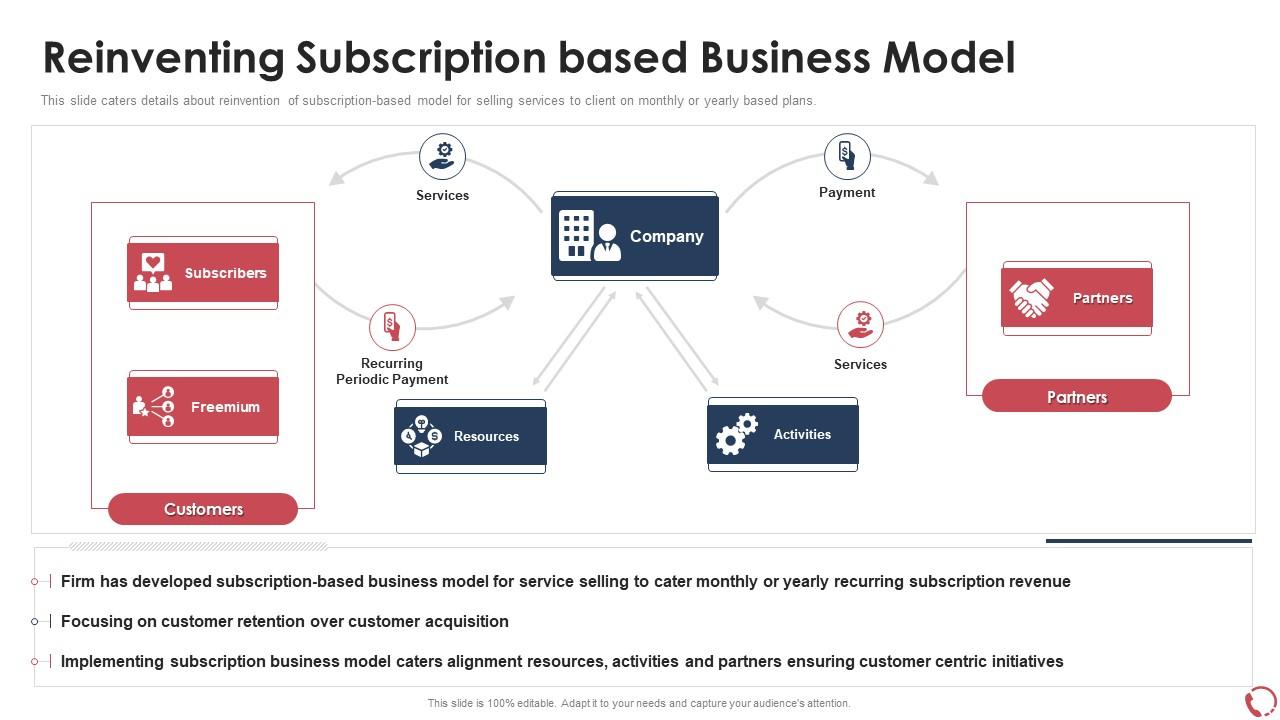
Introduction:
In the contemporary business landscape, subscription-based business models have emerged as powerful drivers of sustainable revenue. This article explores the intricacies of subscription models, their advantages for businesses, and how organizations can strategically implement and thrive with recurring revenue.
Subscription-based Business Models Link:
Explore the dynamics of Subscription-based Business Models here. Discover how businesses can leverage subscription models for sustained growth and customer loyalty.
The Evolution of Business Models:
Traditionally, businesses operated on transactional models, where customers made one-time purchases. However, the subscription-based model represents a paradigm shift, emphasizing ongoing relationships with customers rather than individual transactions.
Advantages for Businesses:
Subscription-based models offer several advantages for businesses. Predictable and recurring revenue streams provide financial stability, allowing organizations to plan more effectively. Moreover, these models foster long-term customer relationships, contributing to customer loyalty and reducing customer acquisition costs.
Enhancing Customer Engagement:
Subscription models are inherently built on consistent customer engagement. Subscribers regularly interact with the brand, creating opportunities for personalized communication, targeted marketing, and a deeper understanding of customer preferences.
Diverse Subscription Offerings:
Businesses can tailor subscription offerings to meet diverse customer needs. Whether it’s subscription boxes, software as a service (SaaS), streaming services, or membership programs, the flexibility of subscription models enables organizations to cater to various markets and demographics.
The Psychology of Subscription:
The subscription model capitalizes on the psychology of convenience and value. Customers appreciate the simplicity of automatic deliveries or access to services without the need for repeated transactions. The perceived value often exceeds the cost, enhancing customer satisfaction.
Challenges and Mitigation Strategies:
While subscription models offer numerous benefits, businesses must navigate challenges such as customer churn and subscription fatigue. Implementing effective retention strategies, providing value through consistent innovation, and offering flexible subscription plans are crucial for mitigating these challenges.
Data-driven Decision Making:
Subscription models generate a wealth of data on customer behavior, preferences, and engagement. Businesses can leverage this data to make informed decisions, refine their offerings, and enhance the overall customer experience, contributing to continuous improvement.
Building a Community:
Successful subscription models go beyond transactions; they build communities. Businesses can create a sense of belonging among subscribers, fostering a community that shares common interests, values, and experiences, ultimately strengthening brand loyalty.
Implementing a Customer-Centric Approach:
The key to thriving with subscription models lies in adopting a customer-centric approach. Listening to customer feedback, continuously improving offerings based on customer needs, and providing exceptional customer service are vital components of sustaining a successful subscription business.
Conclusion:
Subscription-based business models are not just a trend; they represent a fundamental shift in how businesses engage with customers and generate revenue. By embracing the advantages of recurring revenue, enhancing customer engagement, and strategically addressing challenges, organizations can position themselves for long-term success in an evolving business landscape.

Local Townhouse Builders Crafting Community Living
Crafting Community Living: Exploring Local Townhouse Builders
Living in a townhouse offers a unique blend of privacy and community, making it an appealing option for many homeowners. When it comes to building your dream townhouse, finding the right builder is crucial. Let’s delve into the world of local townhouse builders near me and discover why they’re the ideal choice for creating the perfect community living environment.
Expertise in Townhouse Construction
Townhouse construction requires specialized knowledge and expertise to maximize space utilization and create functional living spaces. Local townhouse builders near me possess the skills and experience to tackle the intricacies of townhouse design and construction. From optimizing floor plans to incorporating modern amenities, these builders ensure that every aspect of your townhouse is thoughtfully planned and executed to meet your needs and preferences.
Customization and Personalization
One of the advantages of working with local townhouse builders is the ability to customize and personalize your home to suit your lifestyle. These builders understand that every homeowner has unique tastes and preferences, and they work closely with you to bring your vision to life. Whether you prefer an open-concept layout, a gourmet kitchen, or a luxurious master suite, they’ll work with you to incorporate the features and finishes that reflect your style and personality.
Attention to Detail
The success of any construction project lies in the attention to detail, and local townhouse builders excel in this area. From the foundation to the finishing touches, these builders pay meticulous attention to every aspect of the construction process. They use high-quality materials and employ skilled craftsmen to ensure that your townhouse is built to the highest standards of quality and craftsmanship. Their dedication to detail ensures that your townhouse not only looks beautiful but also functions flawlessly for years to come.
Efficient Project Management
Timely completion of your townhouse project is essential for minimizing disruption to your life and ensuring that you can move into your new home as planned. Local townhouse builders near me understand the importance of efficient project management and work diligently to keep your project on schedule and within budget. They coordinate all aspects of the construction process, from obtaining permits to scheduling subcontractors, to ensure that your townhouse is completed on time and to your satisfaction.
Community Focus
Building townhouses is not just about constructing homes; it’s about creating communities where residents can live, work, and play. Local townhouse builders near me understand the importance of community and design their developments with this in mind. They carefully select locations that offer convenient access to amenities such as schools, parks, and shopping centers, creating a vibrant community atmosphere where residents can connect and thrive.
Customer Satisfaction
Above all, local townhouse builders prioritize customer satisfaction and strive to exceed your expectations at every turn. They understand that building a townhouse is a significant investment, both financially and emotionally, and they go above and beyond to ensure that you are delighted with the results. From the initial consultation to the final walkthrough,

CMMS Building Maintenance Streamlining Facility Management
Streamlining Facility Management
Implementing a Computerized Maintenance Management System (CMMS) for building maintenance is revolutionizing the way facilities are managed. Let’s explore the benefits and features of CMMS and how it’s changing the game for facility managers.
Efficient Work Order Management
One of the primary functions of CMMS in building maintenance is efficient work order management. With CMMS software, facility managers can easily create, assign, and track work orders, ensuring that maintenance tasks are completed promptly and efficiently.
Preventive Maintenance Scheduling
Preventive maintenance is essential for prolonging the lifespan of building assets and minimizing unexpected breakdowns. CMMS allows facility managers to schedule preventive maintenance tasks based on equipment usage, manufacturer recommendations, and historical data, ensuring that assets are properly maintained and downtime is minimized.
Asset Management and Tracking
CMMS provides comprehensive asset management and tracking capabilities, allowing facility managers to keep track of all building assets, including equipment, machinery, and infrastructure. With CMMS, managers can easily access asset information, track maintenance history, and schedule maintenance tasks, ensuring that assets are properly maintained and operational.
Inventory Management
Effective inventory management is crucial for ensuring that maintenance operations run smoothly. CMMS software includes inventory management features that allow facility managers to track inventory levels, manage stock, and reorder supplies as needed, reducing downtime and minimizing costs associated with stockouts or overstocking.
Mobile Access and Remote Monitoring
CMMS software often comes with mobile access and remote monitoring capabilities, allowing facility managers to access the system from anywhere, at any time. This enables managers to quickly respond to maintenance requests, track work orders, and monitor asset performance, even when they’re away from the office.
Data Analytics and Reporting
CMMS provides powerful data analytics and reporting tools that allow facility managers to gain valuable insights into maintenance operations. Managers can analyze maintenance trends, identify areas for improvement, and make data-driven decisions to optimize maintenance processes and improve overall efficiency.
Compliance and Regulatory Requirements
CMMS helps facility managers stay compliant with regulatory requirements and industry standards by providing features such as audit trails, documentation management, and compliance reporting. This ensures that maintenance activities meet legal and regulatory standards, reducing the risk of fines or penalties.
Integration with Other Systems
CMMS can be seamlessly integrated with other systems, such as Enterprise Resource Planning (ERP) software or Building Automation Systems (BAS), to streamline operations and improve data sharing and communication across departments. This integration enhances overall efficiency and productivity.
Scalability and Flexibility
CMMS software is highly scalable and flexible, making it suitable for facilities of all sizes and types. Whether managing a single building or a large portfolio of properties, CMMS can be customized to meet the specific needs and requirements of any facility, ensuring optimal performance and efficiency.
For more information on how CMMS is transforming building maintenance, visit CMMS Building Maintenance. Their expertise in facility management solutions can help streamline your maintenance operations and improve overall efficiency.
Navigating Government Contracts: A Guide for Businesses

Navigating Government Contracts: A Guide for Businesses
Government contracts offer significant opportunities for businesses, providing a stable revenue source and a chance to contribute to public sector projects. In this comprehensive guide, we explore the intricacies of securing and navigating government contracts, shedding light on key considerations and strategies for businesses seeking to tap into this lucrative market.
Understanding the Basics of Government Contracts
Securing government contracts involves a unique set of rules and regulations. Businesses must comprehend the basics, including the Federal Acquisition Regulation (FAR) and agency-specific guidelines. Familiarity with these frameworks is fundamental to navigating the complexities of government procurement processes.
Identifying Opportunities and Eligibility
Businesses keen on government contracts must identify suitable opportunities aligned with their capabilities. Understanding eligibility criteria and registration requirements is crucial. Many governments encourage the participation of small and diverse businesses, offering specific programs to enhance their inclusion in the procurement process.
Building a Robust Registration and Compliance Strategy
Registering as a government contractor necessitates adherence to specific guidelines. This includes obtaining a D-U-N-S number, registering in the System for Award Management (SAM), and ensuring compliance with various certifications. A robust registration strategy sets the stage for businesses to participate in government procurement effectively.
Crafting a Compelling Proposal
The proposal is a critical component of winning government contracts. Businesses need to craft compelling proposals that not only showcase their capabilities but also address the specific requirements outlined in the government’s request for proposal (RFP). Emphasizing unique value propositions and demonstrating a clear understanding of project objectives increases the chances of success.
Navigating the Bidding Process
The bidding process for government contracts involves strict adherence to timelines and guidelines. Businesses need to develop efficient bid management processes, ensuring timely submission of proposals. Navigating the intricacies of bidding requires attention to detail and a proactive approach to meet government requirements.
Building Relationships and Networking
Establishing relationships and networking within government agencies are crucial aspects of winning contracts. Attend industry events, engage with government procurement officers, and participate in matchmaking events. Building a network enhances visibility and positions businesses favorably when opportunities arise.
Understanding Contract Types and Terms
Government contracts come in various types, each with its terms and conditions. Businesses must understand the nuances of fixed-price contracts, cost-reimbursement contracts, and others. Comprehending contract terms, including delivery schedules, performance metrics, and payment terms, is essential for successful contract execution.
Ensuring Compliance with Contractual Obligations
Once a contract is secured, businesses must prioritize compliance with contractual obligations. This includes meeting performance milestones, delivering products or services within specified timelines, and maintaining transparency in financial reporting. Strict adherence to contractual obligations builds trust and credibility with government agencies.
Mitigating Risks and Challenges
Navigating government contracts comes with inherent risks and challenges. Businesses should proactively identify potential risks and develop mitigation strategies. This involves assessing financial risks, anticipating regulatory changes, and implementing robust project management practices to address unforeseen challenges.
Continuous Improvement and Performance Evaluation
Government contracts offer businesses the opportunity for long-term partnerships. To maximize success, continuous improvement
Innovative Horizons: Trends Shaping Business Evolution
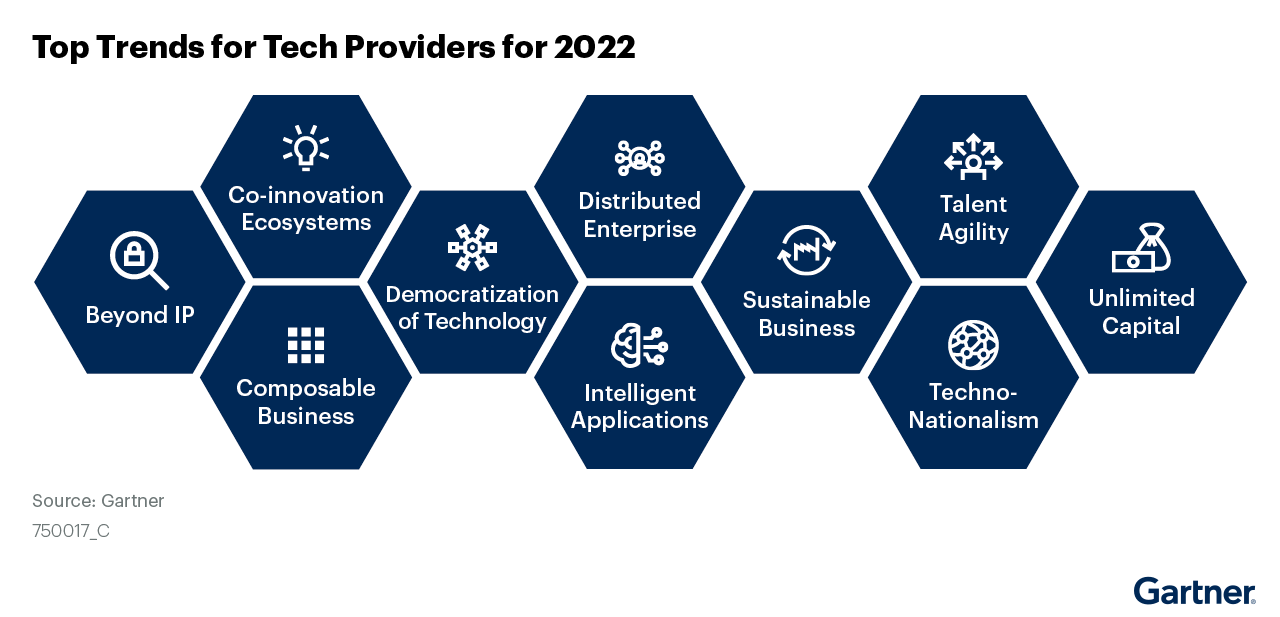
Innovative Horizons: Trends Shaping Business Evolution
In the dynamic landscape of business, staying ahead requires a keen eye on emerging trends that shape innovation. From technology advancements to shifts in consumer behavior, businesses that embrace these innovation trends position themselves for success. Let’s explore some of the key trends driving business innovation.
Embracing Digital Transformation
Digital transformation is a pervasive trend reshaping how businesses operate. The integration of advanced technologies, such as artificial intelligence, machine learning, and automation, is streamlining processes, enhancing efficiency, and opening new avenues for growth. Companies that leverage digital tools find themselves better equipped to adapt to changing market dynamics.
Elevating Customer Experience through Personalization
Consumer expectations are evolving, and businesses are responding by focusing on personalized customer experiences. Innovative companies employ data analytics and AI to understand individual preferences, tailoring products, services, and interactions. This emphasis on personalization fosters stronger customer relationships and enhances brand loyalty.
Rise of Remote Work and Hybrid Models
The global shift towards remote work has become a transformative force. The adoption of digital communication tools, collaboration platforms, and flexible work arrangements has redefined the traditional office structure. Businesses that embrace remote work trends not only attract top talent but also benefit from increased productivity and a broader talent pool.
Sustainability as a Core Business Strategy
Sustainability is no longer an optional commitment but a business imperative. Companies are integrating environmentally conscious practices into their strategies, from sustainable supply chains to eco-friendly product development. Prioritizing sustainability not only aligns with societal expectations but also contributes to long-term business resilience.
Blockchain Revolutionizing Industries
Blockchain technology is disrupting industries by providing secure, transparent, and decentralized solutions. Beyond cryptocurrencies, businesses are exploring blockchain for supply chain management, secure transactions, and data integrity. This trend is reshaping how industries approach security and transparency in their operations.
Artificial Intelligence Driving Innovation
Artificial intelligence continues to be a driving force in business innovation. From predictive analytics to natural language processing, AI is enhancing decision-making processes and automating routine tasks. Businesses that harness the power of AI gain a competitive edge in efficiency, innovation, and customer satisfaction.
Augmented and Virtual Reality Transforming Experiences
Augmented reality (AR) and virtual reality (VR) are transforming how businesses engage with consumers. From immersive marketing experiences to virtual product trials, AR and VR technologies create interactive and memorable brand interactions. Businesses incorporating these technologies set themselves apart in a crowded market.
5G Revolutionizing Connectivity
The rollout of 5G networks is ushering in a new era of connectivity. This trend is not only enhancing internet speed but also unlocking possibilities for innovations like the Internet of Things (IoT) and real-time data processing. Businesses leveraging 5G technology can deliver faster and more reliable services, driving innovation in various sectors.
Evolving E-commerce and Contactless Solutions
The acceleration of e-commerce trends has been propelled further by a focus on contactless solutions. From touchless payments to virtual shopping experiences, businesses are adapting to changing consumer preferences. The integration of seamless and secure contactless options enhances customer satisfaction and

Quality General Contractors Nearby Crafting Your Dream Space
Crafting Your Dream Space: Quality General Contractors Nearby
Elevating Your Home Renovation Experience
Embarking on a home renovation project is an exciting journey filled with possibilities, and finding good general contractors near me can make all the difference. These contractors bring expertise, reliability, and a commitment to excellence to every project, ensuring that your vision for your home becomes a reality. Let’s explore the world of quality general contractors and discover how they can elevate your home renovation experience.
Expertise in Home Renovations
Good general contractors near me possess a wealth of expertise in all aspects of home renovations. From kitchen and bathroom remodels to whole-house renovations, these contractors have the knowledge and skills to handle a wide range of projects with precision and professionalism. Whether you’re looking to update your living space, increase your home’s functionality, or enhance its aesthetic appeal, good general contractors can guide you through every step of the renovation process with confidence and ease.
Attention to Detail and Quality Craftsmanship
Attention to detail and quality craftsmanship are hallmarks of good general contractors. These contractors understand that every aspect of a home renovation project, no matter how small, contributes to the overall success of the endeavor. From selecting the right materials to ensuring proper installation and finishing, good general contractors pay meticulous attention to every detail to ensure the highest quality results. Whether it’s intricate trim work, flawless tile installation, or seamless paint finishes, you can trust that your renovation project is in capable hands with good general contractors near me.
Transparent Communication and Collaboration
Effective communication and collaboration are essential components of a successful home renovation project, and good general contractors excel in both areas. These contractors prioritize clear and transparent communication with their clients, keeping them informed and involved throughout every stage of the renovation process. Whether it’s discussing design ideas, providing project updates, or addressing any concerns or questions, good general contractors foster a collaborative relationship with their clients to ensure that their vision for their home is realized.
Efficient Project Management and Timely Completion
Timely completion of a home renovation project is important for both homeowners and contractors, and good general contractors near me understand the value of efficient project management. These contractors develop detailed project schedules and timelines to ensure that the renovation progresses smoothly and stays on track. They coordinate with subcontractors and suppliers, manage permits and inspections, and address any unforeseen challenges promptly to minimize delays and ensure timely completion of the project.
Exceptional Customer Service and Satisfaction
Customer satisfaction is a top priority for good general contractors, and they go above and beyond to ensure that their clients are happy with the results of their renovation project. These contractors provide exceptional customer service, from the initial consultation to the final walkthrough and beyond. They listen to their clients’ needs and preferences, offer expert advice and guidance, and work tirelessly to deliver results that exceed expectations. Whether it’s a small renovation or a major remodel, good general contractors are

Bridging Divides: Tackling Economic Inequality in the USA
Bridging Divides: Tackling Economic Inequality in the USA
Economic inequality remains a pressing issue in the United States, raising concerns about social cohesion and equal opportunity. In this exploration, we delve into the complex factors contributing to economic inequality and examine potential strategies to address this challenge.
Understanding the Landscape of Inequality
To effectively address economic inequality, it’s crucial to comprehend its multifaceted nature. Disparities in income, wealth distribution, and access to opportunities contribute to the widening gap between the affluent and those facing financial challenges. Examining the root causes of these disparities is essential for implementing targeted interventions.
Income Disparities and Wage Stagnation
One prominent aspect of economic inequality is the growing gap in income levels. Wage stagnation, particularly among lower-income workers, has fueled this divide. While some sectors experience robust wage growth, others face challenges in keeping pace with the rising cost of living. Analyzing and addressing the factors contributing to wage stagnation is essential for creating a more equitable economic landscape.
Wealth Inequality and Intergenerational Impact
Wealth inequality, reflecting the unequal distribution of assets, plays a significant role in perpetuating economic disparities across generations. Inheritance and access to educational opportunities often contribute to the entrenchment of wealth within certain families, limiting upward mobility for others. Strategies aimed at breaking this cycle must encompass educational reforms and policies that promote wealth distribution.
Access to Quality Education and Economic Mobility
Education serves as a cornerstone for economic mobility, yet access to quality education remains unequal. Disparities in educational resources, funding, and opportunities create hurdles for individuals from marginalized communities. Investing in education infrastructure, teacher training, and initiatives that level the playing field can enhance economic mobility and narrow the educational gap.
Systemic Barriers and Discrimination
Systemic barriers, including discriminatory practices, disproportionately impact certain demographic groups. Addressing economic inequality requires a comprehensive approach that dismantles systemic barriers and promotes equal opportunities for all. This involves implementing anti-discrimination policies, advocating for diversity and inclusion, and fostering an environment that empowers marginalized communities.
Social Safety Nets and Support Systems
Strengthening social safety nets and support systems is crucial for mitigating the impact of economic inequality. Accessible healthcare, affordable housing, and targeted assistance programs can provide a safety net for individuals facing financial challenges. These support systems contribute to a more equitable society by addressing immediate needs and fostering economic stability.
Progressive Taxation and Wealth Redistribution
Exploring progressive taxation models and wealth redistribution strategies can help alleviate economic inequality. Implementing tax policies that place a heavier burden on the wealthy ensures a fair contribution to societal well-being. Additionally, targeted wealth redistribution initiatives can bridge the gap and create a more balanced economic landscape.
Corporate Social Responsibility and Ethical Business Practices
The role of corporations in addressing economic inequality is significant. Embracing corporate social responsibility (CSR) and ethical business practices contribute to a more equitable distribution of resources. Companies can prioritize fair wages, diversity in hiring, and community engagement to positively impact the economic well-being of both employees and the broader society.
Policy Advocacy
Retail Industry Updates: Navigating Market Dynamics

Introduction:
The retail industry, a dynamic and ever-evolving sector, is undergoing significant transformations. In this exploration, we delve into the latest retail industry updates, highlighting key trends, innovations, and strategies that are reshaping the landscape.
E-commerce Integration: A Pivotal Shift in Retail Dynamics:
One of the noteworthy retail industry updates is the continued integration of E-commerce. As online shopping becomes increasingly prevalent, retailers are leveraging digital platforms to enhance customer experiences, expand market reach, and stay competitive in a digitally-driven market.
Omnichannel Retailing: Seamlessly Connecting the Dots:
Omnichannel retailing is another crucial update in the industry. The seamless integration of online and offline channels provides customers with a cohesive shopping experience. Retailers are adopting omnichannel strategies to create a unified journey, allowing customers to transition effortlessly between online and physical stores.
Contactless Payments and Digital Wallets: Redefining Transactions:
With a focus on safety and convenience, the adoption of contactless payments and digital wallets has surged. Retail industry updates include the implementation of secure and efficient payment options, reducing physical contact during transactions and meeting the preferences of tech-savvy consumers.
Retail Technology Innovations: Enhancing In-Store Experiences:
Retailers are embracing technology innovations to enhance in-store experiences. From augmented reality mirrors for virtual try-ons to smart shelves with inventory tracking, these updates aim to captivate customers and provide them with interactive and personalized shopping encounters.
Personalization through Data Analytics: Tailoring the Retail Journey:
Data analytics plays a pivotal role in retail industry updates, enabling personalized experiences. Retailers leverage customer data to tailor recommendations, promotions, and marketing strategies. The result is a more customized retail journey that resonates with individual preferences.
Sustainability Initiatives: A Growing Focus in Retail:
Sustainability has become a central theme in retail industry updates. Consumers increasingly prioritize eco-friendly practices, and retailers are responding with sustainable sourcing, packaging, and corporate responsibility initiatives. These efforts not only align with consumer values but also contribute to long-term brand loyalty.
Pop-Up Stores and Experiential Retail: Creating Unique Encounters:
Retailers are embracing the concept of pop-up stores and experiential retail as a strategy to create unique and memorable encounters for customers. These temporary and immersive spaces serve as an avenue for product launches, brand activations, and fostering a sense of exclusivity.
Supply Chain Resilience: Navigating Global Challenges:
Recent global challenges have underscored the importance of supply chain resilience. Retail industry updates include a focus on optimizing supply chains for flexibility, visibility, and responsiveness. Retailers are adopting technologies like blockchain to enhance transparency and mitigate risks.
Subscription Services: Nurturing Customer Loyalty:
The rise of subscription services is reshaping the retail landscape. Retailers are offering subscription boxes and services, providing customers with a curated and recurring shopping experience. This not only fosters customer loyalty but also creates predictable revenue streams for businesses.
Exploring Retail Industry Updates:
For a comprehensive exploration of the latest retail industry updates and insights, visit teal-barracuda-926250.hostingersite.com. Discover curated content that delves into the trends, innovations, and strategies shaping the retail landscape, providing retailers with a roadmap for navigating these dynamic times.
Conclusion:
How an International Construction Company Can Help

In the ever-evolving landscape of the global construction industry, the role of international construction services and global construction companies cannot be overstated. These entities possess the expertise, resources, and experience needed to execute complex projects across borders seamlessly. In this comprehensive blog post, we will delve into the key aspects of how an international construction company can make a difference, from its global experience to its cutting-edge technology, all while emphasizing the importance of natural keyword integration.
Global Experience
International construction services bring a wealth of global experience to the table. With a history of successful projects in various countries and regions, they have developed a deep understanding of the challenges and nuances associated with diverse construction environments. This experience allows them to navigate complex regulatory landscapes, cultural differences, and logistical hurdles with finesse. Whether it’s constructing a state-of-the-art skyscraper in New York City or a cutting-edge solar farm in the deserts of Dubai, a global construction company’s track record speaks volumes about its adaptability and expertise.
Multicultural Teams
One of the distinctive strengths of international construction services is their ability to assemble multicultural teams. These teams comprise professionals from different backgrounds, fostering a rich exchange of ideas and innovative solutions. Such diversity brings fresh perspectives to the construction process, leading to more effective problem-solving and improved project outcomes. A global construction company’s multicultural teams not only bridge language barriers but also promote inclusivity and a global mindset, creating a conducive environment for success.
Local Knowledge
While global experience is invaluable, local knowledge is equally essential. International construction companies understand the significance of blending global best practices with local insights. They engage with local communities, collaborate with local contractors, and adapt to regional regulations and customs. This approach not only ensures smoother project execution but also fosters positive relationships with stakeholders, contributing to the long-term success of projects.
Cutting-Edge Technology
In today’s fast-paced construction industry, staying ahead of the curve in terms of technology is crucial. International construction services are at the forefront of adopting cutting-edge technology, from advanced project management software to innovative construction techniques. These technologies streamline project workflows, enhance efficiency, and improve safety standards. Whether it’s implementing Building Information Modeling (BIM) for precise planning or utilizing drones for site inspections, global construction companies leverage technology for optimal project outcomes.
Supply Chain Management
Efficient supply chain management is a linchpin of successful construction projects, especially on an international scale. Global construction companies excel in supply chain optimization, ensuring timely delivery of materials and equipment. Their global networks and partnerships enable them to source high-quality resources at competitive prices. This not only keeps costs in check but also minimizes project delays, a critical factor in meeting project deadlines.
Risk Management
Construction projects, especially international ones, are fraught with risks. From geopolitical challenges to unforeseen weather conditions, global construction companies are well-versed in risk management. They employ robust risk assessment strategies, contingency plans, and insurance solutions to mitigate potential disruptions. Their experience in handling …
Navigating Economic Turbulence: Global Supply Chain Disruptions

The Unraveling Threads: Understanding Global Supply Chain Disruptions
Global supply chains, once considered the backbone of international trade, have encountered unprecedented disruptions, triggering a ripple effect across economies worldwide. This article delves into the intricate web of economic impacts stemming from the turmoil in global supply chains.
The Fragility Exposed: Vulnerabilities in Modern Supply Chains
The COVID-19 pandemic laid bare the vulnerabilities embedded in modern supply chains. Factors such as overreliance on specific regions, just-in-time inventory practices, and a lack of contingency planning became glaring weaknesses. As a result, the economic impact of global supply chain disruptions reached far beyond initial expectations.
Industry-Specific Challenges: A Varied Landscape
Different industries faced unique challenges during the disruptions. Sectors heavily reliant on international manufacturing and distribution experienced severe setbacks. From automotive to electronics, the interruptions in the supply chain disrupted production schedules, leading to shortages and increased costs.
Supply and Demand Dynamics: Balancing Act in Turmoil
The equilibrium between supply and demand, a delicate dance in the best of times, faced significant upheaval. While demand for certain products soared, the disrupted supply chains struggled to meet this surge, resulting in shortages. Conversely, in industries with decreased demand, excess inventory created additional economic challenges.
Economic Downturn and Recovery Roadblocks
Global supply chain disruptions contributed to economic downturns in various regions. The interconnectivity of economies meant that a disruption in one part of the world could reverberate globally. As nations grappled with economic contractions, the path to recovery faced substantial roadblocks due to ongoing supply chain challenges.
Resilience Strategies: Adapting to a New Normal
In response to the disruptions, businesses and governments alike began reevaluating and restructuring their supply chain strategies. Diversification of suppliers, increased inventory buffers, and the integration of digital technologies emerged as essential components in building resilience against future disruptions.
Technological Innovations: A Beacon of Hope
Technology played a crucial role in mitigating the economic impact of global supply chain disruptions. The adoption of artificial intelligence, blockchain, and data analytics offered solutions for real-time visibility, risk management, and streamlined logistics. These innovations not only addressed immediate challenges but also paved the way for a more resilient future.
The Geopolitical Dimension: Shifting Alliances and Trade Policies
Geopolitical tensions further complicated the landscape of global supply chains. Shifts in alliances, trade policies, and tariff disputes added layers of complexity, influencing supply chain decisions. Navigating this geopolitical dimension became integral to understanding and mitigating the economic consequences of supply chain disruptions.
Environmental Sustainability in Supply Chain Resilience
The disruptions underscored the importance of incorporating environmental sustainability into supply chain strategies. As businesses aimed for resilience, the integration of eco-friendly practices gained prominence. Sustainable supply chain management became not just an ethical choice but a strategic imperative for long-term economic viability.
Navigating Forward: Lessons Learned and Future Imperatives
The economic impact of global supply chain disruptions serves as a poignant lesson for the business world and policymakers. The imperative to build resilient, adaptive, and sustainable supply chains has never been clearer. Navigating forward requires a collaborative
Navigating Economic Shifts: Impact of Immigration Policy Changes

The Dynamics of Economic Transformation: Effects of Immigration Policy Changes
Immigration policies wield a significant influence on the economic landscape of nations. This article explores the intricate web of economic consequences that unfold in the wake of changes to immigration policies, delving into the multifaceted impact on industries, labor markets, and overall economic vitality.
Labor Market Dynamics: Balancing Supply and Demand
Changes in immigration policies directly impact the labor market, triggering shifts in the supply and demand for workforce skills. Restrictive policies may lead to labor shortages in certain industries, affecting productivity and potentially driving up wages. Conversely, more open policies can address labor gaps, fostering economic growth through a diverse and skilled workforce.
Industry-Specific Impact: A Ripple Effect Across Sectors
Different industries experience varied effects in the aftermath of immigration policy changes. Sectors heavily reliant on immigrant labor, such as agriculture, hospitality, and technology, may face disruptions in their operations. Understanding the unique dynamics of each industry is crucial in assessing the overall economic consequences of shifts in immigration policies.
Entrepreneurship and Innovation: Nurturing Economic Dynamism
Immigrant populations often contribute significantly to entrepreneurship and innovation. Changes in immigration policies can either encourage or impede the influx of entrepreneurial talent. Policies that support immigrant entrepreneurs foster economic dynamism, job creation, and innovation, propelling nations forward in competitive global markets.
Economic Growth and Fiscal Impact: A Comprehensive View
The broader economic growth of a nation is intricately linked to immigration policies. A well-managed immigration system can fuel economic expansion by contributing to population growth, consumer spending, and tax revenues. Conversely, abrupt policy changes may disrupt economic projections, influencing fiscal policies and government budgets.
Social Welfare and Public Services: Assessing the Strain
Changes in immigration policies also have implications for social welfare programs and public services. A sudden influx or decline in immigrant populations can strain healthcare, education, and social services. Balancing the economic contributions of immigrants with the demands on public resources becomes a critical consideration in policy adjustments.
Global Talent Competition: Positioning in the Global Marketplace
Nations with favorable immigration policies often attract global talent, bolstering their competitiveness in the international marketplace. On the flip side, restrictive policies may lead to a brain drain, with skilled professionals seeking opportunities elsewhere. Striking a balance between protecting domestic interests and attracting global talent is essential for sustained economic success.
Real Estate and Housing Markets: A Nexus of Influence
The real estate and housing markets are sensitive to changes in immigration policies. Increased immigration can drive demand for housing, influencing property values and construction sectors. Conversely, stringent policies may lead to a contraction in demand, affecting both residential and commercial real estate landscapes.
Economic Equity and Social Cohesion: Striking a Delicate Balance
Immigration policies intersect with issues of economic equity and social cohesion. Striking a balance between welcoming diverse talent and addressing concerns about job competition and income inequality is crucial. Well-managed policies contribute to a harmonious socio-economic landscape, fostering unity and inclusivity.
Adapting Strategies for Economic Resilience
In conclusion, the economic consequences