
augmented reality

Mixed Reality Performances Across Markets
The entertainment landscape is rapidly evolving, and Mixed Reality Performances are at the forefront of this exciting change. From intimate theatrical productions to large-scale concerts, the integration of digital and physical worlds is creating entirely new forms of artistic expression and audience engagement. This article examines the current state of Mixed Reality Performances across various markets, exploring their impact, challenges, and future potential.

Key Takeaways:
- Mixed Reality Performances are gaining traction globally, offering unique and immersive experiences for audiences.
- Technology, cost, and artistic vision are key factors influencing the success and adoption of Mixed Reality Performances.
- Different markets exhibit varying levels of interest and investment in Mixed Reality Performances, influenced by technological infrastructure and cultural preferences.
- The future of entertainment is likely to involve increasing integration of mixed reality, creating even more interactive and personalized experiences.
Understanding the Global Landscape of Mixed Reality Performances
The adoption of Mixed Reality Performances varies significantly across different markets. In technologically advanced regions like North America, Europe, and parts of Asia (South Korea, Japan, Singapore), we see a greater willingness to experiment and invest in these innovative productions. This is largely due to the availability of robust infrastructure, a tech-savvy audience, and a strong creative industry. However, even within these regions, the scale and focus of Mixed Reality Performances can differ significantly. For example, North America may lean towards large-scale entertainment spectacles, while Europe might prioritize artistic innovation and experimental theater.
Conversely, in developing markets, the adoption of Mixed Reality Performances may be slower due to limited access to technology, lower internet speeds, and cost considerations. However, this doesn’t mean there’s no interest. Creative artists in these regions are finding innovative ways to incorporate mixed reality elements into their work, often utilizing accessible technologies like smartphones and tablets to create engaging experiences. This resourceful approach is helping to bridge the digital divide and bring Mixed Reality Performances to a wider audience.
Key Technologies Powering Mixed Reality Performances
Several key technologies are driving the growth of Mixed Reality Performances. Head-mounted displays (HMDs) like the Microsoft HoloLens and Magic Leap offer immersive visual experiences, allowing performers and audiences to interact with virtual elements superimposed onto the real world. Augmented reality (AR) apps on smartphones and tablets provide a more accessible entry point, enabling audiences to engage with virtual content in their own environments. Motion capture technology allows performers’ movements to be translated into digital avatars or effects, creating seamless integration between the physical and virtual realms.
Beyond the hardware, sophisticated software and development platforms are crucial for creating compelling Mixed Reality Performances. Game engines like Unity and Unreal Engine provide the tools needed to design and render interactive 3D environments, while programming languages like C# and JavaScript enable developers to create custom applications and interactions. As these technologies continue to evolve and become more accessible, we can expect to see even more innovative and immersive Mixed Reality Performances emerge.
Challenges and Opportunities in the Mixed Reality Performances Market
While the potential of
Innovative Horizons: Trends Shaping Business Evolution
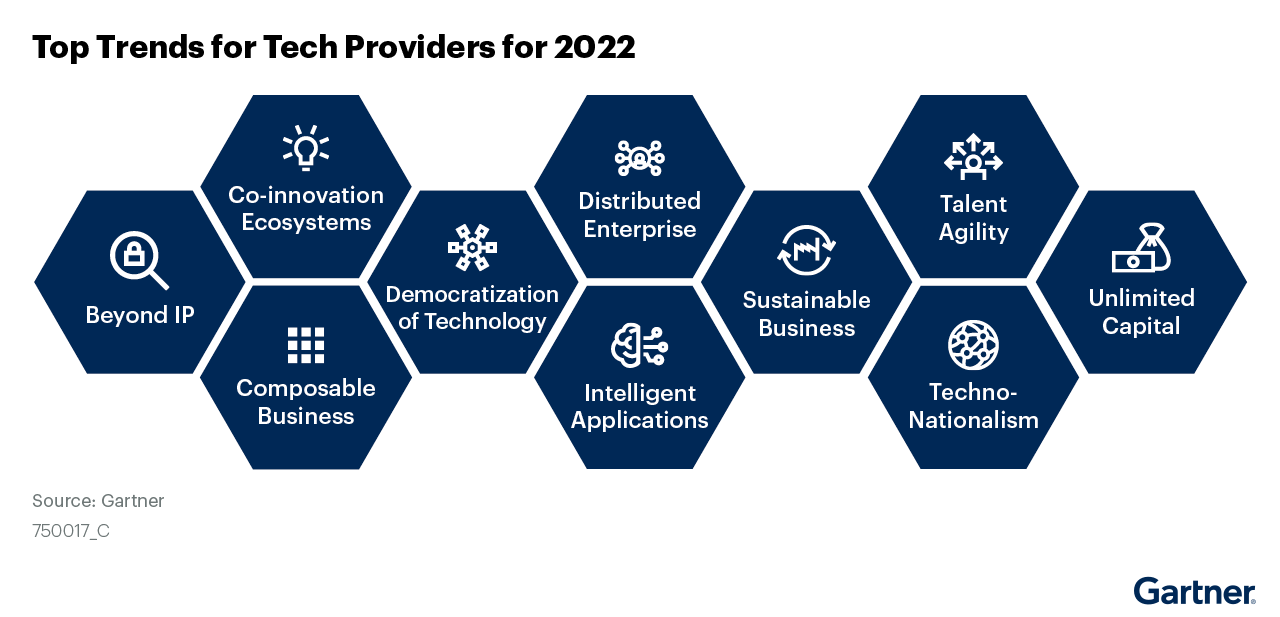
Innovative Horizons: Trends Shaping Business Evolution
In the dynamic landscape of business, staying ahead requires a keen eye on emerging trends that shape innovation. From technology advancements to shifts in consumer behavior, businesses that embrace these innovation trends position themselves for success. Let’s explore some of the key trends driving business innovation.
Embracing Digital Transformation
Digital transformation is a pervasive trend reshaping how businesses operate. The integration of advanced technologies, such as artificial intelligence, machine learning, and automation, is streamlining processes, enhancing efficiency, and opening new avenues for growth. Companies that leverage digital tools find themselves better equipped to adapt to changing market dynamics.
Elevating Customer Experience through Personalization
Consumer expectations are evolving, and businesses are responding by focusing on personalized customer experiences. Innovative companies employ data analytics and AI to understand individual preferences, tailoring products, services, and interactions. This emphasis on personalization fosters stronger customer relationships and enhances brand loyalty.
Rise of Remote Work and Hybrid Models
The global shift towards remote work has become a transformative force. The adoption of digital communication tools, collaboration platforms, and flexible work arrangements has redefined the traditional office structure. Businesses that embrace remote work trends not only attract top talent but also benefit from increased productivity and a broader talent pool.
Sustainability as a Core Business Strategy
Sustainability is no longer an optional commitment but a business imperative. Companies are integrating environmentally conscious practices into their strategies, from sustainable supply chains to eco-friendly product development. Prioritizing sustainability not only aligns with societal expectations but also contributes to long-term business resilience.
Blockchain Revolutionizing Industries
Blockchain technology is disrupting industries by providing secure, transparent, and decentralized solutions. Beyond cryptocurrencies, businesses are exploring blockchain for supply chain management, secure transactions, and data integrity. This trend is reshaping how industries approach security and transparency in their operations.
Artificial Intelligence Driving Innovation
Artificial intelligence continues to be a driving force in business innovation. From predictive analytics to natural language processing, AI is enhancing decision-making processes and automating routine tasks. Businesses that harness the power of AI gain a competitive edge in efficiency, innovation, and customer satisfaction.
Augmented and Virtual Reality Transforming Experiences
Augmented reality (AR) and virtual reality (VR) are transforming how businesses engage with consumers. From immersive marketing experiences to virtual product trials, AR and VR technologies create interactive and memorable brand interactions. Businesses incorporating these technologies set themselves apart in a crowded market.
5G Revolutionizing Connectivity
The rollout of 5G networks is ushering in a new era of connectivity. This trend is not only enhancing internet speed but also unlocking possibilities for innovations like the Internet of Things (IoT) and real-time data processing. Businesses leveraging 5G technology can deliver faster and more reliable services, driving innovation in various sectors.
Evolving E-commerce and Contactless Solutions
The acceleration of e-commerce trends has been propelled further by a focus on contactless solutions. From touchless payments to virtual shopping experiences, businesses are adapting to changing consumer preferences. The integration of seamless and secure contactless options enhances customer satisfaction and