
Home

Are Drafting Services Illawarra council compliant?
Are Drafting Services Illawarra council compliant? This question lies at the heart of any successful building project within the beautiful Illawarra region. From minor home improvements to significant extensions, the journey from concept to construction is heavily regulated by local government. Engaging professional Drafting Services Illawarra is not merely about getting drawings; it’s about securing designs that meticulously adhere to the specific planning controls, building codes, and environmental policies set forth by the local councils, such as Wollongong City Council, Shellharbour City Council, and Kiama Municipal Council. Non-compliant plans can lead to costly delays, rejection of applications, or even legal issues, making the choice of a compliant drafting service paramount.
Overview
- Compliance with Illawarra council regulations is crucial for all building projects, from minor to major.
- Professional drafting services must possess deep knowledge of local planning controls, building codes, and environmental policies.
- The two primary approval pathways in the Illawarra are Development Applications (DA) and Complying Development Certificates (CDC), each with distinct requirements.
- Non-compliant plans can result in significant project delays, additional costs, application rejections, or even legal complications.
- Local expertise is invaluable for understanding specific council nuances, pre-empting issues, and streamlining the approval process.
- A reputable drafting service acts as a vital link between a project vision and its lawful execution, ensuring all required documentation is accurate.
Understanding Illawarra Council’s Requirements for Drafting
The Illawarra region, with its diverse landscapes and communities, has specific planning frameworks designed to manage development sustainably and aesthetically. Each local council operates under the NSW Environmental Planning and Assessment Act 1979, but they also have their own Local Environmental Plans (LEPs) and Development Control Plans (DCPs). These documents dictate everything from setbacks, building heights, floor space ratios, and permissible uses to design guidelines and environmental considerations. For instance, a property near the escarpment might have different bushfire safety requirements, while a coastal property may face stricter flood plain management or coastal hazard setback rules. Drafting Services Illawarra must possess an intricate understanding of these layered regulations, ensuring that every line on a plan reflects these specific local nuances, not just the broader Building Code of Australia (BCA).
The Critical Role of Local Expertise in Illawarra Drafting Services
Local expertise goes beyond simply knowing the rules; it encompasses practical experience dealing with council planners and understanding their interpretation of policies. An experienced local drafter will be familiar with common issues encountered in the Illawarra, such as heritage considerations in older suburbs, specific material preferences, or unique environmental overlays. This insight allows them to proactively design plans that meet or exceed council expectations, minimizing the likelihood of requests for additional information or amendments, which often cause frustrating delays. Having someone on your side who understands the “unwritten rules” and common approval pathways can significantly streamline your project timeline and reduce stress.
Ensuring Your Project Aligns with DA and CDC Guidelines
For many projects in the Illawarra, there are two primary pathways to approval: a Development Application (DA) or a Complying Development Certificate (CDC). A DA typically …

What makes a house feel like a genuinely cozy home?
A house is a structure, but a home is a feeling. The transformation from mere shelter to a genuinely cozy home isn’t about expensive renovations or trending decor. It’s a nuanced blend of elements that appeal to our senses, evoke comfort, and reflect our identity. The essence of coziness stems from creating an environment that feels safe, inviting, and deeply personal, fostering relaxation and a sense of belonging for those who live within its walls.

Overview
- A truly cozy home is built on sensory experiences, appealing to sight, touch, sound, and smell.
- Personalization through cherished objects and photos tells a story, making the space uniquely yours.
- Thoughtful lighting, especially warm and diffused sources, is critical for setting a cozy mood.
- Comfortable textiles like throws, pillows, and rugs add softness and warmth, inviting relaxation.
- Creating dedicated zones for different activities fosters functionality and a sense of order.
- The overall atmosphere should promote emotional well-being and a feeling of security.
- Attention to practical details, like functional furniture and organization, contributes to ease and comfort.
The Sensory Symphony of a Cozy Home
What makes a place truly comfortable often bypasses conscious thought and appeals directly to our senses. Visual warmth is paramount; think soft lighting, perhaps from dimmable lamps or strategically placed candles, rather than harsh overhead fixtures. Colors often lean towards warmer tones, like soft neutrals, earthy greens, or muted blues, which can calm the mind. Texture is equally vital. A truly cozy home invites touch with plush throw blankets draped over a sofa, soft area rugs underfoot, or textured pillows that beg to be leaned against. In the US, many homeowners prioritize these tactile elements, seeing them as essential for comfort.
Beyond sight and touch, sound plays a subtle yet significant role. The absence of jarring noises, perhaps muffled by soft furnishings, contributes to peace. Gentle background music or the quiet hum of a humidifier can add to the tranquility. And let’s not forget scent – a clean, fresh aroma, perhaps from natural diffusers with essential oils like lavender or cedarwood, or the subtle smell of freshly baked cookies, can profoundly impact how inviting a home feels. These sensory details work in harmony to create an enveloping atmosphere that signals relaxation and ease.
Personal Touches: Weaving Your Story into a Cozy Home
A genuine cozy home isn’t a showroom; it’s a living reflection of the people who inhabit it. This means incorporating elements that tell your unique story. Family photographs, artwork collected during travels, meaningful souvenirs, or cherished heirlooms are not just decorations; they are anchors to memories and experiences. These personal items infuse a space with character and warmth, making it feel lived-in and loved.
Avoid the trap of overly generic decor. Instead, curate items that spark joy or hold sentimental value. Perhaps it’s a hand-knitted blanket from a loved one, a collection of unique books, or a particular piece of pottery acquired from a local artisan. These elements differentiate your space from any other and provide visual cues that
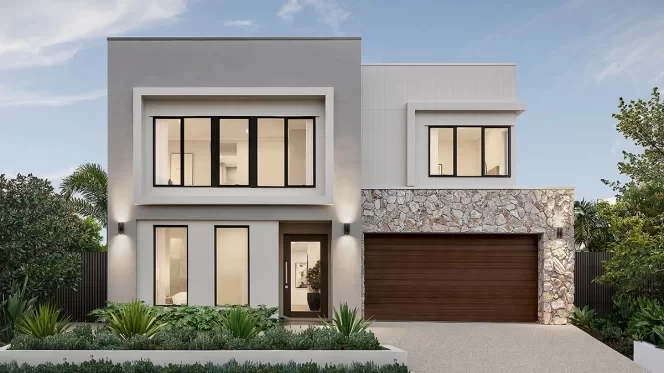
Discover Your Perfect Home: Explore Stunning Display Homes in Rochedale
Nestled in the southern suburbs of Brisbane, Rochedale has fast become one of the city’s most sought-after locations for those looking to build or buy a new home.
Offering a balanced mix of suburban charm and modern conveniences, this rapidly growing community presents an ideal setting for families, professionals, and retirees alike.
Whether you’re looking for a spacious family home, a contemporary design, or a custom-built dream residence, display homes in Rochedale offer an invaluable glimpse into the potential of living in this vibrant area.
Why Rochedale?
Rochedale has seen significant development in recent years, with new estates, schools, shopping centres, and public transport options enhancing the appeal of the area. According to Queensland Government’s Department of State Development, Infrastructure, Local Government and Planning, the property market in Rochedale has demonstrated impressive growth over the last few years, with demand for homes increasing steadily (source). As part of Brisbane’s southern corridor, Rochedale is perfectly situated, providing access to major transport routes while still maintaining a peaceful, suburban atmosphere.
The appeal of Rochedale lies in its family-friendly environment, large blocks of land, and the proximity to amenities such as Westfield Garden City, schools like Rochedale State High, and outdoor parks. For those who want the benefits of a quieter lifestyle without being too far from the hustle and bustle of Brisbane’s central business district, Rochedale offers a perfect balance. It’s no wonder that display homes in this area have become a hotspot for potential homeowners.
The Allure of Display Homes in Rochedale
Display homes are built by developers and homebuilders to showcase their work and give prospective buyers a chance to explore different home designs. In Rochedale, the display homes offer a stunning variety of design options, from modern townhouses to expansive luxury estates. These homes are not just about aesthetics; they also demonstrate how a home can function practically for modern living.
For first-time homebuyers or those looking to upgrade, visiting display homes is an exciting and informative experience. It allows you to see the various layout options available, visualize how the space will work for your family, and get a feel for the quality of craftsmanship behind each build. Whether you are interested in eco-friendly features, custom finishes, or state-of-the-art technology, the display homes Rochedale cater to a wide range of preferences.
Types of Display Homes in Rochedale
- Modern and Contemporary Homes
Many of the display homes in Rochedale reflect the latest trends in architecture and interior design, with sleek lines, open-plan living spaces, and minimalistic finishes. These homes are perfect for buyers who appreciate clean, modern aesthetics. They often feature large windows that invite natural light, expansive living areas, and state-of-the-art kitchen appliances. For those seeking a stylish, contemporary home, Rochedale’s display homes are filled with inspiration. - Luxury Homes
Rochedale also offers a selection of high-end display homes that cater to those looking for something extraordinary. These homes are designed to impress, with spacious layouts, high ceilings, and premium finishes throughout. Expect to find homes

What defines a beautiful contemporary home aesthetic?
A beautiful contemporary home aesthetic is more than just a fleeting trend; it represents a philosophy of living that prioritizes clarity, comfort, and a connection to the environment. It’s about creating spaces that are both visually striking and profoundly livable, reflecting a modern sensibility that values functionality, clean design, and thoughtful material choices. This style embraces the present while looking towards the future, integrating advanced technologies and sustainable practices seamlessly into everyday life. It stands apart from traditional styles by shedding ornate details in favor of simplicity, light, and an uncluttered environment, making it a highly sought-after approach to residential design across the US and globally.

Overview
- A beautiful contemporary home aesthetic is defined by its emphasis on clean lines, open-concept layouts, and an absence of unnecessary ornamentation.
- Natural light is a crucial element, integrated through large windows, glass doors, and strategic placement to connect indoor spaces with the outdoors.
- The use of natural materials like wood, stone, concrete, and glass, often in their raw or minimally treated forms, adds authenticity and texture.
- Functionality and seamless technology integration are core to the design, ensuring spaces are intuitive, efficient, and support a modern lifestyle.
- Color palettes typically feature neutral tones, complemented by strategic pops of color, creating a serene and sophisticated backdrop.
- Furniture and decor are carefully curated, prioritizing comfort, form, and purpose, contributing to an uncluttered yet inviting atmosphere.
- Sustainability and energy efficiency are often integral, reflecting an awareness of environmental impact.
Defining the Contemporary Home Aesthetic
The essence of a contemporary home lies in its commitment to a straightforward yet sophisticated design language. Unlike historical styles bound by specific eras, contemporary design is continuously evolving, mirroring current trends and innovations in architecture, materials, and technology. What remains constant is its dedication to creating harmonious and functional spaces that cater to the needs of modern inhabitants. This approach often results in homes that feel expansive, serene, and effortlessly stylish, providing a peaceful retreat from the complexities of the outside world.
Clean Lines and Open Layouts in a Contemporary Home
One of the most identifiable characteristics of a beautiful contemporary home is its reliance on clean, crisp lines and expansive, open-concept layouts. Walls are minimized, allowing rooms to flow seamlessly into one another, fostering a sense of spaciousness and connectivity. This design choice not only makes homes feel larger but also promotes natural light distribution and social interaction. Furnishings often feature simple geometric shapes, reinforcing the uncluttered aesthetic. Spaces are typically free of excessive ornamentation, with architectural details speaking for themselves. High ceilings and large expanses of glass further emphasize this openness, blurring the lines between indoor and outdoor living areas. The intention is to create a visual calm, allowing residents to experience their environment without distraction.
Natural Materials and Light in the Contemporary Home
Light is paramount in a contemporary home, treated not just as an illumination source but as an integral design element. Large windows, skylights, and glass walls are strategically placed to flood interiors with natural light,

How do you incorporate a classic home style affordably?
The appeal of a classic home style is undeniable. It evokes a sense of timeless elegance, sophistication, and comfort that many homeowners desire. Think stately architecture, refined furnishings, and enduring design principles. However, the misconception often arises that achieving this look requires an extravagant budget. This isn’t true. With thoughtful planning, clever sourcing, and a creative approach, you can imbue your living space with a beautiful classic home aesthetic without emptying your wallet. The secret lies in understanding the core elements and applying them strategically, proving that traditional charm can be accessible to all.

Overview
- Embrace second-hand finds and antique stores for unique furniture.
- Prioritize quality basics and update them with affordable finishes.
- Utilize DIY projects like painting and hardware updates to refresh items.
- Focus on classic decor elements such as textiles, lighting, and artwork.
- Plan your design gradually, building a cohesive classic home look over time.
- Mix high-end aspirations with budget-friendly realities for a balanced approach.
Sourcing Affordable Pieces for a Classic Home Look
One of the most effective ways to introduce classic home style without overspending is through smart shopping. Forget brand-new showroom pieces initially. Instead, turn your attention to places where history and value converge. Thrift stores, consignment shops, and local antique markets are goldmines. You might find a sturdy wooden dresser with elegant lines, a vintage armchair begging for new upholstery, or ornate mirrors that add immediate character. Online marketplaces like Facebook Marketplace or Craigslist are also excellent platforms for finding used furniture in good condition, often at a fraction of retail price. Estate sales, particularly in older neighborhoods across the US, can yield incredible finds, from intricate side tables to beautiful display cabinets. The key is to look for pieces with good “bones” – solid construction, classic shapes, even if they show some wear and tear. A little sanding, paint, or new hardware can give a forgotten item a second life and a prominent place in your classic home scheme. Patience is a virtue here; finding the right pieces takes time, but the payoff in unique, character-filled decor is immense.
Smart Decor Choices for an Affordable Classic Home
After acquiring your foundational furniture, the next step involves layering in decor that speaks to a classic home sensibility, all while keeping costs in check. Start with textiles. Opt for natural fabrics like cotton, linen, or wool for curtains, throw pillows, and blankets. These materials offer a sophisticated feel without the hefty price tag of silk or velvet. Look for patterned fabrics that feature subtle stripes, florals, or damasks. For artwork, instead of investing in original masterpieces, consider framed prints of classical paintings, botanical illustrations, or architectural sketches. Many free or low-cost digital prints are available online that can be printed and framed affordably. Lighting plays a crucial role in setting the mood. Seek out lamps with classic silhouettes, such as urn shapes or candlestick bases, and pair them with simple fabric shades. Mirrors with decorative frames can also create an illusion of space and add

Multifunctional Rooms in Modern Home Design
Modern homes demand flexibility. Square footage is precious, and the way we live requires our spaces to adapt to our ever-changing needs. That’s where Multifunctional Rooms come in. These aren’t just rooms; they’re dynamic areas designed to serve multiple purposes, seamlessly shifting from one function to another. They are a great way for us to utilize the available space efficiently.

Key Takeaways:
- Multifunctional Rooms maximize space and adapt to various needs.
- Careful planning and smart furniture choices are crucial for success.
- Prioritize storage solutions to maintain organization and functionality.
- Lighting and decor play a key role in defining zones within a room.
Planning Your Multifunctional Rooms
The key to successful Multifunctional Rooms lies in careful planning. Before you even think about paint colors or furniture, analyze how you intend to use the space. What are the primary functions you want the room to serve? A living room might also need to function as a home office, a guest room, or even a dining area.
Once you’ve identified the functions, consider the flow of traffic. How will people move through the space when it’s being used for different purposes? Think about sightlines and noise levels. For example, you wouldn’t want a home office area directly facing a television.
Next, create a floor plan. This doesn’t have to be a professional rendering; a simple sketch will do. Experiment with different layouts to see how you can best accommodate all the functions without making the room feel cluttered or cramped. Remember to measure your space accurately so you can shop with confidence later. This planning stage is where the magic happens, setting the stage for a truly functional and beautiful space.
Furniture for Multifunctional Rooms
Selecting the right furniture is paramount. Think beyond traditional pieces and look for items designed for versatility. Sofa beds are an obvious choice for a guest room/living room combination. Opt for a comfortable sofa that easily converts into a bed without sacrificing style.
Storage ottomans provide seating, storage, and can even serve as coffee tables. Nesting tables are great for providing extra surface area when needed, and they tuck away neatly when not in use. Consider a dining table that can be extended for larger gatherings and folded down when space is limited.
Wall-mounted desks are ideal for creating a home office in a small space. They can be folded away when not in use, freeing up valuable floor space. Look for chairs that are comfortable for working but can also be easily moved to other areas of the room.
When choosing furniture, prioritize quality and durability. Multifunctional Rooms tend to see more wear and tear than traditional rooms, so invest in pieces that will stand the test of time.
Maximizing Storage in Multifunctional Rooms
Storage is crucial for keeping Multifunctional Rooms organized and functional. Clutter can quickly undermine the effectiveness of a space designed to serve multiple purposes.
Built-in shelving is a great way to maximize vertical space and provide ample storage. Consider adding doors or drawers

Furniture as Art in Contemporary Interiors
The intersection of art and design has become increasingly blurred in recent years, particularly within the realm of interior spaces. No longer are furnishings viewed solely as utilitarian objects; instead, they are recognized for their potential to be powerful artistic statements. This article will delve into the exciting world of furniture as art in contemporary interiors, exploring how these unique pieces can redefine a space and reflect the personality of its inhabitants.

Key Takeaways:
- Furniture as Art is more than just functional; it’s a form of self-expression and a way to create visually engaging environments.
- Selecting pieces that resonate with your personal style and complement the overall aesthetic of your home is crucial.
- Proper placement and styling of artistic furniture can dramatically impact the ambiance of a room.
- Investing in Furniture as Art can add value and lasting beauty to your home.
Understanding the Concept of Furniture as Art
The concept of furniture as art stems from a desire to move beyond mass-produced, purely functional pieces. It embraces the idea that everyday objects can be imbued with artistic merit, crafted with the same level of care and attention to detail as a sculpture or painting. These pieces often feature unique designs, unconventional materials, and a strong sense of artistic expression. They challenge the traditional notion of what furniture should be and invite us to perceive our living spaces in a new light. When furniture as art is successfully integrated into a home, the overall effect is a space that feels curated, intentional, and deeply personal.
Selecting the Right Pieces of Furniture as Art
Choosing the correct pieces of furniture as art requires a keen eye and a thoughtful approach. It’s not just about picking the most visually striking item; it’s about finding pieces that resonate with your personal style and complement the overall aesthetic of your home.
First, assess the existing design of your space. Is it modern, minimalist, bohemian, or traditional? The art furniture you select should seamlessly integrate with the prevailing style, creating a cohesive and harmonious environment. Consider the scale of the pieces in relation to the room’s size. A large, sculptural chair might overwhelm a small space, while a delicate, understated piece could get lost in a grand room.
Pay attention to materials and craftsmanship. Art furniture often features unconventional materials like reclaimed wood, metal, glass, or even repurposed objects. The quality of the craftsmanship is paramount; look for pieces that are meticulously crafted and built to last. Think about the color palette. The colors of your art furniture should complement the existing color scheme of your room, creating a sense of visual balance. Neutral tones provide a versatile backdrop for bolder pieces, while vibrant colors can add a pop of personality to a more subdued space.
Ultimately, the best pieces of furniture as art are those that you love and that reflect your unique style. Trust your instincts and choose pieces that spark joy and inspire you. Remember, the goal is to create a space
How to Manage Household Waste During a Home Renovation

Home renovations can be exciting as you get the chance to redesign your home as you want. However, most people forget the waste that gets collected during it.
You must have proper waste management methods at hand, even before you start the renovations. If you have not considered the generated waste, worry not.
In this article, we’ll discuss some ways you can use to manage waste so it doesn’t get collected outside your home. Let’s dive in.
1. Sort Out the Waste Beforehand
Before renovations, you should know the different kinds of waste that will be generated. These include general materials (e.g., wood), recyclables, and even some hazardous materials.
Depending on this, create separate areas for the different types and make sure to recycle materials as much as possible. This step not only keeps your front porch clean, but it will save you from fines and penalties as well.
2. Take the Waste Out Every Day
If your renovation is extensive and you know that it will generate a significant amount of waste every day, it’s better to take the waste out daily. If you don’t actively keep your front yard clean, you can be fined up to $1,000 or may even have to spend a few nights in Jail.
So, to save yourself from increasing the renovation costs, schedule regular rubbish removal. This way, your front yard will never look messy, even if the renovations are in full force inside the house.
3. Hire a Skip
Skip hire is one of the most affordable ways to manage your waste during renovations. These skips can just stand at the side of the road and collect waste as it’s taken out.
By using a skip, you can get rid of the waste immediately. Additionally, you won’t have to call in the waste removal companies to come and clean up the waste every day.
4. Get Rid of Hazardous Materials
During renovations, a lot of hazardous waste is generated. You can’t keep these things lying around as they can be harmful to the occupants, the workers, and the environment.
Some hazardous materials that can be generated during renovations include:
Asbestos: It’s often found in older buildings, and it is known to cause lung cancer.
Lead Paint: This type of paint, when scraped off, can cause neurological issues, especially in children.
PCBs (Polychlorinated Biphenyls): These are known carcinogens, often used in old homes.
5. Reuse Materials Where You Can
If possible, use the same materials again. This will significantly lower your renovation cost and make it an eco-friendly renovation.
For instance, if the wood is in good condition, you can use it for the fireplace. Similarly, you can recycle some metal parts, which can be melted down and used to make new products.
Conclusion
Waste management during renovation can help keep your front yard clean and stay compliant with local regulations. By planning ahead, reusing materials, and hiring a skip, you can take your renovations to the next level.
If …

Small Kitchen Remodel Cost Breakdown 2024
Cabinet Refacing or Replacement: A Major Expense
Your cabinets are a huge part of your kitchen’s look and functionality. Refacing, which involves replacing the cabinet doors and drawer fronts, is generally less expensive than a full replacement. However, if your cabinets are severely damaged or outdated in design, complete replacement might be necessary. Expect to pay anywhere from $3,000 to $15,000 for refacing, depending on the material (like laminate, wood veneer, or real wood) and the number of cabinets. A full cabinet replacement can easily run from $10,000 to $30,000 or more, especially if you’re opting for custom-made units with high-end materials like cherry or maple.
Countertop Choices: Material Matters
Countertops represent another significant investment in your remodel. Laminate remains a budget-friendly option, typically costing between $1,000 and $3,000 for a small kitchen. Engineered stone like quartz or granite offers more durability and style, but the cost jumps considerably to $3,000 to $10,000 or even higher, depending on the stone’s type and the complexity of the installation. Other options like butcher block or soapstone fall somewhere in between, offering unique aesthetics at varying price points.

Appliance Upgrades: Balancing Functionality and Budget
While you might not be replacing all your appliances, even upgrading one or two can significantly impact your budget. A new refrigerator can cost anywhere from $800 to $3,000 depending on size and features. A dishwasher might cost $500 to $1,500, and a microwave can range from $100 to $500. If your stove or oven is outdated, you could be looking at an expenditure of $500 to $3,000 or more, depending on features and fuel type (gas or electric). Consider prioritizing appliances based on their current condition and importance to your daily use.
Flooring: Setting the Tone (and the Price)
The flooring in your kitchen sets the stage for the overall design and feel. Vinyl or linoleum is an affordable choice, usually costing between $1,000 and $3,000 for a small kitchen. Tile offers durability and stylish options but will cost you more, potentially $2,000 to $6,000 or more depending on the tile type and installation complexity. Hardwood flooring is typically the most expensive, often ranging from $4,000 to $10,000 or more for a small kitchen. Consider the traffic in your kitchen and your budget when selecting flooring.
Plumbing and Electrical Work: Hidden Costs
Don’t underestimate the cost of plumbing and electrical work. Moving plumbing lines, installing new fixtures, or adding electrical outlets can quickly add up. These hidden costs often range from $1,000 to $5,000 depending on the complexity of the work and whether you need to hire specialized professionals for permits and inspections. It’s crucial to factor this into your budget early on to avoid unexpected expenses.
Lighting: Functionality and Aesthetics
Lighting plays a crucial role in the overall ambiance and functionality of the kitchen. Replacing outdated fixtures with energy-efficient LED lighting is relatively inexpensive, costing between $200 and $800 depending on the number and type of fixtures. However, adding recessed lighting or under-cabinet lighting can increase the

Your Guide to Affordable Home Renovations
Prioritize Your Projects
Before you even think about paint swatches or new flooring, sit down and make a list of every single thing you’d like to renovate. Then, ruthlessly prioritize. What absolutely needs doing? What improves functionality or safety? What’s purely cosmetic? Focusing on the essentials first means you can tackle bigger, more expensive jobs without blowing your budget. Smaller, quicker projects can be tackled later as funds allow, giving you a sense of accomplishment along the way.
DIY Where Possible
This is probably the biggest money-saver in the home renovation game. If you’re even slightly handy, consider tackling some tasks yourself. Painting, minor repairs, simple plumbing fixes – these are all things you can learn to do with a little research (YouTube is your friend!) and the right tools. Even if it takes you longer than a professional, the savings are substantial. Just remember to be realistic about your skillset and don’t attempt anything beyond your capabilities.

Shop Smart for Materials
Don’t just head to the nearest home improvement store and grab the first thing you see. Prices can vary wildly, so shop around! Check online retailers, local lumberyards, and even salvage yards for discounted or reclaimed materials. You might be surprised at the quality and savings you can find. Remember to factor in shipping costs when buying online, and always compare total costs before making a decision.
Embrace Secondhand and Reclaimed Materials
Giving old items a new lease on life is not only environmentally friendly, it’s incredibly budget-friendly. Websites like Craigslist, Facebook Marketplace, and even local auction houses are treasure troves of affordable renovation materials. From vintage light fixtures to antique doors, you can add character and charm to your home while saving a significant amount of money. Think creatively about how you can repurpose items – an old dresser could become a stunning bathroom vanity with a little bit of work.
Focus on High-Impact, Low-Cost Changes
Sometimes, the biggest visual impact comes from the smallest changes. A fresh coat of paint can completely transform a room, and new cabinet hardware can instantly update your kitchen. Replacing outdated light fixtures with energy-efficient options not only saves money on your energy bill but also brightens up your space. Small, strategic changes can make a huge difference without breaking the bank.
Plan Your Project Meticulously
Failing to plan is planning to fail, and this is especially true for home renovations. Before you even buy a single nail, create a detailed plan. This includes measuring accurately, creating a realistic timeline, and sourcing all your materials. Proper planning helps you avoid costly mistakes, reduces waste, and ensures you stay on budget. A detailed plan also helps you to avoid impulse purchases that may not fit your overall vision.
Negotiate Prices
Don’t be afraid to negotiate prices with contractors or suppliers. Ask for discounts, explore package deals, and don’t hesitate to walk away if you feel the price is too high. Many businesses are willing to negotiate, especially if you’re a cash buyer

Renovation Costs Breaking Down the Budget
Understanding Your Project Scope: The Foundation of Your Budget
Before you even think about contacting contractors, you need a crystal-clear understanding of what you want to renovate. Detailed plans, including blueprints if necessary, are essential. The more specific you are, the more accurate your quotes will be. Don’t just say “update the kitchen”; specify the countertops, appliances, cabinets, and flooring you envision. Ambiguity leads to cost overruns. Include any demolition, electrical work, plumbing adjustments, and painting needed. The clearer your vision, the more you’ll be in control of your budget.
Labor Costs: A Significant Chunk of Your Renovation
Labor is often the biggest expense in any renovation project. Contractor rates vary widely depending on location, experience, and the type of work involved. Get multiple quotes from reputable contractors to compare pricing. Don’t always choose the cheapest; consider their experience, references, and insurance. Ask about their payment schedules and if they include a contingency for unforeseen issues. A well-established contractor will likely be more expensive upfront, but could potentially save you money in the long run through efficient work and problem-solving.

Materials: Quality vs. Cost – Finding the Sweet Spot
Material costs can fluctuate greatly depending on your choices. High-end materials like custom cabinetry, imported stone countertops, or exotic hardwood floors will significantly increase your budget. Consider your priorities. If you want a luxurious kitchen, you might need to cut back on other areas. Shop around for materials and compare prices from different suppliers. Don’t forget to factor in the cost of disposal for old materials. Remember to build in some wiggle room for material price increases or unexpected needs.
Permits and Inspections: Hidden Costs You Need to Account For
Don’t forget about the often-overlooked costs of permits and inspections. These fees vary by location and the scope of your renovation. Research your local building codes and obtain all necessary permits before starting any work. Failure to do so can result in significant fines and delays. Factor in the cost of inspections at different stages of the project, as these are usually required to ensure compliance with building regulations.
Contingency Fund: Buffering Against the Unexpected
Unforeseen issues are almost inevitable in any renovation project. Hidden problems like faulty wiring, plumbing leaks, or structural damage can significantly impact your budget. A well-prepared contingency fund (typically 10-20% of your total budget) is crucial to avoid project delays and cost overruns. This buffer allows you to address unexpected problems without compromising the overall quality of your renovation.
Professional Fees: Beyond the Contractor
While the contractor is a major expense, don’t forget other professionals who might be involved. Architects or designers can help with planning and design, adding to your upfront costs but potentially saving money in the long run by preventing costly mistakes. Similarly, specialized contractors like electricians or plumbers might be needed for specific aspects of the renovation. Get individual quotes from these specialists to accurately gauge their contributions to the overall budget.
Tracking Your Expenses: Maintaining Budgetary Control
Throughout the renovation process,

Budget-Friendly Living Room Makeover Ideas
Reimagine Your Furniture Arrangement
Before you even think about buying anything new, take a look at your existing furniture. Could rearranging your sofa, armchairs, and coffee table create a completely different feel? Sometimes, a simple shift can make a room feel fresh and spacious. Try placing your sofa against a different wall, or angling it to create a more conversational seating area. Experiment with different layouts until you find one that maximizes the space and flows well with the room’s natural features, like windows and fireplaces. This is a completely free way to instantly revamp your living room.
The Power of Paint: A Fresh Coat of Color
A fresh coat of paint is one of the most impactful and affordable ways to transform any room. Consider a lighter, brighter color to make the space feel larger and airier. However, a bold accent wall can also add drama and personality. Before you jump in, sample several paint colors on the wall to see how they look in different lighting conditions. Don’t forget to prep the walls properly by cleaning and filling any holes for a professional-looking finish. And remember, you don’t have to paint the entire room; a feature wall can have a big impact.

Accessorize with Thrifted Treasures
Thrift stores, flea markets, and online marketplaces like eBay and Craigslist are treasure troves of affordable home décor. You can find unique and stylish throw pillows, blankets, vases, and artwork for a fraction of the price of new items. Look for items that complement your existing furniture and color scheme, or use them to introduce new textures and patterns. Don’t be afraid to mix and match styles—a little eclecticism can add character to your living room. Remember to clean and refresh any secondhand items before displaying them.
DIY Decor: Unleash Your Creativity
Get crafty and create your own unique décor items. There are countless DIY projects online that can help you transform simple materials into stunning pieces. For example, you could paint old jars and use them as vases, create a gallery wall with framed prints or photos, or knit or crochet a throw blanket. Not only will this save you money, but it’ll also add a personal touch to your living room that you won’t find anywhere else. The possibilities are endless, and even small projects can have a surprisingly big effect.
Textiles: The Secret Weapon
New throw pillows, a cozy blanket, or a stylish rug can completely change the look and feel of your living room without breaking the bank. Look for sales and discounts at home goods stores, or explore budget-friendly options online. Changing your textiles is an easy way to update your living room’s color palette or introduce a new texture. A soft, plush rug can add warmth and comfort, while textured throw pillows can add visual interest and personality. Consider using different textures to create depth and visual intrigue.
Upcycling and Repurposing: Give Old Items New Life
Don’t throw away old items before exploring their repurposing potential!

Save On Glass Fencing Sunshine Coast Cost
Want to Save On Glass Fencing Sunshine Coast Cost without compromising quality? Discover smart strategies for budgeting, material choices, and installation for your perfect glass fence.
Key Takeaways:
- Prioritise Planning: Detailed planning helps avoid costly changes and ensures an accurate quote for your Glass Fencing Sunshine Coast project.
- Understand Cost Drivers: Key factors influencing cost include fence type (frameless vs. semi-frameless), glass thickness, hardware, and site complexity.
- Strategic Material Choices: Opting for semi-frameless glass or standard hardware can offer significant savings without sacrificing safety or aesthetics.
- Source Smartly: Consider purchasing materials directly from suppliers if you’re engaging a labour-only installer or a DIY expert.
- Obtain Multiple Quotes: Comparing detailed quotes from several reputable Sunshine Coast providers is crucial for competitive pricing.
- Focus on Compliance: Ensuring compliance from the outset prevents expensive rework and fines, especially for pool fencing.
Investing in Glass Fencing Sunshine Coast is a decision driven by a desire for enhanced aesthetics, unobstructed views, and superior safety. While glass fencing is often perceived as a premium option, it’s entirely possible to achieve your vision without breaking the bank. For homeowners in Australia considering this stylish and practical addition, understanding where and how to Save On Glass Fencing Sunshine Coast Cost is key to a successful and budget-friendly project. This article will delve into practical strategies, smart material choices, and insightful tips to help you navigate the costs associated with glass fencing, ensuring you get the best value for your investment without compromising on quality or crucial safety standards.
The initial cost of glass fencing can seem daunting, especially for frameless options. However, by taking a strategic approach to planning, material selection, and installer engagement, you can significantly mitigate these expenses. Our aim is to provide you with the knowledge to make informed decisions, allowing you to enjoy the unparalleled beauty and benefits of Glass Fencing Sunshine Coast while staying within your financial comfort zone. It’s about being a savvy consumer, asking the right questions, and understanding the factors that genuinely drive the overall price.
Strategic Planning to Save On Glass Fencing Sunshine Coast Cost
Effective planning is arguably the most crucial step in ensuring you Save On Glass Fencing Sunshine Coast Cost. Rushing into a project without thorough preparation can lead to costly changes, unforeseen expenses, and delays down the line. A well-thought-out plan provides clarity, allows for accurate quoting, and helps prevent budget blowouts.
Detailed Site Assessment and Measurements: Before even requesting quotes, have a clear understanding of your project’s scope. Accurately measure the length of fencing required. Identify any unique challenges on your site, such as uneven ground, significant slopes, existing obstacles (like trees or garden beds near a pool), or complex angles. While a professional installer will conduct their own precise measurements, having preliminary figures helps you articulate your needs and compare quotes more effectively. Informing prospective installers of these complexities upfront can lead to more accurate initial bids and fewer surprise costs.
Understand Your Design Preferences vs. Budget: Decide early on what type of …

How Much Does a Full House Reno Really Cost?
Unpacking the “Full House Reno” Definition
Before we dive into costs, it’s crucial to define what a “full house renovation” actually means. This isn’t a simple paint job and new flooring. We’re talking about a complete overhaul—potentially gutting the interior, replacing plumbing and electrical systems, upgrading the HVAC, and completely reconfiguring the layout. The scope of work dramatically impacts the final price tag.
Location, Location, Location: Geographic Variations in Costs
Where your house is located significantly influences renovation costs. Labor rates, material prices, and permit fees vary widely by region. A full renovation in a high-cost area like New York City or San Francisco will be substantially more expensive than a similar project in a smaller town. Even within a state, costs can fluctuate dramatically depending on the local market.

Material Costs: A Significant Portion of the Budget
Materials are a huge expense. Everything from lumber and drywall to appliances and fixtures adds up quickly. Choosing high-end materials will naturally inflate the budget compared to opting for more budget-friendly options. Consider the long-term value of higher-quality materials versus the upfront cost savings of cheaper alternatives. Remember to factor in potential material price fluctuations throughout the project timeline.
Labor Costs: A Major Factor in Overall Expenses
Labor accounts for a significant portion of the total cost. The number of skilled tradespeople needed (plumbers, electricians, carpenters, etc.) and their hourly rates directly affect expenses. Highly skilled, experienced contractors usually charge more, but their expertise often ensures a smoother, higher-quality renovation. Choosing less expensive contractors might seem appealing, but could lead to hidden costs and delays in the long run.
Permitting and Inspection Fees: Unexpected Costs to Consider
Don’t forget about the often-overlooked costs of permits and inspections. These fees vary widely depending on local regulations and the scope of the project. Obtaining the necessary permits is a legal requirement, and failing to do so can lead to significant fines and delays. Factor these costs into your initial budget to avoid any surprises later on.
Contingency Planning: Budgeting for the Unexpected
Even the most meticulously planned renovation can encounter unforeseen challenges. Hidden issues like asbestos, lead paint, or structural problems can significantly increase the budget. A 10-20% contingency fund is crucial to absorb these unexpected expenses and prevent the project from stalling due to lack of funds.
Design and Architectural Fees: Professional Help Can Be Worth It
While not always necessary, hiring an architect or designer can save money in the long run. A professional can help you create a well-thought-out design, optimize space, and avoid costly mistakes. Their expertise can be particularly valuable for complex or large-scale renovations. These fees should be factored into the overall budget.
Estimating the Overall Cost: A Wide Range of Possibilities
Given the multitude of variables, providing a precise cost for a full house renovation is impossible. However, a rough estimate for a full renovation ranges from $100 to $300+ per square foot, depending on the factors discussed above. This means a 2,000 square foot house could