
Continuous Improvement.

How to streamline your business operations efficiently?
Efficiently managing business operations is crucial for any organization aiming for sustained success and growth. In today’s competitive landscape, businesses, from startups to established enterprises across the US, face constant pressure to do more with less, deliver value quickly, and adapt to changing market demands. Streamlining these operations isn’t just about cutting costs; it’s about optimizing workflows, leveraging technology, and empowering teams to achieve higher levels of productivity and innovation.

Overview
- Understanding and documenting current business operations is the first step toward identifying areas for improvement and inefficiency.
- Implementing strategic automation tools and software can significantly reduce manual effort and human error in repetitive tasks.
- Developing clear Standard Operating Procedures (SOPs) ensures consistency and quality across all processes, regardless of personnel.
- Regularly reviewing and refining established processes helps maintain agility and responsiveness to new challenges and opportunities.
- Fostering a culture where employees are encouraged to suggest improvements leads to continuous optimization of business operations.
- Utilizing data analytics provides insights into operational performance, allowing for data-driven decision-making.
- Investing in employee training and development ensures the team has the skills needed to adapt to new streamlined processes and technologies.
Analyzing Current Business Operations for Efficiency
Before making any changes, it’s essential to gain a clear understanding of your existing business operations. This involves a thorough assessment of every process, from customer acquisition to product delivery and administrative tasks. Begin by documenting each step involved in critical workflows. Who is responsible for what? What tools are used? How long does each step typically take? Look for bottlenecks – points where work frequently slows down or piles up. These are often indicators of inefficiency, redundant steps, or a lack of proper resource allocation. Engage your team members in this analysis; they are often closest to the day-to-day work and can provide invaluable insights into practical challenges and potential solutions. Pay attention to communication gaps between departments, as these can severely impede the flow of work and create unnecessary delays. A detailed process map can visually represent your operations, making it easier to spot areas that are ripe for improvement.
Implementing Technology to Optimize Business Operations
Leveraging technology is a cornerstone of modern operational efficiency. Automation can free up valuable human resources from repetitive, time-consuming tasks, allowing employees to focus on more strategic and creative work. Consider implementing Customer Relationship Management (CRM) systems to streamline sales and customer service, Enterprise Resource Planning (ERP) software to integrate various functions like finance, HR, and supply chain, or project management tools to organize tasks and deadlines. For smaller businesses, even simple cloud-based tools for document management, communication, or accounting can make a significant difference. When choosing technology, select solutions that integrate well with your existing systems to avoid creating new silos. The goal is to create a seamless digital ecosystem that supports and accelerates your business operations, reduces errors, and provides real-time data for better decision-making.
Developing Standard Operating Procedures for Smooth Business Operations
Standard Operating Procedures (SOPs) are a critical component of streamlining business

Why is operations consulting vital for efficiency?
In today’s fast-paced global economy, businesses are constantly striving to operate at peak efficiency. The drive for improved performance isn’t just about doing more; it’s about doing things better, faster, and with fewer resources. This relentless pursuit of operational excellence is where operations consulting becomes not just beneficial, but truly vital. These specialized consultants bring external expertise to analyze, diagnose, and resolve complex operational challenges that can hinder growth and profitability, ensuring organizations can adapt and thrive in competitive markets.

Overview
- Operations consulting provides external expertise to help organizations improve their internal processes, systems, and structures.
- It focuses on identifying inefficiencies, bottlenecks, and areas for waste reduction across various functions like supply chain, production, and service delivery.
- Consultants implement data-driven strategies and best practices to optimize workflows and resource allocation, leading to significant cost savings.
- By streamlining operations, businesses can improve productivity, enhance service quality, and better meet customer demands.
- This specialization helps foster a culture of continuous improvement, embedding sustainable practices within the organization.
- Effective operations consulting also prepares companies for scalability, allowing them to grow without proportional increases in operational strain.
How Operations Consulting Identifies Bottlenecks and Streamlines Processes
One of the primary reasons operations consulting is vital for efficiency is its ability to provide an unbiased, external perspective on internal workings. Employees often become accustomed to existing procedures, making it difficult to spot ingrained inefficiencies or redundant steps. Operations consulting experts, however, come armed with methodologies like Lean and Six Sigma, designed specifically to map out current processes, identify bottlenecks, and pinpoint areas of waste. They delve into every aspect, from the flow of materials in a manufacturing plant to the steps in a customer service interaction. By meticulously analyzing data and observing daily operations, consultants can pinpoint exactly where delays occur, resources are misallocated, or quality issues arise. Once identified, they work with internal teams to redesign processes, eliminate non-value-added activities, and implement more streamlined workflows. This analytical approach ensures that changes are data-backed and directly target the root causes of inefficiency, rather than just superficial symptoms.
Why Operations Consulting Leads to Significant Cost Reduction and Resource Optimization
Beyond streamlining processes, operations consulting plays a crucial role in reducing operational costs and optimizing the use of valuable resources. In the US and globally, businesses face immense pressure to maintain profitability while delivering high-quality products and services. Operations consultants analyze expenditure across the entire value chain, from procurement and logistics to production and distribution. They can identify opportunities for better vendor negotiations, inventory optimization, and more efficient equipment utilization. For instance, by implementing just-in-time inventory systems or improving warehouse layouts, companies can drastically cut carrying costs and improve fulfillment times. Furthermore, consultants often uncover hidden costs associated with rework, excessive overtime, or inefficient energy consumption. Their recommendations often involve technology integration, automation, or re-training staff to maximize productivity from existing assets, directly translating into substantial savings and a healthier bottom line.
The Role of Operations Consulting in Driving Strategic Agility and Scalability
In a dynamic market, the
Revolutionizing Products: Innovations in Development
Introduction:
In the fast-paced world of business, innovation in product development is the key to staying ahead of the competition and meeting evolving consumer demands. This article explores the transformative power of innovation in product development, examining strategies, benefits, and the impact on market success.
Innovation in Product Development Link:
Discover the impact of Innovation in Product Development on market success and business growth. Explore strategies to stay ahead in the competitive landscape.
Understanding Consumer Needs:
Innovation begins with a deep understanding of consumer needs. By conducting thorough market research and listening to customer feedback, businesses can identify gaps in the market and pinpoint areas where innovative product development can address unmet needs or enhance existing solutions.
Agile Product Development:
Agility is a cornerstone of innovation in product development. Embracing agile methodologies allows businesses to respond swiftly to market changes, incorporate feedback iteratively, and bring products to market faster. The ability to adapt and iterate is crucial for staying relevant in dynamic industries.
Cross-functional Collaboration:
Innovative product development thrives in a collaborative environment. Breaking down silos and fostering cross-functional collaboration—bringing together teams from marketing, design, engineering, and other disciplines—encourages diverse perspectives and ideas, sparking creativity and driving innovation.
Prototyping and Iteration:
Prototyping is a crucial phase in innovative product development. Creating prototypes allows businesses to test concepts, gather feedback, and iterate before committing to full-scale production. This iterative approach reduces the risk of costly mistakes and ensures that the final product meets customer expectations.
Integration of Advanced Technologies:
Incorporating advanced technologies is a game-changer in product development. Whether it’s integrating artificial intelligence, augmented reality, or Internet of Things (IoT) capabilities, leveraging cutting-edge technologies not only enhances product functionality but also positions the product as a leader in the market.
Sustainability and Eco-friendly Design:
Innovation extends beyond features and technologies; it includes a commitment to sustainability. Consumers increasingly value eco-friendly products. Integrating sustainable materials, reducing environmental impact in production, and designing products with a focus on longevity contribute to both innovation and environmental responsibility.
User Experience-Centric Design:
Innovative product development places user experience at the forefront. Prioritizing user-centric design ensures that products are intuitive, easy to use, and align with the preferences and expectations of the target audience. A positive user experience contributes significantly to the success of a product in the market.
Market Testing and Feedback Loops:
Market testing is a crucial step in the innovation process. Launching products in controlled environments, gathering user feedback, and analyzing market performance provide valuable insights. Implementing feedback loops allows businesses to refine products continuously and respond to changing market dynamics.
Strategic Marketing and Launch:
Innovation in product development is only effective if accompanied by strategic marketing and a well-executed product launch. Clearly communicating the unique value propositions, features, and benefits of the innovative product creates excitement in the market and drives initial adoption.
Continuous Improvement and Adaptation:
The journey of innovation doesn’t end with the product launch. Continuous improvement is essential for sustaining success. Monitoring product performance, gathering post-launch feedback, and adapting to

Elevating Insights: Business Conferences and Summits Success
Elevating Insights: Business Conferences and Summits Success
Business conferences and summits serve as dynamic platforms for networking, knowledge-sharing, and industry collaboration. In this article, we explore the key elements that contribute to the success of these impactful events, shedding light on the strategies that elevate insights and engagement.
Strategic Planning: Defining Objectives and Audience
The success of any business conference or summit starts with strategic planning. Clearly defining the objectives of the event and understanding the target audience are fundamental steps. Whether it’s fostering industry connections, sharing groundbreaking insights, or showcasing innovative products, a well-defined strategy guides the planning process and sets the stage for success.
Curating Relevant Content: Knowledge is Key
The heart of any successful business conference or summit lies in its content. Curating relevant and compelling content is crucial to attracting attendees and keeping them engaged. From keynote presentations to panel discussions and interactive workshops, the content should align with the event’s objectives, provide valuable insights, and address the current challenges and trends within the industry.
Dynamic Speaker Lineup: Experts and Influencers
A dynamic speaker lineup significantly contributes to the success of conferences and summits. Securing industry experts, thought leaders, and influencers as speakers enhances the event’s credibility and attracts a diverse audience. A mix of seasoned professionals and emerging voices provides attendees with a comprehensive and insightful experience.
Engaging Attendees with Interactive Sessions
Interactivity is a key element in keeping attendees engaged throughout the event. Incorporating interactive sessions such as Q&A panels, roundtable discussions, and live polls fosters attendee participation. Engaged participants are more likely to retain information, forge connections, and leave the event with a sense of value and satisfaction.
Utilizing Technology for Seamless Experiences
Technology plays a pivotal role in the success of modern business conferences and summits. Utilizing event apps, virtual platforms, and other technological solutions enhances the attendee experience. From providing easy access to event schedules and resources to facilitating virtual networking opportunities, technology contributes to the seamless execution of the event.
Strategic Networking Opportunities: Building Connections
Networking is a central component of business conferences and summits. Facilitating strategic networking opportunities, such as dedicated networking sessions, industry-specific meetups, and virtual matchmaking, creates an environment conducive to building meaningful connections. Networking enhances the overall value of the event for attendees, providing opportunities for collaboration and partnership.
Thoughtful Venue Selection: Atmosphere Matters
The choice of venue sets the tone for the entire event. Whether it’s a physical location or a virtual space, the venue should align with the event’s theme and objectives. A thoughtful venue selection contributes to the overall atmosphere, creating an environment that enhances engagement and leaves a positive impression on attendees.
Comprehensive Event Marketing Strategies
Effectively marketing a business conference or summit is essential for attracting a diverse and relevant audience. Employing comprehensive marketing strategies, including targeted email campaigns, social media promotion, and collaborations with industry partners, ensures that the event reaches its intended audience. Marketing efforts should convey the unique value proposition of the event and highlight key features that
Effective Corporate Communication Strategies for Success
Effective Corporate Communication: Navigating Strategies for Success
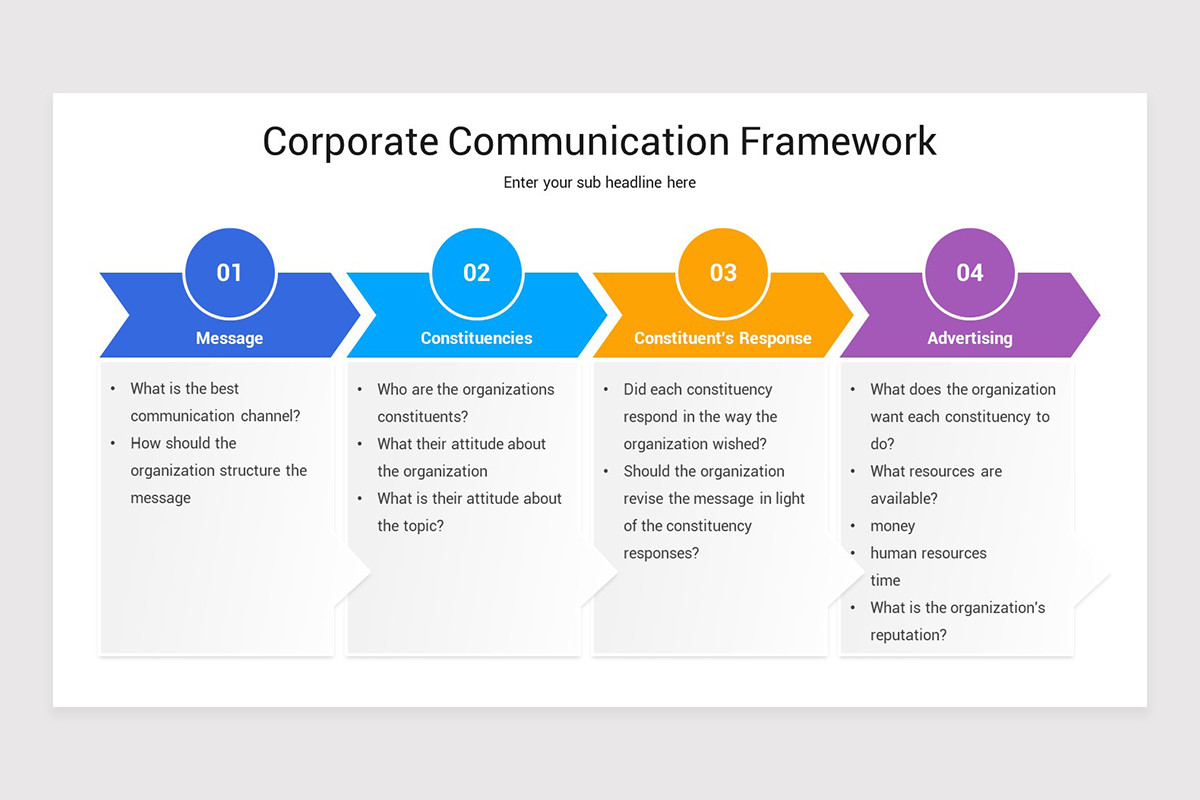
In the dynamic landscape of the business world, communication is the cornerstone of success for any corporation. Establishing robust corporate communication strategies is paramount for fostering collaboration, enhancing productivity, and maintaining a positive corporate culture. This article delves into the significance of effective corporate communication and explores key strategies that organizations can employ to ensure seamless communication within their ranks.
The Foundation of Clear Communication
Clear communication is the bedrock upon which successful organizations are built. It is essential to articulate ideas, goals, and expectations in a manner that is easily understandable by all stakeholders. Whether it’s conveying company values to employees or sharing financial updates with investors, clarity is key. Ambiguity can lead to confusion and misunderstandings, hindering the overall progress of the organization.
Internal Communication: Bridging Gaps within the Organization
Internal communication serves as the lifeblood of any corporation. It encompasses the exchange of information among employees, management, and various departments within the organization. Regular updates, transparent channels, and an open-door policy contribute to a healthy internal communication environment. This helps in aligning everyone with the company’s mission, creating a sense of unity, and fostering a collaborative work culture.
External Communication: Building a Positive Corporate Image
While internal communication is crucial, the way a company communicates externally is equally important. External communication involves interacting with clients, customers, investors, and the public. Crafting a positive corporate image requires consistent and effective messaging across various platforms. From press releases to social media updates, maintaining a coherent external communication strategy enhances the company’s reputation and builds trust with stakeholders.
The Role of Technology in Modern Communication
Advancements in technology have revolutionized the way corporations communicate. The integration of communication tools, such as video conferencing, instant messaging, and collaboration platforms, has made it easier for teams to connect, irrespective of geographical locations. Embracing these technological solutions not only facilitates smoother communication but also boosts efficiency and productivity within the organization.
Crisis Communication: Navigating Turbulent Waters
No corporation is immune to crises. Whether it’s a public relations issue, a financial setback, or a product recall, how a company communicates during challenging times is crucial. A well-thought-out crisis communication strategy helps in managing and mitigating the impact of unforeseen events. Being transparent, taking responsibility, and offering solutions are key components of effective crisis communication.
Corporate Communication Strategies: A Holistic Approach
To ensure a comprehensive understanding of corporate communication strategies, organizations must adopt a holistic approach. This involves integrating internal and external communication efforts, utilizing diverse channels, and adapting strategies to suit the ever-changing business landscape. A cohesive and well-executed communication plan contributes to the overall success and sustainability of the organization.
Continuous Improvement: Adapting to Change
In the fast-paced business world, adaptation is essential for survival. Corporate communication strategies should not be static; they need to evolve to meet the changing needs of the organization. Soliciting feedback, conducting regular assessments, and staying abreast of industry trends enable companies to make informed adjustments to their communication strategies, ensuring