
Supply Chain Optimization

What are the main pillars driving industry 4.0 forward?
Industry 4.0, often referred to as the Fourth Industrial Revolution, marks a significant shift in how we produce goods, manage supply chains, and interact with technology in the manufacturing sector. It represents a fusion of advanced production and operations techniques with smart digital technologies, reshaping global industries and fostering entirely new business models. This paradigm relies heavily on interconnected systems, real-time data analysis, and autonomous processes to create highly efficient, flexible, and customized production environments. Understanding the foundational elements that propel this revolution is crucial for businesses aiming to remain competitive and innovative in a rapidly evolving technological landscape.

Overview
- Industry 4.0 is characterized by the integration of digital technologies into industrial processes, leading to smart factories.
- The Internet of Things (IoT) forms a primary pillar, enabling real-time data collection and communication among machines and systems.
- Artificial Intelligence (AI) and Machine Learning (ML) drive automation, predictive analytics, and optimization within Industry 4.0 environments.
- Cloud Computing provides scalable infrastructure for storing and processing the vast amounts of data generated by interconnected systems.
- Robust Cybersecurity measures are essential to protect the integrity, confidentiality, and availability of data and operational technology in smart factories.
- Big Data analytics transforms raw information into actionable insights, facilitating informed decision-making and operational improvements.
- Autonomous Robotics and Additive Manufacturing (3D printing) also play significant roles in Industry 4.0, increasing production flexibility and efficiency.
Connectivity and the Internet of Things (IoT) in Industry 4.0
At the heart of Industry 4.0 lies the profound interconnectedness facilitated by the Internet of Things (IoT). This pillar involves embedding sensors, software, and other technologies into physical objects, enabling them to connect and exchange data over the internet. In an industrial context, this translates into machines, devices, and entire production lines communicating seamlessly without human intervention. IoT sensors collect vast amounts of data on everything from temperature and pressure to machine performance and inventory levels. This real-time data stream provides unprecedented visibility into operations, allowing for immediate identification of bottlenecks, predictive maintenance of equipment, and dynamic adjustments to production schedules. For instance, a sensor on a manufacturing robot can alert operators to potential malfunctions before they occur, preventing costly downtime. The ability to monitor and control industrial processes remotely, gather comprehensive operational data, and automate responses based on real-time insights is a fundamental driver making factories smarter and more efficient.
Artificial Intelligence and Machine Learning for Industry 4.0
Artificial Intelligence (AI) and Machine Learning (ML) are pivotal in making sense of the enormous datasets generated by IoT devices and other digital systems within Industry 4.0. These technologies provide the cognitive capabilities that allow smart factories to learn, adapt, and make intelligent decisions autonomously. AI algorithms can analyze complex patterns in operational data to predict equipment failures, optimize energy consumption, and fine-tune production parameters for maximum output and quality. Machine learning models, for example, can be trained on historical data to identify anomalies in product quality or predict demand fluctuations, enabling more responsive supply chains. Beyond predictive capabilities, AI also fuels advanced
Driving Prosperity: Transportation Industry’s Economic Impact
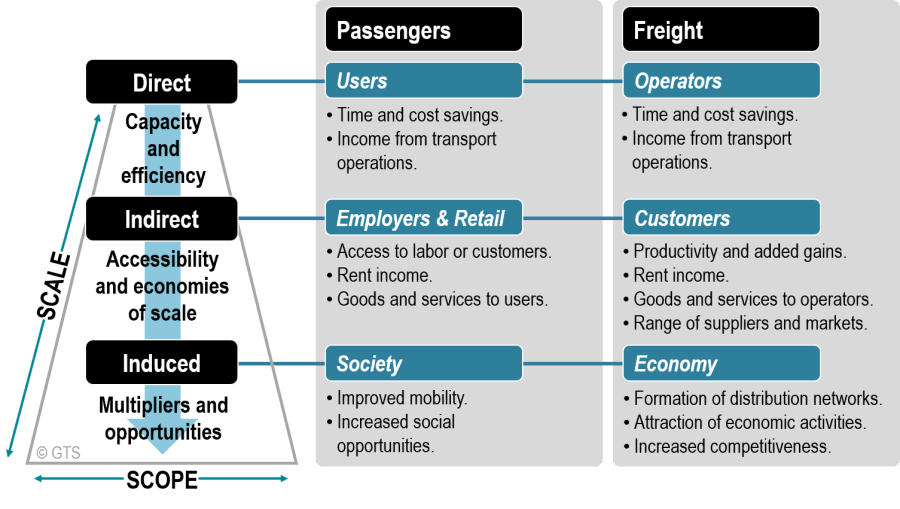
Driving Prosperity: The Interconnected Role of the Transportation Industry in Economic Growth
The transportation industry serves as a backbone for economic development, playing a pivotal role in connecting markets, facilitating trade, and driving overall prosperity. This article delves into the intricate relationship between the transportation industry and economic growth.
Foundations of Economic Connectivity
The transportation industry forms the bedrock of economic connectivity, providing the essential infrastructure that enables the movement of goods, services, and people. Efficient transportation networks are fundamental to fostering regional and global economic integration, opening avenues for trade and commerce.
Trade Facilitation and Global Markets Access
One of the primary contributions of the transportation industry to economic growth is its role in trade facilitation. Efficient transportation systems reduce the cost and time involved in moving goods, making it easier for businesses to access global markets. This connectivity encourages international trade, leading to increased economic activities and expanded opportunities for businesses.
Job Creation and Workforce Mobility
Investments in the transportation sector contribute significantly to job creation. From constructing and maintaining infrastructure to operating transportation services, the industry generates employment opportunities across various skill levels. Additionally, a well-developed transportation network enhances workforce mobility, allowing individuals to access a broader range of job opportunities.
Supply Chain Optimization and Efficiency
The transportation industry plays a critical role in supply chain optimization. Businesses rely on efficient transportation networks to streamline the movement of raw materials and finished products. Optimized supply chains contribute to cost savings, reduce lead times, and enhance overall operational efficiency, fostering a conducive environment for economic growth.
Infrastructure Development and Economic Stimulus
Investments in transportation infrastructure, such as roads, bridges, ports, and airports, have a direct impact on economic stimulus. These projects not only create immediate employment opportunities but also contribute to long-term economic growth by improving connectivity, reducing transportation costs, and attracting further investments.
Technological Advancements and Innovation
The integration of technology within the transportation industry is driving innovation and further contributing to economic growth. From the implementation of smart transportation systems to the development of electric and autonomous vehicles, technological advancements enhance efficiency, reduce environmental impact, and position the industry as a catalyst for a technologically advanced economy.
Environmental Sustainability and Green Initiatives
As the transportation industry evolves, there is a growing emphasis on environmental sustainability. Green initiatives, such as the adoption of electric vehicles and the promotion of public transportation, contribute to reducing the industry’s carbon footprint. A sustainable transportation sector aligns with global environmental goals while fostering economic growth.
Regional Development and Accessibility
Well-connected transportation networks are instrumental in promoting regional development. Areas with robust infrastructure tend to attract businesses, investments, and tourism, leading to balanced regional growth. Accessibility, facilitated by efficient transportation, opens up opportunities for previously marginalized regions to participate in economic activities.
Resilience in the Face of Challenges
The transportation industry’s resilience is evident in its ability to adapt to challenges. Whether overcoming disruptions in supply chains, addressing congestion issues, or navigating economic uncertainties, the industry’s adaptability ensures the continuity of essential