
Cloud computing

What are the main pillars driving industry 4.0 forward?
Industry 4.0, often referred to as the Fourth Industrial Revolution, marks a significant shift in how we produce goods, manage supply chains, and interact with technology in the manufacturing sector. It represents a fusion of advanced production and operations techniques with smart digital technologies, reshaping global industries and fostering entirely new business models. This paradigm relies heavily on interconnected systems, real-time data analysis, and autonomous processes to create highly efficient, flexible, and customized production environments. Understanding the foundational elements that propel this revolution is crucial for businesses aiming to remain competitive and innovative in a rapidly evolving technological landscape.

Overview
- Industry 4.0 is characterized by the integration of digital technologies into industrial processes, leading to smart factories.
- The Internet of Things (IoT) forms a primary pillar, enabling real-time data collection and communication among machines and systems.
- Artificial Intelligence (AI) and Machine Learning (ML) drive automation, predictive analytics, and optimization within Industry 4.0 environments.
- Cloud Computing provides scalable infrastructure for storing and processing the vast amounts of data generated by interconnected systems.
- Robust Cybersecurity measures are essential to protect the integrity, confidentiality, and availability of data and operational technology in smart factories.
- Big Data analytics transforms raw information into actionable insights, facilitating informed decision-making and operational improvements.
- Autonomous Robotics and Additive Manufacturing (3D printing) also play significant roles in Industry 4.0, increasing production flexibility and efficiency.
Connectivity and the Internet of Things (IoT) in Industry 4.0
At the heart of Industry 4.0 lies the profound interconnectedness facilitated by the Internet of Things (IoT). This pillar involves embedding sensors, software, and other technologies into physical objects, enabling them to connect and exchange data over the internet. In an industrial context, this translates into machines, devices, and entire production lines communicating seamlessly without human intervention. IoT sensors collect vast amounts of data on everything from temperature and pressure to machine performance and inventory levels. This real-time data stream provides unprecedented visibility into operations, allowing for immediate identification of bottlenecks, predictive maintenance of equipment, and dynamic adjustments to production schedules. For instance, a sensor on a manufacturing robot can alert operators to potential malfunctions before they occur, preventing costly downtime. The ability to monitor and control industrial processes remotely, gather comprehensive operational data, and automate responses based on real-time insights is a fundamental driver making factories smarter and more efficient.
Artificial Intelligence and Machine Learning for Industry 4.0
Artificial Intelligence (AI) and Machine Learning (ML) are pivotal in making sense of the enormous datasets generated by IoT devices and other digital systems within Industry 4.0. These technologies provide the cognitive capabilities that allow smart factories to learn, adapt, and make intelligent decisions autonomously. AI algorithms can analyze complex patterns in operational data to predict equipment failures, optimize energy consumption, and fine-tune production parameters for maximum output and quality. Machine learning models, for example, can be trained on historical data to identify anomalies in product quality or predict demand fluctuations, enabling more responsive supply chains. Beyond predictive capabilities, AI also fuels advanced

Which cloud storage solutions offer the best data security?
In today’s digital landscape, entrusting personal or business data to third-party services like cloud storage has become commonplace. While convenience and accessibility are significant advantages, the paramount concern for many users remains data security. Understanding which cloud storage solutions genuinely offer the best protection requires looking beyond marketing claims and delving into technical safeguards, operational policies, and adherence to industry standards. The decision often hinges on a blend of robust encryption, strict access controls, and transparent compliance frameworks.

Overview
- Data security in cloud storage is paramount, focusing on protecting information from unauthorized access, loss, or corruption.
- Strong encryption, both in transit and at rest, is a foundational security measure offered by top cloud storage solutions.
- Multi-factor authentication (MFA) and granular access controls are essential for preventing unauthorized user access.
- Compliance with industry standards like GDPR, HIPAA, and ISO 27001 signals a provider’s commitment to data protection.
- Leading providers like Google Cloud Storage, Microsoft Azure, Amazon S3, and Sync.com offer varied security features suitable for different needs.
- Regular security audits, robust infrastructure, and transparent privacy policies are key indicators of a secure service.
- User practices, such as strong passwords and understanding data sharing settings, also play a critical role in overall security.
Evaluating Encryption and Access Controls in Cloud Storage Solutions
The bedrock of any secure cloud storage solution lies in its encryption protocols and how it manages user access. Encryption protects your data by scrambling it into an unreadable format, ensuring that even if an unauthorized party gains access, the information remains unintelligible. The best cloud storage solutions employ end-to-end encryption, meaning your data is encrypted on your device before it even leaves for the cloud, and only decrypted when it reaches the intended recipient. This significantly minimizes vulnerabilities during transit. Furthermore, data at rest—when stored on servers—should also be encrypted, often using strong AES-256 bit encryption.
Beyond encryption, stringent access controls are vital. This includes features like multi-factor authentication (MFA), which requires more than just a password to log in, adding a crucial layer of security. Granular permission settings allow users to dictate precisely who can view, edit, or share specific files, preventing accidental or malicious oversharing. Monitoring and auditing capabilities, which track who accesses what and when, provide transparency and help identify suspicious activities. Without these fundamental security layers, even the most reputable provider could expose users to risk.
Compliance Standards and Certifications for Secure Cloud Storage Solutions
A strong indicator of a cloud storage provider’s commitment to security is its adherence to internationally recognized compliance standards and certifications. These frameworks provide a blueprint for data protection, privacy, and risk management. For instance, providers serving the healthcare industry must often comply with HIPAA in the US, safeguarding protected health information. Similarly, companies operating globally frequently seek compliance with GDPR (General Data Protection Regulation) to protect the personal data of European Union citizens.
Other critical certifications include ISO 27001, an international standard for information security management systems, and SOC 2 Type 2, which assures that a service organization securely
Cloud Computing Unleashed: Empowering Business Agility

Introduction:
In the era of digital transformation, cloud computing has become a cornerstone for businesses seeking agility, scalability, and efficiency. This article explores the transformative power of cloud computing, its impact on business operations, and how organizations can harness this technology to drive innovation and achieve competitive advantages.
Cloud Computing for Businesses Link:
Discover the potential of Cloud Computing for Businesses here. Explore how businesses can leverage the cloud for enhanced agility and innovation.
Enhancing Business Agility:
Cloud computing enables businesses to embrace agility by providing on-demand access to computing resources. This flexibility allows organizations to scale their infrastructure up or down based on demand, fostering agility in responding to market changes and seizing new opportunities.
Scalability for Growing Needs:
One of the key benefits of cloud computing is its inherent scalability. As businesses grow, their computing needs evolve. Cloud services offer the ability to scale resources effortlessly, ensuring that businesses can meet increased demands without the need for substantial upfront investments in hardware.
Cost-Efficiency and Resource Optimization:
Cloud computing introduces a cost-efficient paradigm, replacing traditional capital-intensive IT infrastructure with a pay-as-you-go model. This not only reduces upfront costs but also allows businesses to optimize their resources by paying only for the services they consume.
Global Accessibility and Collaboration:
The cloud breaks down geographical barriers, enabling global accessibility and collaboration. With data and applications stored in the cloud, teams can collaborate seamlessly from different locations, enhancing productivity and fostering innovation through diverse perspectives.
Data Security and Compliance:
Cloud service providers invest heavily in security measures, often surpassing what individual businesses can implement. These providers adhere to strict compliance standards, ensuring that businesses can store and process sensitive data securely while meeting regulatory requirements.
Innovation Through Cloud Services:
Cloud computing is a catalyst for innovation. Businesses can leverage a plethora of cloud services, including machine learning, artificial intelligence, and big data analytics, to gain insights, automate processes, and drive innovation across various industries.
Disaster Recovery and Business Continuity:
Cloud computing acts as a robust disaster recovery solution. With data stored in the cloud, businesses can swiftly recover from data loss or system failures. This ensures business continuity, reduces downtime, and safeguards critical operations.
Adopting a Hybrid Cloud Approach:
Many businesses adopt a hybrid cloud approach, combining public and private cloud solutions to meet their specific needs. This flexibility allows organizations to balance the benefits of public cloud scalability with the security and control of a private cloud for sensitive operations.
Challenges and Mitigation Strategies:
While the benefits of cloud computing are significant, businesses must address challenges such as data privacy concerns, vendor lock-in, and potential disruptions. Implementing robust risk management and mitigation strategies ensures a smooth transition to the cloud while safeguarding against potential pitfalls.
Future Trends and Continuous Evolution:
Cloud computing is a dynamic field, and its evolution continues. As businesses embark on their cloud journey, staying informed about emerging trends, such as edge computing and serverless architectures, allows them to remain at the forefront of technological advancements.
Conclusion:
Evolving Enterprises: Digital Transformation Dynamics
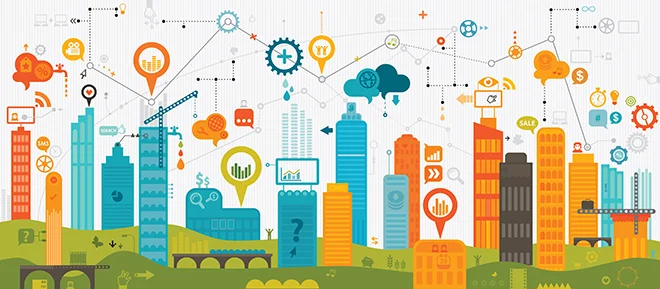
Evolving Enterprises: Digital Transformation Dynamics
In the fast-paced landscape of modern business, digital transformation has become a defining force, reshaping the way companies operate and engage with their stakeholders. This article delves into the dynamics of digital transformation, exploring its impact on businesses and the key trends driving this evolution.
Defining Digital Transformation in Businesses
Digital transformation is more than a technological upgrade; it’s a comprehensive overhaul of business processes, models, and organizational culture. It involves leveraging digital technologies to enhance operations, improve customer experiences, and stay competitive in an increasingly digital world. This shift encompasses the integration of advanced technologies like AI, IoT, cloud computing, and data analytics.
Enhancing Customer Experiences through Digital Innovation
One of the primary drivers of digital transformation is the quest to enhance customer experiences. Businesses are leveraging technology to create seamless, personalized interactions. From AI-powered chatbots to data-driven insights, companies are optimizing touchpoints to meet customer expectations and build lasting relationships. The customer-centric approach is at the core of successful digital transformation initiatives.
Embracing Cloud Computing for Agility and Efficiency
Cloud computing is a linchpin of digital transformation, offering businesses unprecedented agility and efficiency. It enables scalable and flexible solutions, allowing companies to adapt to changing demands without significant infrastructure investments. Cloud services facilitate collaboration, streamline processes, and provide the foundation for innovative business models.
Data Analytics: Driving Informed Decision-Making
In the digital era, data is a goldmine of insights. Businesses are harnessing the power of data analytics to make informed decisions, identify trends, and predict future scenarios. Whether optimizing supply chains, refining marketing strategies, or improving operational efficiency, data analytics is a transformative force shaping the decision-making processes of businesses.
Internet of Things (IoT) Revolutionizing Operations
The Internet of Things (IoT) is ushering in a new era of connectivity. From smart manufacturing to predictive maintenance, IoT devices are providing real-time data that enhances operational efficiency. Businesses are incorporating IoT to monitor assets, optimize processes, and deliver innovative products and services that cater to evolving market demands.
Artificial Intelligence (AI) for Intelligent Automation
Artificial Intelligence is a cornerstone of digital transformation, enabling intelligent automation across various business functions. From automating routine tasks to powering advanced analytics and machine learning applications, AI enhances efficiency and allows employees to focus on higher-value tasks. Businesses that embrace AI gain a competitive edge in innovation and operational excellence.
Cybersecurity: A Paramount Concern in Digital Evolution
As businesses digitize their operations, cybersecurity becomes a critical aspect of digital transformation. The increasing reliance on interconnected technologies makes organizations more susceptible to cyber threats. Implementing robust cybersecurity measures is imperative to safeguard sensitive data, maintain customer trust, and ensure the integrity of digital transformation initiatives.
Agile Work Environments and Remote Collaboration
Digital transformation is reshaping how work gets done. Agile work environments, supported by collaboration tools and communication platforms, have become the norm. The shift towards remote work has been accelerated, necessitating digital solutions for seamless collaboration. Businesses are investing in technologies that facilitate remote work while maintaining productivity and employee
Tech Business Developments: Navigating the Digital Frontier

Introduction:
In the ever-evolving landscape of technology, businesses find themselves navigating a dynamic digital frontier. This article explores the latest trends and transformative shifts in tech business developments, shedding light on the innovations shaping industries and redefining the future.
Digital Transformation: The Core of Tech Business Evolution:
At the heart of contemporary tech business developments is the concept of digital transformation. Companies across diverse sectors are leveraging advanced technologies to revamp their operations, enhance customer experiences, and stay competitive in an increasingly digital world.
Artificial Intelligence (AI) Integration: Shaping Smart Business Strategies:
AI continues to be a driving force in tech business developments. From predictive analytics to machine learning algorithms, businesses are integrating AI into their operations to gain insights, automate processes, and make data-driven decisions. The result is smarter, more efficient business strategies.
5G Revolution: Accelerating Connectivity and Innovation:
The rollout of 5G technology marks a significant milestone in tech business developments. With faster and more reliable connectivity, businesses are exploring new possibilities, from enhanced mobile experiences to the Internet of Things (IoT). The 5G revolution is reshaping how businesses operate and deliver services.
Cybersecurity Imperative: Safeguarding the Digital Landscape:
As technology advances, the importance of cybersecurity becomes paramount. Tech business developments include robust measures to safeguard digital assets and customer data. From encryption protocols to advanced threat detection systems, businesses are investing in cybersecurity to build trust and resilience.
E-commerce Innovations: Redefining Online Retail Experiences:
The intersection of technology and commerce is undergoing a revolution. E-commerce innovations are transforming the way businesses sell and consumers shop. From augmented reality in product visualization to personalized shopping experiences, tech developments are reshaping the online retail landscape.
Cloud Computing: Flexible Infrastructures for Scalable Growth:
Cloud computing remains a cornerstone of tech business developments. The flexibility and scalability offered by cloud solutions empower businesses to adapt to changing demands. From data storage to software as a service (SaaS), the cloud is a catalyst for innovation and efficient resource utilization.
Blockchain Applications: Beyond Cryptocurrencies:
While often associated with cryptocurrencies, blockchain technology extends far beyond. In tech business developments, blockchain finds applications in secure supply chain management, transparent financial transactions, and even the verification of digital identities. The decentralized nature of blockchain brings trust and transparency to various business processes.
Augmented Reality (AR) and Virtual Reality (VR): Immersive Experiences Take Center Stage:
AR and VR technologies are elevating user experiences across industries. From virtual product try-ons in retail to immersive training simulations in healthcare, these tech developments are creating new dimensions of interaction. Businesses are leveraging AR and VR to engage audiences in innovative and impactful ways.
Edge Computing: Enhancing Speed and Efficiency:
As data processing needs grow, edge computing emerges as a critical tech development. By bringing computation closer to the source of data, businesses enhance speed and reduce latency. This is particularly crucial for applications requiring real-time processing, such as IoT devices and autonomous systems.
Exploring the Tech Business Landscape:
For a comprehensive exploration of the latest tech business developments and their