
down payment

What are the best property buying tips for beginners?
Embarking on the journey to buy your first property can feel overwhelming, filled with unfamiliar terms, complex processes, and significant financial decisions. For beginners, understanding where to start and what steps to take is crucial for a successful and stress-free experience. This article provides straightforward property buying tips designed to equip you with the knowledge needed to make informed choices and secure your dream home, whether you’re looking in a bustling city or a quiet suburb in the US.

Overview
- Securing mortgage pre-approval is the first step to knowing your affordable price range.
- Saving adequately for a down payment, closing costs, and an emergency fund is critical.
- Engaging a reputable real estate agent provides valuable market insight and negotiation help.
- Distinguish between “must-haves” and “nice-to-haves” when searching for properties.
- Understand the offer process, including earnest money and contingencies, to protect your interests.
- Always arrange for a professional home inspection to identify potential issues before purchase.
- Be ready for the closing process, which involves legal paperwork, final walk-throughs, and significant fees.
Financial Preparation: Essential Property Buying Tips
One of the most vital property buying tips for beginners centers around financial readiness. Before you even start looking at homes, it’s imperative to get your finances in order. The first step is to get pre-approved for a mortgage. This isn’t just an estimate; it’s a conditional commitment from a lender stating how much they are willing to lend you, based on an assessment of your income, debt, and credit history. Pre-approval clarifies your budget, allowing you to focus on properties you can genuinely afford. It also shows sellers you are a serious and qualified buyer, which can be an advantage in a competitive market.
Beyond pre-approval, focus on saving for a down payment. While some loans allow for low or even no down payment, a larger down payment can lead to lower monthly mortgage payments and less interest paid over the life of the loan. Aim for at least 20% to avoid Private Mortgage Insurance (PMI), an additional monthly cost. Don’t forget about closing costs, which typically range from 2% to 5% of the loan amount and cover fees for appraisals, title insurance, legal services, and more. Having an emergency fund separate from your down payment and closing costs is also a smart move, providing a financial cushion for unexpected home repairs or job changes after you move in. Reviewing your credit score and working to improve it before applying for a mortgage can also significantly impact the interest rate you receive.
Smart Searching and Selecting: Practical Property Buying Tips
Once your finances are in order, the next set of property buying tips focuses on finding the right home. Working with a qualified and experienced real estate agent is paramount. A good agent understands the local market in the US, can identify suitable properties, arrange showings, and provide objective advice. They act as your advocate throughout the process, saving you time and potential headaches. Share your needs and wants clearly with your agent.
Your simple home buying guide for first-timers.
Buying your first home is a significant milestone, often filled with excitement and a fair bit of uncertainty. For many, it’s the largest financial decision they will make, and the process can seem overwhelming. This article aims to simplify that journey, providing clear, actionable advice to help you feel confident as you step into the world of homeownership. We’ll break down the key stages, offering practical insights specifically tailored for first-timers embarking on this adventure in the US housing market.
Overview
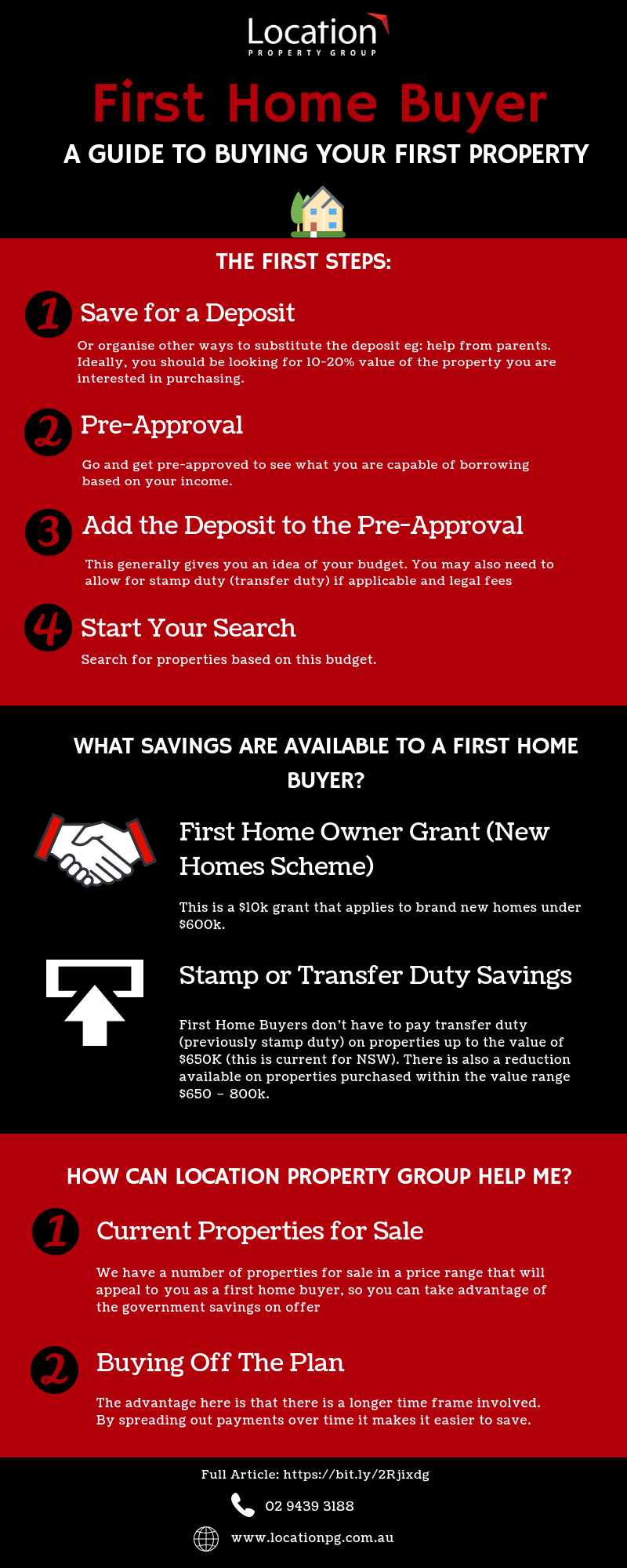
- Understand your financial readiness before starting your home search, including savings and credit score.
- Secure pre-approval for a mortgage to know your budget and show sellers you’re serious.
- Work with a qualified real estate agent who understands your needs and local market conditions.
- Be prepared to make an offer, negotiate, and understand the importance of home inspections and appraisals.
- Budget for additional costs beyond the purchase price, such as closing costs and initial maintenance.
- Learn about the final steps, including the walk-through and closing, to ensure a smooth transaction.
Making Sense of Your Finances: A Simple Home Buying Guide Step
Before you even start looking at properties, the most critical initial step in any home buying guide is to get your finances in order. This means reviewing your credit score, assessing your current savings, and understanding what you can truly afford. Lenders will look at your credit history to determine your eligibility for a mortgage and the interest rate you’ll receive. Aim for a good to excellent credit score (typically 670 or higher) by paying bills on time and keeping credit utilization low.
Next, calculate your budget. This isn’t just about the monthly mortgage payment; it includes property taxes, homeowner’s insurance (often bundled into escrow payments), and potential homeowner association (HOA) fees. Don’t forget utilities and a buffer for unexpected repairs. Once you have a clear picture, seek mortgage pre-approval. This formal statement from a lender indicates how much they are willing to lend you based on your financial information. Pre-approval clarifies your price range and makes your offers more attractive to sellers in the competitive US market. Research different loan types, such as FHA, VA, or conventional loans, to see which fits your situation best, especially if you have a lower down payment.
Finding Your Dream Home: A First-Timer’s Search
With your finances sorted and pre-approval in hand, it’s time for the fun part: finding your home. A crucial part of any simple home buying guide is enlisting the help of a reputable real estate agent. A good agent will listen to your needs, understand your preferences for neighborhoods, property types, and amenities, and help you find listings that match. They also possess valuable local market knowledge, which is essential for understanding pricing and trends.
Begin by making a list of your non-negotiables versus your “nice-to-haves.” Consider factors like commute, school districts, proximity to family or work, and future plans. View multiple homes, attend open houses, and take notes. It’s easy to forget details when seeing many properties.

Essential first-time homebuyer tips for a smooth process.
Buying your first home is a significant life event, often filled with excitement but also a good measure of uncertainty. The journey to homeownership doesn’t have to be overwhelming if you approach it with the right information and preparation. These essential first-time homebuyer tips are designed to simplify the process, helping you make informed decisions every step of the way for a smooth and rewarding experience.

Overview
- Understand your current financial health, including credit score and savings, before you begin your home search.
- Get pre-approved for a mortgage early to clearly define your budget and show sellers you are a serious buyer.
- Partner with an experienced real estate agent who understands the local market and your specific needs.
- Clearly differentiate between your essential “must-haves” and your desirable “nice-to-haves” in a home.
- Prepare for additional costs beyond the down payment, such as closing costs, inspections, and property taxes.
- Be ready for a negotiation process and understand the importance of contingencies in your offer.
- Stay organized with all your documents and be proactive in communicating with your real estate and lending teams.
Preparing Your Finances: Key First-Time Homebuyer Tips
Before you even start browsing listings, the most crucial step is to get your financial house in order. This involves understanding your credit score, saving for a down payment, and getting pre-approved for a mortgage. Your credit score significantly impacts the interest rate you’ll qualify for, so check it and work to improve it if necessary. A good score (typically 700+) can save you thousands over the life of your loan. For a down payment, while 20% is ideal to avoid private mortgage insurance (PMI), many options exist with lower down payments, such as FHA loans (as low as 3.5%), VA loans (0% for eligible veterans in the US), and USDA loans (0% for rural properties).
Work out a realistic budget that accounts for monthly mortgage payments, property taxes, homeowner’s insurance, and potential utility increases. Lenders will look at your debt-to-income (DTI) ratio, so aim to keep your total monthly debt payments below 36-43% of your gross monthly income. Finally, obtain a mortgage pre-approval, not just pre-qualification. Pre-approval means a lender has verified your financial information and is willing to lend you a specific amount. This not only gives you a clear budget but also makes your offers more attractive to sellers.
Finding Your Dream Home: Practical First-Time Homebuyer Tips
With your finances in order, the next step is to find the right property. This process begins with finding a reputable real estate agent. An agent acts as your advocate, helping you understand market trends, identify suitable properties, and negotiate on your behalf. Look for someone with strong local knowledge and a history of working with first-time buyers. Clearly communicate your needs and wants to your agent. Create a list distinguishing between “must-haves” (e.g., number of bedrooms, location near work) and “nice-to-haves” (e.g., hardwood floors, a large backyard). This helps focus your search and prevents decision fatigue.
As you view properties, try