
fintech

Digital Transformation in Banking Services
The banking industry is undergoing a profound shift, driven by rapidly evolving technology and changing customer expectations. Staying competitive means embracing change and adapting to the demands of a digital-first world. This article explores the multifaceted nature of Digital Transformation in Banking, providing insights into the key drivers, challenges, and opportunities that lie ahead. We’ll delve into specific examples of how banks are leveraging technology to create more efficient, customer-centric, and secure services.

Key Takeaways:
- Digital Transformation in Banking is crucial for survival and competitiveness in today’s market.
- Banks are adopting technologies like AI, cloud computing, and data analytics to improve customer experiences and operational efficiency.
- Security and regulatory compliance are paramount throughout the digital transformation journey.
- Successfully implementing digital transformation requires a shift in mindset and a focus on customer-centricity.
Understanding the Core of Digital Transformation in Banking
Digital Transformation in Banking isn’t just about adopting the latest gadgets; it’s a fundamental change in how banks operate and interact with their customers. It involves integrating digital technologies across all aspects of the business, from customer service and product development to risk management and compliance. This includes streamlining processes, automating tasks, and leveraging data analytics to gain deeper insights into customer behavior.
One of the primary drivers of this transformation is the evolving expectations of customers. Today’s customers expect seamless, personalized, and convenient banking experiences. They want to be able to access their accounts, make payments, and apply for loans from anywhere, at any time, using their smartphones or tablets. Banks that fail to meet these expectations risk losing customers to more digitally savvy competitors. To meet these needs, us as customers, need to be open with banks and willing to share what we want and need.
Another key driver is the rise of fintech companies, which are disrupting the traditional banking model with innovative products and services. These companies are often more agile and customer-focused than traditional banks, forcing the latter to adapt and innovate in order to compete.
The Role of Technology in Digital Transformation in Banking
Several technologies are playing a crucial role in Digital Transformation in Banking. One of the most important is cloud computing, which allows banks to store and process vast amounts of data more efficiently and cost-effectively. Cloud computing also enables banks to develop and deploy new applications more quickly and easily.
Artificial intelligence (AI) is another transformative technology that is being used to automate tasks, personalize customer interactions, and detect fraud. AI-powered chatbots can provide instant customer support, while AI algorithms can analyze vast amounts of data to identify patterns and trends that can be used to improve risk management and marketing effectiveness. The advantage of these advancements is felt across the entire business.
Data analytics is also playing a vital role in Digital Transformation in Banking. By analyzing customer data, banks can gain a deeper understanding of customer needs and preferences. This information can be used to personalize marketing campaigns, develop new products and services, and improve customer
TechRevolution: Unleashing Fintech’s Latest Advances
TechRevolution: Unleashing Fintech’s Latest Advances
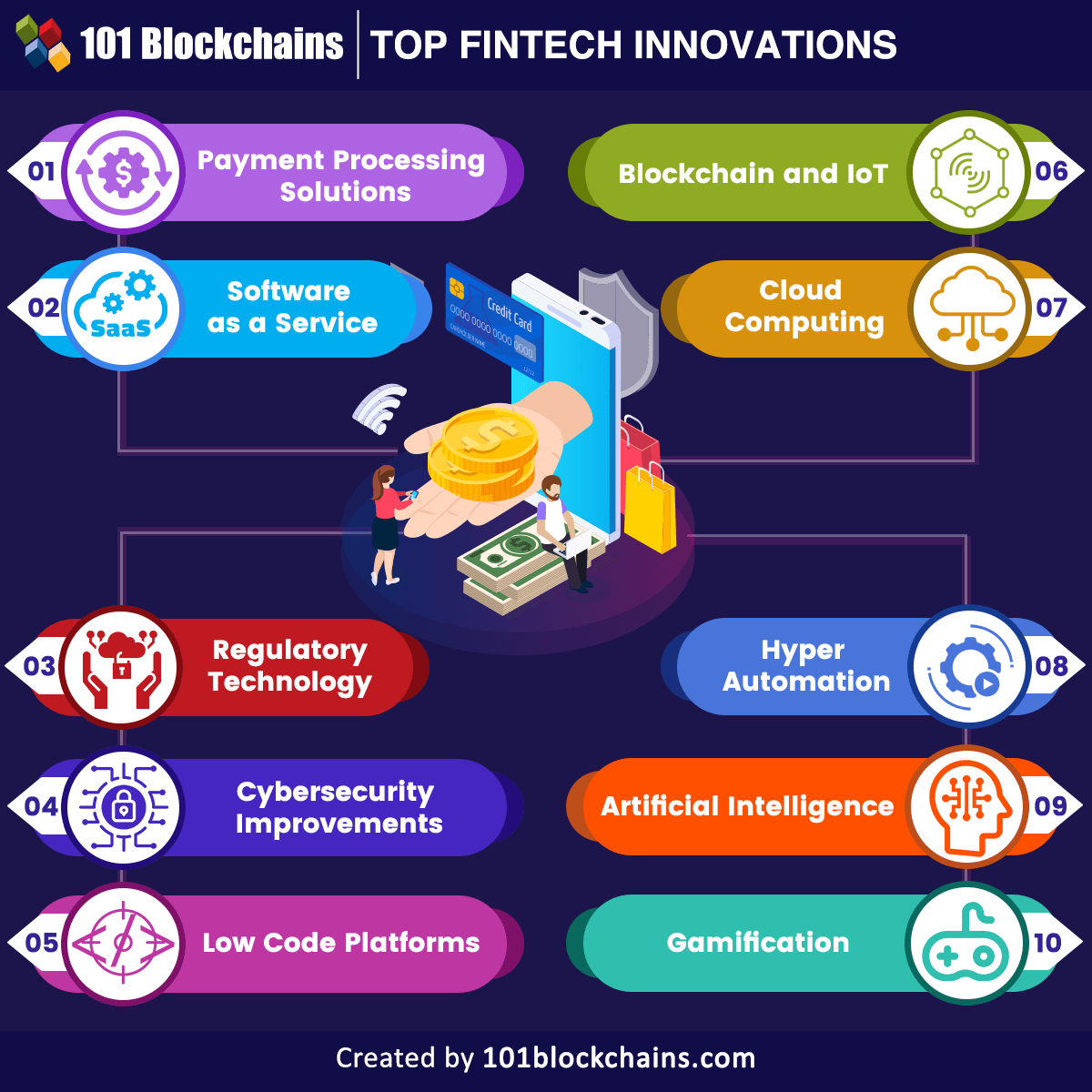
In the ever-evolving landscape of finance, Financial Technology, or Fintech, continues to spearhead revolutionary advancements. This article explores the latest trends and innovations in Fintech, examining their impact on the financial industry and showcasing how businesses can leverage these advancements for growth and efficiency.
The Rise of Fintech: A Transformative Force
Fintech has emerged as a transformative force, challenging traditional financial models and revolutionizing how financial services are delivered. The integration of technology into financial processes has led to increased efficiency, accessibility, and the democratization of financial services. From payment solutions to investment platforms, Fintech is reshaping the entire financial ecosystem.
Blockchain and Cryptocurrencies: Redefining Transactions
Blockchain technology and cryptocurrencies stand out as defining elements of Fintech innovation. Blockchain’s decentralized and secure nature revolutionizes transactions, offering transparency and trust in financial operations. Cryptocurrencies, led by Bitcoin, introduce alternative forms of value transfer, challenging conventional notions of currency and reshaping the future of financial transactions.
Digital Banking and Neobanks: Reinventing the Banking Experience
Digital banking and neobanks are redefining the banking experience for consumers. With user-friendly interfaces, streamlined processes, and reduced fees, these entities offer a convenient alternative to traditional banking. The agility of neobanks in adapting to customer needs and preferences is challenging established banks to innovate and enhance their digital offerings.
AI and Machine Learning: Enhancing Decision-Making
Artificial Intelligence (AI) and Machine Learning are integral to Fintech advancements. These technologies analyze vast datasets, identify patterns, and enhance decision-making processes. From credit scoring to fraud detection, AI-driven solutions provide accuracy, speed, and efficiency, ultimately improving the overall customer experience in financial services.
Robo-Advisors: Transforming Investment Management
Robo-advisors are automating investment management, making financial advice and portfolio management accessible to a broader audience. These automated platforms leverage algorithms to create diversified investment portfolios, optimizing returns while minimizing costs. Robo-advisors are democratizing wealth management and challenging traditional financial advisory models.
RegTech: Navigating Regulatory Challenges
As the financial industry faces increasing regulatory complexity, Regulatory Technology, or RegTech, emerges as a crucial component of Fintech. RegTech solutions leverage technology to streamline compliance processes, enhance data security, and ensure adherence to regulatory requirements. These innovations are essential for financial institutions to navigate evolving regulatory landscapes efficiently.
Fintech in Emerging Markets: Inclusive Financial Services
Fintech is making significant inroads in emerging markets, offering inclusive financial services to previously underserved populations. Mobile banking, digital wallets, and microfinance platforms empower individuals and businesses, fostering financial inclusion and contributing to economic growth in regions with limited traditional banking infrastructure.
Cybersecurity in Fintech: Safeguarding Financial Transactions
The rapid digitization of financial services brings forth new challenges related to cybersecurity. Fintech companies are investing heavily in robust cybersecurity measures to safeguard financial transactions and protect sensitive customer data. The intersection of Fintech and cybersecurity is critical for maintaining trust and ensuring the integrity of digital financial ecosystems.
Vexhibits: Showcasing Fintech Innovations
Explore how Vexhibits showcases Fintech innovations that shape the future of finance. By staying at the forefront of technological advancements, Vexhibits exemplifies how businesses can