06 Jun, 2026

3 mins read

US Economic Indicators: A Comprehensive Analysis for Informed Decision-Making

US Economic Indicators: A Comprehensive Analysis for Informed Decision-Making

US Economic Indicators: A Comprehensive Analysis for Informed Decision-Making

In today’s dynamic global landscape, staying abreast of economic indicators is crucial for individuals, businesses, and policymakers alike. These indicators serve as vital signposts, providing insights into the health and trajectory of the US economy. Let’s delve into a comprehensive analysis of key economic indicators to empower you with the knowledge needed for informed decision-making.

Gross Domestic Product (GDP): The Pulse of the Economy

At the core of economic indicators lies the Gross Domestic Product (GDP), often referred to as the heartbeat of a nation’s economy. GDP measures the total value of all goods and services produced within a country’s borders. A robust GDP indicates economic growth, while a decline may signal contraction. Regular monitoring of GDP allows us to gauge the overall health and direction of the US economy.

Unemployment Rate: Assessing Labor Market Dynamics

The unemployment rate is a critical metric that reflects the percentage of the labor force without employment. Fluctuations in this rate shed light on the job market’s strength or weakness. A decreasing unemployment rate is generally positive, signaling job creation and economic vitality. Conversely, an uptick may signify economic challenges. Understanding these nuances is essential for individuals, businesses, and policymakers shaping workforce strategies.

Consumer Price Index (CPI): Tracking Inflation Trends

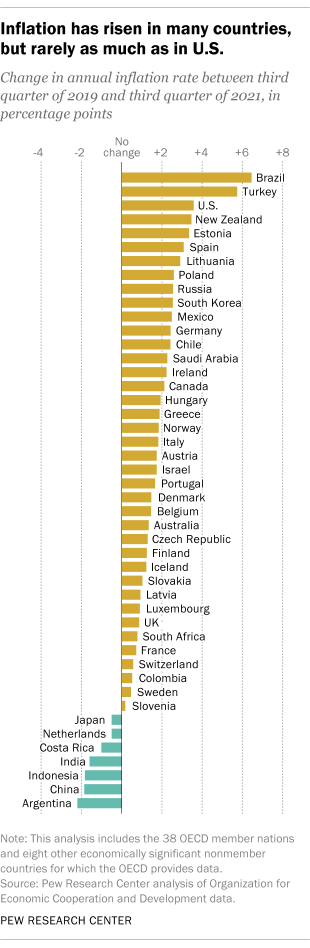
Inflation, the rise in the prices of goods and services over time, directly impacts consumers’ purchasing power. The Consumer Price Index (CPI) measures these changes, providing insights into inflationary or deflationary trends. A stable CPI is crucial for economic stability, ensuring that prices remain predictable for consumers and businesses. Monitoring CPI helps in making informed decisions regarding investments, budgeting, and monetary policy.

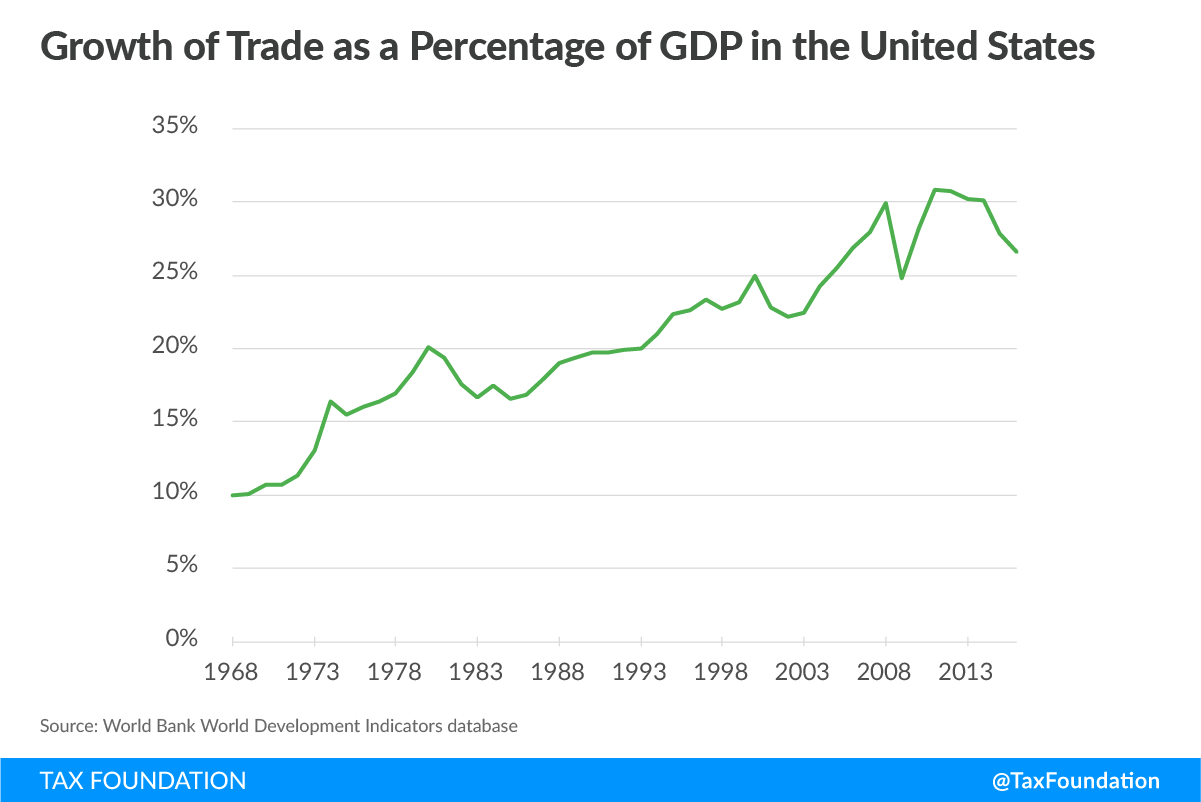
Trade Balance: Navigating Global Economic Relationships

The trade balance assesses the difference between a nation’s exports and imports. A positive balance indicates a trade surplus, while a negative balance signifies a trade deficit. Understanding the trade balance is vital in evaluating a country’s economic relationships with the rest of the world. It influences currency strength, export competitiveness, and overall economic health. Examining trade balance trends provides valuable insights for businesses engaged in international trade.

Stock Market Indicators: Investor Confidence and Market Sentiment

For investors and businesses, keeping an eye on stock market indicators is essential. Indices like the Dow Jones Industrial Average and the S&P 500 reflect market performance. They serve as barometers of investor confidence and overall market sentiment. Fluctuations in these indices can influence investment decisions, retirement savings, and corporate strategies. A close watch on stock market indicators helps navigate the complexities of financial markets.

Housing Market Indicators: Insights into Real Estate Trends

The housing market is a key sector influencing economic indicators. Metrics such as home sales, housing starts, and mortgage rates offer insights into real estate trends. A vibrant housing market stimulates economic activity, while downturns may signal economic challenges. Whether you’re a prospective homeowner, real estate investor, or policymaker, understanding housing market indicators is crucial for informed decision-making.

In conclusion, staying informed about US economic indicators is a
3 mins read

Economic Impact of Social Regulation Changes

Economic Impact of Social Regulation Changes

Introduction:
In recent times, societies have witnessed a profound transformation in social regulations, prompting a ripple effect on the economic landscape. These changes, born out of evolving societal norms and governmental policies, carry substantial economic consequences that merit exploration.

Shifts in Employment Dynamics:
One of the primary facets of the economic impact revolves around alterations in employment dynamics. As social regulations adapt, businesses must reassess their workforce structures. These shifts can influence job creation, job security, and overall labor market stability.

Entrepreneurial Landscape:
Changes in social regulations often mold the entrepreneurial landscape. New regulations may either foster innovation or pose challenges to emerging businesses. Understanding the interplay between social regulations and entrepreneurship is crucial for predicting economic trends.

Consumer Behavior and Market Trends:
Social regulations shape consumer behavior by influencing their preferences and values. This, in turn, has a direct impact on market trends. Businesses must stay attuned to these shifts to align their strategies with evolving consumer demands.

Government Expenditure and Social Welfare Programs:
As social regulations evolve, so does government expenditure. Changes in policies related to social welfare programs can significantly affect the allocation of public funds. Understanding these changes is essential for evaluating the broader economic impact on society.

Technological Advancements and Regulatory Compliance:
The nexus between technological advancements and regulatory compliance is pivotal. Innovations may be driven by the need to adhere to new social regulations, presenting opportunities for growth in certain sectors. Conversely, industries lagging behind in compliance may face economic challenges.

Global Economic Integration:
Social regulations are not confined to national boundaries; they contribute to the broader trend of global economic integration. Understanding the global implications of these changes is imperative for businesses engaged in international trade.

Investor Confidence and Market Volatility:
Fluctuations in social regulations can impact investor confidence and market volatility. Investors keenly observe regulatory changes, as they can signal economic shifts. A transparent regulatory environment often enhances investor confidence and contributes to a more stable market.

Environmental Sustainability and Corporate Responsibility:
Modern social regulations increasingly emphasize environmental sustainability and corporate responsibility. Businesses aligning with these values may experience economic benefits through enhanced brand reputation and consumer loyalty.

Linking Economic Impact to Social Responsibility:
Recognizing the symbiotic relationship between economic impact and social responsibility is crucial. Businesses that embrace social responsibility initiatives tend to fare better in the long run. For a deeper understanding of this interplay, explore the Economic impact of changes in social regulations at teal-barracuda-926250.hostingersite.com.

Conclusion:
In conclusion, the economic impact of changes in social regulations is multifaceted, influencing employment, entrepreneurship, consumer behavior, government expenditure, technology, global integration, investor confidence, and corporate responsibility. Navigating these dynamics requires a proactive approach from businesses and policymakers alike. As societal norms continue to evolve, understanding and adapting to the economic consequences of social regulatory changes will be integral to sustained growth and development.

3 mins read

Navigating US Economic Impact: Trade Agreements Unveiled

Navigating US Economic Impact: Trade Agreements Unveiled

Navigating US Economic Impact: Trade Agreements Unveiled

Trade agreements play a pivotal role in shaping the economic landscape of the United States, influencing industries, job markets, and overall economic health. In this exploration, we unveil the intricate dynamics of trade agreements affecting the US economy.

The Cornerstone of Global Trade Relations

Trade agreements serve as the cornerstone of global trade relations, and the United States actively engages in negotiations to secure favorable terms with its key trading partners. These agreements define the rules and conditions under which goods and services are exchanged, impacting the competitiveness of American businesses in the international market.

Job Markets and Industry Impact

One of the most direct consequences of trade agreements is their impact on job markets and industries within the United States. Depending on the terms negotiated, certain industries may experience growth due to increased exports, while others may face challenges from heightened international competition. Understanding these dynamics is crucial for policymakers and businesses alike.

Bilateral vs. Multilateral Agreements

The nature of trade agreements can vary, ranging from bilateral agreements between two nations to more complex multilateral agreements involving multiple countries. Bilateral agreements offer a targeted approach, addressing specific issues between two trading partners. Multilateral agreements, on the other hand, involve a broader scope, impacting a network of nations and fostering interconnected global trade.

Impact on Small and Large Businesses

Trade agreements have different implications for small and large businesses within the United States. While large corporations may have the resources to navigate complex international trade regulations, small and medium-sized enterprises (SMEs) may face challenges. Trade agreements that support SMEs can contribute to a more inclusive and dynamic economic landscape.

Tariffs, Duties, and Market Access

Key components of trade agreements include negotiations on tariffs, duties, and market access. The reduction or elimination of tariffs promotes the free flow of goods and services, fostering economic growth. Ensuring favorable market access for American products abroad is equally essential, enabling businesses to reach new consumers and expand their global footprint.

Strategic Alliances and Geopolitical Considerations

Trade agreements are not merely economic instruments; they also carry significant geopolitical implications. Forming strategic alliances through trade can strengthen diplomatic ties and influence geopolitical dynamics. Understanding the interconnectedness of economic and geopolitical considerations is crucial for policymakers as they navigate complex international relations.

Trade Agreements and Regulatory Harmonization

Harmonizing regulatory frameworks is a key aspect of modern trade agreements. Aligning standards and regulations facilitates smoother trade flows, reduces barriers, and enhances overall efficiency. For the United States, participating in agreements that promote regulatory coherence ensures that American businesses can compete on a level playing field globally.
Challenges and Controversies

Trade agreements are not without challenges and controversies. Debates often arise over issues such as job displacement, environmental standards, and the protection of intellectual property. Balancing the interests of various stakeholders and addressing concerns is a delicate process that requires a nuanced approach to negotiations.
Digital Trade and Emerging Trends

As the world becomes increasingly digital, trade agreements are adapting to address

3 mins read

Elevating Business Success Through Employee Engagement

Elevating Business Success Through Employee Engagement

Elevating Business Success Through Employee Engagement

Employee engagement is not merely an HR buzzword; it is a transformative force that can significantly impact the success and sustainability of businesses. By fostering a culture of engagement, companies empower their workforce, enhance productivity, and create an environment conducive to innovation and growth.

Understanding the Essence of Employee Engagement

Employee engagement goes beyond job satisfaction. It is a holistic approach that encompasses an employee’s emotional commitment, passion for their work, and alignment with the company’s values and goals. Engaged employees are not just content; they are motivated, dedicated, and actively contribute to the success of the organization.

Building a Positive Workplace Culture

A positive workplace culture is the bedrock of employee engagement. Companies need to cultivate an environment where employees feel valued, respected, and included. Open communication, transparency, and a sense of belonging contribute to a positive culture that, in turn, fuels engagement.

Effective Communication: A Cornerstone of Engagement

Communication is a two-way street, and fostering engagement requires transparent and effective communication channels. From sharing company goals to providing regular feedback and recognition, communication builds trust and keeps employees informed and motivated.

Recognition and Appreciation Fueling Engagement

Employees crave recognition for their contributions. Recognizing and appreciating achievements, big or small, instills a sense of pride and motivates employees to continue putting in their best effort. Acknowledgment is a powerful tool in creating a culture of appreciation and engagement.

Empowering Employees Through Professional Development

Investing in professional development opportunities demonstrates a commitment to employees’ growth. Whether through training programs, mentorship initiatives, or educational support, empowering employees with tools for career advancement fosters a sense of loyalty and engagement.

Flexible Work Arrangements for Work-Life Balance

Work-life balance is a significant factor in employee satisfaction and engagement. Offering flexible work arrangements, such as remote work options or flexible hours, shows an understanding of employees’ diverse needs and contributes to a healthier work-life equilibrium.

Creating Opportunities for Employee Input and Feedback

Engaged employees want to feel that their opinions matter. Creating channels for employee input and feedback not only provides valuable insights but also makes employees feel valued and involved in the decision-making process. This participatory approach fosters a sense of ownership and commitment.

Social Connectivity and Team Building

A sense of belonging is crucial for engagement, especially in larger organizations. Social activities and team-building exercises create opportunities for employees to connect on a personal level, fostering a supportive and collaborative work environment.

Leadership’s Role in Nurturing Engagement

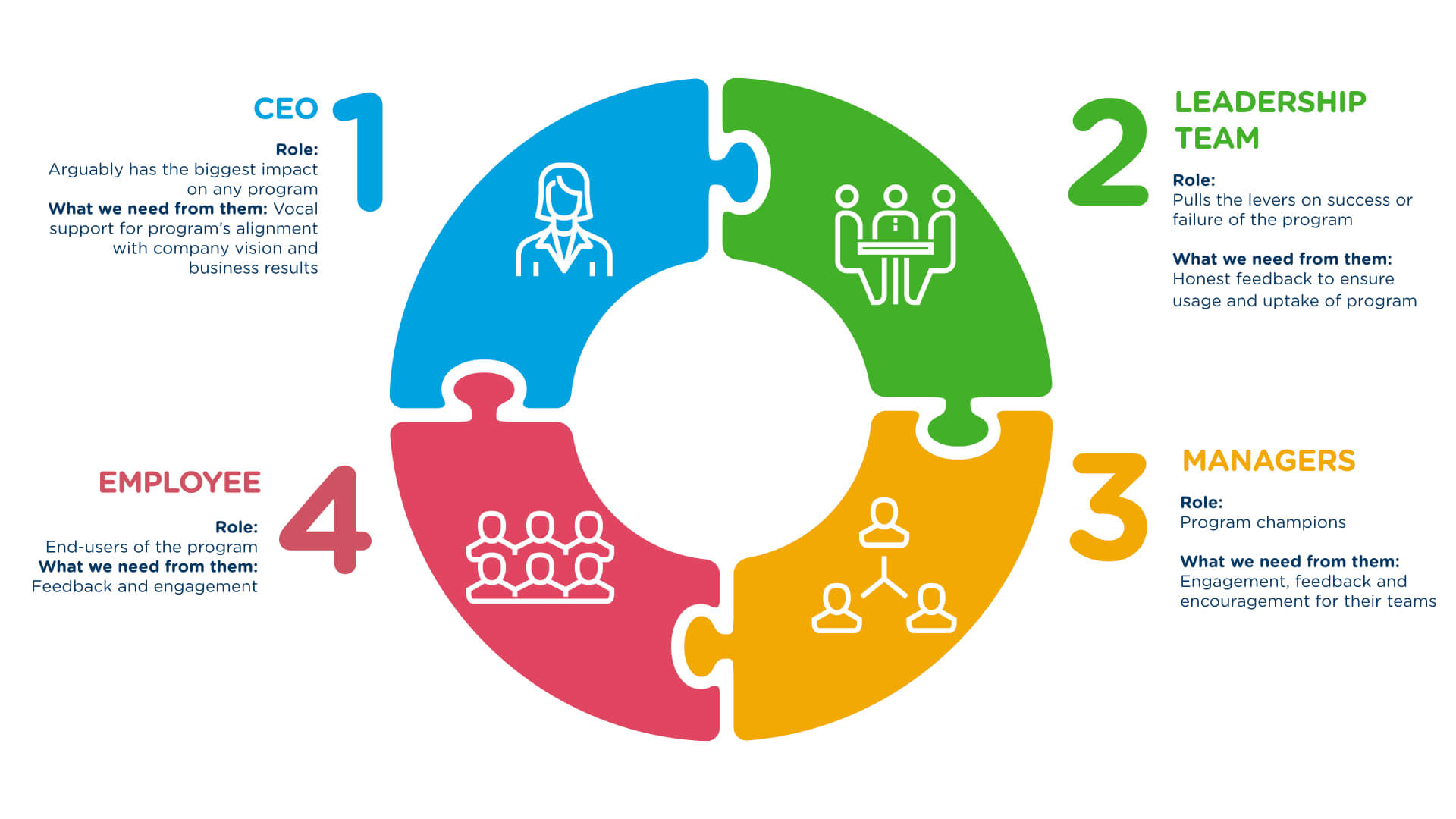
Leadership plays a pivotal role in shaping the engagement landscape. Leaders should exemplify the values of the organization, communicate a compelling vision, and actively support and recognize their teams. When leadership prioritizes and champions engagement, it permeates throughout the entire organization.

Measuring and Adapting Engagement Strategies

Regularly measuring employee engagement allows businesses to understand the effectiveness of their strategies. Employee surveys, feedback sessions, and performance metrics provide valuable data to assess engagement levels and identify areas for improvement. Continuous adaptation of engagement strategies ensures their relevance and impact.

Elevating

3 mins read

Building Economic Resilience: Strategies for Adaptation

Building Economic Resilience: Strategies for Adaptation

Building Economic Resilience: Strategies for Adaptation

The global economic landscape is continually evolving, shaped by various challenges and disruptions. In this exploration, we delve into the concept of economic resilience and unveil strategies that businesses and economies can employ to adapt and thrive in an ever-changing environment.

Understanding Economic Resilience

Economic resilience is the capacity of a system to absorb shocks, adapt to changing circumstances, and maintain functionality. It goes beyond mere survival; it involves bouncing back from setbacks and evolving stronger in the face of challenges. Understanding the fundamentals of economic resilience is crucial for businesses and policymakers alike.

Diversification of Revenue Streams

One key strategy for economic resilience is the diversification of revenue streams. Overreliance on a single source of income can make businesses vulnerable to economic downturns or industry-specific challenges. Diversifying revenue streams involves expanding product lines, entering new markets, or exploring innovative business models to create a more robust and adaptable financial structure.

Investment in Technology and Innovation

Technological advancements are catalysts for economic resilience. Investing in technology not only enhances operational efficiency but also positions businesses to adapt to changing market demands. Embracing innovation allows companies to stay ahead of the curve, offering products and services that align with evolving consumer preferences and market trends.

Adaptable Supply Chain Management

The COVID-19 pandemic highlighted the importance of supply chain resilience. Businesses that adapt their supply chain management strategies to be more flexible and responsive can better navigate disruptions. This may involve diversifying suppliers, embracing digital technologies for real-time tracking, and maintaining strategic reserves to cushion against unforeseen events.

Focus on Sustainable Practices

Sustainability is integral to economic resilience. Adopting environmentally friendly and socially responsible practices not only contributes to a healthier planet but also enhances long-term business viability. Consumers increasingly favor sustainable businesses, making it a strategic move for economic adaptation and resilience.

Financial Planning and Risk Management

Effective financial planning and risk management are fundamental to economic resilience. Businesses and governments need to create robust financial plans that account for uncertainties. This includes managing debt responsibly, building contingency funds, and implementing risk mitigation strategies to weather economic storms.

Investment in Workforce Development

A skilled and adaptable workforce is a cornerstone of economic resilience. Investing in workforce development ensures that employees have the skills needed to navigate changes in the business landscape. This may involve providing training programs, fostering a culture of continuous learning, and prioritizing employee well-being.

Policy Frameworks and Government Support

Governments play a pivotal role in fostering economic resilience. Implementing supportive policy frameworks, offering incentives for innovation, and creating an environment conducive to business growth are crucial. Government support during challenging times, such as financial assistance programs, can provide a safety net for businesses and stimulate economic recovery.

Crisis Communication and Reputation Management

Maintaining trust and credibility is paramount for economic resilience. Effective crisis communication and reputation management strategies help businesses navigate challenging situations without significant damage to their brand. Transparent communication and proactive measures build resilience by fostering stakeholder trust.

Global Collaboration

3 mins read

Economic Resilience Amid Natural Disasters

Economic Resilience Amid Natural Disasters

Building Fortitude: Economic Resilience Amid Natural Disasters

Natural disasters pose significant challenges to economies, disrupting industries, displacing communities, and straining financial systems. This article explores the crucial concept of economic resilience in the face of natural disasters, examining strategies, policies, and community initiatives that contribute to rebuilding and fortifying economies.

Understanding the Economic Impact of Natural Disasters

Natural disasters, whether earthquakes, hurricanes, floods, or wildfires, can wreak havoc on economies. The immediate and long-term economic consequences are vast, ranging from infrastructure damage and business interruptions to the displacement of the workforce. Understanding the multifaceted impact is essential for crafting effective resilience strategies.

Infrastructure Investments for Preparedness

Investments in resilient infrastructure are foundational for mitigating the economic impact of natural disasters. Robust and adaptable infrastructure, including resilient buildings, advanced early warning systems, and efficient evacuation routes, can minimize damage and facilitate a quicker recovery. Governments and communities must prioritize such investments to enhance economic resilience.

Diversification of Industries and Economic Activities

Economic resilience involves reducing dependence on specific industries vulnerable to natural disasters. Diversification allows communities to absorb shocks more effectively. Regions overly reliant on agriculture, for instance, may explore diversifying into technology or services to ensure continued economic stability in the aftermath of a disaster.

Insurance Mechanisms for Businesses and Individuals

Insurance plays a pivotal role in economic resilience. Businesses and individuals equipped with adequate insurance coverage can recover more swiftly after a natural disaster. Governments and insurers must work collaboratively to enhance insurance mechanisms, ensuring that coverage is accessible and comprehensive, thereby safeguarding economic well-being.

Community-Based Initiatives and Social Support

Communities play a crucial role in economic resilience. Establishing community-based initiatives, such as local emergency response teams and support networks, enhances the ability of residents and businesses to withstand and recover from disasters. Social cohesion and mutual assistance contribute significantly to the resilience of local economies.

Government Policies and Fiscal Preparedness

Proactive government policies are instrumental in bolstering economic resilience. Establishing fiscal reserves, implementing effective disaster response plans, and creating incentives for private-sector resilience contribute to a nation’s ability to weather the economic impact of natural disasters. Governments must prioritize these policies to safeguard their economies.

Innovation and Technological Integration

Incorporating innovation and technology into disaster preparedness and response efforts is crucial for economic resilience. Advanced monitoring systems, data analytics, and technological solutions can enhance early warning capabilities and streamline recovery processes. Embracing these advancements strengthens the economic fabric of disaster-prone regions.

Global Cooperation and Assistance

Natural disasters often transcend borders, requiring global cooperation and assistance. International collaboration in disaster response, resource sharing, and knowledge exchange fosters economic resilience on a broader scale. Countries and organizations must unite to provide support and expertise in the face of shared challenges.

Sustainable Practices and Environmental Stewardship

Promoting sustainable practices and environmental stewardship is integral to economic resilience. Climate change exacerbates the frequency and intensity of natural disasters. Embracing sustainable practices, reducing carbon footprints, and investing in environmental conservation contribute to long-term economic resilience by mitigating the impact of climate-related events.

Linking

3 mins read

Entrepreneurship Stories: Tales of Innovation and Success

Entrepreneurship Stories: Tales of Innovation and Success

Introduction:
Entrepreneurship is a journey filled with challenges, risks, and, most importantly, inspiring stories of innovation and success. In this exploration, we delve into entrepreneurship stories that showcase the resilience, creativity, and determination of individuals who dared to turn their ideas into thriving ventures.

From Idea to Reality: The Genesis of Entrepreneurship:
Every entrepreneurship story begins with an idea—a spark of inspiration that propels individuals into action. Whether it’s solving a problem, meeting an unmet need, or introducing a groundbreaking concept, these stories highlight the transformative power of ideas and the courage to turn them into reality.

Navigating Challenges: The Grit of Entrepreneurship:
Behind every success lies a myriad of challenges. From financial hurdles to market uncertainties, entrepreneurship stories often feature individuals navigating uncharted territories with unwavering determination. These challenges become the testing grounds for the grit and resilience that define successful entrepreneurs.

Innovative Solutions: Pioneering Change in Entrepreneurship:
Entrepreneurship stories are synonymous with innovation. Successful entrepreneurs are not only problem solvers but also pioneers of change. Their ability to identify gaps in the market and introduce innovative solutions sets them apart, leading to the creation of products or services that redefine industries.

Learning from Setbacks: The Lessons of Entrepreneurship:
Setbacks are inevitable in the entrepreneurial journey. However, what distinguishes successful entrepreneurs is their capacity to learn from failures. These stories highlight the invaluable lessons that setbacks offer, shaping the entrepreneurs into more insightful and adaptable business leaders.

Building a Team: Collaboration in Entrepreneurship Stories:
Behind many entrepreneurship success stories is a cohesive and talented team. From co-founders who share a vision to employees who contribute their skills, these stories emphasize the significance of collaboration. Building a strong and motivated team is often a key factor in transforming an idea into a sustainable business.

Customer-Centric Approach: The Heart of Entrepreneurship:
Entrepreneurship stories often revolve around a customer-centric approach. Successful entrepreneurs understand the needs and desires of their target audience, shaping their products or services accordingly. This customer-focused mindset not only ensures market relevance but also cultivates loyalty and trust.

Scaling Up: Growth in Entrepreneurship Stories:
The journey of entrepreneurship involves not only starting but also scaling up. Stories of successful entrepreneurs detail how they navigated the challenges of growth, expanded their market reach, and transformed their ventures into sustainable and thriving enterprises.

Social Impact: Entrepreneurship with a Purpose:
Many entrepreneurship stories showcase ventures with a social impact. Entrepreneurs are increasingly integrating a sense of purpose into their businesses, addressing social and environmental challenges. These stories highlight how entrepreneurship can be a force for positive change beyond financial success.

Inspiration for Aspiring Entrepreneurs: Empowering the Next Generation:
Entrepreneurship stories serve as a wellspring of inspiration for aspiring entrepreneurs. By sharing the successes, challenges, and lessons learned, these stories empower the next generation of visionaries. They offer insights, encouragement, and a roadmap for those ready to embark on their entrepreneurial journey.

Exploring Entrepreneurship Stories:
For a deeper dive into inspiring entrepreneurship stories and the lessons they impart, visit teal-barracuda-926250.hostingersite.com. Uncover a

3 mins read

Economic Effects of Education Policy Shifts

Economic Effects of Education Policy Shifts

The Dynamic Landscape: Economic Effects of Changes in Education Policies

Education policies wield significant influence over a nation’s economic trajectory. This article explores the multifaceted economic effects of shifts in educational frameworks, shedding light on their implications for workforce dynamics, innovation, and overall economic prosperity.

Workforce Dynamics and Employability

Education policies shape the skills and knowledge of the workforce. Changes in these policies can have a direct impact on employability by altering the emphasis on certain subjects or skill sets. A focus on aligning education with industry needs enhances workforce capabilities, contributing to economic growth through a skilled and adaptable labor pool.

Innovation and Economic Competitiveness

Education is a cornerstone of innovation. Policies that foster a culture of creativity and critical thinking can drive technological advancements and position a nation competitively on the global stage. Investing in STEM (Science, Technology, Engineering, and Mathematics) education, for example, has the potential to spur innovation, leading to economic gains.

Investment in Research and Development

Changes in education policies often correlate with shifts in funding for research and development (R&D). Policies that prioritize and incentivize R&D within educational institutions can drive innovation and discovery. This not only enhances the quality of education but also fuels economic growth by fostering a culture of research and knowledge creation.

Entrepreneurship and Small Business Growth

A robust education system that encourages entrepreneurship can have profound economic effects. Policies supporting entrepreneurial education and providing resources for startup ecosystems contribute to small business growth. A flourishing entrepreneurial landscape adds dynamism to the economy, creating jobs and driving innovation.

Social Mobility and Economic Equality

Education policies play a pivotal role in promoting social mobility and economic equality. Accessible and inclusive education opportunities help level the playing field, enabling individuals from diverse backgrounds to contribute meaningfully to the economy. Policies aimed at reducing educational disparities can lead to a more equitable distribution of economic opportunities.

Global Talent Attraction and Retention

Nations with progressive education policies often attract and retain global talent. Policies that support international students, encourage cultural exchange, and provide pathways for skilled immigrants contribute to a diverse and skilled workforce. This, in turn, enhances a nation’s economic competitiveness on the global stage.

Adaptation to Technological Advancements

The rapid evolution of technology requires an education system that can adapt swiftly. Policies that integrate technology into education, promote digital literacy, and support ongoing learning initiatives prepare the workforce for the challenges of the digital era. Such adaptability is crucial for economic resilience in the face of technological advancements.

Costs and Economic Viability

Changes in education policies can have financial implications for both individuals and governments. Tuition fees, funding models, and student loan policies directly impact accessibility to education. Striking a balance between ensuring economic viability and providing affordable education is a complex challenge for policymakers.

Cultural Impact on Economic Productivity

Education policies also influence cultural norms and values, which, in turn, affect economic productivity. An emphasis on creativity, collaboration, and lifelong learning can contribute to a culture of continuous improvement, positively impacting

3 mins read

Workplace Diversity & Inclusion: Building a Unified Culture

Workplace Diversity & Inclusion: Building a Unified Culture

Introduction:

Workplace diversity and inclusion initiatives are integral components of fostering a vibrant and unified organizational culture. This article explores the importance of these initiatives, their impact on the workplace, and how organizations can effectively implement and champion diversity and inclusion.

Understanding Diversity and Inclusion:

Diversity and inclusion go hand in hand, encompassing differences in race, gender, age, ethnicity, religion, sexual orientation, and more. True workplace inclusion involves creating an environment where all employees feel valued, respected, and have equal opportunities to contribute and succeed.

Workplace Diversity and Inclusion Initiatives Link:

Explore the significance of Workplace Diversity and Inclusion Initiatives here. Learn how organizations can create an inclusive culture that celebrates diversity and fosters collaboration.

Benefits of Workplace Diversity:

Diverse teams bring a myriad of perspectives and ideas, driving innovation and creativity. A diverse workforce is better equipped to understand and serve a diverse customer base, leading to improved decision-making and problem-solving. Workplace diversity contributes to a positive organizational reputation and can attract top talent.

Inclusive Leadership Practices:

Leaders play a crucial role in promoting diversity and inclusion. Inclusive leadership involves fostering a culture of openness, actively seeking diverse perspectives, and ensuring equitable opportunities for all employees. Leadership sets the tone for the entire organization and influences its commitment to diversity.

Creating a Culture of Belonging:

Beyond diversity, inclusion strives to create a sense of belonging. Organizations should go beyond mere representation and work to build an inclusive culture where employees feel a genuine sense of belonging, irrespective of their background. This involves addressing biases, fostering allyship, and creating a welcoming atmosphere.

Diversity Training and Education:

Workplace diversity and inclusion initiatives often include training programs to educate employees on the importance of diversity, unconscious biases, and respectful communication. Regular training sessions contribute to building awareness and creating a culture that embraces differences.

Addressing Unconscious Bias:

Unconscious biases can influence decision-making, hiring practices, and workplace interactions. Organizations need to proactively address unconscious bias through awareness campaigns, training, and implementing inclusive hiring practices to ensure fair opportunities for all.

Employee Resource Groups:

Establishing Employee Resource Groups (ERGs) provides employees with a platform to connect, share experiences, and contribute to the organization’s diversity and inclusion goals. ERGs can focus on specific demographics or interests, fostering a sense of community within the workplace.

Flexible Work Policies:

Creating flexibility in work policies, such as remote work options and flexible hours, accommodates diverse employee needs. This inclusivity enables individuals with different lifestyles and responsibilities to thrive in the workplace, contributing to a healthier work-life balance.

Measuring and Evaluating Inclusion:

Organizations must implement metrics and evaluation methods to assess the effectiveness of diversity and inclusion initiatives. Regularly measuring the impact allows for continuous improvement, adaptation to changing needs, and ensures a commitment to creating an inclusive workplace.

Conclusion:

Workplace diversity and inclusion initiatives are not just checkboxes but essential strategies for building a thriving and united organizational culture. By embracing diversity, fostering inclusion, and implementing effective initiatives, organizations can create environments where every employee feels valued,

3 mins read

Retail Industry Updates: Navigating Market Dynamics

Retail Industry Updates: Navigating Market Dynamics

Introduction:
The retail industry, a dynamic and ever-evolving sector, is undergoing significant transformations. In this exploration, we delve into the latest retail industry updates, highlighting key trends, innovations, and strategies that are reshaping the landscape.

E-commerce Integration: A Pivotal Shift in Retail Dynamics:
One of the noteworthy retail industry updates is the continued integration of E-commerce. As online shopping becomes increasingly prevalent, retailers are leveraging digital platforms to enhance customer experiences, expand market reach, and stay competitive in a digitally-driven market.

Omnichannel Retailing: Seamlessly Connecting the Dots:
Omnichannel retailing is another crucial update in the industry. The seamless integration of online and offline channels provides customers with a cohesive shopping experience. Retailers are adopting omnichannel strategies to create a unified journey, allowing customers to transition effortlessly between online and physical stores.

Contactless Payments and Digital Wallets: Redefining Transactions:
With a focus on safety and convenience, the adoption of contactless payments and digital wallets has surged. Retail industry updates include the implementation of secure and efficient payment options, reducing physical contact during transactions and meeting the preferences of tech-savvy consumers.

Retail Technology Innovations: Enhancing In-Store Experiences:
Retailers are embracing technology innovations to enhance in-store experiences. From augmented reality mirrors for virtual try-ons to smart shelves with inventory tracking, these updates aim to captivate customers and provide them with interactive and personalized shopping encounters.

Personalization through Data Analytics: Tailoring the Retail Journey:
Data analytics plays a pivotal role in retail industry updates, enabling personalized experiences. Retailers leverage customer data to tailor recommendations, promotions, and marketing strategies. The result is a more customized retail journey that resonates with individual preferences.

Sustainability Initiatives: A Growing Focus in Retail:
Sustainability has become a central theme in retail industry updates. Consumers increasingly prioritize eco-friendly practices, and retailers are responding with sustainable sourcing, packaging, and corporate responsibility initiatives. These efforts not only align with consumer values but also contribute to long-term brand loyalty.

Pop-Up Stores and Experiential Retail: Creating Unique Encounters:
Retailers are embracing the concept of pop-up stores and experiential retail as a strategy to create unique and memorable encounters for customers. These temporary and immersive spaces serve as an avenue for product launches, brand activations, and fostering a sense of exclusivity.

Supply Chain Resilience: Navigating Global Challenges:
Recent global challenges have underscored the importance of supply chain resilience. Retail industry updates include a focus on optimizing supply chains for flexibility, visibility, and responsiveness. Retailers are adopting technologies like blockchain to enhance transparency and mitigate risks.

Subscription Services: Nurturing Customer Loyalty:
The rise of subscription services is reshaping the retail landscape. Retailers are offering subscription boxes and services, providing customers with a curated and recurring shopping experience. This not only fosters customer loyalty but also creates predictable revenue streams for businesses.

Exploring Retail Industry Updates:
For a comprehensive exploration of the latest retail industry updates and insights, visit teal-barracuda-926250.hostingersite.com. Discover curated content that delves into the trends, innovations, and strategies shaping the retail landscape, providing retailers with a roadmap for navigating these dynamic times.

Conclusion:

3 mins read

Startups USA: Nurturing Innovation and Entrepreneurship

Startups USA: Nurturing Innovation and Entrepreneurship

Introduction:
In the dynamic landscape of business and innovation, startups in the USA play a pivotal role in shaping the future. This article delves into the vibrant ecosystem of startups, exploring the factors contributing to their success and their impact on the broader entrepreneurial landscape.

The Proliferation of Innovation:
Startups in the USA are synonymous with innovation. Fueled by a spirit of entrepreneurship, these ventures constantly push the boundaries of what’s possible. From cutting-edge technology solutions to novel approaches in traditional industries, the proliferation of innovation within startups is a driving force in the evolution of the business landscape.

Tech Hubs and Entrepreneurial Hotspots:
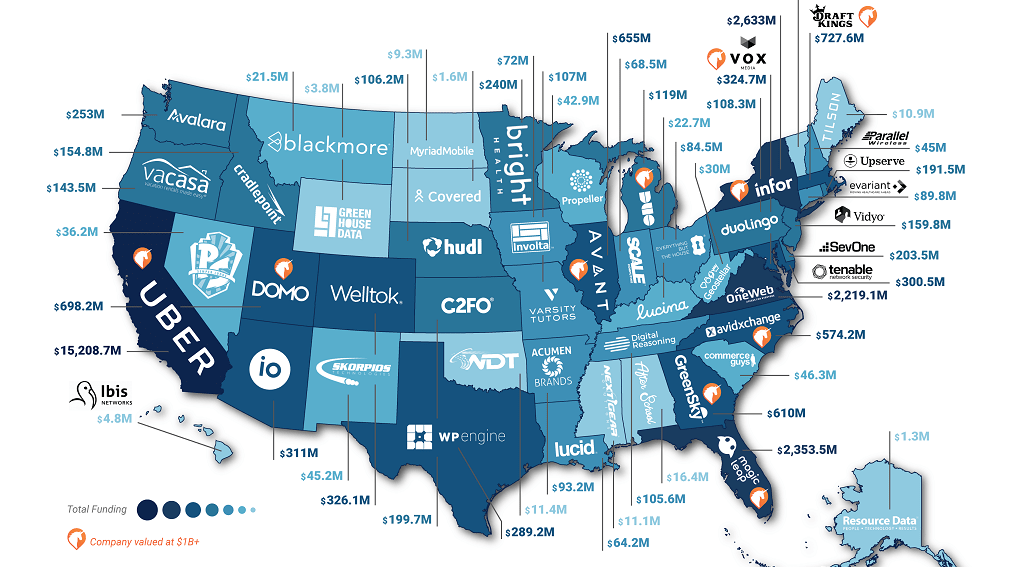
Certain cities across the USA have emerged as prominent tech hubs and entrepreneurial hotspots. Silicon Valley in California, the Boston-Cambridge area in Massachusetts, and Austin, Texas, are just a few examples. These locations foster an environment conducive to startup growth, offering access to talent, funding, and a collaborative ecosystem that propels innovation forward.

Funding Landscape and Venture Capital:
The success of startups often hinges on their ability to secure funding. The USA boasts a robust venture capital landscape, with investors actively seeking promising ventures. From angel investors to venture capitalists, startups navigate a competitive landscape to secure the funding necessary for growth and development.

Challenges and Resilience:
While startups are known for their innovation, they also face numerous challenges. From navigating regulatory landscapes to managing cash flow, the journey is not without hurdles. However, the resilience embedded in the startup culture enables these businesses to adapt, learn from setbacks, and ultimately thrive in the face of challenges.

Ecosystem Support and Incubators:
Supportive ecosystems and incubators play a crucial role in the success of startups. These entities provide resources, mentorship, and networking opportunities that empower entrepreneurs. By fostering a collaborative environment, startups can leverage the collective expertise within these ecosystems to overcome obstacles and accelerate their growth trajectory.

Diversity and Inclusion Initiatives:
Efforts to enhance diversity and inclusion within the startup ecosystem are gaining prominence. Recognizing the value of diverse perspectives, startups in the USA are actively implementing initiatives to ensure inclusivity. This not only aligns with societal values but also contributes to a more innovative and dynamic business environment.

Impact on Job Creation:
Startups are significant contributors to job creation in the USA. As these ventures expand, they generate employment opportunities, contributing to economic growth. The agility and growth potential of startups make them vital players in shaping the employment landscape and fostering a culture of entrepreneurship.

Global Reach and Market Disruption:
In an interconnected world, startups in the USA often have a global reach. Leveraging technology and innovative business models, these ventures disrupt traditional markets and create new opportunities on a global scale. The ability to scale rapidly and enter international markets is a hallmark of successful startups.

Corporate Collaboration and Partnerships:
Established corporations recognize the agility and innovation that startups bring to the table. Increasingly, there is a trend of corporate collaboration with startups through partnerships, accelerators, and strategic investments. This mutually beneficial relationship

3 mins read

Streamlining Operations: The Importance of Accounting Software in Tribal Casinos

Key Takeaways:

  • Insight into the technological advancements in tribal casino management.
  • Understanding the role of specialized software in enhancing casino operational efficiency.
  • Exploration of critical features to look for in casino accounting software.
  • Discussion on how such software fits into broader financial systems.

The Roles of Software in Casino Management

With the intricate nature of tribal casino financials, it’s essential to have a solid system for management and accountability. Enter the modern era where software not only aids in surveillance and security but also underpins the financial aspects of casino operations. Like those offered by market leaders, including Arctic IT, high-quality accounting software is the backbone of tribal casino management. These platforms, specifically designed for the unique needs of tribal gaming, have revolutionized what it means to keep a casino functioning and thriving. Ensuring transparency, compliance, and efficiency, these systems are the unsung heroes that handle the complex web of transactions with ease and agility. Management can track earnings, payouts, and expenditures with unparalleled precision through automation and real-time processing, reshaping what we expect from casino accounting practices.

Key Features of Casino Accounting Software

Key to an excellent casino accounting system are the features it provides. Imagine a system where every chip, every spin of the slots, and each deal of the cards is meticulously recorded with pinpoint accuracy. This is the level of detail that cutting-edge casino accounting platforms offer. In evaluating software options, it’s crucial to look beyond the basics and toward comprehensive functionalities: real-time financial tracking, relentless fraud detection systems, and an innate ability to break down even the most complex jackpot structures. Real-time reporting tools become invaluable in internal audits, operational reviews, and strategic planning sessions. Coupled with complete regulatory compliance modules and asset management mechanisms, these systems aren’t just about keeping the books in check but empowering tribal casinos to maximize their financial performance and security. The software’s ability to combine disparate economic data points creates a unified financial narrative that drives more brilliant and informed operational decisions.

Improving Audit and Regulatory Compliance

Casinos, particularly those operated by tribal entities, navigate a challenging regulatory environment. Diligently adhering to rules and protocols is critical, and the right casino accounting software makes this complex task more manageable. A proactive system records transactions, highlights discrepancies, flags potential issues for further review, and ensures every penny is accounted for according to the strictest standards. With dynamic software solutions, the otherwise daunting audits and regulatory compliance tasks become streamlined, taking the burden off human managers and minimizing human error. It becomes easier for tribal casinos to stay abreast of the shifting tides of legal and financial regulations, updating their processes to maintain uninterrupted compliance, ultimately safeguarding their operations against possible legal repercussions and monetary penalties.

Integration with Other Systems

In the current digital environment, the interoperability of systems within a casino’s infrastructure is not just a feature but a necessity. The pinnacle of casino accounting software lies in its robust standalone features and its ability to integrate neatly with

3 mins read

Consulting Currents: Industry Updates Unveiled

Consulting Currents: Industry Updates Unveiled

Consulting Currents: Industry Updates Unveiled

The consulting industry is in a state of constant evolution, responding to market dynamics, technological advancements, and changing client needs. Unveiling the latest updates in this dynamic sector provides insights into emerging trends, challenges, and opportunities that shape the landscape of consulting.

Technological Integration and Digital Transformation

A significant facet of consulting industry updates is the ongoing integration of technology and the push for digital transformation. Consultants are leveraging advanced analytics, artificial intelligence, and automation to enhance decision-making processes. The application of technology not only streamlines operations within consulting firms but also equips clients with innovative solutions to navigate the digital era.

Remote Consulting Practices and Virtual Collaboration

The consulting landscape has witnessed a paradigm shift with the rise of remote work. Consulting industry updates reflect the adoption of virtual collaboration tools, enabling consultants to engage with clients seamlessly regardless of geographical boundaries. This shift to remote consulting practices has prompted firms to reimagine their service delivery models and invest in technologies that facilitate effective communication.

Strategic Focus on Sustainability Consulting

Sustainability consulting has emerged as a focal point in recent industry updates. Businesses are increasingly recognizing the importance of integrating sustainability into their strategies. Consultants play a pivotal role in advising organizations on sustainable practices, environmental responsibility, and social impact. Consulting industry updates delve into the growing demand for sustainability-driven consulting services.

Data Security and Privacy Consulting

As the digital landscape expands, data security and privacy have become critical concerns for businesses. Consulting industry updates highlight the surge in demand for consultants specializing in cybersecurity, data protection, and privacy compliance. Organizations seek guidance on fortifying their digital infrastructure and ensuring compliance with evolving data protection regulations.

Resilience and Crisis Management Consulting

The global landscape has been marked by unforeseen challenges, underscoring the importance of resilience and crisis management. Consulting industry updates explore how consultants are playing a crucial role in helping organizations navigate uncertainties, build resilience, and develop crisis response strategies. The ability to adapt to unforeseen circumstances has become a key focus area in consulting practices.

Diversity, Equity, and Inclusion (DEI) Consulting

Consulting industry updates underscore the increasing emphasis on diversity, equity, and inclusion within organizations. DEI consulting has gained prominence as businesses strive to create inclusive workplaces. Consultants provide guidance on DEI strategies, training programs, and initiatives aimed at fostering a more diverse and equitable corporate culture.

Healthcare Consulting in Response to Global Events

The healthcare sector has witnessed unprecedented challenges in the wake of global events. Consulting industry updates reveal the heightened demand for healthcare consultants to address the evolving landscape. From healthcare system optimization to crisis response planning, consultants play a pivotal role in supporting healthcare organizations in times of uncertainty.

Agile Consulting Methodologies

Agile methodologies have become a hallmark of consulting practices. Consulting industry updates explore how firms are embracing agile approaches to enhance project delivery, respond to client needs promptly, and foster a culture of continuous improvement. The agility of consulting methodologies allows firms to navigate complex and

3 mins read

Empowering Workplaces: Latest Technology Trends

Empowering Workplaces: Latest Technology Trends

Empowering Workplaces: Latest Technology Trends

Workplace technology is evolving at an unprecedented pace, reshaping the dynamics of how businesses operate and employees collaborate. From innovative communication tools to cutting-edge productivity solutions, let’s delve into the latest trends shaping the modern workplace.

Collaboration in the Cloud

Cloud-based collaboration tools have become the backbone of the contemporary workplace. Applications like Microsoft Teams and Slack facilitate seamless communication and project collaboration, breaking down geographical barriers. This trend ensures that teams can collaborate in real-time, fostering efficiency and enhancing overall productivity.

Flexible Work Arrangements with Remote Tools

The rise of remote work has propelled the adoption of tools that support flexibility and connectivity. Video conferencing platforms, such as Zoom and Microsoft Teams, have become essential for virtual meetings, enabling teams to stay connected regardless of physical location. This shift towards remote-friendly technology is not just a response to recent global challenges but a long-term transformation in how work is conducted.

AI-powered Productivity Tools

Artificial Intelligence (AI) is increasingly being integrated into workplace applications, revolutionizing how tasks are executed. AI-powered tools can automate repetitive processes, analyze data to provide insights, and even assist in decision-making. This not only enhances efficiency but also frees up employees to focus on more strategic and creative aspects of their roles.

Cybersecurity Measures for Enhanced Protection

As workplaces become more digitized, the need for robust cybersecurity measures intensifies. The latest trends include advanced threat detection systems, multi-factor authentication, and employee training programs to bolster cybersecurity awareness. Safeguarding sensitive information and maintaining the integrity of digital assets are paramount in the face of evolving cyber threats.

Internet of Things (IoT) for Smarter Workspaces

The Internet of Things is transforming workplaces into smarter, more connected environments. From smart lighting and climate control systems to occupancy sensors, IoT devices optimize resource usage and enhance the overall work experience. The result is a more energy-efficient and adaptive workspace tailored to the needs of its occupants.

Augmented and Virtual Reality Integration

The integration of Augmented Reality (AR) and Virtual Reality (VR) is making waves in training, collaboration, and product development. Industries ranging from manufacturing to healthcare are leveraging AR and VR technologies to provide immersive experiences. These innovations not only enhance learning and development but also facilitate remote collaboration in a visually immersive manner.

Focus on Employee Well-being

Workplace technology trends are increasingly prioritizing employee well-being. From wellness apps and fitness trackers to mental health platforms, employers are embracing technologies that support the holistic health of their workforce. This not only boosts employee morale but also contributes to increased productivity and job satisfaction.

Automation in Administrative Tasks

Automation is streamlining administrative tasks, reducing manual workloads, and minimizing errors. Robotic Process Automation (RPA) tools are being deployed for tasks such as data entry, invoice processing, and document management. This not only accelerates processes but also allows employees to focus on more strategic and value-driven activities.

Data Analytics for Informed Decision-Making

Data analytics tools are empowering organizations to make data-driven decisions. From employee performance metrics to customer

3 mins read

Revolutionizing Industries: AI and Machine Learning Applications

Revolutionizing Industries: AI and Machine Learning Applications

Revolutionizing Industries: AI and Machine Learning Applications

Artificial Intelligence (AI) and Machine Learning (ML) are not just buzzwords but transformative technologies reshaping industries across the globe. These applications have proven to be more than futuristic concepts, actively driving innovation and efficiency in various sectors.

The Evolution of AI and Machine Learning

The journey of AI and machine learning has been marked by significant advancements. From their inception as theoretical concepts to practical applications, these technologies have evolved rapidly. Today, they are at the forefront of technological breakthroughs, fundamentally changing the way businesses operate.

Enhancing Automation and Efficiency

One of the primary contributions of AI and machine learning is the automation of processes that traditionally required human intervention. From routine tasks to complex decision-making, these technologies enable systems to learn from data, adapt, and execute tasks with precision. This not only enhances efficiency but also allows human resources to focus on more strategic and creative endeavors.

Optimizing Decision-Making with Predictive Analytics

Predictive analytics, a subset of machine learning, empowers industries to make informed decisions by forecasting future trends. By analyzing historical data, businesses can anticipate market changes, consumer behavior, and potential risks. This proactive approach provides a competitive edge and positions organizations to adapt swiftly to dynamic market conditions.

Revolutionizing Customer Experiences

AI and machine learning have revolutionized customer experiences by personalizing interactions. These technologies analyze vast amounts of customer data to understand preferences, predict needs, and tailor services accordingly. From recommendation engines to chatbots, businesses can now offer highly personalized and responsive customer experiences.

Healthcare Innovations through AI

In the healthcare sector, AI and machine learning applications are making significant strides. From diagnostic assistance to treatment optimization, these technologies are improving patient outcomes. Machine learning algorithms can analyze medical data to identify patterns, predict diseases, and even suggest personalized treatment plans.

AI in Financial Services: A Paradigm Shift

The financial services industry is experiencing a paradigm shift with the integration of AI and machine learning. These technologies are streamlining processes such as fraud detection, risk management, and customer service. Automated trading algorithms and robo-advisors are becoming commonplace, offering more efficient and data-driven financial solutions.

AI and ML in Manufacturing: Smart Production

Manufacturing is undergoing a revolution with the advent of AI and machine learning. Smart factories leverage these technologies to optimize production processes, predict equipment failures, and minimize downtime. This results in improved productivity, reduced costs, and enhanced overall efficiency.

Sustainable Agriculture with AI

In the agricultural sector, AI and machine learning are contributing to sustainable practices. From precision farming to crop monitoring, these technologies help farmers make data-driven decisions, optimize resource usage, and minimize environmental impact. This not only benefits farmers but also supports global efforts towards sustainable agriculture.

Challenges and Ethical Considerations

Despite the numerous benefits, the widespread adoption of AI and machine learning comes with challenges. Ethical considerations, biases in algorithms, and concerns about job displacement are important aspects that need careful consideration. Striking a balance between innovation and ethical use is crucial for the responsible deployment

3 mins read

Podcast Pioneers: Business Trends in Audio Broadcasting

Podcast Pioneers: Business Trends in Audio Broadcasting

Podcast Pioneers: Business Trends in Audio Broadcasting

The landscape of business communication is evolving, and podcasts have emerged as a powerful and dynamic medium for disseminating information, insights, and stories. Delving into the trends shaping business podcasts provides valuable insights into how this audio platform is influencing the corporate world.

The Rise of Business Podcasts: A Cultural Shift

Business podcasts are experiencing a notable surge in popularity, marking a cultural shift in how professionals consume information. As an on-the-go and easily accessible format, podcasts have become a preferred choice for busy individuals seeking relevant and engaging content. This shift is transforming the way businesses communicate, from internal discussions to external brand messaging.

Diverse Content Formats and Topics

One striking trend in business podcasts is the diversification of content formats and topics. Podcasts are no longer confined to traditional interview formats; they now encompass panel discussions, storytelling, expert insights, and niche-specific content. This diversity allows businesses to tailor their podcasts to their target audience and deliver content in engaging and varied ways.

Integration of Podcasts into Marketing Strategies

Businesses are increasingly recognizing the value of integrating podcasts into their marketing strategies. Podcasts provide an authentic and human touch to brand communication, allowing companies to connect with their audience on a personal level. The ability to convey brand personality and values through spoken word contributes to building stronger relationships with customers and clients.

Emphasis on Thought Leadership and Expertise

Podcasts offer businesses a platform to showcase thought leadership and expertise within their industry. Hosting podcasts featuring internal experts or collaborating with external thought leaders enhances a company’s credibility and authority. Thoughtfully curated content positions the business as an industry leader, attracting a dedicated audience interested in insightful discussions.

Interactive Engagement and Audience Participation

Podcast trends indicate a growing emphasis on interactive engagement and audience participation. Some podcasts incorporate live Q&A sessions, polls, and audience-submitted questions, creating a more interactive and participatory experience. This level of engagement not only strengthens the connection with the audience but also provides valuable insights into their preferences and concerns.

Monetization Strategies for Business Podcasts

As podcasts become integral to business strategies, monetization has gained prominence. Businesses are exploring various monetization models, including sponsorships, advertising, premium content subscriptions, and branded podcasting. Monetizing podcasts not only generates revenue but also aligns with broader business objectives, such as brand visibility and audience growth.

Cross-Platform Accessibility and Distribution

With the rise of various podcast platforms and streaming services, cross-platform accessibility is a notable trend. Businesses are ensuring their podcasts are available on popular platforms like Spotify, Apple Podcasts, Google Podcasts, and more. This approach maximizes reach and allows audiences to access content seamlessly across their preferred platforms.

Incorporation of Transcripts and Accessibility Features

An emerging trend in business podcasts is the incorporation of transcripts and accessibility features. Adding transcripts enhances the accessibility of podcast content, making it inclusive for individuals with hearing impairments or those who prefer reading. This not only broadens the audience but also aligns with principles of inclusivity

3 mins read

Demystifying Business Insurance – An Essential Guide for Entrepreneurs

Running a business is an exciting venture with many risks and uncertainties. Business insurance is one of the best tools to shield firms from these hazards.

Learn more about the different types of business insurance to ensure you have a strong foundation for your enterprise. From protecting your business from financial ruin to safeguarding your products, these valuable insights will help you fortify your entrepreneurial kingdom against legal threats.

What is Business Liability Insurance?

When someone accuses your company of causing property damage or bodily injury, business liability insurance or commercial general liability helps pay for legal defense expenses and damages. It’s one of the most common and affordable small business insurance policies.

For example, if a customer trips over a rug at your business and breaks an arm, you could be sued for medical expenses and lost income. Liability insurance helps pay for legal fees and judgments rendered against your business up to the policy maximum, usually expressed as an overall amount or a sum for each event.

Some businesses need specialty coverages to comply with industry regulations, such as real estate agents needing professional liability insurance and lawyers needing malpractice insurance. Some insurers bundle general liability insurance with other coverage in a business owner policy (BOP). Getting quotes from multiple providers and comparing features like customization, cost, customer service, and satisfaction is recommended. Many businesses can buy liability insurance online.

What is General Liability Insurance?

Business insurance protects your firm against liability for accidents, including customers tripping and falling, or more severe claims, such as being accused of libel or slander. It also includes coverage from your company for injuries and property damage. It is a fundamental part of any small business, and some clients may require you to have this coverage before they work with you.

It also covers third-party property damage, such as breaking a client’s windows while working at home. It protects your business from the financial impact of these incidents, which could otherwise put you out of operation.

General business insurance is available as a stand-alone or combined with other policies, like business interruption and commercial property insurance. A certified insurance broker can assist you in selecting the best insurance for your company and provide more affordable packages than purchasing individual policies.

How Much Does General Liability Insurance Cost?

The cost of general business liability insurance depends on the size of your operation, risk exposure, deductible, and policy limits. Most small businesses opt for a standard $1 million per occurrence/$ 2 million aggregate policy limit to protect against third-party financial loss.

Your industry and location may also influence your coverage costs, as some sectors have greater inherent risk (for example, a restaurant has more exposure to customer injuries than a consultant). Your annual revenue and claims history will also affect your business insurance rates.

An average general liability insurance policy costs less than $50 per month for most businesses. Refraining from facing judgments, legal settlements, and lawyer fees without a general liability policy can

3 mins read

Optimizing Workforce: Effective Employee Benefits Strategies

Optimizing Workforce: Effective Employee Benefits Strategies

Optimizing Workforce: Effective Employee Benefits Strategies

Employee benefits play a pivotal role in attracting and retaining top talent while fostering a positive work environment. In this article, we explore the significance of employee benefits in businesses and delve into effective strategies for optimizing the workforce through comprehensive benefits packages.

Understanding the Impact of Employee Benefits

Employee benefits go beyond traditional salary packages, influencing job satisfaction, employee loyalty, and overall well-being. A robust benefits program communicates a company’s commitment to the welfare of its employees, creating a positive workplace culture. Understanding the profound impact of employee benefits is crucial for businesses aiming to build a motivated and dedicated workforce.

Attracting Top Talent with Competitive Benefits

In today’s competitive job market, attracting top talent requires more than just a competitive salary. Prospective employees often assess the overall benefits package offered by a company. Businesses that offer attractive health insurance, retirement plans, and unique perks position themselves as desirable employers, enhancing their ability to attract high-caliber professionals.

Employee Wellness Programs: A Holistic Approach

Wellness programs have gained prominence as a holistic approach to employee well-being. These programs encompass initiatives such as fitness classes, mental health support, and preventive health measures. Investing in employee wellness not only enhances the physical and mental health of the workforce but also contributes to increased productivity and reduced absenteeism.

Flexible Work Arrangements and Work-Life Balance

The modern workforce values flexibility in work arrangements. Businesses that incorporate flexible work options, such as remote work or flexible hours, recognize the importance of achieving a healthy work-life balance. Flexible arrangements contribute to improved job satisfaction, reduced stress, and increased employee retention.

Financial Wellness: Beyond Salary

Financial stress can significantly impact employee performance. Offering financial wellness benefits, such as financial planning assistance, tuition reimbursement, and employee assistance programs, demonstrates a commitment to supporting employees beyond their immediate job roles. Businesses that address the financial well-being of their employees foster a sense of security and loyalty.

Retirement Plans: Building Financial Security

Retirement plans are a cornerstone of comprehensive employee benefits. Providing retirement savings options, such as 401(k) plans or pension schemes, helps employees build financial security for the future. Businesses that prioritize retirement benefits contribute to the long-term financial well-being of their workforce.

Customizing Benefits Packages to Employee Needs

Every employee has unique needs and priorities. Businesses that offer customizable benefits packages allow employees to tailor their benefits to match their individual circumstances. This level of personalization enhances the perceived value of the benefits program and caters to the diverse needs of a multi-generational workforce.

Communication and Education: Key Components

Effective communication and education about available benefits are essential for maximizing their impact. Many employees may not fully understand the breadth of benefits offered. Businesses should invest in clear communication strategies and educational programs to ensure that employees are aware of and make the most of the benefits available to them.

Employee Feedback and Continuous Improvement

Regularly seeking employee feedback on benefits programs is a valuable practice. Employee surveys and feedback sessions provide

3 mins read

How an International Construction Company Can Help

In the ever-evolving landscape of the global construction industry, the role of international construction services and global construction companies cannot be overstated. These entities possess the expertise, resources, and experience needed to execute complex projects across borders seamlessly. In this comprehensive blog post, we will delve into the key aspects of how an international construction company can make a difference, from its global experience to its cutting-edge technology, all while emphasizing the importance of natural keyword integration.


Global Experience

International construction services bring a wealth of global experience to the table. With a history of successful projects in various countries and regions, they have developed a deep understanding of the challenges and nuances associated with diverse construction environments. This experience allows them to navigate complex regulatory landscapes, cultural differences, and logistical hurdles with finesse. Whether it’s constructing a state-of-the-art skyscraper in New York City or a cutting-edge solar farm in the deserts of Dubai, a global construction company’s track record speaks volumes about its adaptability and expertise.


Multicultural Teams

One of the distinctive strengths of international construction services is their ability to assemble multicultural teams. These teams comprise professionals from different backgrounds, fostering a rich exchange of ideas and innovative solutions. Such diversity brings fresh perspectives to the construction process, leading to more effective problem-solving and improved project outcomes. A global construction company’s multicultural teams not only bridge language barriers but also promote inclusivity and a global mindset, creating a conducive environment for success.


Local Knowledge

While global experience is invaluable, local knowledge is equally essential. International construction companies understand the significance of blending global best practices with local insights. They engage with local communities, collaborate with local contractors, and adapt to regional regulations and customs. This approach not only ensures smoother project execution but also fosters positive relationships with stakeholders, contributing to the long-term success of projects.


Cutting-Edge Technology

In today’s fast-paced construction industry, staying ahead of the curve in terms of technology is crucial. International construction services are at the forefront of adopting cutting-edge technology, from advanced project management software to innovative construction techniques. These technologies streamline project workflows, enhance efficiency, and improve safety standards. Whether it’s implementing Building Information Modeling (BIM) for precise planning or utilizing drones for site inspections, global construction companies leverage technology for optimal project outcomes.


Supply Chain Management

Efficient supply chain management is a linchpin of successful construction projects, especially on an international scale. Global construction companies excel in supply chain optimization, ensuring timely delivery of materials and equipment. Their global networks and partnerships enable them to source high-quality resources at competitive prices. This not only keeps costs in check but also minimizes project delays, a critical factor in meeting project deadlines.


Risk Management

Construction projects, especially international ones, are fraught with risks. From geopolitical challenges to unforeseen weather conditions, global construction companies are well-versed in risk management. They employ robust risk assessment strategies, contingency plans, and insurance solutions to mitigate potential disruptions. Their experience in handling …

3 mins read

Maximizing Opportunities: Business Networking Events Strategies

Maximizing Opportunities: Business Networking Events Strategies

Unlocking Opportunities: Strategies for Successful Business Networking Events

Business networking events serve as invaluable platforms for professionals to connect, collaborate, and explore potential opportunities. In this article, we delve into effective strategies that can enhance your experience at these events, turning them into catalysts for personal and professional growth.

Setting Clear Objectives for Networking

Approaching a business networking event with clear objectives is essential. Define what you hope to achieve, whether it’s expanding your professional network, seeking potential clients, or exploring collaborative partnerships. Having a focused mindset helps guide your interactions and ensures that your time at the event is well-spent.

Crafting an Elevator Pitch: Your Introduction Matters

In the fast-paced environment of networking events, making a memorable first impression is crucial. Craft a concise and engaging elevator pitch that highlights who you are, what you do, and what sets you apart. A compelling introduction not only sparks interest but also lays the foundation for meaningful conversations.

Active Listening: The Key to Building Genuine Connections

Effective networking goes beyond self-promotion; it involves active listening. Take the time to understand others’ perspectives, challenges, and goals. Genuine connections are built on mutual understanding, and by actively listening, you demonstrate your interest in the people you meet.

Utilizing Technology to Enhance Networking

In the digital age, technology plays a significant role in networking events. Leverage business networking apps and online platforms to connect with attendees before, during, and after the event. This enhances your networking reach and allows for more meaningful follow-ups.

Strategic Selection of Networking Events

Not all networking events are created equal. Choose events that align with your industry, interests, and professional goals. Strategic event selection ensures that you are surrounded by like-minded individuals and potential collaborators, maximizing the value you derive from your networking efforts.

Mastering the Art of Small Talk

Small talk serves as the gateway to deeper conversations. Develop the skill of initiating light, engaging conversations that can naturally transition into more meaningful discussions. Finding common ground and showcasing genuine interest fosters connections that can lead to future collaborations.

Effective Follow-Up: Nurturing Connections Post-Event

The real impact of networking is often realized in the follow-up. After the event, promptly follow up with the individuals you connected with. Express gratitude for the interaction, share relevant insights, and explore ways to continue the conversation. A thoughtful follow-up solidifies the initial connection and lays the groundwork for future collaboration.

Participating in Group Activities and Discussions

Many networking events offer group activities or panel discussions. Participate actively in these sessions as they provide excellent opportunities to showcase your expertise, learn from others, and engage in discussions that can lead to valuable connections.

Building a Diverse Network: Quality Over Quantity

While expanding your network is important, prioritize quality over quantity. Building a diverse network with individuals from various industries and backgrounds enriches your perspective and opens doors to a broader range of opportunities.

Continuous Learning: Evolving in the Networking Landscape

The world of business networking is dynamic, and staying informed about industry trends

3 mins read

Resilient Enterprises: Strategies for Business Continuity

Resilient Enterprises: Strategies for Business Continuity

Introduction:

In an ever-changing business landscape, the ability to navigate challenges and disruptions is paramount. This article delves into the concept of business resilience and explores effective strategies that organizations can adopt to fortify their operations, ensure continuity, and emerge stronger in the face of uncertainties.

Business Resilience Strategies Link:

Discover essential Business Resilience Strategies here. Explore proven approaches to fortify your business and enhance continuity.

Risk Assessment and Preparedness:

The foundation of business resilience lies in a comprehensive risk assessment. Identifying potential risks, from natural disasters to economic downturns, allows organizations to prepare effectively. Preparedness involves developing contingency plans and ensuring that teams are well-equipped to respond promptly in times of crisis.

Diversification of Revenue Streams:

Relying on a single revenue stream can leave businesses vulnerable. Diversification involves expanding product or service offerings, entering new markets, or exploring alternative business models. This strategy not only enhances resilience but also positions the business to adapt to changing market dynamics.

Investing in Technology and Innovation:

Technological advancements play a pivotal role in business resilience. Investing in cutting-edge technologies and fostering a culture of innovation enables organizations to streamline operations, adapt to market trends, and stay ahead of the competition. Embracing digital transformation is key to building resilience in the modern business landscape.

Supply Chain Resilience:

Global supply chains are susceptible to disruptions, as demonstrated by recent events. Building supply chain resilience involves mapping and diversifying suppliers, establishing backup plans, and leveraging technology for real-time visibility. A resilient supply chain ensures a consistent flow of goods and services, even during unforeseen disruptions.

Human Capital Development and Flexibility:

Empowering the workforce through continuous learning and development is fundamental to business resilience. A skilled and adaptable workforce is better equipped to handle challenges and contribute to innovative solutions. Flexibility in work arrangements and embracing remote work options further enhances organizational resilience.

Financial Preparedness and Risk Management:

Financial stability is a cornerstone of business resilience. Maintaining robust financial health involves prudent budgeting, building cash reserves, and implementing risk management strategies. Businesses with strong financial foundations can weather economic uncertainties and invest strategically in growth opportunities.

Effective Communication Strategies:

Clear and transparent communication is critical during times of crisis. Establishing effective communication channels with stakeholders, including employees, customers, and partners, fosters trust and ensures that everyone is informed and aligned. Timely and honest communication helps manage expectations and reduces uncertainty.

Scenario Planning for Uncertainties:

Scenario planning involves envisioning various potential futures and developing strategies to address each scenario. By anticipating possible challenges and formulating response plans, organizations can navigate uncertainties more effectively. Scenario planning provides a roadmap for decision-making in dynamic and unpredictable environments.

Collaboration and Partnerships:

Building collaborative relationships with other businesses, industry partners, and governmental agencies enhances resilience. Shared resources, information exchange, and collaborative problem-solving contribute to a collective resilience that extends beyond individual organizations. Strategic partnerships can provide support during challenging times.

Continuous Monitoring and Adaptation:

Business resilience is an ongoing process that requires continuous monitoring and adaptation. Regularly reassessing risks, updating

3 mins read

Economic Effects of Trade Regulation Changes

Economic Effects of Trade Regulation Changes

Navigating Global Trade: Unraveling the Economic Effects of Regulation Changes

The global economy is intricately woven with international trade, and changes in trade regulations can have profound effects on economic dynamics. In this exploration, we dissect the economic effects stemming from alterations in trade regulations, delving into how these shifts impact industries, market competitiveness, and overall economic growth.

Market Access and Export Opportunities

One of the primary economic effects of changes in trade regulations is the alteration of market access and export opportunities for businesses. Regulations that ease trade barriers or introduce preferential agreements can open new markets for exporters. Assessing the economic effects involves understanding how changes in regulations influence the competitiveness and reach of domestic industries in the global market.

Supply Chain Adjustments and Production Costs

Changes in trade regulations influence supply chain dynamics, impacting production costs for businesses. Alterations in tariffs, quotas, or trade agreements may necessitate adjustments to supply chain structures. This can lead to changes in production costs, affecting the overall cost-effectiveness of manufacturing and trade activities. Examining the economic effects involves evaluating how businesses navigate these supply chain adjustments.

Consumer Prices and Inflationary Pressures

Trade regulations play a role in shaping consumer prices by influencing the cost of imported goods. Policies that impact tariffs or trade agreements can have direct consequences on the prices consumers pay for various products. Understanding the economic effects involves analyzing how changes in trade regulations contribute to inflationary pressures or influence the overall cost of living.

Industry Competitiveness and Market Share

The competitiveness of industries in the global market is closely tied to trade regulations. Policies that enhance or hinder industry competitiveness influence market share and economic performance. Changes in regulations may create opportunities for certain industries while posing challenges for others. Assessing the economic effects involves examining how industries adapt to shifts in global trade dynamics.

Foreign Direct Investment and Economic Growth

Trade regulations are a key factor in attracting foreign direct investment (FDI). Policies that create a favorable trade environment can stimulate FDI, contributing to economic growth. Conversely, regulatory uncertainty or barriers may deter foreign investors. Evaluating the economic effects involves understanding the link between trade regulations, FDI, and overall economic expansion.

Employment Dynamics and Labor Market Impact

The impact of trade regulations extends to employment dynamics and the labor market. Policies that affect industries’ competitiveness may influence job creation or loss. Understanding the economic effects involves examining how changes in trade regulations contribute to shifts in employment patterns and the overall health of the labor market.

Trade Balances and Current Account Positions

Changes in trade regulations have implications for trade balances and current account positions of nations. Policies that impact exports and imports influence the overall trade balance and the financial health of a country. Analyzing the economic effects involves assessing how regulatory changes contribute to trade imbalances or surpluses and their subsequent impact on national economies.

Innovation and Technological Advancement

Trade regulations can influence innovation and technological advancement by shaping the flow of ideas and

3 mins read

Navigating USA’s Monetary Policy for Economic Stability

Navigating USA’s Monetary Policy for Economic Stability

Navigating USA’s Monetary Policy for Economic Stability

Monetary policy in the United States is a dynamic and influential force, shaping the nation’s economic landscape. This article delves into the intricate world of USA’s monetary policy, exploring its components, objectives, and impact on fostering economic stability.

The Federal Reserve’s Mandate

At the heart of monetary policy in the USA is the Federal Reserve, commonly known as the Fed. Endowed with the responsibility of promoting maximum employment, stable prices, and moderate long-term interest rates, the Fed plays a crucial role in steering the nation’s economic course. This mandate underscores the importance of a balanced and resilient economy.

Interest Rates and the Money Supply

One of the primary tools in the Fed’s toolkit is the management of interest rates. By influencing short-term interest rates, the Fed aims to control the money supply and, consequently, economic activity. Lowering interest rates encourages borrowing and spending, stimulating economic growth, while raising rates can help cool down an overheated economy and control inflation.

Inflation Targeting

Maintaining price stability is a key objective of USA’s monetary policy. The Fed employs an inflation targeting approach, striving to keep inflation at a moderate and predictable level. This commitment to price stability contributes to a more predictable economic environment, fostering consumer and investor confidence.

Employment and Economic Output

The pursuit of maximum employment is another critical aspect of USA’s monetary policy. The Fed seeks to create conditions that support job growth and reduce unemployment to levels consistent with a healthy and thriving economy. By carefully managing interest rates and economic stimuli, the Fed aims to strike a balance that fosters sustainable employment.

Quantitative Easing and Unconventional Tools

In times of economic stress or crisis, the Fed may resort to unconventional tools like quantitative easing (QE). This involves the central bank purchasing financial assets to inject liquidity into the financial system. Such measures aim to lower long-term interest rates, stimulate borrowing, and support economic recovery during challenging periods.

Communication and Forward Guidance

Effective communication is a cornerstone of USA’s monetary policy. The Fed provides regular statements and reports, offering insights into its decisions and economic outlook. Forward guidance, indicating the likely future path of interest rates, is a communication tool used to guide market expectations and influence economic behavior.

Global Considerations and Exchange Rates

The interconnected nature of the global economy means that USA’s monetary policy has implications beyond its borders. Changes in interest rates and monetary policies can influence exchange rates, impacting international trade and financial markets. The Fed must consider global economic conditions in its decision-making process.

Challenges in Achieving Policy Goals

Despite the Fed’s best efforts, challenges arise in achieving all aspects of its mandate simultaneously. Balancing the objectives of maximum employment, stable prices, and moderate long-term interest rates requires careful calibration, and external factors such as geopolitical events and global economic shifts can complicate the task.

Adapting to Economic Uncertainty

The ever-changing nature of the economy demands adaptability in monetary policy. The Fed must be agile in responding

3 mins read

Post-Pandemic Business Trends: Navigating the New Normal

Post-Pandemic Business Trends: Navigating the New Normal

Introduction:

The global business landscape has undergone profound transformations in the wake of the pandemic. This article explores the pivotal business trends shaping the post-pandemic world and how organizations are adapting to the challenges and opportunities presented.

Remote Work Revolution:

The pandemic accelerated the adoption of remote work, and this trend continues to shape the post-pandemic business world. Companies are reevaluating traditional office setups, embracing hybrid models, and investing in digital tools to facilitate seamless collaboration among distributed teams.

Business Trends Link:

Explore insights into the evolving business landscape in a post-pandemic world here. Discover how organizations are navigating new challenges and capitalizing on emerging opportunities.

Digital Transformation Acceleration:

Digital transformation has become imperative for businesses to thrive in the post-pandemic era. From e-commerce advancements to cloud-based solutions, organizations are fast-tracking their digital initiatives to enhance agility, customer experiences, and overall operational efficiency.

Evolving Consumer Behavior:

Consumer behavior has undergone significant changes, with a heightened focus on online shopping, contactless transactions, and a preference for brands that demonstrate social responsibility. Businesses are adapting marketing strategies to align with these evolving consumer preferences.

Resilience and Supply Chain Reconfiguration:

The pandemic exposed vulnerabilities in global supply chains, prompting businesses to prioritize resilience. Many are reconfiguring their supply chains, adopting localized and diversified sourcing strategies to mitigate risks and enhance adaptability in unpredictable circumstances.

Innovation and Adaptability:

In the post-pandemic world, businesses are placing a premium on innovation and adaptability. The ability to pivot quickly, embrace change, and introduce novel solutions is crucial for organizations aiming to stay ahead in an environment characterized by uncertainty.

Focus on Employee Well-being:

Employee well-being has become a central theme in the post-pandemic business landscape. Companies are implementing flexible work policies, prioritizing mental health support, and fostering a culture of empathy to ensure the holistic well-being of their workforce.

Sustainability as a Core Business Principle:

Sustainability has shifted from being a peripheral concern to a core business principle. Organizations are integrating eco-friendly practices, adopting circular economy models, and showcasing a commitment to environmental responsibility, aligning with the values of socially conscious consumers.

Emphasis on Cybersecurity:

The rise of remote work and increased digital interactions has underscored the importance of cybersecurity. Businesses are intensifying efforts to fortify their cybersecurity measures, safeguarding sensitive data and ensuring the resilience of their digital infrastructure.

Collaboration and Partnership Strategies:

Collaboration and partnerships are emerging as strategic imperatives for post-pandemic businesses. By forming alliances with complementary organizations, businesses can pool resources, share expertise, and collectively navigate challenges, fostering a sense of industry resilience.

Conclusion:

As we navigate the complexities of the post-pandemic world, businesses are embracing transformative trends that redefine how they operate. From remote work practices to a heightened focus on sustainability and innovation, organizations are demonstrating remarkable resilience and adaptability in the face of ongoing uncertainties.

3 mins read

Revitalizing USA Infrastructure: A Strategic Investment Approach

Revitalizing USA Infrastructure: A Strategic Investment Approach

Revitalizing USA Infrastructure: A Strategic Investment Approach

As the United States looks toward the future, a robust and modern infrastructure is paramount for sustainable growth and development. This article explores the importance of strategic infrastructure investment in the USA, emphasizing the need for a comprehensive approach to address the nation’s evolving needs.

The Foundation for Economic Growth

Investing in infrastructure serves as the cornerstone for fostering economic growth. Upgrading and expanding transportation networks, energy systems, and public facilities not only create immediate job opportunities but also lay the groundwork for increased productivity and efficiency. A well-maintained infrastructure enhances the overall business environment, attracting investments and contributing to economic prosperity.

Job Creation and Economic Stimulus

Infrastructure investment has the immediate benefit of job creation. Construction projects, whether focused on highways, bridges, or public utilities, require skilled labor and create employment opportunities. This influx of jobs provides a direct stimulus to the economy, putting money into the hands of workers and generating a ripple effect as they, in turn, spend their earnings in local communities.

Enhancing Global Competitiveness

A modern and efficient infrastructure is a key factor in maintaining global competitiveness. The ability to transport goods seamlessly, access reliable energy sources, and have cutting-edge communication networks positions a country as a leader on the world stage. Strategic infrastructure investment ensures that the USA remains competitive in the global marketplace, attracting businesses and facilitating international trade.

Addressing Aging Infrastructure Challenges

One of the pressing issues the USA faces is the aging state of its infrastructure. Many bridges, roads, and public facilities are in need of repair or replacement. A proactive investment strategy is essential to address these challenges, preventing potential safety hazards and minimizing disruptions to daily life. Timely interventions can significantly reduce the long-term costs associated with deferred maintenance.

Technological Integration for Efficiency

Modern infrastructure goes beyond traditional construction projects; it incorporates smart technologies for enhanced efficiency. Investing in smart infrastructure, such as intelligent transportation systems and digital communication networks, not only improves day-to-day operations but also prepares the USA for the challenges and opportunities presented by the Fourth Industrial Revolution.

Sustainable and Resilient Infrastructure

Incorporating sustainability into infrastructure investments is crucial for long-term environmental health. Embracing renewable energy sources, eco-friendly construction materials, and resilient design practices ensures that infrastructure not only meets current needs but also withstands the challenges posed by climate change. Sustainable infrastructure is an investment in the future well-being of both the environment and society.

Public-Private Partnerships

To amplify the impact of infrastructure investment, fostering public-private partnerships (PPPs) is a strategic approach. Collaboration between the government and private sector brings together resources, expertise, and innovation. PPPs can accelerate project timelines, reduce financial burdens on the public sector, and ensure that infrastructure development aligns with both economic and community needs.

Strategic Planning for Long-Term Success

Effective infrastructure investment requires meticulous planning. A strategic, long-term approach involves identifying priority areas, conducting feasibility studies, and incorporating community input. By establishing clear goals and timelines, the USA can ensure that infrastructure projects

3 mins read

Shifting Tides: Economic Impact of Consumer Behavior Changes

Shifting Tides: Economic Impact of Consumer Behavior Changes

Navigating Economic Waves: Unraveling the Impact of Evolving Consumer Behavior

Consumer behavior, a dynamic force steering the economic tide, undergoes constant transformations influenced by trends, technology, and societal shifts. This article delves into the profound economic impact that changes in consumer behavior can have, shaping industries, markets, and the overall economic landscape.

The Digital Revolution: Transforming Shopping Habits

The advent of digital technology has revolutionized the way consumers shop. Online retail platforms, e-commerce giants, and mobile applications have become integral parts of the consumer experience. As consumers shift towards digital channels, traditional brick-and-mortar businesses must adapt or face economic challenges.

Rise of the Experience Economy: Shaping Spending Patterns

Consumer behavior is increasingly driven by experiences rather than just products. The desire for unique, immersive experiences influences spending patterns. Industries offering experiential services, such as travel, entertainment, and dining, witness shifts in consumer preferences, impacting both established players and emerging businesses.

Sustainable Choices: The Green Wave in Consumerism

A significant shift towards sustainability has emerged in consumer behavior. Ethical and eco-friendly choices now play a crucial role in purchasing decisions. Businesses adopting sustainable practices not only align with consumer values but also position themselves for economic success in a market increasingly driven by environmental consciousness.

Impact on Traditional Retail: Challenges and Innovations

Changes in consumer behavior pose challenges for traditional retail models. The rise of e-commerce, coupled with evolving preferences for online shopping, prompts traditional retailers to innovate. Adopting omnichannel strategies, enhancing customer experiences, and embracing technology become imperative for sustaining economic viability.

Personalization and Data: Shaping Marketing Strategies

Consumers today expect personalized experiences, and businesses leverage data to meet these expectations. The economic impact of this shift is evident in the evolution of marketing strategies. Data-driven insights enable businesses to tailor offerings, target specific demographics, and optimize marketing efforts for better economic returns.

Influencer Culture: Redefining Brand Engagement

The influence of social media and online personalities has reshaped consumer trust and brand engagement. Influencers wield significant power in shaping purchasing decisions. Businesses must navigate this landscape, understanding the economic implications of influencer culture and effectively leveraging it to reach their target audience.

Subscription Economy: Recurring Revenue Models

The rise of subscription-based services has altered the traditional consumption model. From streaming platforms to subscription boxes, businesses embrace recurring revenue models. While this offers economic stability, it also requires adaptability to changing consumer preferences and the challenge of sustaining long-term value.

Impacts on Manufacturing and Supply Chains

Changes in consumer behavior reverberate throughout manufacturing and supply chains. The demand for customization, shorter delivery times, and sustainable sourcing influences production processes. Businesses must align their manufacturing strategies with evolving consumer expectations to remain economically competitive in this dynamic landscape.

Resilience in Economic Uncertainty

Consumer behavior becomes a key factor in economic resilience, especially in times of uncertainty. Adapting to shifts in consumer sentiment and preferences enables businesses to navigate economic challenges successfully. Flexibility, innovation, and a deep understanding of evolving consumer behavior contribute to economic stability.

In the midst of these changing consumer

3 mins read

Navigating Federal Reserve Policies: Impacts on Economy

Navigating Federal Reserve Policies: Impacts on Economy

Deciphering the Impact: Navigating Federal Reserve Policies

Understanding the intricacies of Federal Reserve policies is paramount for individuals, businesses, and investors. This article delves into the role of the Federal Reserve and the far-reaching impacts of its policies on the economy.

The Federal Reserve: A Pillar of Economic Stability

The Federal Reserve, often referred to as the Fed, is the United States’ central banking system. Charged with fostering economic stability and maintaining the health of the financial system, the Fed plays a pivotal role in shaping the nation’s economic landscape.

Monetary Policy: The Fed’s Tool for Economic Management

At the heart of Federal Reserve policies is monetary policy, a strategic toolkit used to regulate the money supply and interest rates. By adjusting these levers, the Fed aims to influence inflation, employment, and overall economic growth. Analyzing monetary policy decisions provides insights into the Fed’s outlook on the economy.

Interest Rates and Their Ripple Effect: A Delicate Balance

One of the primary instruments in the Fed’s arsenal is the management of interest rates. Changes in interest rates have a cascading impact on borrowing costs, spending, and investment. Understanding the delicate balance the Fed maintains in adjusting interest rates is key to anticipating economic shifts.

Quantitative Easing: Unconventional Measures in Extraordinary Times

In times of economic turbulence, the Federal Reserve may employ unconventional measures like quantitative easing. This involves purchasing financial assets to inject liquidity into the economy. Examining the use of quantitative easing provides a lens into the Fed’s response to crises and its efforts to spur economic activity.

Inflation Targeting: Striving for Stability

Maintaining stable prices is a core objective of the Federal Reserve. The Fed sets an inflation target to guide its monetary policy decisions. Striking the right balance between fostering economic growth and preventing runaway inflation requires meticulous analysis and strategic policymaking.

Employment Goals: Fostering a Robust Job Market

Alongside its focus on inflation, the Federal Reserve is committed to promoting maximum employment. Monitoring employment goals involves assessing the health of the job market and making policy adjustments to support job creation. The Fed’s actions in this regard have far-reaching implications for workers and businesses.

Communication Strategies: Guiding Expectations

The Federal Reserve places considerable emphasis on clear communication of its policies and intentions. Transparent communication helps shape expectations in financial markets and among the public. Scrutinizing the language used in Federal Reserve statements provides valuable insights into its stance on economic conditions and potential future actions.

Global Impact: The Fed’s Reach Beyond Borders

The Federal Reserve’s policies extend beyond national boundaries, influencing global financial markets. Changes in interest rates and monetary policies can trigger shifts in currency values and impact international trade. Understanding the global implications of Federal Reserve actions is essential for businesses operating in an interconnected world.

Challenges and Criticisms: Navigating a Complex Landscape

While the Federal Reserve plays a crucial role in stabilizing the economy, its policies are not without challenges and criticisms. Balancing competing economic objectives, potential market distortions, and concerns about excessive intervention

3 mins read

Shaping Prosperity: Government Economic Policies

Shaping Prosperity: Government Economic Policies

Crafting Economic Futures: Understanding Government Economic Policies

Governments play a pivotal role in shaping the economic landscape through a variety of policies. This article delves into the complexities and impacts of government economic policies, exploring the key areas where policy decisions influence the prosperity and well-being of nations.

Monetary Policy: The Central Bank’s Toolbox

One of the primary tools in a government’s economic policy arsenal is monetary policy, typically executed by the central bank. Through actions like setting interest rates and influencing money supply, monetary policy aims to regulate inflation, employment, and overall economic stability. Understanding the intricacies of monetary policy provides insights into a nation’s economic direction.

Fiscal Policy: Government Spending and Taxation

Fiscal policy involves the government’s use of spending and taxation to influence the economy. During economic downturns, governments may increase spending or cut taxes to stimulate growth, while during periods of expansion, they may reduce spending or raise taxes to prevent overheating. Analyzing fiscal policy decisions unveils the government’s economic priorities.

Trade Policies: Navigating Global Economic Relationships

In an interconnected world, trade policies play a crucial role in shaping a nation’s economic relationships. Governments implement trade agreements, tariffs, and trade restrictions to protect domestic industries, foster international trade, and maintain a competitive edge. Understanding the nuances of trade policies is vital for businesses and investors navigating the global market.

Labor Market Regulations: Balancing Worker Protections and Flexibility

Government policies regarding the labor market can significantly impact employment dynamics. Regulations on minimum wage, working hours, and employee rights aim to protect workers, but they can also influence hiring practices and business operations. Examining the balance between worker protections and business flexibility sheds light on the overall economic environment.

Taxation Policies: Influencing Economic Behavior

Tax policies are powerful instruments for governments to influence economic behavior. From corporate taxes to individual income taxes, policy decisions can impact investment, spending, and saving patterns. Understanding the goals and implications of taxation policies is crucial for businesses and individuals navigating the fiscal landscape.

Environmental Policies: Sustainable Development Initiatives

As environmental concerns gain prominence, governments are increasingly implementing policies to promote sustainable development. From emissions regulations to renewable energy incentives, environmental policies influence industries’ practices and consumer choices. Analyzing these policies provides insights into a government’s commitment to environmental stewardship.

Innovation and Technology Policies: Fostering Growth and Competitiveness

Governments often invest in policies aimed at fostering innovation and technological advancements. Research and development incentives, patent protections, and support for emerging industries contribute to a nation’s competitiveness in the global market. Exploring innovation policies unveils a government’s strategy for long-term economic growth.

Social Welfare Policies: Addressing Inequality and Well-being

Social welfare policies, including healthcare, education, and social safety nets, play a vital role in promoting societal well-being and addressing inequality. Government decisions in these areas impact access to essential services and contribute to the overall quality of life for citizens. Understanding social welfare policies is integral to assessing a government’s commitment to societal welfare.

Visit Government Economic Policies for In-Depth Insights

For a comprehensive

3 mins read

Thriving Frontiers: Exploring Emerging Markets for Businesses

Thriving Frontiers: Exploring Emerging Markets for Businesses

Thriving Frontiers: Exploring Emerging Markets for Businesses

In the dynamic landscape of global business, emerging markets present unique opportunities for expansion, innovation, and sustainable growth. This article delves into the significance of emerging markets for businesses, examining the potential, challenges, and strategies for navigating these thriving frontiers.

The Appeal of Emerging Markets

Emerging markets encompass economies that are in the process of rapid industrialization and experiencing significant growth. These markets often feature expanding middle classes, increasing consumer spending power, and a hunger for new products and services. For businesses, the appeal lies in the potential for tapping into untapped consumer bases, diversifying revenue streams, and gaining a first-mover advantage.

Opportunities for Innovation and Adaptation

Entering emerging markets requires a mindset of innovation and adaptation. These markets often present unique challenges, including different consumer behaviors, cultural nuances, and regulatory landscapes. Businesses that successfully navigate these challenges and tailor their offerings to meet local needs can position themselves as leaders in these burgeoning economies.

Strategies for Market Entry

The strategies for entering emerging markets vary based on industry, target audience, and the specific market dynamics. Joint ventures, partnerships with local businesses, and strategic alliances are common approaches. Understanding the market, conducting thorough market research, and establishing strong local networks are crucial steps for successful market entry.

The Role of Technology in Market Penetration

Technology plays a pivotal role in penetrating emerging markets. The widespread use of mobile devices and internet connectivity opens new avenues for reaching consumers. Digital marketing, e-commerce platforms, and mobile apps provide businesses with effective tools to connect with the emerging market’s tech-savvy population.

Challenges and Risk Mitigation

While the opportunities are vast, businesses entering emerging markets must be mindful of challenges and risks. These may include regulatory uncertainties, political instability, and economic volatility. Implementing robust risk mitigation strategies, staying informed about the local landscape, and building resilient business models are essential for long-term success.

Vexhibits: A Success Story in Emerging Markets

Explore the success story of Vexhibits in navigating and thriving in emerging markets. By understanding local dynamics, embracing innovation, and building strategic partnerships, Vexhibits exemplifies how businesses can succeed in diverse and dynamic economies.

Sustainability and Corporate Social Responsibility

As businesses expand into emerging markets, a commitment to sustainability and corporate social responsibility (CSR) becomes increasingly important. Companies that align their strategies with local environmental and social values not only contribute positively to communities but also enhance their brand reputation, fostering long-term success in these markets.

Building Local Relationships and Cultural Sensitivity

Building strong relationships with local communities and being culturally sensitive are integral to success in emerging markets. Understanding local customs, values, and traditions fosters trust and acceptance. Businesses that prioritize building genuine connections with local stakeholders create a solid foundation for sustainable growth.

Adapting to Market Dynamics and Evolution

Emerging markets are dynamic and ever-evolving. Businesses must be agile and adaptable to changes in market dynamics. Continuous market analysis, feedback mechanisms, and a willingness to adjust strategies based on evolving conditions are key to staying

3 mins read

Economic Effects of Technology Regulation Changes

Economic Effects of Technology Regulation Changes

Navigating the Tech Frontier: Exploring Economic Effects of Technology Regulation Changes

The intersection of technology and regulations is a dynamic space that significantly shapes economic landscapes. This article delves into the intricate economic effects stemming from changes in technology regulations, shedding light on how regulatory shifts influence industries, innovation, and the overall economic ecosystem.

Innovation Dynamics and Regulatory Compliance

One of the primary economic consequences of changes in technology regulations is their impact on innovation dynamics. Stricter regulations may introduce compliance requirements that affect how companies allocate resources for research and development. Navigating these compliance challenges while fostering innovation is a delicate balance that influences a nation’s technological competitiveness.

Market Competition and Antitrust Measures

Technology regulations often aim to ensure fair market competition and prevent monopolistic practices. Changes in regulations may introduce antitrust measures to foster a competitive landscape. While these measures contribute to market fairness, they can also reshape industry dynamics and impact the economic standing of major technology players.

Investments in Emerging Technologies

Changes in technology regulations influence investments in emerging technologies. Policies that provide clear regulatory frameworks and incentives for cutting-edge technologies can attract investments in sectors like artificial intelligence, biotechnology, and clean energy. Conversely, uncertain or restrictive regulations may deter investors, affecting the economic growth potential of emerging tech industries.

Cybersecurity Measures and Economic Resilience

In an increasingly digital world, cybersecurity measures are a vital component of technology regulations. Policies addressing cybersecurity contribute to economic resilience by safeguarding critical infrastructure, protecting businesses from cyber threats, and ensuring the stability of digital economies. Striking the right balance is crucial to maintaining both security and economic vitality.

Data Privacy and Consumer Trust

Technology regulations often include provisions for data privacy to protect consumers. Stricter data privacy regulations enhance consumer trust in digital services, which is essential for the growth of digital economies. However, regulations must balance privacy concerns with the need for businesses to utilize data for innovation and economic growth.

International Trade and Global Collaboration

Technology regulations have implications for international trade and collaboration. Policies that align with global standards facilitate cross-border technology collaborations, contributing to economic interconnectedness. However, divergent regulatory approaches between nations may create barriers, impacting global technology trade and limiting economic opportunities.

Tech Startups and Regulatory Barriers

The economic landscape for technology startups is influenced by regulatory barriers. While some regulations aim to foster innovation, others may inadvertently create barriers for startups to enter the market. Striking the right regulatory balance is crucial for nurturing a vibrant ecosystem of tech startups that contribute to economic dynamism.

Consumer Affordability and Access

Technology regulations influence consumer affordability and access to digital services. Policies that promote competition and prevent price manipulation contribute to a more accessible digital environment for consumers. Conversely, regulations that limit competition or introduce burdensome requirements may impact affordability, potentially hindering economic inclusivity.

E-Waste Management and Environmental Impact

As technology advances, regulations address the environmental impact of electronic waste (e-waste). Policies that enforce responsible e-waste management contribute to sustainable technology practices. Balancing environmental considerations

3 mins read

Shaping Economies: Impact of Education Policies on Prosperity

Shaping Economies: Impact of Education Policies on Prosperity

Nurturing Prosperity: The Crucial Link Between Education Policies and Economic Growth

Education policies wield immense influence over the economic trajectory of nations. This article delves into the profound economic implications of education policies, emphasizing the pivotal role they play in shaping the prosperity of societies.

Human Capital Development: A Cornerstone of Economic Progress

At the heart of education policies lies the fundamental concept of human capital development. Investments in education, from early childhood to higher education, contribute to the cultivation of a skilled and knowledgeable workforce. A well-educated populace becomes the driving force behind innovation, productivity, and overall economic advancement.

Workforce Competence and Global Competitiveness

Education policies directly impact the competence of a nation’s workforce. A skilled and adaptable workforce enhances a country’s global competitiveness. Policies that prioritize relevant, up-to-date curricula, and vocational training programs prepare individuals to meet the demands of evolving industries, positioning the nation favorably in the international economic landscape.

Income Inequality Reduction Through Education Access

Education policies serve as a powerful tool for reducing income inequality. Ensuring equitable access to quality education levels the playing field, offering individuals from diverse backgrounds the opportunity to acquire skills and knowledge. This inclusivity not only enhances social justice but also contributes to a more economically balanced society.

Entrepreneurship and Innovation Stimulus

Education policies that foster creativity and critical thinking are instrumental in stimulating entrepreneurship and innovation. By nurturing an environment that encourages risk-taking and problem-solving, education becomes a catalyst for the emergence of new businesses and groundbreaking ideas. This, in turn, propels economic growth and dynamism.

Economic Resilience in the Face of Technological Change

In an era of rapid technological advancements, education policies play a crucial role in ensuring economic resilience. Policies that emphasize digital literacy and adaptability prepare individuals to navigate the evolving job market. This resilience becomes a safeguard against economic disruptions caused by technological shifts.

Education as an Economic Equalizer

Education has the power to break the cycle of poverty and serve as an economic equalizer. Thoughtfully crafted policies that address disparities in educational opportunities empower individuals to transcend socio-economic constraints. As education becomes more accessible, a more inclusive and economically empowered society emerges.

Research and Development: The Educational Foundation of Innovation

Countries with robust education policies tend to invest significantly in research and development (R&D). A well-educated population contributes to meaningful R&D activities, fostering technological breakthroughs and advancements. This, in turn, positions nations at the forefront of innovation, attracting economic opportunities and investments.

The Global Impact: Education Policies and International Relations

Beyond domestic considerations, education policies also impact a nation’s standing in international relations. A well-educated populace enhances a country’s diplomatic influence and global partnerships. Education becomes a soft power tool, fostering collaboration and economic ties with other nations.

Sustainable Development: An Interplay of Education and Economic Policies

In the pursuit of sustainable development, the synergy between education and economic policies is evident. Policies that promote environmental awareness and sustainable practices prepare future generations to address global challenges. Sustainable development becomes not just an ecological

3 mins read

Sustainable Futures: Green Economy Initiatives

Sustainable Futures: Green Economy Initiatives

Paving the Way: Exploring Green Economy Initiatives for Sustainable Futures

As the world grapples with environmental challenges, green economy initiatives have emerged as a beacon of hope for sustainable development. This article delves into the significance, strategies, and impact of green economy initiatives, shedding light on the transformative journey toward a more environmentally conscious and economically sustainable future.

Defining the Green Economy: A Holistic Approach to Sustainability

The green economy represents a paradigm shift that seeks to harmonize economic growth with ecological sustainability. By integrating environmental considerations into economic policies and practices, green economy initiatives aim to create a balanced and resilient framework. Understanding the foundational principles of the green economy is key to appreciating its role in shaping a sustainable future.

Renewable Energy Revolution: Powering the Green Transition

A cornerstone of green economy initiatives is the transition to renewable energy sources. Embracing solar, wind, hydro, and other clean energy alternatives reduces reliance on fossil fuels and mitigates climate change. Analyzing the global shift towards renewable energy unveils the economic opportunities, technological advancements, and positive environmental impact driving this critical component of green economies.

Circular Economy: Redefining Resource Management

The concept of a circular economy is central to green initiatives, emphasizing the efficient use and recycling of resources. By reducing waste and promoting recycling, circular economy practices contribute to conservation efforts and minimize the environmental footprint of production and consumption. Examining the principles of circular economy initiatives provides insights into sustainable resource management.

Sustainable Agriculture: Nurturing the Planet and Communities

Green economy initiatives extend to agriculture, fostering practices that prioritize environmental sustainability and social well-being. Sustainable agriculture promotes organic farming, agroecology, and biodiversity conservation. Exploring how green practices are transforming the agriculture sector offers a glimpse into the interconnected efforts to ensure food security while safeguarding the planet.

Eco-Friendly Transportation: Reducing Carbon Footprints

Addressing the environmental impact of transportation is a key aspect of green economy initiatives. The promotion of electric vehicles, public transportation, and sustainable urban planning aims to reduce carbon emissions and enhance mobility without compromising ecological integrity. Investigating the strategies employed in eco-friendly transportation initiatives uncovers the potential for greener and more efficient mobility solutions.

Corporate Responsibility: Integrating Sustainability into Business Models

Green economy initiatives call for a fundamental shift in corporate practices, emphasizing social and environmental responsibility. Businesses are increasingly incorporating sustainable practices into their models, from adopting eco-friendly manufacturing processes to embracing ethical supply chain management. Understanding the role of corporate responsibility in green economies is crucial for fostering responsible business practices.

Government Policies and Incentives: Catalysts for Change

Governments play a pivotal role in advancing green economy initiatives through policies, incentives, and regulations. By offering support for renewable energy projects, implementing environmental standards, and incentivizing sustainable practices, governments become catalysts for transformative change. Examining the impact of government initiatives provides insights into the collaborative efforts needed for widespread sustainability.

Consumer Consciousness: Driving Demand for Green Products

The shift towards a green economy is significantly influenced by consumer choices. An informed and environmentally conscious consumer

3 mins read

Elevating Insights: Business Conferences and Summits Success

Elevating Insights: Business Conferences and Summits Success

Elevating Insights: Business Conferences and Summits Success

Business conferences and summits serve as dynamic platforms for networking, knowledge-sharing, and industry collaboration. In this article, we explore the key elements that contribute to the success of these impactful events, shedding light on the strategies that elevate insights and engagement.

Strategic Planning: Defining Objectives and Audience

The success of any business conference or summit starts with strategic planning. Clearly defining the objectives of the event and understanding the target audience are fundamental steps. Whether it’s fostering industry connections, sharing groundbreaking insights, or showcasing innovative products, a well-defined strategy guides the planning process and sets the stage for success.

Curating Relevant Content: Knowledge is Key

The heart of any successful business conference or summit lies in its content. Curating relevant and compelling content is crucial to attracting attendees and keeping them engaged. From keynote presentations to panel discussions and interactive workshops, the content should align with the event’s objectives, provide valuable insights, and address the current challenges and trends within the industry.

Dynamic Speaker Lineup: Experts and Influencers

A dynamic speaker lineup significantly contributes to the success of conferences and summits. Securing industry experts, thought leaders, and influencers as speakers enhances the event’s credibility and attracts a diverse audience. A mix of seasoned professionals and emerging voices provides attendees with a comprehensive and insightful experience.

Engaging Attendees with Interactive Sessions

Interactivity is a key element in keeping attendees engaged throughout the event. Incorporating interactive sessions such as Q&A panels, roundtable discussions, and live polls fosters attendee participation. Engaged participants are more likely to retain information, forge connections, and leave the event with a sense of value and satisfaction.

Utilizing Technology for Seamless Experiences

Technology plays a pivotal role in the success of modern business conferences and summits. Utilizing event apps, virtual platforms, and other technological solutions enhances the attendee experience. From providing easy access to event schedules and resources to facilitating virtual networking opportunities, technology contributes to the seamless execution of the event.

Strategic Networking Opportunities: Building Connections

Networking is a central component of business conferences and summits. Facilitating strategic networking opportunities, such as dedicated networking sessions, industry-specific meetups, and virtual matchmaking, creates an environment conducive to building meaningful connections. Networking enhances the overall value of the event for attendees, providing opportunities for collaboration and partnership.

Thoughtful Venue Selection: Atmosphere Matters

The choice of venue sets the tone for the entire event. Whether it’s a physical location or a virtual space, the venue should align with the event’s theme and objectives. A thoughtful venue selection contributes to the overall atmosphere, creating an environment that enhances engagement and leaves a positive impression on attendees.

Comprehensive Event Marketing Strategies

Effectively marketing a business conference or summit is essential for attracting a diverse and relevant audience. Employing comprehensive marketing strategies, including targeted email campaigns, social media promotion, and collaborations with industry partners, ensures that the event reaches its intended audience. Marketing efforts should convey the unique value proposition of the event and highlight key features that

3 mins read

Weathering Calamity: Economic Impact of Natural Disasters

Weathering Calamity: Economic Impact of Natural Disasters

Weathering Calamity: Economic Impact of Natural Disasters

Natural disasters have the power to reshape landscapes and communities, leaving a profound and lasting impact on economies worldwide. In this exploration, we delve into the intricate web of consequences that unfold when nature’s fury collides with economic systems.

The Immediate Toll on Infrastructure

Natural disasters, be they hurricanes, earthquakes, or floods, wreak havoc on infrastructure. Roads, bridges, and utilities are often damaged or destroyed, disrupting transportation and communication networks. The immediate economic toll involves the costs of emergency response, rescue operations, and the subsequent need for reconstruction. These impacts strain local and national economies, diverting resources from other essential areas.

Disruption to Businesses and Supply Chains

The economic repercussions of natural disasters extend to businesses and supply chains. Disruptions in manufacturing, distribution, and transportation impede the flow of goods and services. Businesses may face closures, production halts, and supply shortages, leading to financial losses. The interconnectedness of the global economy means that disruptions in one region can have ripple effects throughout the supply chain.

Job Losses and Unemployment

The aftermath of natural disasters often brings about job losses and increased unemployment. Businesses forced to shut down or scale back operations may lay off workers, contributing to a sudden spike in unemployment rates. This not only impacts individuals and families but also poses challenges for the broader economy as consumer spending decreases, further dampening economic activity.

Insurance Costs and Financial Strain

The economic impact of natural disasters extends to the insurance industry, which faces substantial claims for property damage and loss. The surge in claims can lead to increased insurance costs for individuals and businesses, putting financial strain on both. In some cases, the rising costs may lead to insurance unavailability, leaving communities vulnerable to future disasters.

Government Spending and Fiscal Challenges

Governments bear a significant economic burden in the aftermath of natural disasters. Emergency response efforts, infrastructure rebuilding, and assistance to affected communities require substantial financial resources. The strain on public finances can lead to budgetary deficits, increased debt, or the reallocation of funds from other essential services, creating long-term fiscal challenges.

Impact on Agriculture and Food Security

Natural disasters can devastate agricultural sectors, affecting food production and supply. Crop and livestock losses contribute to food shortages, leading to increased prices and food insecurity. The agricultural fallout also impacts the livelihoods of farmers, creating a ripple effect on rural economies and exacerbating economic challenges in already vulnerable regions.

Tourism and Economic Downturn

Regions heavily dependent on tourism often experience a sharp economic downturn following natural disasters. Damage to attractions, infrastructure, and the overall perception of safety can deter tourists, leading to a decline in revenue for businesses reliant on the tourism industry. The economic repercussions extend beyond tourism-related sectors to impact the broader local economy.

Rebuilding and Stimulating Economic Recovery

While natural disasters bring immense challenges, they also present opportunities for economic revitalization. The rebuilding phase necessitates investments in construction, infrastructure, and technology. Governments, businesses, and communities can work together to stimulate

3 mins read

Economic Impact of Healthcare Regulation Changes

Economic Impact of Healthcare Regulation Changes

Navigating the Economic Landscape: Unveiling the Impact of Healthcare Regulation Changes

The healthcare sector is a cornerstone of any nation’s well-being, and changes in healthcare regulations can send ripples throughout the economy. This article explores the intricate economic impact of shifts in healthcare regulations, examining how these changes influence various facets of the economy.

Healthcare Expenditure and Government Budgets

One of the primary economic consequences of changes in healthcare regulations is their impact on healthcare expenditure. Adjustments to regulations can affect the allocation of government funds, influencing budget priorities and shaping the overall economic landscape. Striking a balance between public health needs and fiscal responsibility is a critical consideration for policymakers.

Industry Dynamics and Healthcare Providers

Changes in healthcare regulations have a direct impact on healthcare providers, shaping their operations and financial viability. Regulatory shifts can influence reimbursement rates, billing practices, and the overall structure of the healthcare industry. These changes, in turn, reverberate through the economy, impacting employment, investments, and the quality of healthcare services.

Innovation and Technological Adoption

The healthcare sector is inherently tied to technological advancements and medical innovations. Changes in regulations can either spur or impede the adoption of new technologies. Policies that encourage innovation may lead to economic growth by fostering a vibrant healthcare technology industry. Conversely, overly restrictive regulations may stifle innovation and limit economic opportunities.

Health Insurance Markets and Consumer Behavior

Healthcare regulations play a pivotal role in shaping health insurance markets. Changes in regulations can impact coverage options, affordability, and the behavior of consumers in the insurance market. These dynamics have cascading effects on the broader economy, influencing consumer spending patterns, financial well-being, and the overall stability of the insurance industry.

Access to Healthcare and Workforce Productivity

Regulations that affect access to healthcare services can have direct consequences on workforce productivity. Policies influencing preventive care, employee wellness programs, and access to medical services contribute to a healthier and more productive workforce. This, in turn, positively impacts the economic output of a nation by reducing absenteeism and enhancing overall work performance.

Pharmaceutical Industry and Drug Accessibility

Changes in healthcare regulations significantly impact the pharmaceutical industry, affecting drug development, pricing, and accessibility. Regulatory frameworks influence the ability of pharmaceutical companies to bring new drugs to market and the affordability of these medications for consumers. Balancing innovation, affordability, and market competition is crucial for a sustainable pharmaceutical industry.

Health Data Security and Privacy Regulations

In an era of increasing digitization, healthcare regulations also extend to data security and patient privacy. Stricter regulations in this domain aim to protect sensitive health information but may have economic implications. Compliance with these regulations involves substantial investments in cybersecurity, impacting both healthcare providers and technology companies operating in the healthcare space.

Public Health Preparedness and Emergency Response

Healthcare regulations are pivotal in ensuring public health preparedness and effective emergency response. Changes in regulations influence how nations respond to health crises, affecting the allocation of resources, the capacity of healthcare systems, and the overall resilience of the economy in the

3 mins read

Securing Small Businesses: Cybersecurity Essentials

Securing Small Businesses: Cybersecurity Essentials

Securing Small Businesses: Cybersecurity Essentials

In an era dominated by digital connectivity, small businesses find themselves vulnerable to cyber threats that can jeopardize their operations. Understanding and implementing cybersecurity measures is essential for safeguarding sensitive information and ensuring the longevity of small enterprises.

The Growing Threat Landscape for Small Businesses

Small businesses may believe they are less likely targets for cyberattacks, but the reality is quite the opposite. As larger corporations enhance their cybersecurity defenses, cybercriminals are increasingly targeting smaller entities. The rationale is simple – smaller businesses often have fewer resources dedicated to cybersecurity, making them attractive targets for data breaches, ransomware attacks, and other malicious activities.

Raising Awareness Among Small Business Owners

One of the initial steps in fortifying cybersecurity for small businesses is raising awareness among owners and stakeholders. Many entrepreneurs underestimate the potential risks associated with inadequate cybersecurity measures. By understanding the landscape of cyber threats, business owners can appreciate the importance of implementing robust security protocols.

Implementing Basic Cybersecurity Measures

Small businesses need not invest heavily to establish a foundational level of cybersecurity. Simple yet effective measures include regularly updating software, utilizing firewalls and antivirus programs, and enforcing strong password policies. These basic steps significantly enhance the overall security posture, acting as a deterrent to opportunistic cybercriminals.

Employee Training as a Crucial Component

Human error remains a significant factor in cybersecurity breaches. Training employees to recognize phishing attempts, use secure practices, and follow company cybersecurity policies is crucial. Small businesses should prioritize ongoing cybersecurity training to ensure that their first line of defense – their employees – remains vigilant against evolving threats.

Securing Business Networks and Devices

Small businesses often rely on interconnected networks and various devices for daily operations. Ensuring the security of these networks and devices is paramount. Employing encryption, securing Wi-Fi connections, and implementing virtual private networks (VPNs) are strategies that add layers of protection to prevent unauthorized access and data interception.

Backing Up Data: A Critical Safeguard

Ransomware attacks can paralyze small businesses by encrypting essential data. Regularly backing up data to secure, offsite locations provides a lifeline in the event of an attack. Business owners should establish routine backup procedures and periodically test data restoration processes to guarantee their effectiveness.

Collaborating with Cybersecurity Experts

Recognizing their limitations, small businesses can benefit greatly from collaborating with cybersecurity experts. Whether through hiring external consultants or utilizing cybersecurity services, gaining insights from professionals helps in the creation of customized security strategies tailored to the specific needs and risks of the business.

Addressing Compliance and Legal Considerations

Certain industries and jurisdictions mandate specific cybersecurity standards and compliance. Small businesses must be aware of and adhere to these regulations to avoid legal consequences. Taking proactive steps to meet compliance requirements not only protects the business legally but also enhances its overall cybersecurity resilience.

Staying Informed About Evolving Threats

Cyber threats are dynamic and continually evolving. Small businesses need to stay informed about the latest cybersecurity trends and threats. Subscribing to cybersecurity news, participating in industry

3 mins read

Pulse on Healthcare: Latest Industry Business News

Pulse on Healthcare: Latest Industry Business News

Pulse on Healthcare: Latest Industry Business News

The healthcare industry is a dynamic landscape, constantly evolving with new trends and developments. Keeping abreast of the latest business news in healthcare is essential for professionals and organizations to navigate challenges and seize opportunities.

Current Trends Shaping Healthcare

Understanding the pulse of the healthcare industry involves staying informed about current trends. From telemedicine advancements to personalized medicine breakthroughs, the industry is witnessing transformative changes. Professionals must track these trends to make informed decisions that align with the evolving healthcare landscape.

Innovations in Patient Care and Technology

Recent business news in the healthcare industry highlights significant innovations in patient care and technology. From AI-powered diagnostics to wearable health devices, technology is enhancing patient outcomes and improving the efficiency of healthcare delivery. This intersection of innovation and patient care is reshaping the industry’s approach to healthcare services.

Impact of Regulatory Changes

The healthcare sector is highly regulated, and any changes in regulations can have profound effects. Business news often includes updates on regulatory changes, such as modifications in reimbursement policies or new healthcare laws. Organizations must closely monitor these changes to ensure compliance and adapt their strategies accordingly.

Mergers and Acquisitions in Healthcare

The healthcare industry is no stranger to mergers and acquisitions, with organizations seeking strategic partnerships to enhance their capabilities. Recent business news often sheds light on these developments, providing insights into how such partnerships influence the competitive landscape and the delivery of healthcare services.

Pandemic Resilience and Preparedness

The COVID-19 pandemic has underscored the importance of resilience and preparedness in the healthcare industry. Business news in this context covers topics such as vaccine distribution strategies, advancements in treatments, and innovations in healthcare infrastructure to better handle future health crises.

Shifts in Healthcare Financing Models

Business news in healthcare frequently discusses shifts in financing models. From value-based care initiatives to changes in payment structures, these shifts have a direct impact on how healthcare services are funded and delivered. Staying informed about these financial changes is crucial for healthcare organizations to remain sustainable.

Digital Transformation in Healthcare

The digital transformation wave is sweeping through healthcare, revolutionizing how data is managed and utilized. Recent business news often highlights initiatives related to electronic health records (EHRs), interoperability, and data analytics. These digital transformations aim to improve the overall efficiency and quality of healthcare services.

Focus on Mental Health and Well-being

In response to growing awareness, recent business news in the healthcare industry emphasizes a renewed focus on mental health and well-being. This includes discussions on innovative mental health treatments, telepsychiatry services, and initiatives to reduce the stigma surrounding mental health issues.

Health Equity and Inclusivity Initiatives

Addressing health disparities and promoting inclusivity is a key theme in recent healthcare business news. Initiatives that focus on improving health equity, reducing disparities in healthcare access, and fostering inclusivity are gaining prominence. These efforts aim to create a more equitable healthcare system for all.

Exploring Healthcare Industry Business News with Vexhibits

For a comprehensive understanding of the latest

3 mins read

Navigating Economic Turbulence: Global Supply Chain Disruptions

Navigating Economic Turbulence: Global Supply Chain Disruptions

The Unraveling Threads: Understanding Global Supply Chain Disruptions

Global supply chains, once considered the backbone of international trade, have encountered unprecedented disruptions, triggering a ripple effect across economies worldwide. This article delves into the intricate web of economic impacts stemming from the turmoil in global supply chains.

The Fragility Exposed: Vulnerabilities in Modern Supply Chains

The COVID-19 pandemic laid bare the vulnerabilities embedded in modern supply chains. Factors such as overreliance on specific regions, just-in-time inventory practices, and a lack of contingency planning became glaring weaknesses. As a result, the economic impact of global supply chain disruptions reached far beyond initial expectations.

Industry-Specific Challenges: A Varied Landscape

Different industries faced unique challenges during the disruptions. Sectors heavily reliant on international manufacturing and distribution experienced severe setbacks. From automotive to electronics, the interruptions in the supply chain disrupted production schedules, leading to shortages and increased costs.

Supply and Demand Dynamics: Balancing Act in Turmoil

The equilibrium between supply and demand, a delicate dance in the best of times, faced significant upheaval. While demand for certain products soared, the disrupted supply chains struggled to meet this surge, resulting in shortages. Conversely, in industries with decreased demand, excess inventory created additional economic challenges.

Economic Downturn and Recovery Roadblocks

Global supply chain disruptions contributed to economic downturns in various regions. The interconnectivity of economies meant that a disruption in one part of the world could reverberate globally. As nations grappled with economic contractions, the path to recovery faced substantial roadblocks due to ongoing supply chain challenges.

Resilience Strategies: Adapting to a New Normal

In response to the disruptions, businesses and governments alike began reevaluating and restructuring their supply chain strategies. Diversification of suppliers, increased inventory buffers, and the integration of digital technologies emerged as essential components in building resilience against future disruptions.

Technological Innovations: A Beacon of Hope

Technology played a crucial role in mitigating the economic impact of global supply chain disruptions. The adoption of artificial intelligence, blockchain, and data analytics offered solutions for real-time visibility, risk management, and streamlined logistics. These innovations not only addressed immediate challenges but also paved the way for a more resilient future.

The Geopolitical Dimension: Shifting Alliances and Trade Policies

Geopolitical tensions further complicated the landscape of global supply chains. Shifts in alliances, trade policies, and tariff disputes added layers of complexity, influencing supply chain decisions. Navigating this geopolitical dimension became integral to understanding and mitigating the economic consequences of supply chain disruptions.

Environmental Sustainability in Supply Chain Resilience

The disruptions underscored the importance of incorporating environmental sustainability into supply chain strategies. As businesses aimed for resilience, the integration of eco-friendly practices gained prominence. Sustainable supply chain management became not just an ethical choice but a strategic imperative for long-term economic viability.

Navigating Forward: Lessons Learned and Future Imperatives

The economic impact of global supply chain disruptions serves as a poignant lesson for the business world and policymakers. The imperative to build resilient, adaptive, and sustainable supply chains has never been clearer. Navigating forward requires a collaborative

3 mins read

Foreign Investments: Shaping Economic Dynamics

Foreign Investments: Shaping Economic Dynamics

Foreign Investments: Shaping Economic Dynamics

Foreign investments wield a transformative influence on the economic landscapes of nations, ushering in opportunities, challenges, and a complex interplay of global forces. This exploration navigates the multifaceted impact of foreign investments, unraveling the intricate tapestry that shapes the economic dynamics of both host and investor countries.

Attracting Capital: The Catalyst for Economic Growth

Foreign investments serve as a powerful catalyst for economic growth, injecting much-needed capital into host countries. Whether through foreign direct investment (FDI) in physical assets or portfolio investment in financial instruments, the influx of capital fosters job creation, infrastructure development, and the expansion of industries. This financial infusion propels economic activities, contributing to enhanced productivity and national prosperity.

Technological Transfer and Innovation Acceleration

Beyond financial capital, foreign investments facilitate the transfer of technology and knowledge. Multinational corporations often bring advanced technologies and innovative practices to host countries. This technological exchange not only elevates local industries but also fosters a culture of innovation. The absorption of new technologies can catalyze the development of domestic capabilities, positioning host countries at the forefront of global industries.

Job Creation and Employment Opportunities

A prominent impact of foreign investments is the creation of job opportunities. As businesses expand operations or new enterprises emerge, the demand for labor intensifies. Host countries benefit from increased employment rates, leading to improved standards of living, enhanced consumer spending, and a more robust local economy. Foreign investments thus play a pivotal role in addressing unemployment challenges and promoting inclusive economic growth.

Infrastructure Development and Capacity Building

Foreign investors often contribute to infrastructure development in host countries. Whether through direct investments in energy projects, transportation networks, or communication systems, these initiatives bolster the host nation’s infrastructure. The improvement in infrastructure not only supports the operations of foreign businesses but also enhances the overall economic competitiveness and connectivity of the host country.

Risks and Challenges: Navigating the Downsides

While foreign investments bring about numerous benefits, they also pose risks and challenges. Dependency on foreign capital can create vulnerabilities, particularly in times of economic downturns or global financial crises. Host countries need to carefully navigate the balance between attracting foreign investments and safeguarding their economic sovereignty.

Economic Diversification and Resilience

Foreign investments contribute to economic diversification by introducing new industries and sectors. This diversification is crucial for building economic resilience, reducing dependence on a single industry or market. A diversified economy is better equipped to withstand external shocks and adapt to changing global economic dynamics, fostering long-term stability.

Impact on Exchange Rates and Trade Balances

The flow of foreign investments influences exchange rates and trade balances. Large-scale investments can impact a host country’s currency value, affecting export competitiveness. Additionally, the injection of capital may lead to changes in trade balances as increased economic activities and demand for imports accompany foreign investment inflows. Managing these dynamics becomes essential for maintaining a stable economic environment.

Government Policies and Regulatory Frameworks

Host countries play a pivotal role in shaping the economic impact of foreign investments through well-crafted

3 mins read

Strategic Synergy: Business and Technology Partnerships

Strategic Synergy: Business and Technology Partnerships

Strategic Synergy: Business and Technology Partnerships

In the rapidly evolving landscape of business and technology, strategic partnerships between businesses and tech entities are becoming increasingly vital. This article explores the dynamic synergy of business and technology partnerships, emphasizing their significance, key considerations, and the benefits they bring to both parties.

The Evolving Landscape of Business and Technology Integration

The integration of technology into business operations is no longer optional; it is a necessity for staying competitive. Businesses recognize the need to adopt innovative solutions, and technology companies are at the forefront of providing these advancements. The evolving landscape calls for collaborative efforts through strategic partnerships to harness the full potential of technology in diverse industries.

Significance of Business and Technology Partnerships

Business and technology partnerships hold immense significance in today’s interconnected world. These collaborations facilitate the exchange of expertise, resources, and market insights. For businesses, partnering with technology entities provides access to cutting-edge solutions, accelerates digital transformation, and enhances their ability to meet evolving customer expectations.

Key Considerations in Forming Partnerships

While the potential benefits are substantial, forming successful partnerships requires careful consideration. Alignment of goals, values, and a clear understanding of each partner’s expectations are paramount. Thorough due diligence, transparent communication, and a shared vision for the future form the foundation of lasting and mutually beneficial business and technology partnerships.

Driving Innovation and Digital Transformation

One of the primary objectives of business and technology partnerships is driving innovation. Collaborating with technology experts allows businesses to tap into new ideas, methodologies, and emerging technologies. This synergy not only fosters innovation within existing processes but also accelerates digital transformation, positioning organizations for sustained success in a rapidly changing business landscape.

Access to Specialized Expertise

Technology companies bring specialized expertise to the table, which is often beyond the scope of traditional business operations. Partnering with tech entities allows businesses to leverage this expertise in areas such as artificial intelligence, data analytics, cybersecurity, and more. Access to specialized knowledge enhances the capabilities of businesses and empowers them to navigate complex technological landscapes.

Enhanced Customer Experience and Engagement

The intersection of business and technology is a powerful catalyst for enhancing the customer experience. Technological advancements enable businesses to personalize offerings, implement efficient customer support systems, and leverage data-driven insights for targeted marketing. As a result, business and technology partnerships contribute to heightened customer satisfaction and increased engagement.

Agility and Adaptability in a Dynamic Market

The business landscape is characterized by constant change, and agility is a key factor for success. Technology partnerships infuse businesses with the agility and adaptability needed to respond to market shifts and emerging trends. This collaborative approach ensures that businesses remain resilient and can swiftly pivot in response to evolving customer needs and industry developments.

Resource Optimization and Cost Efficiencies

Business and technology partnerships often lead to resource optimization and cost efficiencies. Shared resources, joint research and development efforts, and economies of scale contribute to cost-effective solutions. This collaborative approach allows businesses to achieve more with fewer resources, maximizing the

3 mins read

Balancing Act: Navigating the US Trade Deficit Challenges

Balancing Act: Navigating the US Trade Deficit Challenges

Understanding the Complexity: Navigating the US Trade Deficit Challenges

The US trade deficit has been a topic of discussion and debate, with its complexities requiring a nuanced understanding. This article delves into the intricacies of the trade deficit, exploring its implications and potential strategies for addressing challenges.

Defining the Trade Deficit: Unraveling the Numbers

The trade deficit occurs when a country’s imports exceed its exports, leading to a negative balance in trade. For the United States, a consistent trade deficit raises questions about its economic relationships with other nations. Analyzing the trade balance involves exploring the factors contributing to this deficit.

Causes and Contributors: Unpacking the Dynamics

Several factors contribute to the US trade deficit. These include a high consumer demand for imported goods, a strong US dollar, and global supply chain intricacies. Distinguishing between structural and cyclical factors helps in formulating targeted strategies to address the root causes of the deficit.

Global Supply Chains: Interconnected Economies

In today’s interconnected world, global supply chains play a crucial role in shaping trade dynamics. The complexity of these supply chains contributes to the trade deficit as components of products may traverse multiple countries before reaching their final destination. Understanding this interconnectedness is vital for devising effective trade policies.

Impact on Industries: Winners and Losers

The US trade deficit has disparate impacts on various industries. While certain sectors benefit from access to cheaper imported goods, others face stiff competition and job losses. Examining the sector-specific implications helps in devising policies that balance the interests of different industries and promote overall economic growth.

Currency Exchange Rates: A Double-Edged Sword

Currency exchange rates play a pivotal role in trade balances. A strong US dollar can make exports more expensive and imports cheaper, contributing to the trade deficit. Addressing currency dynamics involves strategic interventions to maintain a competitive edge in international markets.

Trade Agreements: Shaping Economic Relationships

Trade agreements influence the patterns of international trade and, consequently, the trade deficit. Evaluating the terms of these agreements and exploring opportunities for renegotiation can be avenues for addressing imbalances. Crafting fair and mutually beneficial trade agreements is crucial for fostering sustainable economic relationships.

National Savings and Investment: A Macro Perspective

The trade deficit is closely linked to a nation’s savings and investment rates. Examining domestic savings and investment patterns provides insights into the broader economic context. Strategies to bolster national savings and investment can positively influence the trade balance over the long term.

Strategies for Mitigation: Balancing the Equation

Addressing the US trade deficit requires a multifaceted approach. This involves promoting exports, fostering domestic production, and strategically managing currency dynamics. Crafting policies that incentivize innovation, support industries with a comparative advantage, and enhance trade infrastructure can contribute to a more balanced trade equation.

Global Economic Dynamics: A Shifting Landscape

The US trade deficit is also influenced by global economic trends. Economic developments in major trading partners, geopolitical shifts, and global market conditions all contribute to the trade balance. Staying attuned to these global dynamics is essential for devising

2 mins read

Unlocking Pharmaceutical Industry Insights: Trends, Innovations, and Future Prospects

Unlocking Pharmaceutical Industry Insights: Trends, Innovations, and Future Prospects

Introduction:

The pharmaceutical industry stands at the forefront of healthcare, continuously evolving to address challenges and embrace innovations. This article delves into key insights, trends, and future prospects shaping the pharmaceutical landscape.

Current Trends in Drug Development:

In the dynamic realm of pharmaceuticals, ongoing trends in drug development are reshaping the way treatments are researched and brought to market. From personalized medicine to advanced biotechnologies, the industry is witnessing a transformative shift.

Innovations in Biotechnology:

Biotechnological advancements are revolutionizing pharmaceutical research and development. Innovations such as CRISPR gene editing and monoclonal antibodies are opening new possibilities for targeted therapies, ushering in an era of precision medicine.

Global Health Challenges and Pharmaceutical Responses:

Recent global health challenges have highlighted the pivotal role of the pharmaceutical industry. From rapid vaccine development to the exploration of antiviral medications, pharmaceutical companies are at the forefront of addressing pressing health concerns on a global scale.

The Impact of Artificial Intelligence (AI):

Artificial Intelligence is becoming increasingly integral in pharmaceutical research. AI algorithms analyze vast datasets, accelerating drug discovery processes and optimizing clinical trials, ultimately leading to more efficient and effective outcomes.

Regulatory Landscape and Compliance:

Navigating the complex regulatory landscape is a constant consideration for pharmaceutical companies. Adhering to stringent regulatory standards is essential for ensuring the safety and efficacy of pharmaceutical products, shaping the industry’s operating environment.

Pharmaceutical Industry Insights Link:

Explore comprehensive Pharmaceutical Industry Insights here to stay informed about the latest trends, research, and developments shaping the future of healthcare.

Global Collaboration in Research and Development:

In an interconnected world, pharmaceutical companies are increasingly engaging in global collaborations. These partnerships facilitate the pooling of resources, knowledge, and expertise to accelerate the development of breakthrough treatments and therapies.

The Rise of Biopharmaceuticals:

Biopharmaceuticals, including therapeutic proteins and vaccines, are gaining prominence in the pharmaceutical landscape. Their ability to target specific diseases with fewer side effects is driving research and investment in this innovative sector.

Patient-Centric Approaches:

A shift towards patient-centric approaches is evident in the pharmaceutical industry. From involving patients in clinical trial design to enhancing accessibility and affordability, pharmaceutical companies are aligning their strategies with the needs and preferences of the end-users.

Environmental Sustainability in Pharmaceuticals:

As the global focus on sustainability intensifies, the pharmaceutical industry is also making strides towards environmental responsibility. From sustainable sourcing of raw materials to eco-friendly packaging, companies are integrating environmental considerations into their operations.

Conclusion:

The pharmaceutical industry is in a constant state of evolution, driven by advancements in science, technology, and a commitment to improving global health. Staying abreast of these insights is crucial for professionals and enthusiasts alike as we navigate the exciting and dynamic future of pharmaceuticals.

3 mins read

Navigating USA’s Inflation Landscape: Trends and Implications

Navigating USA’s Inflation Landscape: Trends and Implications

Decoding the Complexities of Inflation Rate in the USA

Understanding the nuances of inflation rate trends is essential for individuals, businesses, and policymakers navigating the economic landscape. This article delves into the intricacies of inflation in the USA, shedding light on its trends and implications.

Defining Inflation: The Economic Phenomenon

Inflation refers to the sustained increase in the general price level of goods and services over time. While moderate inflation is a normal part of a healthy economy, excessive inflation or deflation can have far-reaching consequences. Monitoring inflation rates is crucial for maintaining economic stability.

Factors Influencing Inflation: Unraveling the Web

Several factors contribute to inflationary pressures. Demand-pull inflation occurs when demand for goods and services surpasses their supply, leading to price increases. Cost-push inflation, on the other hand, results from rising production costs, such as increased wages or commodity prices. Understanding these dynamics helps in predicting inflationary trends.

The Role of Monetary Policy: Managing Inflation

Central banks, including the Federal Reserve in the USA, play a pivotal role in managing inflation. Through monetary policy tools like interest rates and open market operations, central banks aim to control inflation and stabilize the economy. Observing the actions of central banks provides insights into their stance on inflation management.

Consumer Price Index (CPI): A Key Metric

The Consumer Price Index (CPI) is a widely used indicator for tracking inflation. It measures the average change in prices paid by consumers for a basket of goods and services. An increasing CPI indicates rising inflation. Analyzing CPI trends allows individuals and businesses to gauge the impact on their purchasing power.

Inflation and Investments: Navigating the Impact

Inflation has significant implications for investments. While moderate inflation erodes the real value of money, hyperinflation can devastate savings. Investors often seek assets that provide a hedge against inflation, such as real estate, commodities, or Treasury Inflation-Protected Securities (TIPS). Strategically diversifying portfolios is key to mitigating the impact of inflation on investments.

Wage Growth and Inflation: Balancing Act

Wage growth is a crucial element in the inflation puzzle. When wages rise at a pace similar to or higher than inflation, consumers maintain their purchasing power. However, if wages lag behind inflation, individuals experience a decline in real income. Examining the relationship between wage growth and inflation offers insights into economic health.

Global Influences on Inflation: A Connected World

In an era of globalization, the USA’s inflation rate is influenced by global economic dynamics. Fluctuations in commodity prices, international trade relationships, and geopolitical events can impact inflation. Understanding these global influences provides a more comprehensive view for policymakers and businesses alike.

Inflation Expectations: Shaping Economic Behavior

Expectations of future inflation can influence present economic behavior. If individuals and businesses anticipate rising prices, they may adjust spending and investment patterns. Central banks closely monitor inflation expectations as they strive to anchor them at levels consistent with their inflation targets.

Strategies for Inflationary Environments: A Pragmatic Approach

Inflationary environments require individuals and businesses to adopt pragmatic strategies. These may include negotiating fixed-price

3 mins read

Fueling Growth: Enhancing US Manufacturing Competitiveness

Fueling Growth: Enhancing US Manufacturing Competitiveness

Fueling Growth: Enhancing US Manufacturing Competitiveness

In the dynamic landscape of global commerce, the competitiveness of a nation’s manufacturing sector plays a pivotal role in its economic prosperity. In recent times, the United States has been strategically focused on enhancing its manufacturing competitiveness to fuel economic growth and maintain a strong position in the international market.

The Resurgence of US Manufacturing

The early 21st century witnessed a shift in the narrative surrounding US manufacturing. Long considered on the decline, the sector has experienced a resurgence, driven by technological advancements, innovation, and a renewed focus on efficiency. This resurgence has not only bolstered the domestic economy but has also positioned the United States as a formidable player on the global manufacturing stage.

Investments in Technology and Innovation

A key driver of the enhanced competitiveness of US manufacturing lies in substantial investments in technology and innovation. Automation, artificial intelligence, and advanced manufacturing techniques have become integral components of the modern manufacturing landscape. This not only improves efficiency and reduces costs but also positions the US as a leader in cutting-edge industries.

Skilled Workforce and Education Initiatives

A competitive manufacturing sector requires a skilled and adaptable workforce. Recognizing this, the United States has placed a significant emphasis on education initiatives aimed at developing the skills needed for modern manufacturing. From vocational training programs to collaborations between industry and educational institutions, there is a concerted effort to ensure that the workforce remains agile and well-equipped to handle the demands of evolving manufacturing processes.

Trade Policies and Global Partnerships

Navigating the complexities of global trade is crucial for maintaining manufacturing competitiveness. The US has been actively engaging in the formulation of trade policies that foster a conducive environment for manufacturers. Strategic global partnerships and alliances have also been forged to open new markets, facilitate exports, and strengthen the position of US-made goods on the international stage.

Sustainability and Environmental Responsibility

In the pursuit of manufacturing competitiveness, sustainability has emerged as a defining factor. Consumers and businesses alike are increasingly prioritizing eco-friendly practices. The US manufacturing sector is adapting by integrating sustainable processes, reducing carbon footprints, and emphasizing environmental responsibility. This not only meets market expectations but also ensures long-term viability in an environmentally conscious world.

Challenges and Overcoming Obstacles

While the US manufacturing sector has made significant strides, it is not without its challenges. Addressing issues such as supply chain disruptions, workforce shortages, and geopolitical uncertainties requires a proactive approach. By identifying obstacles and implementing strategic solutions, the United States can fortify its manufacturing competitiveness and maintain its edge in the global market.

Digital Transformation and Industry 4.0

The ongoing digital transformation, often referred to as Industry 4.0, is reshaping the manufacturing landscape. Integration of smart technologies, data analytics, and the Internet of Things (IoT) is optimizing production processes. The US manufacturing sector’s commitment to staying at the forefront of this technological evolution is a testament to its dedication to remaining globally competitive.

Adaptability in a Rapidly Changing Landscape

Manufacturing competitiveness is intrinsically linked to

3 mins read

Economic Implications of Social Policy Changes

Economic Implications of Social Policy Changes

Navigating the Economic Landscape: Unraveling the Implications of Changes in Social Policies

Social policies are the cornerstone of societal structures, influencing not only the well-being of individuals but also the economic dynamics of nations. This article delves into the complex web of economic implications associated with changes in social policies, examining how shifts in these frameworks reverberate across various sectors.

Labor Market Dynamics and Workforce Productivity

Changes in social policies can have profound effects on the labor market. Policies related to labor rights, wages, and workplace conditions directly impact workforce productivity. Ensuring fair and equitable social policies can lead to a motivated and engaged workforce, contributing to increased productivity and, consequently, economic growth.

Income Inequality and Wealth Distribution

Social policies play a crucial role in addressing income inequality and shaping wealth distribution within a society. Policies related to taxation, social assistance, and welfare programs directly impact the economic disparities among citizens. Striking a balance that promotes social equity contributes to a more stable and resilient economic foundation.

Healthcare Accessibility and Public Expenditure

The accessibility of healthcare is intricately linked to social policies. Changes in policies related to healthcare impact public health outcomes and, subsequently, the economy. Ensuring affordable and accessible healthcare not only improves the well-being of the population but also reduces the economic burden associated with widespread health issues.

Education and Human Capital Development

Investments in education are fundamental for human capital development. Social policies that support education, from early childhood to higher education, contribute to a skilled and adaptable workforce. A well-educated population enhances a nation’s economic competitiveness by fostering innovation and technological advancement.

Family Planning and Demographic Trends

Social policies related to family planning influence demographic trends, which, in turn, have economic implications. Policies that support family planning can impact population growth rates, influencing the labor force, consumer markets, and social security systems. Striking a balance that aligns with economic goals is essential for sustainable growth.

Social Security Systems and Retirement Planning

Changes in social policies concerning social security and retirement planning have direct economic consequences. Policies that address the aging population, pension systems, and retirement age impact both public finances and individual financial well-being. Balancing the sustainability of social security systems with the economic realities of an aging population is a critical consideration.

Social Innovation and Entrepreneurship

Social policies that foster innovation and entrepreneurship contribute to economic dynamism. Supportive policies can create an environment where social enterprises thrive, addressing societal challenges while stimulating economic activity. Investing in social innovation adds a layer of economic resilience by encouraging diverse business models.

Cultural Impact on Consumer Behavior

Social policies shape cultural norms and values, influencing consumer behavior. Understanding these cultural dynamics is crucial for businesses and policymakers alike. Socially conscious consumerism, influenced by policies promoting ethical practices, can impact markets and industries, driving economic shifts.

Global Competitiveness and Social Policies

The global economic landscape is increasingly interconnected, and social policies play a role in a nation’s global competitiveness. Policies that promote inclusivity, diversity, and social stability contribute to

3 mins read

Driving Prosperity: Transportation Industry’s Economic Impact

Driving Prosperity: Transportation Industry’s Economic Impact

Driving Prosperity: The Interconnected Role of the Transportation Industry in Economic Growth

The transportation industry serves as a backbone for economic development, playing a pivotal role in connecting markets, facilitating trade, and driving overall prosperity. This article delves into the intricate relationship between the transportation industry and economic growth.

Foundations of Economic Connectivity

The transportation industry forms the bedrock of economic connectivity, providing the essential infrastructure that enables the movement of goods, services, and people. Efficient transportation networks are fundamental to fostering regional and global economic integration, opening avenues for trade and commerce.

Trade Facilitation and Global Markets Access

One of the primary contributions of the transportation industry to economic growth is its role in trade facilitation. Efficient transportation systems reduce the cost and time involved in moving goods, making it easier for businesses to access global markets. This connectivity encourages international trade, leading to increased economic activities and expanded opportunities for businesses.

Job Creation and Workforce Mobility

Investments in the transportation sector contribute significantly to job creation. From constructing and maintaining infrastructure to operating transportation services, the industry generates employment opportunities across various skill levels. Additionally, a well-developed transportation network enhances workforce mobility, allowing individuals to access a broader range of job opportunities.

Supply Chain Optimization and Efficiency

The transportation industry plays a critical role in supply chain optimization. Businesses rely on efficient transportation networks to streamline the movement of raw materials and finished products. Optimized supply chains contribute to cost savings, reduce lead times, and enhance overall operational efficiency, fostering a conducive environment for economic growth.

Infrastructure Development and Economic Stimulus

Investments in transportation infrastructure, such as roads, bridges, ports, and airports, have a direct impact on economic stimulus. These projects not only create immediate employment opportunities but also contribute to long-term economic growth by improving connectivity, reducing transportation costs, and attracting further investments.

Technological Advancements and Innovation

The integration of technology within the transportation industry is driving innovation and further contributing to economic growth. From the implementation of smart transportation systems to the development of electric and autonomous vehicles, technological advancements enhance efficiency, reduce environmental impact, and position the industry as a catalyst for a technologically advanced economy.

Environmental Sustainability and Green Initiatives

As the transportation industry evolves, there is a growing emphasis on environmental sustainability. Green initiatives, such as the adoption of electric vehicles and the promotion of public transportation, contribute to reducing the industry’s carbon footprint. A sustainable transportation sector aligns with global environmental goals while fostering economic growth.

Regional Development and Accessibility

Well-connected transportation networks are instrumental in promoting regional development. Areas with robust infrastructure tend to attract businesses, investments, and tourism, leading to balanced regional growth. Accessibility, facilitated by efficient transportation, opens up opportunities for previously marginalized regions to participate in economic activities.

Resilience in the Face of Challenges

The transportation industry’s resilience is evident in its ability to adapt to challenges. Whether overcoming disruptions in supply chains, addressing congestion issues, or navigating economic uncertainties, the industry’s adaptability ensures the continuity of essential

3 mins read

Economic Impact of Evolving Labor Laws

Economic Impact of Evolving Labor Laws

Introduction:
The landscape of labor laws is undergoing significant transformations globally, ushering in a new era with profound economic implications. In this article, we explore the far-reaching effects of changes in labor laws on various aspects of the economy.

Labor Market Dynamics and Flexibility:
Changes in labor laws impact the dynamics of the labor market, introducing flexibility or rigidity depending on the nature of the reforms. Such shifts influence how businesses hire, manage, and retain their workforce, contributing to broader economic trends.

Impact on Wage Structures and Income Inequality:
Wage structures are intricately tied to labor laws, and changes can have implications for income distribution. Reforms that address wage gaps and promote fair compensation contribute to a more equitable society, fostering economic stability.

Employment Rates and Job Security:
Evolving labor laws can influence employment rates and job security. Striking the right balance is crucial to avoid unintended consequences such as reduced hiring or job insecurity. A stable employment environment is essential for sustained economic growth.

Entrepreneurship and Regulatory Compliance:
Changes in labor laws can impact entrepreneurship by altering the regulatory landscape. Entrepreneurs must navigate these changes, ensuring compliance while fostering an environment that encourages business innovation and growth.

Employee Benefits and Workplace Culture:
Labor laws often dictate employee benefits and workplace culture. Reforms in this area can affect businesses’ costs and employees’ satisfaction, influencing overall workplace dynamics and, consequently, economic productivity.

Collective Bargaining and Labor Unions:
The relationship between labor laws and collective bargaining is pivotal. Changes can impact the power dynamics between employers and labor unions, shaping working conditions and influencing economic negotiations within various industries.

Training and Skill Development Initiatives:
Labor laws play a role in shaping training and skill development initiatives. Reforms that encourage workforce upskilling contribute to a more skilled and adaptable labor force, fostering innovation and economic competitiveness.

Gig Economy and Freelance Work:
With the rise of the gig economy, changes in labor laws impact the classification of workers and the nature of freelance work. Adapting regulations to the evolving work landscape is crucial for sustaining economic growth in this sector.

Global Talent Mobility and Economic Competitiveness:
Labor laws influence global talent mobility, impacting a nation’s economic competitiveness. Attracting and retaining skilled professionals contributes to innovation and economic growth, positioning countries on the global stage.

Linking Economic Effects to Informed Decision-Making:
For a deeper exploration of the economic effects of changes in labor laws and strategies for informed decision-making, visit teal-barracuda-926250.hostingersite.com. Discover insights into navigating the evolving labor landscape and ensuring economic resilience amid regulatory changes.

Conclusion:
In conclusion, the economic effects of changes in labor laws are multifaceted, influencing labor market dynamics, income distribution, employment rates, entrepreneurship, workplace culture, collective bargaining, skill development, the gig economy, global talent mobility, and overall economic competitiveness. As labor laws continue to evolve, businesses and policymakers must collaborate to strike a balance that fosters a fair and dynamic labor environment, contributing to sustained economic growth.

3 mins read

Business Ethics & Integrity: Foundations for Success

Business Ethics & Integrity: Foundations for Success

Introduction:

Business ethics and integrity form the bedrock of successful and sustainable organizations. This article delves into the importance of these principles, their impact on corporate culture, and how businesses can embed ethics and integrity into their core values for long-term success.

Defining Business Ethics and Integrity:

Business ethics encompasses the moral principles and values that guide the conduct of individuals and organizations in the business world. Integrity, on the other hand, involves the consistency and honesty of actions, aligning behaviors with ethical principles. Together, they create a framework for responsible and principled business conduct.

Business Ethics and Integrity Link:

Explore the significance of Business Ethics and Integrity here. Learn how organizations can cultivate a culture of ethics and integrity for sustained success.

Fostering a Positive Corporate Culture:

Business ethics and integrity contribute to creating a positive corporate culture. When these principles are embedded in the organizational DNA, they guide decision-making, foster trust among stakeholders, and create an environment where employees feel valued and respected.

Building Trust with Stakeholders:

Trust is a cornerstone of successful businesses. Companies that prioritize ethics and integrity build trust with customers, employees, investors, and the broader community. Trust is earned through consistent ethical behavior, transparent communication, and a commitment to doing what is right.

Ethics in Decision-Making:

Ethical decision-making involves considering the impact of choices on various stakeholders and aligning decisions with moral principles. Organizations that prioritize ethical decision-making contribute to long-term sustainability and avoid reputational damage associated with unethical practices.

Integrity in Leadership:

Leadership sets the tone for the entire organization. Leaders who embody integrity inspire trust and create a culture where ethical behavior is expected. The integrity of leaders influences employee morale, commitment, and overall organizational effectiveness.

Compliance and Regulatory Alignment:

Business ethics often intersect with compliance and regulatory requirements. Organizations must navigate legal landscapes while adhering to ethical standards. A commitment to both compliance and ethical behavior ensures that businesses operate within the bounds of the law while maintaining a high standard of integrity.

Social Responsibility and Ethical Business Practices:

Social responsibility involves considering the broader impact of business activities on society. Ethical business practices extend beyond profit-making to include environmental sustainability, community engagement, and initiatives that contribute positively to the well-being of society.

Ethical Communication:

Transparent and ethical communication is essential for maintaining trust and credibility. Organizations must communicate openly about their practices, values, and any challenges they may face. Ethical communication builds a positive reputation and helps organizations navigate crises with integrity.

Whistleblower Protection and Reporting Mechanisms:

Establishing whistleblower protection and reporting mechanisms is crucial for creating an environment where employees feel safe to report unethical behavior. Encouraging a culture of transparency and accountability protects the organization from internal misconduct and fosters ethical behavior.

Continuous Ethics Training and Education:

Organizations should invest in continuous ethics training and education to ensure that employees understand the importance of ethical behavior and stay informed about evolving ethical standards. Regular training sessions help reinforce ethical principles and create a workforce that values integrity.

3 mins read

Guardians of Safety: Navigating Cybersecurity Challenges

Guardians of Safety: Navigating Cybersecurity Challenges

Guardians of Safety: Navigating Cybersecurity Challenges

In the digital age, cybersecurity is paramount for businesses to safeguard sensitive information and maintain the trust of their clients. This article delves into the critical role of cybersecurity in business, exploring challenges, strategies, and the evolving landscape that organizations must navigate to ensure their digital resilience.

The Growing Significance of Cybersecurity

As businesses increasingly rely on digital platforms for operations, the significance of cybersecurity has grown exponentially. Protecting sensitive data, customer information, and intellectual property is not only a legal requirement but a crucial element in maintaining the integrity and reputation of a business. Cybersecurity is no longer an option; it’s a fundamental necessity.

Rising Cyber Threat Landscape

The cyber threat landscape is constantly evolving, with cybercriminals becoming more sophisticated in their tactics. From ransomware attacks to phishing schemes, businesses face a myriad of threats that can compromise their data and disrupt operations. Understanding the current threat landscape is essential for implementing effective cybersecurity measures.

Human Element: A Vulnerability and a Solution

The human element remains a significant vulnerability in cybersecurity. Phishing attacks often target employees through deceptive emails, and human error can lead to unintentional data breaches. However, education and awareness training are powerful tools to transform the human element from a vulnerability into a frontline defense against cyber threats.

Importance of Robust Authentication Measures

Authentication is a critical component of cybersecurity. Implementing robust authentication measures, including multi-factor authentication (MFA), adds an extra layer of security by requiring users to provide multiple forms of identification. This significantly reduces the risk of unauthorized access, even if login credentials are compromised.

Data Encryption: Protecting Information in Transit and Storage

Encrypting data is essential for protecting information both in transit and storage. In transit, it ensures that data exchanged between systems is secure and cannot be intercepted. In storage, encryption safeguards data from unauthorized access. Implementing strong encryption protocols is a foundational element of a comprehensive cybersecurity strategy.

Continuous Monitoring and Threat Detection

Cyber threats are dynamic, and proactive measures are necessary to detect and respond to potential breaches promptly. Continuous monitoring and threat detection systems help identify unusual patterns or activities that may indicate a security threat. Real-time awareness allows businesses to respond swiftly, minimizing the impact of cyber incidents.

Vexhibits: A Commitment to Cybersecurity

Explore how Vexhibits exemplifies a commitment to cybersecurity. By prioritizing robust measures, encryption protocols, and employee training, Vexhibits showcases a dedication to ensuring the safety of sensitive data and maintaining the trust of clients and partners.

Regulatory Compliance and Cybersecurity Standards

Businesses must adhere to regulatory compliance and industry-specific cybersecurity standards. Compliance frameworks, such as GDPR or HIPAA, outline specific requirements for data protection and privacy. Adhering to these standards not only mitigates legal risks but also reinforces a company’s commitment to safeguarding customer information.

Incident Response and Business Continuity Planning

In the event of a cybersecurity incident, having a well-defined incident response plan is crucial. This plan outlines the steps to be taken in case of a breach,

3 mins read

Economic Resilience Amid Energy Law Transformations

Economic Resilience Amid Energy Law Transformations

Introduction:
The global energy landscape is undergoing profound transformations, marked by dynamic changes in energy laws. In this article, we explore the imperative of economic resilience in the face of evolving energy regulations and how businesses can navigate the challenges posed by these shifts.

Adaptation in Energy Infrastructure:
One of the critical aspects of economic resilience amid changing energy laws is the adaptation of energy infrastructure. As regulations evolve to favor renewable sources and sustainability, businesses must invest in and adapt their energy infrastructure to align with the changing legal landscape. This adaptability ensures long-term resilience in the face of regulatory changes.

Investment Strategies and Energy Transition:
Economic resilience hinges on strategic investment decisions, particularly in the context of the energy transition. Companies that strategically invest in renewable energy sources and technologies can not only comply with changing energy laws but also position themselves as leaders in a sustainable and resilient future.

Impact on Energy Pricing and Affordability:
Changes in energy laws can have a direct impact on energy pricing and affordability. Economic resilience requires businesses to assess and manage the potential effects of regulatory changes on the cost of energy. Proactive measures, such as exploring energy-efficient technologies, can mitigate the impact on operational costs.

Diversification in Energy Sources:
To enhance economic resilience, businesses should consider diversifying their energy sources. Dependence on a single energy source may become a vulnerability as energy laws shift. A diversified energy portfolio, incorporating both traditional and renewable sources, provides a buffer against the uncertainties of changing regulations.

Energy Efficiency and Operational Costs:
Energy efficiency becomes a cornerstone of economic resilience. Changes in energy laws often incentivize energy-efficient practices. Companies that prioritize energy efficiency not only contribute to sustainability goals but also position themselves for cost savings, enhancing overall economic resilience.

Government Incentives and Economic Stimulus:
Governments often introduce incentives and economic stimulus packages to support businesses in adapting to changing energy laws. Understanding and leveraging these incentives can significantly contribute to economic resilience. Businesses should stay informed about available programs and strategically utilize them for sustainable growth.

Supply Chain Resilience and Energy Security:
Energy laws are intricately linked to supply chain resilience and energy security. Economic resilience requires businesses to assess the vulnerability of their supply chains to energy disruptions. Diversification of energy sources and strategic partnerships can enhance supply chain resilience in the face of evolving energy regulations.

Job Creation and Workforce Development:
The transition to new energy paradigms often creates opportunities for job creation and workforce development. Economic resilience involves aligning workforce skills with the emerging needs of the energy sector. Businesses can foster resilience by investing in training programs and ensuring a skilled workforce ready for the changing energy landscape.

Technological Innovation and Competitive Edge:
Economic resilience is closely tied to technological innovation. Companies that invest in innovative technologies aligned with changing energy laws can gain a competitive edge. Embracing innovation not only ensures compliance but also positions businesses as leaders in the evolving energy market.

Linking Economic Resilience to Strategic