07 Jun, 2026

3 mins read

Economic Ramifications of Global Sanctions: Impact and Outlook
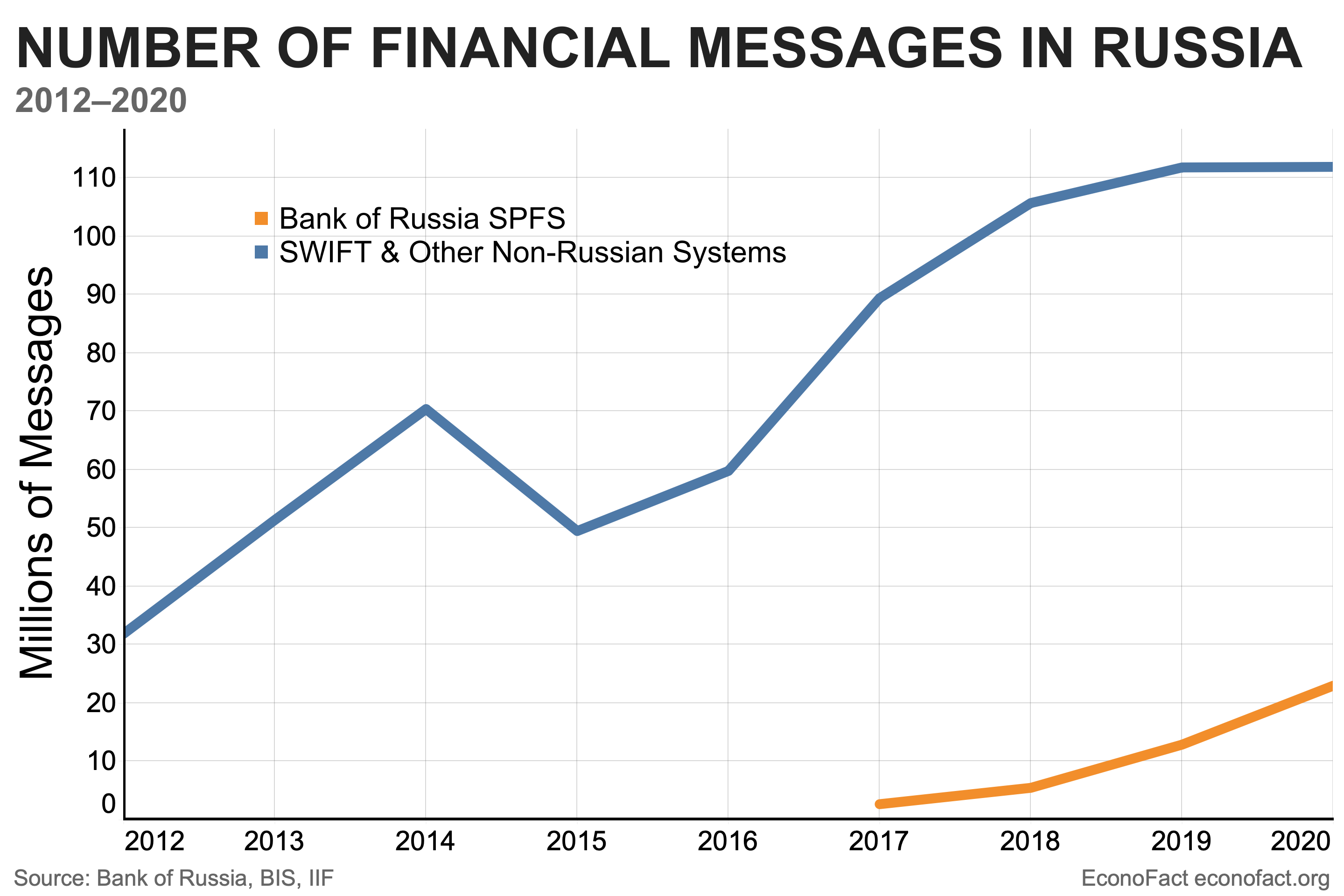
Economic Ramifications of Global Sanctions: Impact and Outlook

Economic Ramifications of Global Sanctions: Impact and Outlook

International sanctions, often employed as diplomatic tools, carry profound economic consequences that reverberate across nations and industries. The strategic imposition of sanctions can shape geopolitical landscapes, disrupt trade flows, and influence economic stability. This article delves into the multifaceted impacts of international sanctions, shedding light on the complexities and implications for global economies.

The Dynamics of Sanctions: A Double-Edged Sword

International sanctions operate as a double-edged sword, designed to pressure targeted nations into compliance with international norms or policies. On one hand, they serve as a powerful tool for asserting diplomatic influence and enforcing global regulations. On the other hand, the unintended economic repercussions can be far-reaching, affecting not only the targeted country but also those participating in the sanctions regime.

Trade Disruptions and Global Supply Chains

A key consequence of international sanctions lies in the disruption of global trade and supply chains. Targeted nations often experience a decline in exports and face difficulties in importing essential goods. Simultaneously, countries imposing sanctions may witness the reconfiguration of their supply networks, as established trading relationships come under strain.

Currency Depreciation and Financial Instability

Sanctions frequently lead to currency depreciation in the affected country, causing financial instability. As economic sanctions restrict access to international markets and financial institutions, the targeted nation may struggle to maintain the value of its currency. This depreciation can result in inflation, increased costs of living, and heightened economic uncertainty.

Impact on Energy Markets

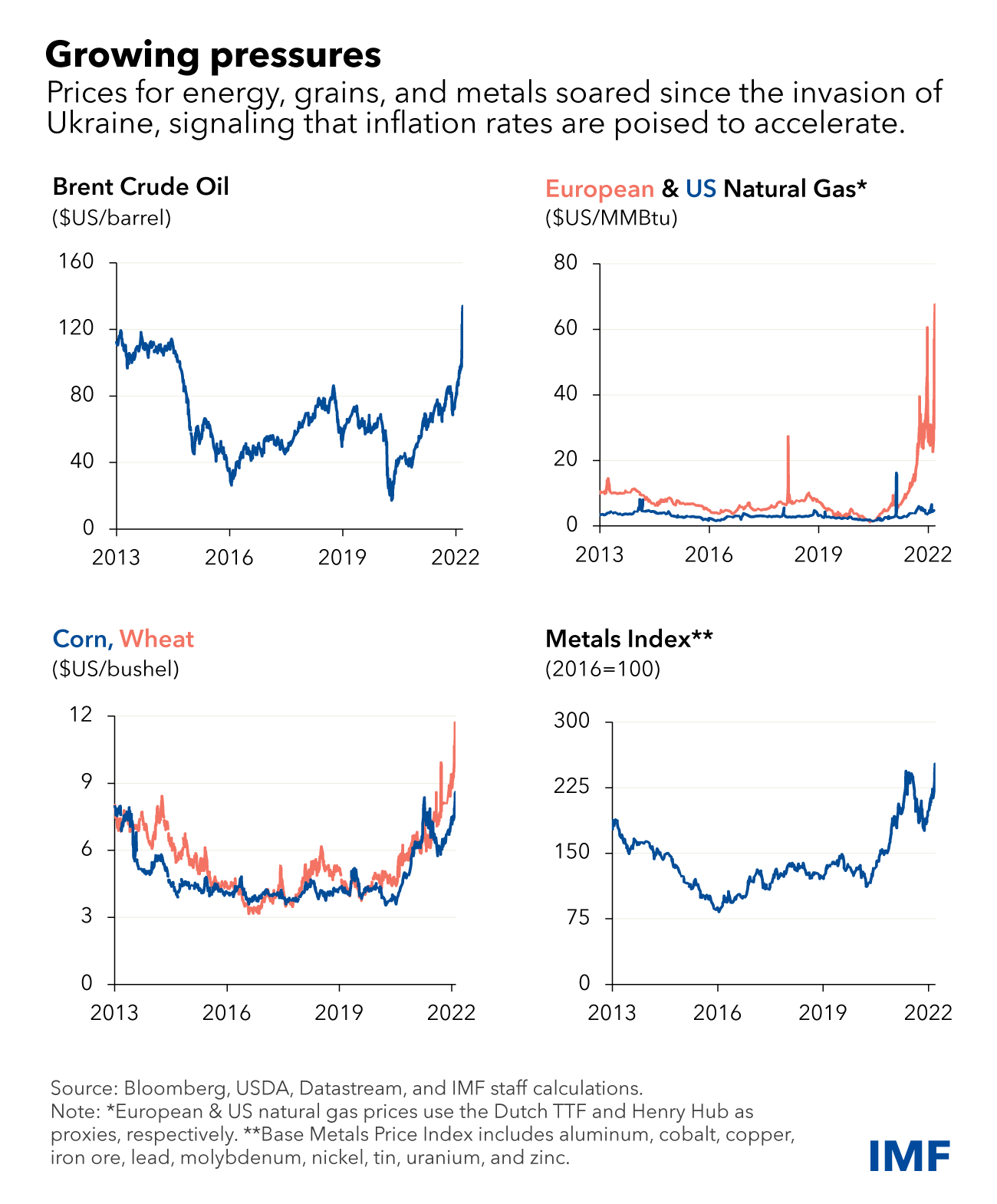
Energy markets are particularly sensitive to international sanctions, with oil and gas being common targets. Sanctions on major energy-producing nations can lead to fluctuations in global energy prices, impacting both consumers and businesses worldwide. Additionally, sanctions may drive innovation and investment in alternative energy sources as nations seek to reduce dependence on sanctioned suppliers.

Sector-Specific Ramifications

The consequences of sanctions vary across different sectors. Industries heavily reliant on international trade, such as automotive and technology, may experience disruptions in the supply of components. Financial services, too, can be affected as sanctions limit the ability of targeted nations to engage in global financial transactions.

Mitigating the Economic Fallout

Governments and businesses must proactively address the economic fallout of sanctions. Diversifying trade partners, investing in resilient supply chains, and fostering domestic industries become crucial strategies. Additionally, financial institutions need to navigate the complex regulatory landscape to minimize risks and adapt to evolving geopolitical dynamics.

The Role of Diplomacy in Resolving Economic Tensions

While sanctions play a role in shaping global affairs, diplomatic efforts are vital for resolving economic tensions. Engaging in dialogue, fostering international cooperation, and seeking diplomatic solutions can mitigate the need for prolonged sanctions. Constructive diplomatic initiatives contribute to the stability of the global economic environment.

Looking Ahead: Navigating Uncertain Terrain

As the world continues to grapple with geopolitical challenges, understanding and navigating the economic consequences of international sanctions remain paramount. Whether policymakers, businesses, or individuals, staying informed and adaptable is crucial in an ever-changing global landscape.

In conclusion, the economic ramifications of international sanctions are

3 mins read

Navigating Financial Waters: Interest Rates in the USA

Navigating Financial Waters: Interest Rates in the USA

Decoding Economic Signposts: Interest Rates in the USA

Understanding interest rates in the USA is pivotal for both financial markets and everyday consumers. This article explores the multifaceted aspects of interest rates, their role in the economy, and the impact they have on various sectors.

Fundamentals of Interest Rates: The Building Blocks

Interest rates represent the cost of borrowing money or the return on investment. Controlled by central banks, they serve as a lever for economic management. Analyzing the fundamental principles of interest rates provides a foundation for grasping their broader implications.

Central Bank Dynamics: The Federal Reserve’s Role

The Federal Reserve, the USA’s central bank, plays a central role in setting and influencing interest rates. Through mechanisms like the federal funds rate, the Fed regulates borrowing costs and shapes monetary policy. Understanding the dynamics of the Federal Reserve is crucial for interpreting interest rate movements.

Economic Indicators: Interest Rates as Barometers

Interest rates act as barometers for economic health. The Federal Reserve adjusts rates based on economic indicators such as inflation, employment, and GDP growth. Examining how interest rates respond to these indicators provides insights into the overall economic climate.

Consumer Impact: Borrowing Costs and Spending Habits

For consumers, interest rates directly influence borrowing costs. Whether obtaining a mortgage, car loan, or using credit cards, changes in interest rates impact spending and saving habits. Monitoring interest rate trends allows individuals to make informed financial decisions.

Business Investments: Capitalizing on Rate Environments

Interest rates influence corporate decisions on investments and expansions. Lower rates may encourage businesses to borrow for growth, while higher rates may lead to more conservative financial strategies. Analyzing the relationship between interest rates and business investments provides a glimpse into economic vitality.

Real Estate Dynamics: Mortgages and Property Markets

The real estate sector is particularly sensitive to interest rate fluctuations. Mortgage rates, influenced by broader interest rate trends, impact homebuyers’ affordability. Understanding how interest rates affect real estate dynamics is crucial for homeowners, buyers, and industry professionals.

Stock Market Reactions: Investors’ Sentiment and Strategies

Interest rates play a significant role in shaping investors’ sentiment in the stock market. As rates change, stock prices may respond accordingly. Investors often adjust their portfolios based on interest rate expectations, making the analysis of this relationship integral for investment decisions.

Inflationary Pressures: Balancing Act for Monetary Policy

Interest rates also serve as a tool to control inflation. By adjusting rates, central banks aim to strike a balance between stimulating economic growth and preventing excessive inflation. Examining how interest rates contribute to this delicate balancing act provides insights into monetary policy.

Global Influences: Interest Rates in a Connected World

Interest rates in the USA have implications beyond its borders. Global economic interconnectedness means that rate changes can affect international trade, currency values, and financial markets worldwide. Understanding the global influences on interest rates is crucial for businesses and policymakers.

Visit Interest Rates in the USA for In-Depth Insights

For a comprehensive exploration of interest rates in the USA, visit Interest Rates in

3 mins read

Unveiling Modern Consumer Dynamics: Trends and Strategies

Unveiling Modern Consumer Dynamics: Trends and Strategies

Unlocking the Dynamics of Modern Consumer Behavior

In the fast-paced and ever-evolving landscape of retail, understanding and adapting to consumer behavior is paramount for success. As technology advances and societal norms shift, retailers find themselves navigating an intricate web of trends and preferences. In this article, we delve into the dynamics of modern consumer behavior, exploring key aspects that shape the retail industry.

The Digital Transformation: A Paradigm Shift

The digital revolution has fundamentally altered the way consumers engage with the retail sector. With the rise of e-commerce, the convenience of online shopping has become a cornerstone of modern consumer behavior. From browsing products to making purchases, the digital realm offers a seamless and efficient experience that traditional brick-and-mortar stores must grapple with.

This shift has given rise to a hybrid model where businesses integrate online and offline strategies. The need for a robust online presence, user-friendly interfaces, and swift delivery services has become non-negotiable. As a result, retailers are compelled to invest heavily in technology to stay competitive and meet the evolving expectations of consumers.

Personalization: Tailoring the Shopping Experience

In an era saturated with choices, consumers crave a more personalized shopping experience. This trend is not limited to the digital sphere but extends to physical stores as well. Retailers are leveraging data analytics and artificial intelligence to understand individual preferences and tailor their offerings accordingly.

Personalized recommendations, exclusive discounts, and targeted marketing are becoming the norm. The goal is to create a sense of connection and understanding between the consumer and the brand. As technology continues to advance, the level of personalization is expected to reach new heights, redefining the retail landscape.

Sustainability: A Driving Force in Purchase Decisions

In recent years, there has been a significant shift in consumer attitudes towards sustainability. Ethical and eco-friendly practices are no longer just a marketing strategy; they are a critical factor influencing purchasing decisions. Consumers are increasingly conscious of the environmental and social impact of their choices, prompting retailers to adopt sustainable practices.

From sourcing materials responsibly to reducing carbon footprints, businesses are incorporating sustainability into their core values. This shift not only aligns with consumer expectations but also serves as a powerful differentiator in a competitive market.

The Importance of Social Media Influence

Social media platforms have emerged as influential players in shaping consumer behavior. The ability to discover, share, and discuss products on platforms like Instagram, Facebook, and Twitter has created a new dimension for retail. Social media influencers, with their massive followings, have the power to sway consumer opinions and drive trends.

Retailers are increasingly collaborating with influencers to promote their products, recognizing the impact of authentic and relatable endorsements. The immediacy of social media also demands that retailers stay agile and responsive to trends, as consumer preferences can rapidly change in the digital realm.

Retail Sales Trends: Navigating the Path Forward

As we navigate the ever-shifting landscape of consumer behavior, it is crucial for retailers to stay informed about the latest retail sales trends. Understanding market

3 mins read

Economic Implications of Environmental Regulation Changes

Economic Implications of Environmental Regulation Changes

Navigating the Green Horizon: Unpacking the Economic Implications of Environmental Regulation Changes

Environmental regulations play a pivotal role in shaping the economic landscape, influencing industries, investments, and the overall sustainability of a nation. This article delves into the multifaceted economic implications that arise from changes in environmental regulations, exploring both challenges and opportunities in this evolving environmental paradigm.

Industry Compliance Costs and Economic Impact

One of the primary economic consequences of changes in environmental regulations is the cost of compliance for industries. Stricter regulations often require companies to invest in cleaner technologies and sustainable practices, leading to increased compliance costs. While this may pose a challenge for some industries, it can also stimulate innovation, create new markets for green technologies, and enhance overall economic sustainability.

Investments in Green Technologies and Job Creation

Changes in environmental regulations often drive investments in green technologies. Policies that incentivize renewable energy, energy efficiency, and sustainable practices encourage the growth of the green technology sector. This, in turn, leads to job creation, as industries and businesses pivot towards environmentally friendly practices, contributing to economic growth and resilience.

Market Dynamics and Consumer Behavior Shifts

Environmental regulations influence market dynamics and consumer behavior. Policies promoting eco-friendly products and sustainable practices can shape consumer preferences. This shift in demand not only drives industries to adopt more environmentally responsible approaches but also opens up economic opportunities for businesses catering to the growing market of environmentally conscious consumers.

Natural Resource Management and Economic Sustainability

Regulations governing natural resource management play a crucial role in economic sustainability. Policies aimed at preserving and responsibly managing natural resources contribute to long-term economic viability. Balancing resource extraction with conservation ensures that economic activities dependent on these resources remain resilient and sustainable over time.

Incentives for Corporate Sustainability Reporting

Changes in environmental regulations often include incentives for corporate sustainability reporting. Companies are encouraged to disclose their environmental impacts and efforts towards sustainability. This transparency not only fosters accountability but also allows consumers and investors to make informed choices, influencing the economic success of businesses committed to environmental responsibility.

Economic Resilience to Climate Change Risks

Environmental regulations are instrumental in building economic resilience to climate change risks. Policies addressing climate-related challenges, such as extreme weather events and rising sea levels, contribute to the long-term stability of economies. Proactive measures, including infrastructure investments and adaptation strategies, mitigate the economic impact of climate change.

Global Competitiveness in Sustainable Practices

Nations that lead in implementing and adhering to stringent environmental regulations often gain a competitive edge in the global arena. Sustainable practices and green innovation contribute to positive international perceptions, attracting environmentally conscious investors and consumers. This global competitiveness enhances a nation’s economic standing and stimulates economic growth.

Challenges in Transitioning Industries

While the economic benefits of environmental regulations are significant, industries may face challenges in transitioning to sustainable practices. Sectors heavily reliant on conventional and polluting processes may encounter initial economic hurdles during the transition. Government support, innovation incentives, and a gradual transition plan are crucial to navigating

3 mins read

Navigating Economic Shifts: Impact of Immigration Policy Changes

Navigating Economic Shifts: Impact of Immigration Policy Changes

The Dynamics of Economic Transformation: Effects of Immigration Policy Changes

Immigration policies wield a significant influence on the economic landscape of nations. This article explores the intricate web of economic consequences that unfold in the wake of changes to immigration policies, delving into the multifaceted impact on industries, labor markets, and overall economic vitality.

Labor Market Dynamics: Balancing Supply and Demand

Changes in immigration policies directly impact the labor market, triggering shifts in the supply and demand for workforce skills. Restrictive policies may lead to labor shortages in certain industries, affecting productivity and potentially driving up wages. Conversely, more open policies can address labor gaps, fostering economic growth through a diverse and skilled workforce.

Industry-Specific Impact: A Ripple Effect Across Sectors

Different industries experience varied effects in the aftermath of immigration policy changes. Sectors heavily reliant on immigrant labor, such as agriculture, hospitality, and technology, may face disruptions in their operations. Understanding the unique dynamics of each industry is crucial in assessing the overall economic consequences of shifts in immigration policies.

Entrepreneurship and Innovation: Nurturing Economic Dynamism

Immigrant populations often contribute significantly to entrepreneurship and innovation. Changes in immigration policies can either encourage or impede the influx of entrepreneurial talent. Policies that support immigrant entrepreneurs foster economic dynamism, job creation, and innovation, propelling nations forward in competitive global markets.

Economic Growth and Fiscal Impact: A Comprehensive View

The broader economic growth of a nation is intricately linked to immigration policies. A well-managed immigration system can fuel economic expansion by contributing to population growth, consumer spending, and tax revenues. Conversely, abrupt policy changes may disrupt economic projections, influencing fiscal policies and government budgets.

Social Welfare and Public Services: Assessing the Strain

Changes in immigration policies also have implications for social welfare programs and public services. A sudden influx or decline in immigrant populations can strain healthcare, education, and social services. Balancing the economic contributions of immigrants with the demands on public resources becomes a critical consideration in policy adjustments.

Global Talent Competition: Positioning in the Global Marketplace

Nations with favorable immigration policies often attract global talent, bolstering their competitiveness in the international marketplace. On the flip side, restrictive policies may lead to a brain drain, with skilled professionals seeking opportunities elsewhere. Striking a balance between protecting domestic interests and attracting global talent is essential for sustained economic success.

Real Estate and Housing Markets: A Nexus of Influence

The real estate and housing markets are sensitive to changes in immigration policies. Increased immigration can drive demand for housing, influencing property values and construction sectors. Conversely, stringent policies may lead to a contraction in demand, affecting both residential and commercial real estate landscapes.

Economic Equity and Social Cohesion: Striking a Delicate Balance

Immigration policies intersect with issues of economic equity and social cohesion. Striking a balance between welcoming diverse talent and addressing concerns about job competition and income inequality is crucial. Well-managed policies contribute to a harmonious socio-economic landscape, fostering unity and inclusivity.

Adapting Strategies for Economic Resilience

In conclusion, the economic consequences

3 mins read

Showbiz Buzz: Latest Entertainment Industry Business News

Showbiz Buzz: Latest Entertainment Industry Business News

Showbiz Buzz: Latest Entertainment Industry Business News

The entertainment industry is a vibrant and ever-changing landscape where trends, developments, and business news shape the course of the showbiz world. Delving into the latest business news provides a backstage pass to the strategies, collaborations, and innovations driving success in the entertainment sector.

Streaming Wars and Digital Dominance

One of the focal points in recent entertainment industry news is the intensifying competition in the streaming wars. Streaming platforms are reshaping how audiences consume content, leading to significant shifts in business strategies. With new entrants and established players vying for attention, the dynamics of content creation, distribution, and monetization are evolving rapidly.

Live Events and the Impact of Digital Transformation

The live events sector is undergoing a digital transformation, particularly in response to changing audience behaviors and the challenges posed by the pandemic. Entertainment industry news showcases innovations in virtual and hybrid events, ticketing strategies, and audience engagement. The integration of digital technologies is not only a necessity but also an opportunity for reinventing the live entertainment experience.

Content Creation and Diversity in Storytelling

Diversity and inclusion are gaining prominence in entertainment industry business news, influencing content creation and storytelling. Audiences are demanding more authentic representation, and industry leaders are responding by championing diversity in both on-screen talent and behind-the-scenes roles. This shift is not only a response to societal expectations but also a strategic move to capture a broader audience.

Technological Innovations in Film and Television

Technological advancements are consistently making headlines in the entertainment industry. From advancements in visual effects and CGI to the use of virtual production techniques, the industry is pushing boundaries in film and television production. Such innovations not only enhance storytelling capabilities but also open up new creative possibilities for filmmakers and content creators.

Evolving Business Models in Music Industry

In the music industry, entertainment business news highlights the evolution of business models. Streaming platforms have transformed how music is consumed, challenging traditional revenue streams. Artists and record labels are exploring new ways to monetize their content, including virtual concerts, merchandise sales, and partnerships. The dynamic nature of the music business requires adaptability and strategic thinking.

Gaming Industry Boom and Esports Ascendancy

Entertainment industry news reflects the booming success of the gaming industry. Esports, in particular, is making waves as a mainstream form of entertainment. News covers the rise of competitive gaming, investments in esports teams, and the integration of gaming into broader entertainment ecosystems. The gaming industry’s growth presents opportunities for partnerships and new revenue streams.

Challenges and Opportunities in Theatrical Distribution

The theatrical distribution model is facing challenges and opportunities highlighted in entertainment business news. Streaming services and changing consumer preferences have impacted traditional theatrical releases. However, the industry is exploring hybrid distribution models, day-and-date releases, and innovative approaches to revive the theatrical experience.

Brand Partnerships and Influencer Collaborations

Influencer marketing and brand partnerships are integral components of entertainment industry business news. Brands are recognizing the power of influencers to reach target audiences authentically. The

3 mins read

Powering Prosperity: Energy Sector’s Role in Economic Growth

Powering Prosperity: Energy Sector’s Role in Economic Growth

Powering Prosperity: Energy Sector’s Role in Economic Growth

The symbiotic relationship between the energy sector and economic growth is a cornerstone of modern prosperity. In this exploration, we delve into the pivotal role played by the energy sector in driving economic advancement and sustaining global development.

Energizing Industries: Catalyst for Economic Growth

The energy sector serves as a dynamic catalyst for economic growth by powering industries and fueling innovation. Industries such as manufacturing, technology, and transportation rely heavily on a stable and efficient energy supply. The availability of affordable and sustainable energy sources enables these sectors to expand operations, create jobs, and contribute significantly to a nation’s GDP.

Infrastructure Development and Energy Demand

As economies grow, so does the demand for energy to support infrastructure development. The construction of buildings, roads, and public facilities requires a substantial and reliable energy supply. The energy sector, through the provision of electricity and other essential resources, facilitates the construction and maintenance of infrastructure, laying the foundation for sustained economic progress.

Renewable Energy and Sustainable Growth

The integration of renewable energy sources into the energy sector is crucial for achieving sustainable economic growth. Renewable technologies, such as solar and wind power, not only contribute to environmental conservation but also foster resilience in the face of climate challenges. Investing in renewable energy infrastructure aligns economic growth with long-term environmental sustainability.

Job Creation and Economic Opportunities

The energy sector is a significant contributor to job creation and the generation of economic opportunities. From skilled technicians in the oil and gas industry to engineers designing renewable energy solutions, a diverse range of occupations is linked to the energy sector. The expansion of this sector not only provides employment but also stimulates ancillary industries, contributing to overall economic vibrancy.

Innovation and Technological Advancements

Technological advancements in the energy sector drive innovation and propel economic growth forward. From smart grids to energy-efficient appliances, continuous improvements enhance the efficiency and accessibility of energy resources. This, in turn, creates a ripple effect across various industries, fostering a culture of innovation that is essential for staying competitive in the global market.

Global Energy Trade and Economic Interdependence

The global energy trade establishes economic interdependence between nations. Energy-exporting countries benefit from revenue streams, while energy-importing nations secure the resources necessary for their economic activities. This interconnectedness fosters international cooperation and diplomatic relations, emphasizing the pivotal role of the energy sector in shaping the geopolitical and economic landscape.

Energy Efficiency and Cost Savings

Efforts to enhance energy efficiency contribute to cost savings for businesses and consumers alike. Investing in energy-efficient technologies reduces operational expenses for industries and lowers utility bills for households. These cost savings translate into increased disposable income, driving consumer spending and further stimulating economic growth.

Challenges and Opportunities in the Transition to Clean Energy

The transition to cleaner energy sources presents both challenges and opportunities for economic growth. While the shift away from fossil fuels may pose challenges for certain industries, it opens doors for the development of new technologies, job

3 mins read

Social Entrepreneurship Stories: Impactful Journeys and Innovations

Social Entrepreneurship Stories: Impactful Journeys and Innovations

Introduction:

Social entrepreneurship combines business acumen with a passion for addressing social issues. In this article, we explore inspiring social entrepreneurship stories that showcase impactful journeys and innovative solutions.

The Story of [Organization Name]: A Sustainable Approach to Agriculture:

One remarkable social entrepreneurship story is exemplified by [Organization Name], which focuses on sustainable agriculture. By implementing eco-friendly farming practices and empowering local communities, they not only address food security issues but also create a positive environmental impact.

Social Entrepreneurship Stories Link:

Discover more inspiring Social Entrepreneurship Stories here. These narratives shed light on the transformative power of combining business with a social mission.

Empowering Women through [Business Name]:

Another compelling tale in the realm of social entrepreneurship involves [Business Name], dedicated to empowering women. Through skill-building programs and fair employment opportunities, they contribute to gender equality, demonstrating how businesses can drive positive societal change.

Youth-Led Initiatives: [Project Name]’s Impactful Story:

The youth-led social entrepreneurship initiative, [Project Name], is making a significant impact. Focused on education and skill development for underprivileged youth, this project demonstrates how young entrepreneurs can drive change and uplift their communities.

Tech for Good: [Company Name]’s Innovative Solutions:

[Company Name] stands out in the social entrepreneurship landscape by leveraging technology for positive change. Their innovative solutions address societal challenges, showcasing the potential of technology to create meaningful social impact.

Microfinance Success: [Organization Name]’s Journey to Financial Inclusion:

Financial inclusion is a key aspect of social entrepreneurship, and [Organization Name] has a compelling story in this regard. Through microfinance initiatives, they provide access to financial resources for individuals in underserved communities, fostering economic empowerment.

Addressing Healthcare Disparities: [Initiative Name]’s Impactful Mission:

Social entrepreneurship plays a pivotal role in addressing healthcare disparities. [Initiative Name] is a shining example, providing healthcare services to marginalized communities, emphasizing preventative care, and promoting overall well-being.

Education for All: [Foundation Name]’s Commitment to Learning:

[Foundation Name] has a heartwarming story centered around their commitment to education for all. Through scholarships, community learning centers, and innovative teaching methods, they contribute to breaking down barriers to education.

Environmental Stewardship: [Green Initiative]’s Journey Towards Sustainability:

Environmental issues are a focal point for many social entrepreneurs. [Green Initiative] is on a journey towards sustainability, implementing eco-friendly practices and advocating for environmental awareness to create a greener, more sustainable future.

Inclusive Employment Models: [Enterprise Name]’s Diverse Workforce Story:

[Enterprise Name] showcases the impact of inclusive employment models. Their commitment to diversity and inclusion not only fosters a positive work culture but also serves as a model for other businesses seeking to create social value through their workforce.

Conclusion:

These social entrepreneurship stories highlight the diverse ways businesses can make a positive impact on society. Through sustainable practices, empowerment initiatives, and innovative solutions, social entrepreneurs inspire change and prove that business can be a force for good.

3 mins read

Energizing Growth: Latest Business Developments in the Energy Sector

Energizing Growth: Latest Business Developments in the Energy Sector

Energizing Growth: Latest Business Developments in the Energy Sector

The energy sector is undergoing significant transformations driven by technological advancements, environmental considerations, and evolving consumer demands. Exploring the latest business developments in this dynamic industry provides valuable insights into its trajectory and potential opportunities for growth.

Technological Advancements Shaping the Landscape

One of the foremost factors driving business developments in the energy sector is rapid technological advancement. From smart grids to renewable energy innovations, technology is reshaping how energy is generated, distributed, and consumed. Staying abreast of these technological shifts is vital for companies seeking to remain competitive in a rapidly evolving market.

Renewable Energy’s Ascendance

The transition toward renewable energy sources is a central theme in recent business developments. Solar, wind, and other renewables are gaining prominence as the world moves towards sustainable energy solutions. Businesses investing in renewable energy projects not only contribute to a greener future but also position themselves as leaders in the global energy transition.

Energy Storage Solutions: Paving the Way for Reliability

Energy storage technologies are becoming integral to the energy sector’s growth. Advances in battery storage systems enhance the reliability and stability of renewable energy sources. Business developments in this space include innovative energy storage projects that contribute to grid stability and ensure a consistent power supply.

Smart Grids and Intelligent Infrastructure

The integration of smart grids and intelligent infrastructure is revolutionizing the energy sector. These developments enable real-time monitoring, data analytics, and more efficient energy distribution. Companies investing in smart grid technologies enhance operational efficiency, reduce energy wastage, and contribute to the creation of resilient energy ecosystems.

Decentralization and Energy Independence

A noteworthy business development is the move towards decentralized energy systems. Businesses and communities are increasingly seeking energy independence through the deployment of distributed energy resources such as solar panels and microgrids. This shift empowers stakeholders to have more control over their energy consumption and reduces reliance on centralized power sources.

Environmental Considerations and ESG Practices

Environmental, Social, and Governance (ESG) practices are influencing business strategies in the energy sector. Companies are adopting sustainability measures, reducing carbon footprints, and aligning their operations with global environmental goals. Business developments in ESG practices not only contribute to environmental conservation but also enhance corporate reputation and attract socially conscious investors.

Digitalization for Operational Efficiency

The energy sector is leveraging digitalization to enhance operational efficiency. From predictive maintenance in power plants to IoT-enabled energy management systems, digital technologies optimize processes and reduce costs. Keeping abreast of digitalization trends is crucial for companies aiming to improve their operational resilience and competitiveness.

Global Energy Market Dynamics

Business developments in the energy sector are also shaped by global market dynamics. Fluctuations in oil prices, geopolitical considerations, and international collaborations impact the industry’s landscape. Companies need to navigate these global dynamics, anticipate market trends, and adapt their strategies to remain agile and competitive on the world stage.

Investments in Infrastructure and Grid Modernization

A significant trend in recent business developments is the focus on infrastructure investments and grid modernization.

3 mins read

Leadership Wisdom: Insights for Successful Business Navigation

Leadership Wisdom: Insights for Successful Business Navigation

Introduction:
Effective leadership is the cornerstone of successful businesses. In this exploration, we delve into valuable business leadership insights that empower individuals to navigate challenges, foster growth, and create a positive organizational culture.

Strategic Vision: Guiding the Path to Success:
Business leadership insights often emphasize the importance of a strategic vision. Leaders who articulate a clear and compelling vision provide direction for their teams. This vision serves as a guiding force, aligning efforts toward common goals and fostering a sense of purpose among team members.

Adaptability and Flexibility: Navigating Dynamic Environments:
In today’s dynamic business landscape, adaptability is a crucial leadership trait. Successful leaders understand the importance of flexibility in navigating changing markets, emerging trends, and unforeseen challenges. Embracing change and encouraging an adaptive mindset contribute to sustained success.

Effective Communication: Building Trust and Collaboration:
Effective communication is at the heart of strong leadership. Leaders who communicate transparently, actively listen, and foster open dialogue build trust among team members. Transparent communication cultivates a collaborative environment where ideas flow freely and everyone feels heard and valued.

Empowering and Developing Teams: Cultivating Talent:
Business leadership insights underscore the significance of empowering and developing teams. Successful leaders invest in the growth and development of their team members. By providing opportunities for skill enhancement, mentorship, and continuous learning, leaders foster a culture of continuous improvement.

Resilience in Leadership: Overcoming Setbacks:
Resilience is a hallmark of effective leadership. Leaders encounter setbacks and challenges, but it’s their ability to bounce back and inspire resilience in their teams that sets them apart. Business leadership insights often highlight the importance of maintaining composure in the face of adversity.

Emotional Intelligence: Nurturing Positive Workplace Culture:
Leadership goes beyond tasks and objectives; it involves understanding emotions and fostering a positive workplace culture. Emotional intelligence allows leaders to navigate interpersonal dynamics, empathize with team members, and create an environment where individuals feel supported, valued, and motivated.

Strategic Decision-Making: Balancing Risks and Opportunities:
Strategic decision-making is a key business leadership insight. Leaders must weigh risks and opportunities, make informed choices, and guide their teams toward successful outcomes. The ability to analyze situations, anticipate consequences, and make strategic decisions is critical for effective leadership.

Innovation and Creativity: Driving Organizational Growth:
Leaders who encourage innovation and creativity propel their organizations forward. Business leadership insights emphasize the importance of fostering a culture that embraces new ideas, values creative thinking, and encourages experimentation. Innovation is a catalyst for organizational growth and adaptation.

Ethical Leadership: Upholding Integrity and Values:
Ethical leadership is foundational for sustainable success. Leaders who prioritize integrity, transparency, and ethical conduct set the tone for the entire organization. Business leadership insights stress the importance of ethical decision-making, as it builds trust with stakeholders and enhances the organization’s reputation.

Exploring Business Leadership Insights:
For a comprehensive exploration of business leadership insights and strategies, visit teal-barracuda-926250.hostingersite.com. Explore curated content that provides valuable perspectives on leadership, offering guidance for individuals seeking to enhance their leadership skills and make a positive impact in their organizations.

Conclusion:
In

3 mins read

Mastering Business Networking: Proven Tips for Success

Mastering Business Networking: Proven Tips for Success

Mastering Business Networking: Proven Tips for Success

Networking is a cornerstone of professional success, opening doors to opportunities, collaborations, and growth. Whether you’re a seasoned professional or just starting in your career, mastering the art of business networking can significantly impact your professional journey.

Build a Strong Online Presence

In today’s digital age, online networking is just as important as face-to-face interactions. Ensure your online presence is polished and professional. Optimize your LinkedIn profile, engage in industry-specific forums, and share relevant content to establish yourself as an authority in your field.

Attend Networking Events Strategically

Networking events provide a platform for connecting with industry peers and potential collaborators. However, attending every event may not be practical. Choose events strategically based on your industry, goals, and target audience. Quality interactions at a few events often yield better results than a large quantity of superficial connections.

Perfect Your Elevator Pitch

Craft a concise and compelling elevator pitch that succinctly communicates who you are, what you do, and what makes you unique. This is your opportunity to make a memorable impression, so ensure your pitch is clear, engaging, and tailored to your audience.

Listen More Than You Speak

Effective networking is not just about talking; it’s equally about listening. Take the time to understand the needs and goals of the people you meet. Ask open-ended questions, show genuine interest, and actively listen. This approach not only builds rapport but also helps you identify ways to add value to your connections.

Follow Up Promptly and Professionally

After making a new connection, follow up promptly. Send a personalized email expressing your pleasure in meeting them and referencing specific points from your conversation. Establishing a professional follow-up routine demonstrates your commitment to building meaningful relationships.

Offer Value to Your Network

Networking is a two-way street. Instead of focusing solely on what you can gain, consider what you can contribute to your network. Share valuable insights, connect people with similar interests, and be a resource. Offering value fosters a reciprocal relationship, making your network more robust and supportive.

Diversify Your Network

A diverse network brings a range of perspectives and opportunities. Connect with professionals from various industries, backgrounds, and career stages. Diversity in your network not only broadens your horizons but also enhances your problem-solving capabilities by tapping into a wealth of experiences.

Attend Workshops and Seminars

Participating in workshops and seminars not only enhances your skills but also provides excellent networking opportunities. Engage in discussions, ask questions, and connect with both presenters and attendees. These events often attract motivated and like-minded individuals, making them valuable networking hubs.

Join Professional Associations

Professional associations are hubs for networking within specific industries. Joining relevant associations not only demonstrates your commitment to your field but also provides access to a community of professionals. Attend association events, contribute to discussions, and leverage these platforms to expand your network.

Embrace the Power of Referrals

One of the most powerful aspects of networking is the potential for referrals. When your connections trust and

3 mins read

Effective Corporate Communication Strategies for Success

Effective Corporate Communication Strategies for Success

Effective Corporate Communication: Navigating Strategies for Success

In the dynamic landscape of the business world, communication is the cornerstone of success for any corporation. Establishing robust corporate communication strategies is paramount for fostering collaboration, enhancing productivity, and maintaining a positive corporate culture. This article delves into the significance of effective corporate communication and explores key strategies that organizations can employ to ensure seamless communication within their ranks.

The Foundation of Clear Communication

Clear communication is the bedrock upon which successful organizations are built. It is essential to articulate ideas, goals, and expectations in a manner that is easily understandable by all stakeholders. Whether it’s conveying company values to employees or sharing financial updates with investors, clarity is key. Ambiguity can lead to confusion and misunderstandings, hindering the overall progress of the organization.

Internal Communication: Bridging Gaps within the Organization

Internal communication serves as the lifeblood of any corporation. It encompasses the exchange of information among employees, management, and various departments within the organization. Regular updates, transparent channels, and an open-door policy contribute to a healthy internal communication environment. This helps in aligning everyone with the company’s mission, creating a sense of unity, and fostering a collaborative work culture.

External Communication: Building a Positive Corporate Image

While internal communication is crucial, the way a company communicates externally is equally important. External communication involves interacting with clients, customers, investors, and the public. Crafting a positive corporate image requires consistent and effective messaging across various platforms. From press releases to social media updates, maintaining a coherent external communication strategy enhances the company’s reputation and builds trust with stakeholders.

The Role of Technology in Modern Communication

Advancements in technology have revolutionized the way corporations communicate. The integration of communication tools, such as video conferencing, instant messaging, and collaboration platforms, has made it easier for teams to connect, irrespective of geographical locations. Embracing these technological solutions not only facilitates smoother communication but also boosts efficiency and productivity within the organization.

Crisis Communication: Navigating Turbulent Waters

No corporation is immune to crises. Whether it’s a public relations issue, a financial setback, or a product recall, how a company communicates during challenging times is crucial. A well-thought-out crisis communication strategy helps in managing and mitigating the impact of unforeseen events. Being transparent, taking responsibility, and offering solutions are key components of effective crisis communication.

Corporate Communication Strategies: A Holistic Approach

To ensure a comprehensive understanding of corporate communication strategies, organizations must adopt a holistic approach. This involves integrating internal and external communication efforts, utilizing diverse channels, and adapting strategies to suit the ever-changing business landscape. A cohesive and well-executed communication plan contributes to the overall success and sustainability of the organization.

Continuous Improvement: Adapting to Change

In the fast-paced business world, adaptation is essential for survival. Corporate communication strategies should not be static; they need to evolve to meet the changing needs of the organization. Soliciting feedback, conducting regular assessments, and staying abreast of industry trends enable companies to make informed adjustments to their communication strategies, ensuring

3 mins read

Economic Consequences of Labor Regulation Changes

Economic Consequences of Labor Regulation Changes

Navigating Labor Dynamics: Unraveling the Economic Consequences of Regulatory Changes

Labor regulations form the backbone of employment frameworks, influencing the relationship between employers and workers. This article delves into the intricate economic consequences stemming from changes in labor regulations, examining the multifaceted impacts on industries, workers, and the overall economic landscape.

Labor Market Flexibility and Job Creation

Changes in labor regulations often impact the flexibility of labor markets. Policies that promote flexibility can stimulate job creation as businesses adapt to evolving needs. On the flip side, overly rigid regulations may lead to challenges in workforce adaptability, potentially hindering job growth. Striking the right balance is crucial for fostering a dynamic and resilient job market.

Wage Dynamics and Income Inequality

Labor regulations play a pivotal role in determining wage structures and income distribution. Adjustments to minimum wage requirements and overtime regulations directly influence workers’ incomes. Policies aimed at reducing income inequality may involve changes to labor regulations, ensuring fair compensation practices across various industries.

Worker Protections and Employer Compliance Costs

Provisions for worker protections often come with compliance costs for employers. Changes in labor regulations may introduce new requirements for workplace safety, benefits, or employee rights. While these protections enhance worker well-being, they can pose financial challenges for businesses, particularly small enterprises. Balancing worker protections with realistic compliance expectations is essential.

Unionization and Collective Bargaining Dynamics

Labor regulations impact the dynamics of unionization and collective bargaining. Policies that facilitate or restrict these activities shape the power dynamics between workers and employers. Changes in regulations may influence the prevalence of unions and the outcomes of collective bargaining negotiations, subsequently affecting wages and working conditions.

Impact on Small and Large Businesses

Labor regulations affect businesses of all sizes differently. While large corporations may navigate complex regulatory landscapes more easily, small businesses often face disproportionate challenges. Changes in labor regulations can impact the cost of hiring and compliance burdens, influencing the ability of small businesses to thrive and contribute to economic growth.

Workforce Productivity and Skill Development

Regulations related to working hours, training, and skill development influence workforce productivity. Policies that encourage training and skill enhancement contribute to a more capable and adaptable workforce. Changes in labor regulations may introduce incentives or requirements for employers to invest in their employees’ skills, with potential long-term benefits for economic productivity.

Remote Work and Flexible Arrangements

The rise of remote work has brought new considerations to labor regulations. Policies that address remote work dynamics, flexible schedules, and digital communication tools impact how businesses operate. Changes in labor regulations may need to adapt to the evolving nature of work, ensuring that frameworks support both employers and employees in this modern landscape.

Economic Competitiveness and Global Talent Mobility

A nation’s economic competitiveness is closely linked to its labor regulations. Policies that attract global talent, streamline work visas, and create a welcoming environment for skilled workers enhance a country’s global standing. Changes in labor regulations may influence the ability to attract and retain international talent, impacting the competitiveness of industries

3 mins read

Renewable Revolutions: Current Business Trends

Renewable Revolutions: Current Business Trends

Renewable Revolutions: Current Business Trends

The renewable energy sector is undergoing transformative changes, driven by technological advancements, policy shifts, and a growing commitment to sustainability. Explore the latest business trends shaping the renewable energy landscape and influencing the transition towards a cleaner and more sustainable future.

1. Solar Power Dominance and Innovations

Solar power continues to dominate the renewable energy market, with significant advancements in technology and cost reductions. This section delves into the latest innovations in solar energy, including improved solar panel efficiency, energy storage solutions, and the integration of solar power into smart grids. The trends explored showcase how solar energy is becoming more accessible and efficient.

2. Wind Energy Expansion and Offshore Developments

Wind energy is experiencing a significant expansion, with a focus on both onshore and offshore developments. Business trends in this sector encompass larger and more efficient wind turbines, advancements in offshore wind farms, and increased investments in wind energy projects. This part of the article explores how wind energy is becoming a mainstream contributor to the global energy mix.

3. Energy Storage Solutions and Grid Modernization

As renewable energy capacity grows, the need for effective energy storage solutions becomes paramount. Business trends highlight innovations in energy storage technologies, such as advanced batteries and grid-scale storage systems. Additionally, grid modernization efforts are underway to accommodate the variability of renewable energy sources. Explore how these trends contribute to a more reliable and resilient energy infrastructure.

4. Electric Vehicles and the Rise of Green Transportation

The electrification of transportation is a key trend shaping the renewable energy landscape. With a focus on reducing carbon emissions, electric vehicles (EVs) are gaining traction. This section explores the connection between renewable energy and the rise of green transportation, including trends in EV adoption, charging infrastructure, and the integration of renewable energy sources in the transportation sector.

5. Green Hydrogen as an Emerging Player

Green hydrogen is emerging as a promising player in the renewable energy market. Business trends in this sector involve advancements in electrolysis technology, increased production capacities, and collaborative efforts to establish a global hydrogen economy. This part of the article explores the potential of green hydrogen in addressing energy storage and industrial decarbonization challenges.

6. Policy Support and Renewable Energy Investments

Government policies play a pivotal role in shaping the renewable energy landscape. Business trends highlight the importance of supportive policies, including incentives, subsidies, and regulatory frameworks that encourage renewable energy adoption. Additionally, investments in renewable energy projects are on the rise, with both public and private sectors contributing to the growth of sustainable energy initiatives.

7. Corporate Commitments to Renewable Energy

A notable trend is the increasing commitment of corporations to renewable energy. Many companies are setting ambitious sustainability goals, pledging to transition to 100% renewable energy, and investing in renewable energy projects. This section explores how corporate commitments contribute to the overall growth and adoption of renewable energy on a global scale.

8. Decentralized Energy Systems and Microgrids

Decentralized energy systems and microgrids are gaining

3 mins read

Balancing Act: Navigating US Fiscal Policy Challenges

Balancing Act: Navigating US Fiscal Policy Challenges

Balancing Act: Navigating US Fiscal Policy Challenges

As the United States continues to navigate complex economic landscapes, its fiscal policy plays a pivotal role in shaping the nation’s financial trajectory. This article delves into the intricate web of challenges and considerations involved in managing US fiscal policy and the implications for economic stability and growth.

Foundation of Economic Management

US fiscal policy, often overseen by government agencies and policymakers, forms the foundation of economic management. It involves decisions related to taxation, government spending, and borrowing, collectively influencing the overall economic health of the nation. Striking the right balance in these areas is crucial for maintaining stability and fostering sustainable economic growth.

The Dual Role of Fiscal Policy

Fiscal policy serves a dual role in economic management. During periods of economic downturn, the government may implement expansionary fiscal policies, such as tax cuts and increased spending, to stimulate economic activity. Conversely, during times of overheating and inflationary pressures, contractionary fiscal policies may be employed to cool down the economy. This delicate dance requires precision to avoid unintended consequences.

Taxation Strategies and Economic Impact

One of the key components of US fiscal policy is taxation. Decisions related to tax rates, deductions, and credits have direct implications for businesses and individuals. Striking a balance between providing necessary government revenue and avoiding stifling economic activity is a constant challenge. Effective tax policies aim to encourage investment, job creation, and overall economic prosperity.

Government Spending Priorities

Determining government spending priorities is a critical aspect of fiscal policy. Allocation of funds to areas such as infrastructure, education, healthcare, and defense reflects national priorities. Striking a balance between addressing immediate needs and making long-term investments is essential. Efficient and targeted government spending can spur economic growth, create jobs, and enhance the overall well-being of the population.

Debt Management and Fiscal Responsibility

Managing the national debt is a perpetual challenge within the realm of fiscal policy. While borrowing can be a tool for financing essential initiatives, an unsustainable debt burden can lead to economic instability. Striking a balance between leveraging debt for strategic investments and ensuring fiscal responsibility is essential to avoid long-term economic consequences.

Global Economic Considerations

The interconnectedness of the global economy adds another layer of complexity to US fiscal policy. Economic decisions made in the United States have ripple effects worldwide. Coordinating fiscal policies with international economic conditions is crucial for maintaining stability and fostering collaborative solutions to global challenges.

Inflationary Pressures and Monetary Policy Coordination

Balancing fiscal policy with monetary policy is vital for economic stability. Inflationary pressures, influenced by fiscal decisions, require coordination with the Federal Reserve’s monetary policies. Effective collaboration ensures a harmonized approach to managing interest rates, money supply, and overall economic conditions.

Challenges in Times of Crisis

During times of crisis, such as a recession or a global pandemic, the challenges facing US fiscal policy become more pronounced. Rapid response mechanisms, such as stimulus packages and targeted interventions, must be deployed to mitigate economic downturns. Striking the right balance between

3 mins read

Business News USA: Latest Developments and Market Trends

Business News USA: Latest Developments and Market Trends

Introduction:
In the fast-paced world of business, staying informed about the latest developments and market trends is essential. This article serves as a comprehensive overview of recent business news in the USA, covering key sectors and noteworthy events shaping the economic landscape.

Technology and Innovation:
Business news in the USA has been buzzing with technological advancements and innovations. Tech giants continue to drive the industry forward, with breakthroughs in artificial intelligence, cybersecurity, and renewable energy. These developments not only impact the tech sector but also have ripple effects across various industries, influencing market dynamics and competitiveness.

Finance and Market Trends:
The financial landscape is a focal point in recent business news. From fluctuations in the stock market to changes in interest rates, businesses and investors closely monitor these trends. The evolving economic conditions, both domestically and globally, play a significant role in shaping investment strategies and business decisions.

E-commerce and Retail Dynamics:
The rise of e-commerce continues to reshape the retail landscape. Business news in the USA highlights the strategies adopted by traditional retailers and e-commerce giants alike to adapt to changing consumer behaviors. Innovations in logistics, customer experience, and omnichannel approaches are at the forefront of industry discussions.

Healthcare Industry Updates:
The healthcare sector is undergoing significant transformations, and recent business news in the USA reflects this evolution. From pharmaceutical breakthroughs to discussions on healthcare policies, these developments impact businesses within the healthcare industry and have broader implications for the economy as a whole.

Sustainable Business Practices:
Environmental and social responsibility have become integral to business strategies. Recent news highlights a growing emphasis on sustainable business practices. Companies are incorporating eco-friendly initiatives, diversity and inclusion programs, and ethical business standards, reflecting a shift in consumer preferences and societal expectations.

Startups and Entrepreneurship:
The entrepreneurial spirit is alive and well, with startups making waves in various industries. Business news in the USA features stories of innovation, funding rounds, and the challenges faced by emerging businesses. The startup ecosystem plays a crucial role in driving economic growth and fostering a culture of innovation.

Government Policies and Business Impact:
Changes in government policies have far-reaching effects on businesses. Recent news covers legislative developments, trade policies, and economic stimulus packages. The dynamic interplay between government decisions and business operations underscores the need for companies to stay informed and agile in their strategies.

Real Estate and Housing Market Trends:
The real estate market is a key indicator of economic health, and recent business news in the USA reflects trends in housing markets and commercial real estate. Factors such as remote work dynamics, interest rates, and urban migration influence property values and investment decisions.

Consumer Trends and Brand Strategies:
Understanding consumer behavior is paramount for businesses, and recent news sheds light on evolving trends. From shifts in purchasing preferences to the impact of social media on brand strategies, businesses are adapting their approaches to align with the ever-changing landscape of consumer expectations.

Global Economic Relations:
In an interconnected world, global economic relations play a vital

3 mins read

The Evolution of US Economic Fortunes

The Evolution of US Economic Fortunes

The Evolution of US Economic Fortunes

Exploring the rich tapestry of U.S. economic history unveils a narrative marked by resilience, innovation, and transformative shifts. This journey through time provides insights into the key epochs that have shaped the economic fortunes of the United States.

Founding Fathers and Early Economic Foundations

In the nascent years of the United States, the Founding Fathers laid the groundwork for economic prosperity. Alexander Hamilton’s financial system, encompassing a national bank and a robust credit system, set the stage for economic development. The young nation sought economic independence through initiatives like protective tariffs and infrastructure development, laying the foundation for future growth.

Westward Expansion and Economic Opportunities

The 19th century witnessed the westward expansion, a pivotal chapter in U.S. economic history. The acquisition of vast territories fueled economic opportunities, with the development of agriculture, mining, and transportation. The completion of the transcontinental railroad further interconnected the nation, spurring economic growth and urbanization.

Industrial Revolution and Economic Transformation

The late 19th and early 20th centuries marked the era of industrialization, a transformative period in U.S. economic history. The rise of manufacturing, technological innovations, and the growth of corporations propelled the nation into an industrial powerhouse. This era saw the emergence of iconic figures like John D. Rockefeller and Andrew Carnegie, shaping the landscape of American capitalism.

The Roaring Twenties and Economic Exuberance

The 1920s ushered in a period of economic exuberance known as the Roaring Twenties. The stock market soared, consumer spending surged, and technological advancements contributed to widespread prosperity. However, this economic euphoria was short-lived, culminating in the devastating crash of 1929 and the onset of the Great Depression.

New Deal and Economic Recovery

In response to the economic devastation of the Great Depression, President Franklin D. Roosevelt introduced the New Deal. This series of programs aimed to stimulate economic recovery, provide relief to the unemployed, and reform the financial system. The New Deal played a crucial role in shaping the social and economic landscape of the United States.

Post-War Economic Boom and Global Leadership

The aftermath of World War II witnessed a remarkable economic boom in the United States. The nation emerged as a global economic leader, experiencing rapid industrialization and technological advancements. The GI Bill, infrastructure development, and a growing middle class contributed to sustained economic growth, defining the mid-20th century as an era of unparalleled prosperity.

Challenges of the 1970s and Economic Restructuring

The 1970s brought economic challenges, including stagflation, oil shocks, and manufacturing decline. This tumultuous period prompted a shift in economic policies, with an emphasis on deregulation, free-market principles, and globalization. The restructuring of industries and the rise of the service sector marked a significant transformation in the U.S. economic landscape.

Technology Boom and the Information Age

The late 20th century witnessed a technology boom, catapulting the United States into the Information Age. The rise of Silicon Valley, the internet revolution, and advancements in communication technology transformed industries and created new economic opportunities. This era saw the emergence of tech giants

3 mins read

Migration’s Economic Influence: Balancing Impact and Policy

Migration’s Economic Influence: Balancing Impact and Policy

Migration’s Economic Influence: Balancing Impact and Policy

Immigration plays a crucial role in shaping the economic landscape of nations, presenting both opportunities and challenges. In this exploration, we delve into the multifaceted impact of immigration on the economy and the importance of well-crafted policies to harness its benefits.

Contributions to Economic Growth

Immigrants contribute significantly to economic growth by bringing diverse skills, talents, and perspectives to the workforce. Their participation in various sectors, from technology to healthcare, fosters innovation and enhances productivity. A robust immigrant workforce often acts as a catalyst for economic expansion, driving industries forward and creating new opportunities.

Labor Market Dynamics and Job Creation

One of the key impacts of immigration on the economy is its influence on the labor market. Immigrant workers fill gaps in industries facing labor shortages, ensuring the smooth functioning of critical sectors. Moreover, their presence often complements the skills of the native workforce, leading to job creation rather than job displacement. This collaborative dynamic strengthens the overall labor market.

Entrepreneurship and Small Business Growth

Immigrants frequently play a pivotal role in entrepreneurship and small business growth. Many successful businesses are founded by immigrants, contributing to economic dynamism and job creation. Their entrepreneurial spirit not only enhances local economies but also diversifies business landscapes, fostering a more resilient and competitive economic environment.

Consumer Spending and Economic Stimulus

Immigrants contribute to consumer spending, driving demand for goods and services. As they integrate into communities, they become consumers themselves, supporting local businesses and contributing to economic stimulus. This cycle of increased spending has a ripple effect, positively impacting various sectors of the economy and promoting overall economic health.

Fiscal Contributions and Social Welfare

Contrary to some misconceptions, immigrants often make substantial fiscal contributions. They pay taxes, including income, property, and sales taxes, which contribute to public coffers. Studies indicate that, over time, immigrants tend to be net positive contributors to government finances. Responsible immigration policies can ensure that the fiscal benefits are maximized.

Challenges in Wage Dynamics and Low-Skilled Jobs

While immigration brings numerous benefits, it also poses challenges, particularly in wage dynamics and low-skilled job markets. In some cases, an influx of low-skilled immigrants can lead to wage suppression in certain sectors. Balancing the needs of the workforce and addressing potential disparities are crucial aspects of effective immigration policies.

Education and Skill-Level Considerations

A nuanced approach to immigration policies should consider education and skill levels. High-skilled immigrants often contribute to technological advancements and innovation, filling critical roles in STEM fields. Policies that attract and retain skilled professionals ensure that nations remain competitive in the global knowledge economy.

Social Integration and Cultural Diversity

Beyond economic impacts, immigration influences social dynamics and cultural diversity. Successful integration policies foster social cohesion, enriching societies with diverse perspectives and experiences. Embracing cultural diversity not only enhances the quality of life but also contributes to the overall vitality and resilience of communities.

Addressing Challenges Through Policy Reforms

To explore innovative solutions at the intersection of the Impact of Immigration on

3 mins read

Economic Impact of Transportation Policy Changes

Economic Impact of Transportation Policy Changes

Navigating Economic Shifts: The Impact of Changes in Transportation Policies

Transportation policies play a pivotal role in shaping a nation’s economic landscape. This article delves into the intricate web of economic consequences brought about by shifts in transportation policies, exploring their effects on various sectors and the overall well-being of a country.

Enhancing Infrastructure and Economic Growth

A fundamental aspect of transportation policy changes is the impact on infrastructure development. Investments in modernizing transportation networks, such as roads, bridges, and public transit systems, can stimulate economic growth. Improved infrastructure not only enhances connectivity but also facilitates the movement of goods and people, fostering a conducive environment for economic activities.

Job Creation and Employment Opportunities

Changes in transportation policies often result in large-scale infrastructure projects, creating a demand for skilled labor. The construction and maintenance of new transportation systems lead to job creation, providing employment opportunities for a diverse workforce. These projects not only bolster the economy but also contribute to a reduction in unemployment rates.

Logistics and Supply Chain Optimization

Efficient transportation is critical for a well-functioning supply chain. Policy changes that prioritize logistics and transportation efficiency can have a significant impact on the cost-effectiveness of moving goods. Streamlined supply chains contribute to overall economic efficiency, benefiting industries and consumers alike.

Environmental Sustainability and Green Transportation

In response to environmental concerns, transportation policies are increasingly focusing on sustainability. Embracing green transportation alternatives, such as electric vehicles and public transit, not only addresses environmental issues but also opens up economic opportunities in the growing green technology sector. The economic impact extends to job creation, technological innovation, and reduced healthcare costs associated with air pollution.

Urban Development and Real Estate Values

Transportation policies influence urban development patterns. Investments in public transit often lead to increased property values in well-connected areas. As accessibility improves, businesses and residents gravitate towards these regions, spurring economic activity and contributing to the growth of urban centers.

Global Trade and Economic Competitiveness

Transportation policies have a direct bearing on a nation’s ability to engage in global trade. Efficient transportation systems, including seaports and airports, enhance a country’s economic competitiveness. Policy changes that prioritize and modernize these crucial hubs facilitate smoother international trade, attracting investments and boosting the national economy.

Technological Integration and Innovation

Advancements in transportation technologies are often influenced by policy initiatives. Policies supporting research and development in transportation lead to innovations such as autonomous vehicles and smart infrastructure. These technological advancements not only improve transportation efficiency but also contribute to economic growth through the emergence of new industries and job opportunities.

Social Equity and Accessibility

Transportation policies play a role in ensuring equitable access to opportunities. Policies that prioritize public transit and affordable transportation options contribute to social equity by ensuring that individuals from all socio-economic backgrounds can access education, employment, and essential services, thereby fostering an inclusive and economically vibrant society.

Challenges in Implementation and Economic Considerations

While the long-term economic benefits of transportation policy changes are evident, challenges in implementation can impact their immediate

3 mins read

Understanding Consumer Spending: Habits and Economic Impacts

Understanding Consumer Spending: Habits and Economic Impacts

Decoding Consumer Spending: A Dive into Habits and Impacts

Consumer spending is a driving force in any economy, reflecting both individual choices and broader economic trends. This article delves into the intricacies of consumer spending habits, exploring their implications on individuals and the economy at large.

The Basics: What Drives Consumer Spending Habits?

Consumer spending habits are influenced by a myriad of factors. From personal income and financial stability to cultural influences and psychological factors, understanding the motivations behind spending choices is crucial. Examining these drivers provides insights into the dynamics of consumer behavior.

Trends and Patterns: Unraveling the Consumer Spending Landscape

Consumer spending is not uniform across demographics or time periods. Analyzing trends and patterns reveals shifts in consumer preferences, such as the rise of online shopping or changes in spending priorities during economic downturns. Keeping a pulse on these trends is essential for businesses and policymakers alike.

Economic Impact: The Ripple Effect of Consumer Choices

The collective impact of individual spending choices is profound. Consumer spending constitutes a significant portion of a nation’s Gross Domestic Product (GDP). Therefore, fluctuations in consumer spending can have cascading effects on overall economic health. Understanding this economic interdependence is crucial for stakeholders in various sectors.

Cyclical Nature: Consumer Spending in Economic Cycles

Consumer spending often follows economic cycles. During periods of economic prosperity, consumers tend to increase spending, driving economic growth. Conversely, in economic downturns, spending may contract as individuals become more cautious. Navigating the cyclical nature of consumer spending requires adaptability and strategic planning.

Psychological Influences: Emotions and Decision-Making

Consumer spending habits are not solely rational; emotions play a significant role in decision-making. Marketing strategies, peer influence, and the desire for status or comfort all tap into the emotional aspects of consumer behavior. Acknowledging these psychological influences is crucial for businesses crafting effective marketing campaigns.

Technological Shifts: The Impact of Digital Transformation

The advent of technology has reshaped consumer spending habits. E-commerce, mobile payments, and digital wallets have revolutionized how consumers make purchases. Adapting to these technological shifts is imperative for businesses aiming to stay relevant and meet the evolving preferences of modern consumers.

Societal Changes: Shifting Values and Preferences

Consumer spending habits often reflect broader societal changes. Shifts in values, such as a growing emphasis on sustainability or conscious consumerism, influence purchasing decisions. Businesses responsive to these changing preferences can forge stronger connections with their target audience.

Savings and Debt: Balancing Act for Consumers

Consumer spending habits are also intricately linked to saving and debt patterns. High levels of consumer debt can constrain spending, while a culture of saving can contribute to economic stability. Examining the delicate balance between savings and debt provides insights into the financial health of households.

The Future Landscape: Adapting to Consumer Trends

As consumer spending habits continue to evolve, businesses must proactively adapt to stay competitive. This involves leveraging data analytics, staying attuned to emerging trends, and embracing innovation. By anticipating and meeting the evolving needs of consumers, businesses can position themselves for sustained success.

3 mins read

Governance Excellence: Corporate Best Practices Unveiled

Governance Excellence: Corporate Best Practices Unveiled

Governance Excellence: Corporate Best Practices Unveiled

Corporate governance is the bedrock of effective management and ethical business conduct. This article delves into the best practices that companies can adopt to ensure robust corporate governance, fostering transparency, accountability, and sustained success.

Defining Corporate Governance

At its core, corporate governance encompasses the mechanisms, processes, and relations by which companies are directed and controlled. It involves balancing the interests of a company’s many stakeholders, such as shareholders, management, customers, financiers, government, and the community. Defining the principles that guide these relationships is fundamental to good governance.

Transparency and Open Communication

One of the foundational pillars of corporate governance is transparency. Openly sharing information about a company’s strategies, financial performance, risks, and decision-making processes builds trust with stakeholders. Transparent communication fosters an environment where shareholders and other stakeholders feel informed and engaged in the company’s direction.

Board of Directors: Composition and Independence

A key aspect of effective corporate governance lies in the composition and independence of the board of directors. Having a diverse board with a mix of skills, experience, and backgrounds contributes to well-informed decision-making. Independence ensures that the board can act objectively in the best interests of the company without undue influence.

Ethical Leadership and Code of Conduct

Ethical leadership sets the tone for corporate culture. Establishing and promoting a strong code of conduct helps guide employees, management, and directors in making ethical decisions. Companies that prioritize ethical behavior not only foster a positive work environment but also enhance their reputation and credibility in the eyes of stakeholders.

Risk Management and Compliance

A robust corporate governance framework includes effective risk management and compliance measures. Identifying, assessing, and mitigating risks are essential components of governance. Compliance with laws and regulations ensures that the company operates within legal boundaries, reducing the likelihood of legal issues that could impact its reputation and financial stability.

Shareholder Rights and Engagement

Protecting shareholder rights is fundamental to good governance. Establishing mechanisms for shareholder engagement, such as regular meetings and voting opportunities, allows shareholders to voice their opinions and influence important decisions. Engaging with shareholders creates a sense of ownership and aligns their interests with the long-term success of the company.

Vexhibits: Exemplifying Corporate Governance

Explore how Vexhibits exemplifies corporate governance best practices. By prioritizing transparency, ethical leadership, and stakeholder engagement, Vexhibits showcases a commitment to effective governance, contributing to its success in the exhibition and events industry.

Performance Evaluation and Accountability

Regular performance evaluations of the board, executives, and committees are crucial for accountability. Establishing key performance indicators (KPIs) and conducting objective assessments ensures that individuals and teams are held accountable for their responsibilities. Accountability is a cornerstone of effective corporate governance.

Long-Term Strategic Planning

Corporate governance extends beyond day-to-day operations; it involves planning for the long-term sustainability of the company. Aligning strategic goals with the interests of stakeholders ensures that the company is well-positioned for future success. Long-term planning involves anticipating challenges, adapting to market trends, and staying agile in a dynamic business landscape.

Adaptability and Continuous

3 mins read

Crafting Success: Manufacturing Industry Insights

Crafting Success: Manufacturing Industry Insights

Crafting Success: Manufacturing Industry Insights

The manufacturing industry is a dynamic and evolving sector that plays a pivotal role in global economies. Delving into the insights of this multifaceted industry provides valuable perspectives for manufacturers, businesses, and professionals seeking to navigate its complexities.

Technological Advancements Reshaping Production

Technological advancements are revolutionizing manufacturing processes. From automation and robotics on the factory floor to the implementation of the Internet of Things (IoT) for predictive maintenance, technology is enhancing efficiency and precision. Manufacturers embracing these innovations are poised to stay competitive and streamline their production capabilities.

Supply Chain Resilience in a Global Context

Recent insights in the manufacturing industry emphasize the importance of building resilient supply chains. The global nature of manufacturing necessitates a robust and flexible supply chain strategy. Insights cover topics such as supply chain visibility, risk management, and the adoption of digital tools to enhance the agility and responsiveness of supply chain networks.

Sustainable Manufacturing Practices on the Rise

Sustainability has become a focal point in manufacturing insights. Businesses are increasingly adopting eco-friendly practices, from implementing green manufacturing processes to incorporating sustainable materials. Manufacturers recognizing the importance of environmental stewardship not only contribute to a greener planet but also align with consumer preferences for sustainable products.

Data-Driven Decision-Making in Operations

Data analytics is playing a pivotal role in manufacturing insights. The ability to collect, analyze, and derive insights from data is transforming decision-making processes. Manufacturers are leveraging data to optimize production schedules, reduce downtime, and enhance overall operational efficiency. Data-driven insights empower manufacturers to make informed strategic choices.

Reskilling the Manufacturing Workforce

Insights into the manufacturing industry underscore the need for a skilled workforce. As technology advances, reskilling becomes imperative. Manufacturers are investing in training programs to equip their workforce with the necessary skills for operating and maintaining advanced machinery. This focus on reskilling not only ensures a competent workforce but also addresses the industry’s evolving demands.

Customization and Personalization Trends

Consumer preferences are evolving towards personalized products, and manufacturing insights reflect this trend. Manufacturers are adapting to the demand for customization by implementing flexible production processes. Insights cover strategies for mass customization, allowing manufacturers to meet individualized customer needs while maintaining operational efficiency.

Regulatory Compliance and Industry Standards

Navigating regulatory landscapes is a constant in manufacturing insights. Adhering to industry standards and regulatory requirements is crucial for maintaining product quality, ensuring workplace safety, and upholding ethical practices. Manufacturers staying informed about compliance issues position themselves to navigate legal challenges and build trust with stakeholders.

Innovations in Additive Manufacturing

Additive manufacturing, commonly known as 3D printing, continues to be a focal point in manufacturing insights. This innovative technology allows for the creation of complex and customized components with reduced waste. Insights cover advancements in materials, scalability, and applications of additive manufacturing, offering manufacturers new possibilities for efficient production.

Collaboration and Partnerships Driving Innovation

Insights reveal a shift towards collaboration and partnerships in the manufacturing industry. Manufacturers are forming strategic alliances with technology providers, research institutions, and other industry players to

3 mins read

Navigating Business Travel Trends: A Modern Landscape

Navigating Business Travel Trends: A Modern Landscape

Navigating Business Travel Trends: A Modern Landscape

Business travel has undergone significant transformations in recent years, shaped by technological advancements, changing work cultures, and global events. Understanding and adapting to these evolving trends is crucial for businesses seeking to optimize their travel strategies and enhance the overall travel experience for employees.

Technology Revolutionizing Travel Management

The integration of advanced technologies has revolutionized how businesses manage and streamline travel. From artificial intelligence-powered booking platforms to mobile travel apps, technology enhances efficiency, provides real-time updates, and ensures a seamless travel experience. Embracing these innovations is key to staying ahead in the dynamic landscape of business travel.

Flexible Work Arrangements Impacting Travel Patterns

The rise of flexible work arrangements, accelerated by the global shift to remote and hybrid work models, has significantly impacted business travel patterns. Employees are increasingly combining work and leisure travel, leading to a blurring of lines between business and leisure trips. This trend necessitates flexible travel policies that accommodate diverse needs and preferences.

Sustainability as a Driving Force

Sustainability has emerged as a central theme in business travel. Companies are becoming more conscious of their carbon footprint and adopting eco-friendly practices. This includes choosing sustainable transportation options, supporting green accommodations, and integrating environmentally responsible policies into their travel programs. Sustainable business travel is not just a trend; it’s a commitment to corporate social responsibility.

Focus on Employee Well-being During Travel

The well-being of employees during business travel is gaining prominence. Companies are recognizing the importance of ensuring that employees remain healthy, rested, and engaged while on the road. This involves offering wellness programs, providing access to mental health resources, and selecting travel options that prioritize comfort and convenience.

Rise of Bleisure Travel for Work-Life Balance

Bleisure travel, the combination of business and leisure trips, is on the rise. Employees are increasingly seeking opportunities to extend their business trips for personal exploration. This trend not only enhances work-life balance but also presents an opportunity for businesses to attract and retain top talent by offering a more holistic approach to business travel.

Enhanced Duty of Care Protocols

With an increased focus on employee well-being, companies are implementing enhanced duty of care protocols. This includes robust safety measures, real-time tracking of travelers, and comprehensive risk management strategies. Proactive duty of care ensures that employees feel secure during their travels, contributing to a positive overall travel experience.

Virtual Meetings Impacting Travel Frequency

The widespread adoption of virtual meeting platforms has altered the frequency and necessity of business travel. While certain engagements still demand in-person interactions, virtual meetings have become a viable alternative for routine discussions, reducing the need for frequent travel. Striking the right balance between virtual and physical engagements is crucial for optimizing travel budgets and resources.

Integration of Travel Technology for Personalization

Personalization is becoming a hallmark of modern business travel. Companies are leveraging travel technology to tailor experiences based on individual preferences. From personalized itineraries to automated expense management, integrating technology enhances the overall travel experience and contributes to employee

3 mins read

Fostering Economic Growth Through Education Initiatives

Fostering Economic Growth Through Education Initiatives

Fostering Economic Growth Through Education Initiatives

In today’s rapidly evolving global landscape, the intersection of education and economic development plays a pivotal role in shaping the future. As nations strive for progress and prosperity, investing in education emerges as a catalyst for sustainable economic growth. This article explores the intricate relationship between education and economic development, shedding light on the transformative power of well-crafted educational initiatives.

The Foundation of Prosperity

Education serves as the bedrock of a prosperous society. It empowers individuals with the knowledge and skills needed to navigate an increasingly complex world. A well-educated workforce is not only more adept at addressing contemporary challenges but also more capable of driving innovation and productivity, two key factors that fuel economic development.

Empowering the Workforce

One of the primary ways education contributes to economic development is by empowering the workforce. A highly skilled and knowledgeable workforce is essential for industries to thrive and remain competitive in the global marketplace. As technological advancements continue to reshape industries, a workforce equipped with up-to-date skills becomes a valuable asset, attracting investments and fostering economic sustainability.

Closing the Skills Gap

The ever-changing demands of the job market highlight the importance of education in addressing the skills gap. By aligning educational curricula with industry needs, educational institutions can play a crucial role in producing graduates with the skills required by the workforce. This proactive approach not only benefits individuals seeking employment but also strengthens the economic fabric by ensuring a skilled and adaptable workforce.

Entrepreneurship and Innovation

Education fosters an environment conducive to entrepreneurship and innovation, both integral components of economic development. A well-rounded education system encourages creativity, critical thinking, and problem-solving skills—qualities essential for driving entrepreneurial ventures. By supporting an entrepreneurial culture, education becomes a catalyst for job creation and economic diversification.

Investment in Infrastructure

Robust education systems often attract investments in infrastructure. Nations recognizing the value of education are more likely to invest in schools, colleges, and research institutions. These investments not only enhance the quality of education but also create construction jobs and stimulate economic activity in the short term, laying the groundwork for long-term development.

Global Competitiveness

In an interconnected world, global competitiveness is a key driver of economic success. A nation’s education system plays a pivotal role in determining its standing in the global arena. A well-educated workforce enhances a country’s competitiveness by contributing to research, development, and innovation, ultimately attracting international investments and fostering economic growth.

The Role of Technology in Education

The integration of technology in education further amplifies its impact on economic development. Technologically literate individuals are better equipped to adapt to the evolving demands of the digital age. Educational initiatives that embrace technology not only prepare students for the future job market but also contribute to the growth of the technology sector, a potent driver of economic development.

Challenges and Solutions

While the benefits of education on economic development are evident, challenges such as accessibility, affordability, and quality persist. Addressing these challenges requires a concerted effort

3 mins read

Tech Innovation: Catalyst for Economic Transformation

Tech Innovation: Catalyst for Economic Transformation

Driving Progress: The Interplay Between Technological Innovation and the Economy

Technological innovation is a driving force that continually shapes and transforms the economic landscape. This article delves into the intricate relationship between technological innovation and the economy, exploring how advancements in technology propel economic growth, reshape industries, and redefine the way we live and work.

Catalyst for Economic Growth: Fueling Productivity and Efficiency

Technological innovation acts as a catalyst for economic growth by enhancing productivity and efficiency across industries. From automation and artificial intelligence to advanced manufacturing processes, innovative technologies streamline operations, reduce costs, and contribute to overall economic output. Understanding this symbiotic relationship is key to grasping the dynamics of modern economies.

Industry Disruption: Reshaping Traditional Business Models

One of the hallmarks of technological innovation is its disruptive impact on traditional business models. New technologies often emerge, challenging established norms and reshaping entire industries. The rise of e-commerce, the sharing economy, and digital platforms exemplify how innovation can redefine market structures and create new economic opportunities.

Job Creation and Transformation: Navigating the Employment Landscape

While technological innovation may automate certain tasks, it also creates new job opportunities and transforms existing roles. The tech sector itself becomes a source of employment, and industries adapt to incorporate digital skills. Analyzing the evolving employment landscape sheds light on the dynamic relationship between technology and workforce trends.

Global Connectivity: Expanding Economic Boundaries

Technological innovation facilitates global connectivity, breaking down geographical barriers and expanding economic opportunities. Digital communication, e-commerce, and remote collaboration technologies enable businesses to operate on a global scale. Understanding how technological innovation fosters global economic interconnectedness is crucial for businesses navigating international markets.

Innovation Ecosystems: Collaboration and Entrepreneurship

Thriving technological innovation relies on robust innovation ecosystems that foster collaboration and entrepreneurship. Research institutions, startups, and established companies form interconnected networks, driving breakthroughs. Examining the components of innovation ecosystems provides insights into the factors that contribute to sustained technological advancement.

Government Policies: Nurturing Innovation Through Regulation

Government policies play a significant role in nurturing technological innovation. Regulations, incentives, and investments in research and development shape the innovation landscape. Analyzing the impact of government policies on technological innovation provides a broader understanding of the collaborative efforts needed to drive economic progress.

Consumer Behavior: Adapting to Tech-Driven Experiences

Technological innovation not only transforms industries but also influences consumer behavior. The adoption of new technologies creates shifts in consumer expectations and preferences. Businesses that understand and respond to these changes are better positioned to thrive in the evolving marketplace shaped by technological innovation.

Challenges and Ethical Considerations: Balancing Progress

While technological innovation brings about numerous benefits, it also presents challenges and ethical considerations. Issues such as job displacement, privacy concerns, and the digital divide require thoughtful consideration. Addressing these challenges is essential for creating a balanced and inclusive technological landscape that benefits society as a whole.

Visit Technological Innovation and the Economy for In-Depth Insights

For a comprehensive exploration of technological innovation and its impact on the economy, visit Technological Innovation and the Economy.

3 mins read

Navigating Supply Chain Challenges: Innovative Solutions

Navigating Supply Chain Challenges: Innovative Solutions

Navigating Supply Chain Challenges: Innovative Solutions

The global supply chain is facing unprecedented disruptions, requiring businesses to reassess and adapt to ensure continuity and resilience. In this article, we explore the challenges posed by supply chain disruptions and innovative solutions to navigate through these turbulent times.

Understanding Supply Chain Disruptions

Supply chain disruptions can arise from various factors, including natural disasters, geopolitical events, and unforeseen economic challenges. The interconnected nature of global supply chains means that a disruption in one part of the world can have cascading effects across industries. The COVID-19 pandemic has particularly highlighted the vulnerability of supply chains to unexpected shocks.

Impact on Businesses: From Delays to Shortages

The repercussions of supply chain disruptions are felt by businesses of all sizes. From delays in production and distribution to shortages of critical components, the disruptions can lead to increased costs, revenue loss, and potential damage to a company’s reputation. Businesses must proactively address these challenges to stay afloat in the face of uncertainty.

Technological Integration for Enhanced Visibility

One of the innovative solutions to supply chain disruptions is the integration of advanced technologies for enhanced visibility. Businesses are leveraging technologies such as Internet of Things (IoT) sensors, blockchain, and real-time analytics to gain insights into their supply chains. This increased visibility allows for better risk assessment, early detection of potential disruptions, and informed decision-making.

Diversification and Redundancy Strategies

To mitigate the impact of disruptions, businesses are adopting diversification and redundancy strategies. This involves diversifying supplier networks, sourcing materials from multiple regions, and maintaining safety stock levels. By spreading risk across different suppliers and geographic locations, businesses can enhance their resilience to unforeseen disruptions.

Strategic Partnerships and Collaboration

Collaboration is becoming a key component of supply chain resilience. Establishing strategic partnerships with suppliers, logistics providers, and other stakeholders creates a network of support. Collaborative efforts enable the sharing of information, resources, and expertise, fostering a more agile and responsive supply chain ecosystem.

Data-Driven Decision Making

Data-driven decision-making is paramount in navigating supply chain disruptions. Businesses are leveraging big data analytics to forecast demand, optimize inventory levels, and identify potential risks. The use of predictive analytics enables businesses to proactively respond to changes in market conditions and supply chain dynamics.

Supply Chain Transparency and Ethical Sourcing

Transparency in the supply chain is gaining prominence as companies and consumers alike prioritize ethical sourcing. Businesses are investing in technologies that provide end-to-end visibility, allowing consumers to trace the origins of products. Ethical sourcing practices not only build trust with consumers but also contribute to a more sustainable and resilient supply chain.

Reskilling the Workforce for Agility

The human element plays a crucial role in navigating supply chain disruptions. Businesses are reskilling their workforce to enhance agility and adaptability. Cross-training employees, fostering a culture of continuous learning, and investing in skills relevant to supply chain management contribute to a more versatile and resilient workforce.

Investment in Robust Risk Management Strategies

Supply chain disruptions necessitate a reevaluation and enhancement of risk management strategies. Businesses

3 mins read

Harvesting Success: Agriculture Business Trends

Harvesting Success: Agriculture Business Trends

Harvesting Success: Agriculture Business Trends

The agricultural landscape is undergoing transformative changes, driven by technological innovations, sustainability imperatives, and evolving consumer demands. Examining the current trends in agriculture business provides valuable insights into the strategies, practices, and innovations shaping the future of farming and agribusiness.

Precision Agriculture and Technology Integration

Agriculture business trends highlight the increasing adoption of precision agriculture practices. Technology integration, including GPS-guided tractors, drones for crop monitoring, and data analytics, is optimizing farm operations. Precision agriculture not only enhances efficiency but also contributes to resource conservation, enabling farmers to make data-driven decisions for improved yields.

Sustainable Farming Practices and Agroecology

Sustainability is a cornerstone in agriculture business updates. Farmers are embracing agroecological practices that prioritize environmental stewardship. From organic farming and regenerative agriculture to water conservation techniques, sustainable practices are gaining traction. Agriculture business trends emphasize the importance of balancing productivity with long-term ecological resilience.

Smart Farming and IoT Solutions

The advent of smart farming, powered by the Internet of Things (IoT), is revolutionizing agriculture. Smart sensors, connected devices, and real-time monitoring systems enhance farm management. Agriculture business trends showcase how IoT solutions are improving crop yields, resource utilization, and overall farm efficiency. Smart farming is a key driver in the quest for a more sustainable and technologically advanced agriculture sector.

Vertical Farming and Controlled Environment Agriculture

Urbanization and the demand for locally sourced produce are fueling trends in vertical farming and controlled environment agriculture. Agriculture business updates explore the rise of vertical farms, hydroponics, and aeroponics. These innovative methods allow for year-round production, reduced water usage, and the cultivation of crops in urban areas, addressing food security challenges.

Supply Chain Resilience and Localized Production

Recent agriculture business trends underscore the importance of supply chain resilience. Global events have highlighted vulnerabilities in traditional supply chains, prompting a shift towards localized production. Agriculture business updates discuss the rise of agribusinesses focused on regional markets, reducing dependency on long and complex supply chains.

Digital Platforms and Agricultural Marketplaces

Digital platforms and agricultural marketplaces are transforming the way farmers connect with buyers, suppliers, and consumers. Agriculture business trends highlight the emergence of online platforms facilitating direct-to-consumer sales, farm-to-table initiatives, and transparent supply chains. These digital solutions empower farmers to reach broader markets and enhance traceability.

Agtech Startups and Innovations

Agtech startups are at the forefront of driving innovations in agriculture. From AI-powered crop monitoring to blockchain applications for traceability, agriculture business updates delve into the diverse innovations introduced by startups. These technological advancements are reshaping traditional farming practices and contributing to increased efficiency and sustainability.

Climate-Resilient Agriculture and Adaptation Strategies

Climate change is a significant factor influencing agriculture business trends. Farmers are adopting climate-resilient agriculture practices and developing adaptation strategies. Agriculture business updates explore the integration of drought-resistant crops, water management solutions, and precision irrigation to mitigate the impact of climate variability on agricultural productivity.

Rural Development and Agribusiness Opportunities

Agriculture business trends extend beyond the farm gate to encompass rural development and agribusiness opportunities. Initiatives promoting entrepreneurship, value addition,

3 mins read

Gaming Industry Business News: Trends, Updates, and Insights

Gaming Industry Business News: Trends, Updates, and Insights

Introduction:

The gaming industry is a dynamic and rapidly evolving sector, constantly influenced by technological advancements and shifting consumer preferences. In this article, we delve into the latest business news, trends, and insights shaping the gaming landscape.

Rise of Cloud Gaming Services:

One of the prominent trends in the gaming industry is the rise of cloud gaming services. With platforms like Google Stadia, Microsoft xCloud, and NVIDIA GeForce Now, gamers can enjoy high-quality gaming experiences without the need for powerful hardware, marking a significant shift in accessibility and gameplay dynamics.

Gaming Industry Business News Link:

Stay updated on the latest Gaming Industry Business News here. Explore trends, updates, and insights into the dynamic world of gaming.

Esports’ Global Expansion:

Esports continues to gain traction globally, transforming competitive gaming into a mainstream phenomenon. The esports industry’s rapid growth has led to increased investments, sponsorships, and major tournaments, making it a lucrative market with a dedicated fan base.

Innovations in Virtual Reality (VR) and Augmented Reality (AR):

Advancements in VR and AR technologies are enhancing the immersive gaming experience. From VR gaming headsets to AR-enabled mobile games, developers are pushing the boundaries of what’s possible, creating new dimensions for gamers to explore.

Mobile Gaming Dominance:

The mobile gaming sector remains a powerhouse within the industry. With the widespread availability of smartphones, developers are creating innovative and engaging mobile games, capturing a massive audience. Mobile gaming’s accessibility and convenience contribute significantly to its sustained popularity.

Gaming as a Social Experience:

The social aspect of gaming has become increasingly pronounced. With features like in-game chat, live streaming, and collaborative gameplay, gaming platforms are fostering communities, turning gaming into a shared experience that goes beyond the traditional solitary gaming sessions.

Integration of Blockchain Technology:

Blockchain technology is making inroads into the gaming industry, introducing new possibilities for secure in-game transactions, ownership of virtual assets, and the creation of blockchain-based gaming ecosystems. This trend has the potential to revolutionize in-game economies.

Sustainability and Eco-Friendly Initiatives:

As environmental concerns grow, the gaming industry is taking steps towards sustainability. From eco-friendly packaging to energy-efficient gaming consoles, companies are incorporating eco-friendly practices, aligning with a broader global push for environmental responsibility.

Gaming Industry in the Metaverse:

The concept of the metaverse, a collective virtual shared space, is influencing the gaming industry’s future. Game developers are exploring ways to create interconnected virtual worlds, offering players immersive experiences and new dimensions of gameplay within a vast digital universe.

Challenges and Opportunities Amidst Business News:

The gaming industry faces challenges such as addressing diversity and inclusion, managing microtransactions, and adapting to rapidly changing technologies. However, these challenges also present opportunities for innovation and growth, driving the industry forward.

Conclusion:

In a world where technology and entertainment intersect, the gaming industry continues to captivate audiences with innovation and business dynamics. Staying informed about the latest business news, trends, and insights is crucial for gaming enthusiasts, industry professionals, and anyone intrigued by the ever-evolving world of gaming.

3 mins read

Economic Impact of Energy Regulation Changes

Economic Impact of Energy Regulation Changes

Navigating the Energy Landscape: Assessing the Economic Impact of Regulatory Changes

The energy sector plays a pivotal role in shaping economic landscapes, and changes in energy regulations can send ripple effects throughout various industries. This article delves into the intricate economic impact stemming from shifts in energy regulations, shedding light on how these changes influence investment patterns, employment dynamics, and overall economic sustainability.

Renewable Energy Investments and Job Creation

Changes in energy regulations often influence the direction of investments in the energy sector. Policies that favor renewable energy sources may lead to increased investments in solar, wind, and other sustainable technologies. These investments, in turn, contribute to job creation in the renewable energy industry, stimulating economic growth while addressing environmental concerns.

Impact on Traditional Energy Sectors and Workforces

Conversely, regulatory changes may impact traditional energy sectors such as coal, oil, and natural gas. Stricter regulations on emissions and environmental standards may result in economic challenges for these industries, affecting employment dynamics in regions heavily reliant on traditional energy sources. Navigating this transition requires thoughtful policies to support affected workforces.

Electricity Pricing and Consumer Affordability

Energy regulations play a role in shaping electricity pricing, which directly affects consumers and businesses. Policies promoting renewable energy may impact pricing structures, with potential implications for consumer affordability. Balancing the transition to cleaner energy sources with the economic well-being of consumers is a key consideration for policymakers.

Grid Modernization and Infrastructure Investments

Changes in energy regulations often coincide with efforts to modernize energy grids and infrastructure. Policies that encourage grid modernization contribute to a more efficient and resilient energy system. These infrastructure investments not only enhance energy reliability but also stimulate economic activity through the creation of jobs in construction, technology, and related sectors.

Incentives for Energy Efficiency and Innovation

Regulatory changes may introduce incentives for energy efficiency and innovation. Policies that reward businesses and individuals for adopting energy-efficient practices contribute to sustainability goals while fostering innovation. This, in turn, has economic implications as businesses invest in new technologies and practices that align with evolving regulatory standards.

International Energy Trade and Geopolitical Impact

Energy regulations have implications for international energy trade and geopolitics. Policies that affect the export and import of energy resources influence global economic relationships. Shifts in energy regulations may alter the geopolitical landscape, impacting alliances, trade balances, and the economic standing of nations involved in the energy trade.

Energy Independence and National Security Considerations

Some energy regulations aim to enhance energy independence and address national security concerns. Policies promoting domestic energy production and reducing reliance on foreign sources contribute to economic stability and national security. However, these policies may also have economic consequences, affecting global energy markets and trade relationships.

Environmental Externalities and Economic Valuation

Regulations often aim to address environmental externalities associated with energy production. Policies that internalize the costs of environmental impacts, such as pollution and carbon emissions, contribute to more accurate economic valuation of energy sources. This shift can influence investment decisions, favoring cleaner and more sustainable options.

Social

3 mins read

Revitalizing Economies: Strategic Paths to Recovery

Revitalizing Economies: Strategic Paths to Recovery

Revitalizing Economies: Strategic Paths to Recovery

The global landscape has been significantly impacted by economic challenges, prompting the need for innovative strategies to foster recovery. In this exploration, we delve into key economic recovery strategies that nations and businesses can employ to revitalize economies and promote sustainable growth.

Adapting Fiscal Policies for Resilience

One of the primary strategies for economic recovery involves adapting fiscal policies to promote resilience. Governments can implement targeted fiscal stimulus measures to boost demand, support businesses, and create jobs. By carefully calibrating these policies, authorities can lay the groundwork for a robust and sustainable economic rebound.

Investing in Infrastructure for Job Creation

A strategic focus on infrastructure investment becomes instrumental in generating employment opportunities and stimulating economic activity. Upgrading and expanding infrastructure, including transportation, energy, and technology, not only addresses immediate job creation needs but also lays the foundation for long-term economic growth.

Supporting Small and Medium-sized Enterprises (SMEs)

Small and medium-sized enterprises form the backbone of many economies. Providing tailored support for SMEs, such as access to financing, training programs, and digitalization initiatives, can fuel their recovery and contribute significantly to overall economic resilience. Empowering these businesses aids in job retention and fosters entrepreneurship.

Embracing Digital Transformation for Innovation

In an increasingly digital world, embracing digital transformation is a key strategy for economic recovery. Encouraging businesses to innovate and adopt digital technologies enhances efficiency, competitiveness, and adaptability. Government initiatives to facilitate digitalization across sectors can position economies for sustained growth in the post-pandemic era.

Building Sustainable and Inclusive Economies

Sustainability and inclusivity are integral components of effective economic recovery. Investing in renewable energy, promoting environmentally friendly practices, and fostering social inclusiveness contribute to resilient economies. These strategies not only address immediate economic challenges but also lay the groundwork for a more sustainable and equitable future.

Facilitating International Trade and Collaboration

International trade plays a pivotal role in economic recovery. Governments can facilitate trade by removing barriers, negotiating favorable agreements, and promoting collaboration with global partners. Strengthening international ties fosters economic resilience and opens up new opportunities for businesses to expand their markets.

Investment in Education and Workforce Development

A skilled and adaptable workforce is crucial for economic recovery. Investing in education and workforce development programs ensures that individuals are equipped with the skills needed for emerging industries. This approach not only addresses immediate unemployment challenges but also positions nations for success in the evolving global economy.

Implementing Health and Wellness Initiatives

The ongoing global health challenges underscore the importance of health and wellness initiatives in economic recovery. Prioritizing public health measures, investing in healthcare infrastructure, and promoting wellness programs contribute to a healthier and more productive workforce. A healthy population is vital for sustained economic growth.

Strategic Public-Private Partnerships

Public-private partnerships (PPPs) are powerful mechanisms for driving economic recovery. Collaboration between governments and private enterprises can leverage resources, expertise, and innovation. Strategic PPPs in areas such as infrastructure development, technology adoption, and research and development can accelerate economic revitalization.

Navigating Economic Recovery with Innovation

To

3 mins read

Balancing Profit and Purpose: Economic Effects of Corporate Social Responsibility

Balancing Profit and Purpose: Economic Effects of Corporate Social Responsibility

Corporate Social Responsibility (CSR): A Paradigm Shift in Business Philosophy

Corporate Social Responsibility, once considered a philanthropic endeavor, has evolved into a strategic imperative for businesses. This paradigm shift reflects a broader recognition that economic success is intertwined with societal well-being. Exploring the economic effects of CSR unveils a nuanced relationship between profit and purpose.

Enhanced Reputation and Consumer Loyalty

Engaging in socially responsible practices contributes significantly to a company’s reputation. Consumers increasingly seek out businesses that align with their values, and companies with robust CSR initiatives often enjoy enhanced brand loyalty. This positive perception translates into economic benefits, fostering customer retention and attracting new clientele.

Stakeholder Relations: Building Trust and Long-Term Partnerships

Beyond consumer relations, CSR plays a pivotal role in cultivating strong ties with stakeholders. Whether employees, investors, or local communities, businesses that prioritize social responsibility build trust and foster long-term partnerships. These relationships, grounded in shared values, contribute to a stable and supportive business environment.

Cost Savings through Sustainability Initiatives

Many CSR initiatives focus on sustainability, not only benefiting the planet but also generating cost savings for businesses. Adopting eco-friendly practices, reducing waste, and optimizing energy consumption contribute to operational efficiency. These sustainable efforts often lead to direct economic advantages, aligning environmental responsibility with financial prudence.

Employee Productivity and Retention

Investing in CSR positively impacts the workplace, influencing employee morale, productivity, and retention. Companies that prioritize social responsibility attract top talent and create a positive work culture. Engaged and satisfied employees contribute to increased productivity, innovation, and a reduction in recruitment and training costs.

Access to Capital and Investment Opportunities

The financial community increasingly considers CSR performance when making investment decisions. Companies with strong social responsibility credentials often find it easier to access capital and secure favorable lending terms. Sustainable and ethical business practices are seen as indicators of long-term financial viability, attracting socially conscious investors.

Mitigating Risks and Enhancing Resilience

CSR acts as a risk mitigation strategy for businesses. By addressing social and environmental issues proactively, companies can prevent reputational damage and legal complications. Additionally, a robust CSR framework enhances organizational resilience, helping businesses navigate unforeseen challenges with greater adaptability.

Regulatory Compliance and Long-Term Viability

The regulatory landscape is evolving, with a growing emphasis on ethical and sustainable business practices. Companies that integrate CSR into their operations stay ahead of regulatory changes, ensuring compliance and avoiding potential penalties. Long-term viability in the ever-changing business environment is closely tied to responsible and adaptive practices.

Innovation and Competitive Advantage

CSR fosters innovation as companies seek sustainable and socially responsible solutions to business challenges. This innovation, in turn, provides a competitive advantage. Businesses that pioneer ethical and sustainable practices position themselves as industry leaders, attracting a customer base that values innovation and responsibility.

Community Development and Economic Impact

CSR initiatives often extend beyond business operations to contribute to community development. Whether through philanthropy, education programs, or local partnerships, businesses can positively impact the economic well-being of the communities they serve. This community engagement creates a reciprocal relationship, benefiting both

3 mins read

Economic Impact of Tax Policy Changes

Economic Impact of Tax Policy Changes

Navigating Fiscal Landscapes: Unraveling the Economic Impact of Tax Policy Changes

Tax policies play a pivotal role in shaping economic landscapes, and alterations in tax regulations can have profound effects on various sectors. In this exploration, we delve into the intricate economic impact stemming from changes in tax policies, examining how these shifts influence government revenue, business operations, and overall economic well-being.

Government Revenue and Fiscal Policy

One of the primary economic impacts of changes in tax policies is their effect on government revenue. Taxation is a key source of funding for public services and government initiatives. Alterations in tax policies, whether through rate changes or structural adjustments, directly impact the revenue available to governments. Assessing the economic impact involves understanding how changes in tax policies influence fiscal policy decisions and government budgeting.

Business Operations and Investment Patterns

Changes in tax policies can significantly influence business operations and investment patterns. Policies that alter corporate tax rates, investment incentives, or depreciation schedules impact the financial decisions of businesses. Understanding the economic impact involves analyzing how businesses adapt their operations, investment strategies, and expansion plans in response to changes in tax policies.

Consumer Spending and Disposable Income

Tax policies directly influence the disposable income of individuals and households. Changes in income tax rates, deductions, and credits impact how much money consumers have available for spending. The economic impact involves assessing how alterations in tax policies influence consumer behavior, saving patterns, and overall levels of disposable income.

Small Businesses and Entrepreneurship

The economic impact of changes in tax policies extends to small businesses and entrepreneurship. Policies that provide tax relief or incentives for small businesses can stimulate entrepreneurship and business growth. Conversely, changes that introduce additional tax burdens may pose challenges for small enterprises. Evaluating the economic impact involves understanding how tax policies shape the landscape for small businesses.

International Competitiveness and Global Investment

Tax policies also contribute to a nation’s international competitiveness. Policies that create a favorable tax environment may attract foreign investment and enhance the competitiveness of domestic industries on the global stage. Analyzing the economic impact involves assessing how changes in tax policies influence global investment patterns and the overall competitiveness of a country’s economy.

Wealth Distribution and Social Equity

Tax policies are instrumental in shaping wealth distribution and social equity within societies. Progressive tax systems aim to distribute the tax burden based on income levels. Changes in tax policies can impact income disparities and contribute to or mitigate wealth inequality. Understanding the economic impact involves examining how tax policies align with broader social and economic equity goals.

Real Estate Markets and Property Values

Tax policies have implications for real estate markets and property values. Policies related to property taxes, deductions for mortgage interest, and capital gains taxes influence the real estate landscape. Economic impact assessments involve evaluating how changes in tax policies affect housing affordability, property values, and the overall stability of real estate markets.

Retirement Planning and Pension Systems

Changes in tax policies can affect retirement planning and

3 mins read

Strategies for Business Scalability Success

Strategies for Business Scalability Success

Unlocking Growth: Strategies for Business Scalability Success

In the dynamic landscape of business, the ability to scale is often the key differentiator between success and stagnation. Implementing effective scalability strategies empowers businesses to expand their operations, reach new markets, and thrive in ever-evolving industries.

Understanding the Foundations of Scalability

At the heart of business scalability is a solid foundation. Companies must build scalable processes, systems, and infrastructure from the outset. This ensures that as demand increases or market conditions change, the business can seamlessly adjust without facing bottlenecks or operational constraints.

Embracing Technological Advancements

In the digital age, leveraging technological advancements is crucial for scalability. Integrating scalable software solutions, cloud-based infrastructure, and automation tools can streamline operations and provide the flexibility needed to adapt to changing business requirements. Technological scalability is not just an option but a necessity for modern businesses.

Flexible and Scalable Financial Management

Financial agility is a linchpin for business scalability. Adopting flexible financial management practices allows businesses to allocate resources efficiently, respond to market fluctuations, and make strategic investments in expansion. Scalable financial models enable companies to navigate growth without compromising stability.

Talent Acquisition and Development Strategies

A scalable workforce is essential for sustained growth. Businesses should focus on acquiring and developing talent that aligns with their long-term objectives. Implementing scalable training programs and fostering a culture of continuous learning ensures that the workforce evolves alongside the business, ready to take on new challenges.

Strategic Partnerships for Scalable Growth

Collaborating with strategic partners can significantly enhance scalability. Partnerships provide access to complementary resources, expertise, and customer bases. By forming alliances with like-minded businesses, companies can navigate expansion more effectively and tap into new opportunities without shouldering the entire burden alone.

Customer-Centric Scalability Approaches

Understanding and meeting customer needs are paramount for scalability. Scalable businesses prioritize customer-centric strategies, such as personalized experiences, efficient customer support, and scalable product offerings. Aligning scalability with customer satisfaction creates a foundation for sustainable growth.

Scalability Through Diversification

Diversifying products, services, or markets is a classic strategy for scalability. It reduces reliance on a single revenue stream and opens avenues for expansion. However, strategic diversification requires careful planning and analysis to ensure that it aligns with the overall business strategy.

Data-Driven Decision-Making for Scalability

In the era of big data, leveraging analytics for decision-making is a game-changer for scalability. Businesses that harness data insights can make informed choices, identify growth opportunities, and optimize processes. Data-driven scalability ensures that decisions are rooted in real-time information, mitigating risks associated with uncertainty.

Agility as a Core Scalability Principle

Scalable businesses are inherently agile. They can swiftly adapt to market changes, embrace innovation, and pivot when necessary. Building an agile organizational culture fosters resilience and responsiveness, enabling businesses to navigate challenges and seize opportunities as they arise.

Navigating the Future with Business Scalability Strategies

In conclusion, the journey to business scalability is a dynamic and strategic undertaking. By understanding the foundations, embracing technology, nurturing talent, forming partnerships, and staying customer-centric, businesses can position themselves for sustained

3 mins read

Global Conflicts’ Economic Fallout: Navigating Consequences

Global Conflicts’ Economic Fallout: Navigating Consequences

Global Conflicts’ Economic Fallout: Navigating Consequences

The echoes of global conflicts reverberate far beyond the battlefield, leaving a lasting imprint on the economic landscape. This exploration delves into the intricate web of economic consequences triggered by global conflicts and the challenges nations face in navigating their aftermath.

Destruction of Infrastructure and Economic Assets

One of the immediate economic consequences of global conflicts is the widespread destruction of infrastructure and economic assets. Wars often result in the bombing of vital transportation networks, factories, and communication systems. Rebuilding these structures requires significant financial resources, diverting funds that could be invested in economic development and growth.

Displacement and Humanitarian Costs

Global conflicts force millions to flee their homes, creating a massive refugee crisis with profound economic implications. The displaced population often strains resources in host countries, leading to increased demand for humanitarian aid. The costs of providing shelter, healthcare, and basic necessities to refugees contribute to a significant economic burden on both the affected and assisting nations.

Impact on Global Trade and Commerce

Global conflicts disrupt the flow of international trade and commerce, affecting economies worldwide. Trade routes may be compromised, and sanctions imposed on belligerent nations can lead to economic isolation. The resulting decline in global trade adversely impacts businesses, disrupts supply chains, and hampers economic growth in both conflict zones and beyond.

Shifts in Geopolitical Alliances and Trade Relationships

The aftermath of global conflicts often reshapes geopolitical alliances and trade relationships. Former allies may become adversaries, leading to realignments in international trade partnerships. Nations may need to adapt their economic strategies to navigate changing political dynamics, potentially leading to economic isolation or the forging of new alliances.

Debt Accumulation and Economic Strain

Financing global conflicts frequently involves taking on substantial amounts of debt. The accumulation of war-related debt places a severe strain on a nation’s economy. Servicing this debt diverts funds from essential public services, infrastructure development, and social programs, hindering long-term economic stability and growth.

Economic Inequality and Social Disparities

The economic consequences of global conflicts exacerbate existing inequalities and contribute to social disparities. War disrupts employment opportunities, leading to increased unemployment rates. Disruptions in education and healthcare further deepen societal divides, creating lasting economic challenges that persist long after the conflict has ended.

Environmental Degradation and Economic Impact

Global conflicts often result in environmental degradation due to factors like pollution, deforestation, and the use of destructive weaponry. The long-term economic impact of environmental damage is substantial, affecting agriculture, biodiversity, and public health. Mitigating these environmental consequences requires significant investment and poses additional economic challenges.

Reconstruction Efforts and Economic Recovery

Post-conflict reconstruction efforts are crucial for economic recovery. Rebuilding infrastructure, restoring social services, and creating a stable environment for businesses are essential components of recovery plans. The effectiveness of these efforts influences the speed and success of economic recovery in the aftermath of global conflicts.

Psychological Impact and Productivity Challenges

Beyond the physical destruction, global conflicts leave a lasting psychological impact on individuals and societies. Mental health challenges, trauma, and

3 mins read

Navigating Economic Consequences: Cybersecurity Threats

Navigating Economic Consequences: Cybersecurity Threats

Navigating Economic Consequences: Cybersecurity Threats

In an interconnected digital era, the economic landscape is increasingly shaped by the pervasive impact of cybersecurity threats. This exploration delves into the intricate web of economic consequences triggered by cyber threats, unraveling the complex dynamics that businesses and nations must navigate in the face of evolving cybersecurity challenges.

Rising Financial Costs of Cybersecurity Incidents

Cybersecurity threats inflict a substantial financial toll on businesses and economies. The costs associated with data breaches, ransomware attacks, and other cyber incidents include not only immediate financial losses but also long-term repercussions. From restoring compromised systems to addressing reputational damage, businesses bear the burden of significant financial costs in the aftermath of cybersecurity incidents.

Impact on Business Operations and Productivity

Cybersecurity threats disrupt the normal flow of business operations, leading to downtime, decreased productivity, and operational inefficiencies. Businesses must divert resources to address and mitigate the impact of cyber incidents, hindering their ability to focus on core activities. The pervasive nature of cyber threats poses a constant challenge to maintaining seamless business operations.

Loss of Intellectual Property and Innovation Setbacks

The theft of intellectual property through cyber espionage poses a direct threat to innovation and competitiveness. Cyber attackers, often state-sponsored or cybercriminal groups, target proprietary information, trade secrets, and research and development data. The loss of intellectual property not only hampers innovation but can also lead to setbacks in global competitiveness as businesses struggle to protect their valuable assets.

Erosion of Customer Trust and Reputation Damage

The fallout from cybersecurity incidents extends beyond immediate financial and operational impacts to the realm of customer trust and reputation. Breaches that compromise sensitive customer data erode trust, and the resulting reputational damage can be long-lasting. Rebuilding trust is a formidable task, often requiring significant investments in communication, transparency, and enhanced cybersecurity measures.

Regulatory Compliance and Legal Ramifications

Cybersecurity threats trigger a cascade of regulatory and legal challenges. Governments and regulatory bodies impose stringent requirements on businesses to safeguard sensitive information. Failure to comply with these regulations can result in severe legal ramifications and financial penalties. Navigating the complex landscape of cybersecurity regulations becomes a critical aspect of business operations in an era marked by increasing data protection concerns.

Economic Impact on Small and Medium-sized Enterprises (SMEs)

While large enterprises may have the resources to invest in robust cybersecurity measures, small and medium-sized enterprises (SMEs) often face disproportionate economic consequences. Cyber threats that disrupt the operations of SMEs can lead to financial distress, business closures, and job losses. Bridging the cybersecurity gap for SMEs becomes essential for fostering economic resilience.

Escalation of Cybersecurity Insurance Costs

As the frequency and sophistication of cyber threats increase, the demand for cybersecurity insurance has surged. However, the economic consequences of cyber threats extend to the insurance sector. Insurers are grappling with the rising costs of cyber claims, leading to an escalation in cybersecurity insurance premiums. This dynamic further underscores the economic ripple effect of cybersecurity threats across various industries.

Cybersecurity Threats in Critical Infrastructure

The targeting of

3 mins read

Navigating Post-Pandemic Economic Challenges: A Roadmap to Recovery

Navigating Post-Pandemic Economic Challenges: A Roadmap to Recovery

Navigating Post-Pandemic Economic Challenges: A Roadmap to Recovery

The global landscape has undergone significant transformations in the aftermath of the pandemic, presenting a myriad of economic challenges. In this exploration, we unravel the complexities and strategize a roadmap towards recovery in the post-pandemic era.

The Unprecedented Disruption and Economic Fallout

The onset of the pandemic unleashed unprecedented disruption across industries, resulting in economic fallout worldwide. Lockdowns, supply chain disruptions, and reduced consumer spending sent shockwaves through the global economy. Understanding the depth of these challenges is crucial in formulating effective recovery strategies.

Impact on Small Businesses and Employment Dynamics

Small businesses bore a disproportionate brunt during the pandemic, facing closures, financial strains, and operational hurdles. The repercussions extended to employment dynamics, with job losses and shifts in labor markets. Addressing the specific challenges faced by small businesses and revitalizing employment opportunities are integral components of the recovery process.

Supply Chain Resilience and Global Dependencies

The pandemic exposed vulnerabilities in global supply chains, emphasizing the need for increased resilience. Dependency on specific regions for crucial supplies became evident as disruptions reverberated globally. The post-pandemic era calls for a reevaluation of supply chain strategies, focusing on resilience, diversification, and adaptability.

Digital Transformation as a Catalyst for Recovery

Amid challenges, the pandemic accelerated digital transformation across industries. Remote work, e-commerce, and digital communication became the new norm. Leveraging technology as a catalyst for recovery involves further integration, upskilling the workforce, and capitalizing on digital platforms to enhance business resilience and efficiency.

Government Stimulus and Economic Policies

Governments worldwide responded to the economic challenges with stimulus packages and policy interventions. The post-pandemic recovery hinges on the effectiveness of these measures. Governments must strike a balance between stimulating economic activity, addressing social disparities, and ensuring long-term fiscal sustainability.

The Evolution of Consumer Behavior and Market Trends

Consumer behavior underwent a paradigm shift during the pandemic, influencing market trends. E-commerce, remote services, and health-related industries experienced significant growth. Understanding the evolving landscape of consumer preferences is essential for businesses to realign strategies and capitalize on emerging opportunities.

Healthcare System Strengthening and Preparedness

The pandemic exposed weaknesses in healthcare systems globally. Strengthening healthcare infrastructure, investing in research and development, and enhancing preparedness for future health crises are vital components of post-pandemic recovery. Collaborations between public and private sectors are crucial for building robust healthcare systems.

Sustainable Practices and Environmental Considerations

The post-pandemic recovery provides an opportunity to embed sustainability in economic practices. Emphasizing environmental considerations, adopting sustainable business models, and integrating eco-friendly practices contribute to long-term resilience and align with global efforts towards a greener future.

Global Cooperation and Collaborative Solutions

Post-pandemic challenges transcend borders, emphasizing the need for global cooperation. Collaborative solutions, information sharing, and joint efforts in research and development foster a collective approach to recovery. International partnerships are instrumental in addressing challenges that require coordinated responses.

To explore comprehensive insights into the economic challenges in the post-pandemic era and strategies for recovery, visit teal-barracuda-926250.hostingersite.com. This platform provides valuable resources and trends, offering a

3 mins read

Economic Impact of Infrastructure Policy Changes

Economic Impact of Infrastructure Policy Changes

Economic Impact of Infrastructure Policy Changes

In recent times, the economic landscape has been shaped by dynamic shifts in infrastructure policies. These changes have far-reaching consequences, influencing various sectors and impacting the overall economic health of nations.

The Ripple Effect on Industries

Infrastructure policy alterations send ripples across industries, affecting manufacturing, construction, and technology. Investments in modernizing transportation or upgrading energy grids create a demand for specialized goods and services. For instance, improved transportation infrastructure necessitates more vehicles and advanced logistics solutions, stimulating economic activity within these sectors.

Job Creation and Unemployment Rates

One of the direct consequences of changes in infrastructure policies is the creation of jobs. Large-scale projects often require a substantial workforce, leading to increased employment rates. Conversely, alterations in policy can also lead to job displacement, particularly in industries facing a decline due to outdated infrastructure.

Investor Confidence and Economic Growth

Changes in infrastructure policies significantly impact investor confidence. Clear and strategic policies signal stability, attracting investments that spur economic growth. On the flip side, uncertainty or frequent policy changes may deter investors, leading to capital flight and hindering economic development.

Environmental Sustainability and Green Infrastructure

As nations increasingly focus on sustainability, changes in infrastructure policies often align with environmental goals. Investments in green infrastructure, such as renewable energy projects and eco-friendly transportation, not only contribute to environmental conservation but also open up new economic opportunities in the burgeoning green sector.

Challenges in Implementation

While the long-term benefits of updated infrastructure policies are evident, the implementation phase poses challenges. Delays, budget overruns, and logistical issues can arise, impacting the anticipated economic benefits. Policymakers must navigate these challenges to ensure successful execution.

Global Competitiveness and Trade Dynamics

Infrastructure plays a pivotal role in a nation’s global competitiveness. Well-developed transportation networks and efficient logistics enhance a country’s ability to engage in international trade. Changes in infrastructure policies can thus have a direct impact on a nation’s standing in the global economic landscape.

Technological Advancements and Innovation

Infrastructure policy changes often catalyze technological advancements and innovation. Investments in smart infrastructure, digital connectivity, and research and development drive progress. This not only enhances the overall quality of life but also stimulates economic growth through the creation of cutting-edge industries.

Public-Private Partnerships and Funding Mechanisms

Many infrastructure projects rely on collaboration between the public and private sectors. Changes in policy may affect the dynamics of these partnerships and influence funding mechanisms. Ensuring a conducive environment for public-private collaboration is crucial for the successful implementation of infrastructure projects.

Social Equity and Inclusive Development

Infrastructure policies play a role in shaping social equity and inclusive development. Access to basic amenities, such as reliable transportation and energy, can bridge socio-economic gaps. Conversely, neglecting certain regions or demographics in infrastructure planning can exacerbate disparities.

Linking Economic Consequences to Policy Changes

Amidst these economic considerations, the need for a balanced and informed approach to infrastructure policy changes becomes apparent. Stakeholders must be mindful of the broader economic implications as decisions are made. To explore further insights

3 mins read

Tech Business Developments: Navigating the Digital Frontier

Tech Business Developments: Navigating the Digital Frontier

Introduction:
In the ever-evolving landscape of technology, businesses find themselves navigating a dynamic digital frontier. This article explores the latest trends and transformative shifts in tech business developments, shedding light on the innovations shaping industries and redefining the future.

Digital Transformation: The Core of Tech Business Evolution:
At the heart of contemporary tech business developments is the concept of digital transformation. Companies across diverse sectors are leveraging advanced technologies to revamp their operations, enhance customer experiences, and stay competitive in an increasingly digital world.

Artificial Intelligence (AI) Integration: Shaping Smart Business Strategies:
AI continues to be a driving force in tech business developments. From predictive analytics to machine learning algorithms, businesses are integrating AI into their operations to gain insights, automate processes, and make data-driven decisions. The result is smarter, more efficient business strategies.

5G Revolution: Accelerating Connectivity and Innovation:
The rollout of 5G technology marks a significant milestone in tech business developments. With faster and more reliable connectivity, businesses are exploring new possibilities, from enhanced mobile experiences to the Internet of Things (IoT). The 5G revolution is reshaping how businesses operate and deliver services.

Cybersecurity Imperative: Safeguarding the Digital Landscape:
As technology advances, the importance of cybersecurity becomes paramount. Tech business developments include robust measures to safeguard digital assets and customer data. From encryption protocols to advanced threat detection systems, businesses are investing in cybersecurity to build trust and resilience.

E-commerce Innovations: Redefining Online Retail Experiences:
The intersection of technology and commerce is undergoing a revolution. E-commerce innovations are transforming the way businesses sell and consumers shop. From augmented reality in product visualization to personalized shopping experiences, tech developments are reshaping the online retail landscape.

Cloud Computing: Flexible Infrastructures for Scalable Growth:
Cloud computing remains a cornerstone of tech business developments. The flexibility and scalability offered by cloud solutions empower businesses to adapt to changing demands. From data storage to software as a service (SaaS), the cloud is a catalyst for innovation and efficient resource utilization.

Blockchain Applications: Beyond Cryptocurrencies:
While often associated with cryptocurrencies, blockchain technology extends far beyond. In tech business developments, blockchain finds applications in secure supply chain management, transparent financial transactions, and even the verification of digital identities. The decentralized nature of blockchain brings trust and transparency to various business processes.

Augmented Reality (AR) and Virtual Reality (VR): Immersive Experiences Take Center Stage:
AR and VR technologies are elevating user experiences across industries. From virtual product try-ons in retail to immersive training simulations in healthcare, these tech developments are creating new dimensions of interaction. Businesses are leveraging AR and VR to engage audiences in innovative and impactful ways.

Edge Computing: Enhancing Speed and Efficiency:
As data processing needs grow, edge computing emerges as a critical tech development. By bringing computation closer to the source of data, businesses enhance speed and reduce latency. This is particularly crucial for applications requiring real-time processing, such as IoT devices and autonomous systems.

Exploring the Tech Business Landscape:
For a comprehensive exploration of the latest tech business developments and their

3 mins read

Corporate Trends: Navigating the Shifting Business Landscape

Corporate Trends: Navigating the Shifting Business Landscape

Introduction:
The corporate landscape is in a perpetual state of evolution, shaped by various factors ranging from technological advancements to societal shifts. In this exploration, we delve into the currents of corporate trends, dissecting the nuances that define the modern business environment.

Tech-Driven Transformations:
Corporate trends in recent years have been undeniably influenced by technological advancements. From artificial intelligence and automation to data analytics, businesses are navigating a landscape where embracing and adapting to these tech-driven transformations is not merely an option but a strategic imperative. The integration of technology enhances efficiency, drives innovation, and often delineates success in today’s corporate arena.

Remote Work Revolution:
The global response to unprecedented events has accelerated the remote work revolution. Corporate trends now reflect a paradigm shift in traditional work models. Companies are reevaluating office spaces, embracing flexible work arrangements, and leveraging digital tools to ensure productivity. This evolution brings challenges but also opens doors to new possibilities for talent acquisition and employee satisfaction.

Evolving Corporate Culture:
Corporate culture is no longer confined to office walls. As businesses embrace remote work and diverse teams, the definition and cultivation of corporate culture undergo significant changes. Companies are placing increased emphasis on fostering inclusivity, diversity, and employee well-being. The evolution of corporate culture is becoming a key factor in attracting and retaining top talent.

Sustainability as a Core Value:
In an era marked by environmental consciousness, corporate trends are pivoting towards sustainability. Businesses are integrating eco-friendly practices into their operations, driven not only by a sense of social responsibility but also recognizing the economic benefits of sustainable practices. This shift towards environmental sustainability is increasingly becoming a core value for corporate entities.

Agile Business Models:
The fast-paced, ever-changing business landscape demands agility. Corporate trends highlight the importance of adopting flexible and adaptive business models. The ability to pivot quickly in response to market dynamics, consumer preferences, and external factors is becoming a defining characteristic of successful businesses.

Emphasis on Employee Development:
Investing in employee development is emerging as a cornerstone of corporate success. Beyond traditional training programs, businesses are focusing on continuous learning, skill development, and creating pathways for career growth. This not only enhances workforce capabilities but also contributes to employee satisfaction and loyalty.

Data Security and Privacy Compliance:
With the increasing reliance on digital platforms, data security and privacy have become paramount. Corporate trends underscore the importance of robust cybersecurity measures and adherence to privacy regulations. Businesses are investing in secure technologies and implementing stringent measures to protect sensitive information, building trust with both clients and employees.

Strategic Partnerships and Collaborations:
Collaboration is a key driver in contemporary corporate strategies. Businesses are increasingly forming strategic partnerships to leverage complementary strengths, expand market reach, and foster innovation. The era of siloed operations is giving way to a collaborative ecosystem where partnerships play a pivotal role in achieving corporate objectives.

Consumer-Centric Approaches:
Corporate trends recognize the power of the consumer. Businesses are adopting customer-centric approaches, utilizing data analytics to understand consumer behavior, and tailoring products

3 mins read

Unraveling Economies: Political Instability’s Economic Consequences

Unraveling Economies: Political Instability’s Economic Consequences

Unraveling Economies: The Far-Reaching Effects of Political Instability

Political instability is a disruptive force that reverberates beyond the realm of governance, significantly impacting economic landscapes worldwide. This article explores the multifaceted economic consequences that unfold when political stability is compromised.

Trade Disruptions and Investment Uncertainty

One of the immediate economic consequences of political instability is the disruption of international trade. Uncertainty surrounding a nation’s political climate can deter foreign investments and lead to a decline in exports and imports. The unpredictability of policies and potential trade barriers create an environment where businesses hesitate to commit resources, hindering economic growth.

Currency Volatility and Inflationary Pressures

Political instability often translates into currency volatility, affecting exchange rates and triggering inflationary pressures. Investors may lose confidence in a nation’s currency, leading to depreciation. The ensuing inflation erodes the purchasing power of citizens, causing a ripple effect on consumer spending, business investments, and overall economic stability.

Impact on Foreign Direct Investment (FDI)

Foreign Direct Investment, a crucial driver of economic growth, is particularly sensitive to political stability. Countries facing political turmoil may experience a sharp decline in FDI, as investors seek safer and more predictable markets. This reduction in foreign investments hampers infrastructure development, job creation, and the overall economic progress of the nation.

Erosion of Public Trust and Consumer Confidence

Political instability erodes public trust and confidence in government institutions. This lack of trust extends to the economic sphere, affecting consumer confidence and spending behaviors. When citizens are uncertain about their country’s political future, they tend to cut back on non-essential expenses, leading to a slowdown in economic activity.

Government Spending and Fiscal Policy Challenges

Stable political environments enable governments to formulate and implement consistent fiscal policies. In times of political instability, the continuity of such policies becomes challenging. Governments may struggle to maintain fiscal discipline, leading to budgetary imbalances, increased public debt, and constraints on essential public services.

Social Unrest and Disruptions to Productive Activities

Political instability often manifests in social unrest and protests. These disturbances disrupt productive activities, causing a decline in productivity and economic output. Businesses may face challenges in maintaining regular operations, and the uncertainty may prompt some to relocate or scale back their activities.

Impact on Financial Markets and Investor Sentiment

Financial markets are highly responsive to political developments. Political instability introduces an element of uncertainty that can lead to increased market volatility. Investors may adopt a risk-averse stance, resulting in capital flight and a downturn in stock markets. The interconnectedness of global financial markets means that political turbulence in one region can have widespread consequences.

Long-Term Economic Stagnation and Development Setbacks

Persistent political instability can result in long-term economic stagnation. The inability to implement consistent economic policies, attract investments, and foster a conducive business environment hampers a nation’s development. The repercussions extend to education, healthcare, and infrastructure, impeding progress on multiple fronts.

International Repercussions and Global Economic Spillover

The economic consequences of political instability are not confined within national borders. Globalization means that disruptions in one country can

3 mins read

Personalized Benefits Are a Perfect Fit for an On-Demand Culture

Personalized Benefits Are a Perfect Fit for an On-Demand Culture

Employers bending over backwards to give employees benefits that will earn their loyalty is nothing new. It is a decades-old practice that will continue for the foreseeable future. However, there is a growing emphasis on personalization these days. That seems fitting. Personalized benefits are a perfect fit for the on-demand culture in which we now live.

Thanks to the internet, cell phones, and a long list of digital technologies previous generations would have been amazed by, we are used to getting what we want when we want it. Food delivery is just a couple of taps of the phone away. We can shop online in the middle of the night and have packages delivered right to our doors. And just about every service we utilize can be customized to our unique needs. So why not do the same with benefits?

A New World for Brokers

Benefits Pro recently published an article on this very topic. Their focus was on benefits brokers and the things they should know about personalizing employee benefits. Needless to say that it’s a whole new world for them. It is a world that some will navigate better than others.

Traditionally, benefits brokers have put most of their attention into group benefits packages. They have worked with general agencies like BenefitMall to come up with health insurance plans and retirement packages offered on the group concept. But the problem with group benefits is that they are highly inflexible. This is becoming a problem at a time when the workforce is no longer content with the way things have been done for so long.

Benefits Pro contends, and BenefitMall agrees, that carriers are naturally averse to benefit personalization because it introduces increasing levels of risk. Think of it in terms of health insurance. People who avail themselves of medical services frequently are more likely to want health insurance then those who rarely see the doctor. So any sort of personalization that encourages sick people to sign up for insurance forces carriers to take on more risk.

As for brokers, they are now discovering there is a fine line between offering the types of personalized benefits employees will appreciate and keeping carriers happy enough to continue having access to their products. It is not an easy task on even the best days.

There Is a Path Forward

Health insurance and retirement plans are not going to change. They are what they are: programs that rely on the group model to succeed. Yet the need for personalized benefits does not look like it is going anywhere, either. The good news is that there is a path forward.

Benefits brokers should continue to work with general agencies and carriers to come up with the best possible health and retirement plans. Personalization can be achieved via two other means: voluntary benefits and lifestyle accounts.

Voluntary benefits include things like life insurance, long term disability coverage, and even pet insurance. As for lifestyle accounts, there are separate financial accounts into which an employer …

3 mins read

Low Salary Personal Loan in UAE: Financial Solutions Within Reach

In the United Arab Emirates (UAE), individuals with low salaries often face challenges when it comes to obtaining personal loans. However, there are financial solutions available that cater specifically to those with low incomes. This article will explore the concept of low salary personal loans in the UAE, highlighting the options and benefits they offer.

Low Salary Personal Loan in UAE: Financial Solutions Within Reach

Understanding Low-Salary Personal Loans

A low-salary personal loan is a type of loan designed for individuals who earn a modest income. These loans provide financial assistance to those who may not meet the income requirements of traditional personal loans. They offer a lifeline to individuals who need immediate funds for various purposes, such as medical emergencies, education expenses, or debt consolidation.

Personal Loan for Low Salary: Dubai’s Financial Support

Dubai, being a global financial hub, offers several options for personal loans tailored to individuals with low salaries. These loans are designed to provide financial support to those who may not meet the income criteria set by traditional banks. By availing themselves of these loans, individuals can access the funds they need without the burden of high-income requirements.

Benefits of Low-Salary Personal Loans in Dubai

Accessible to Low-Income Individuals: Low-salary personal loans in Dubai are specifically designed to cater to individuals with modest incomes. This means that even if you earn a low salary, you can still qualify for a loan and meet your financial needs.

Flexible Repayment Options: These loans offer flexible repayment options, allowing borrowers to choose a repayment plan that suits their financial situation. Whether it’s a short-term loan or a longer-term installment plan, borrowers have the freedom to select the option that works best for them.

Quick Approval Process: Low-salary personal loans in Dubai often have a quick approval process, ensuring that borrowers can access the funds they need on time. This is particularly beneficial in emergencies when immediate financial assistance is required.

No Collateral Required: In many cases, low-salary personal loans in Dubai do not require collateral. This means that borrowers do not need to provide any assets as security for the loan. This makes the loan application process simpler and more accessible for individuals with limited assets.

Finding Low-Salary Personal Loans in UAE

To find low-salary personal loans in the UAE, it is essential to research and explore various financial institutions and lenders. One reliable source of information is the official website of the Abu Dhabi Commercial Bank (ADCB). They offer personal loans specifically designed for expatriates with low salaries. By visiting their website at ADCB Personal Loans, individuals can gather detailed information about the loan options available to them.

Conclusion

Low-salary personal loans in the UAE provide a valuable financial solution for individuals with modest incomes. These loans offer accessibility, flexibility, and quick approval processes, making them an ideal choice for those in need of immediate financial assistance. By exploring the options available through reputable financial institutions like ADCB, individuals can find the right low-salary personal loan in Dubai that meets their specific needs. With these financial solutions

3 mins read

Points to Consider Before Choosing a Mortgage Company in Dubai

Points to Consider Before Choosing a Mortgage Company in Dubai

Protecting the mortgage is an essential decision of finance that needs the best consideration and planning. In Dubai, a city well-known for its changing real estate market, selecting the best mortgage companies in Dubai  is important. The process can be difficult, with different options and factors to weigh. In this article, we will examine all the key points to consider before choosing a mortgage company in Dubai, assisting you in making the wise choice that connects with your financial aim and real estate aspirations.

Realm Of Interest Rate

Interest rates play an important role in the cost of your mortgage. Match the interest rates given by various mortgage companies to determine the most competitive rates. Remember that even a slight difference in interest rates can impact the overall cost of your mortgage.

Loan Conditions

Consider the loan term that aligns with your financial goals. Shorter loan terms typically have higher monthly payments but lower overall interest costs, while longer loan terms offer lower monthly payments but may result in higher overall interest expenses.

 Different Repayment options

Investigate the repayment choices accessible to you. Some mortgage companies in Dubai give flexible repayment schedules, permitting you to make additional payments and even repay the mortgage without penalties.

 Mortgage Charges

Be aware of the different fees aligned with attaining a mortgage. These may involve origination fees, valuation fees, and closing costs. Various mortgage companies may have various fee structures, so match them to know the total cost.

Process of pre-approval

Getting pre-approved for a mortgage can provide you a competitive edge when making an offer on capital. Consider the ease and efficiency of the pre-approval procedure when choosing a mortgage company.

Services of Customer

The quality of customer service given by a mortgage company is important. You want a company that is best, attentive to your requirements, and able to guide you through the mortgage procedure seamlessly.

Fame and Reputation

Must Research the reputation and history track record of the mortgage company. Carefully Read all the reviews, and you should ask for referrals from friends and other known people who have experience with the company.

Transparency

Transparency is important in the mortgage in Dubai for expats. Make sure that the mortgage company gives clear and understandable insights about the terms, conditions, and costs linked with the mortgage.

Legal Compliance

Verify that the mortgage company is licensed and complies with local laws and regulations in Dubai. This makes sure that you are working with a legitimate and trustworthy institution.

Insurance of  Mortgage

When your down payment is less than a certain threshold, you may need to buy mortgage insurance. Know all terms and prices linked with mortgage insurance if it applies to your situation.

Additional Features

Mortgage companies provide additional features and give the best services, for example, home insurance, management of property, and other advisory services. This providing can add value to your mortgage package.

 Flexibility Service

Review the conditions of your mortgage for flexibility and any potential penalties. Know how an …

3 mins read

What Are Batch Powder Coating Ovens? Benefits and Usage

What Are Batch Powder Coating Ovens? Benefits and Usage

Batch powder coating ovens are essential tools in the manufacturing industry, providing efficient and high-quality finishing for various products. These ovens offer numerous benefits, making them a popular choice for businesses in different sectors. In this blog post, we will explore the advantages and usage of batch powder coating ovens, focusing on their role in the powder coating process. Whether you are a small business owner or a large-scale manufacturer, understanding the benefits and applications of these ovens can help you make informed decisions for your production needs.


What Are Batch Powder Coating Ovens?

Batch powder coating ovens are closed-process machines that are used to bake, cure, dry, form, and pre-heat products across various industries, including aerospace, automotive, ceramics, foam, pharmaceuticals, plastics, power, and sporting goods. These ovens are designed to provide environmental control and isolation, making them ideal for applications that require clean-room requirements or inert-atmosphere processes. The key components of a powder coating oven include:

  • Special Door: The oven features a special door that prevents plant floor scrubbing, reducing the spread of contaminated particles.
  • Temperature Uniformity: Batch powder coating ovens offer excellent temperature uniformity, ensuring consistent and high-quality curing results.
  • Max Operating Temperature: These ovens have a maximum operating temperature, which is crucial for achieving optimal curing and finishing.


Benefits of Batch Powder Coating Ovens

Batch powder coating ovens offer several strategic advantages, making them a preferred choice for many manufacturers. Some of the key benefits include:

  • Versatility and Flexibility: These ovens can handle a wide variety of part sizes and shapes, making them highly versatile and extremely flexible. This feature is particularly useful for businesses that deal with diverse product ranges or frequently changing production needs.
  • Increased Throughput: Batch equipment allows for a significant increase in throughput, enabling businesses to process more products in a shorter amount of time. This increased efficiency can lead to higher productivity and profitability.
  • Cost-Effectiveness: Batch powder coating ovens are generally more cost-effective than continuous ovens, making them a practical choice for businesses with limited budgets or smaller production volumes.
  • Ease of Use: These ovens are relatively easy to operate and maintain, requiring minimal training and resources. This simplicity makes them suitable for businesses of all sizes, from small-scale operations to large manufacturing facilities.
  • Energy Efficiency: Batch ovens are designed to minimize energy consumption, resulting in lower operating costs and a reduced environmental impact. This energy efficiency is achieved through features such as insulation and advanced heating systems.


Usage of Batch Powder Coating Ovens

Batch powder coating ovens are widely used in various industries for their efficiency and versatility. Some of the common applications include:

  • Automotive Parts: Batch ovens are used to coat various automotive components, such as wheels, frames, and engine parts. The ability to handle different part sizes and shapes makes these ovens suitable for the diverse needs of the automotive industry.
  • Aerospace Components: The aerospace industry relies on batch powder coating ovens to finish parts such
3 mins read

How Insurance Brokers in the UAE Provide Claims Assistance to Organizations and Their Employees

How Insurance Brokers in the UAE Provide Claims Assistance to Organizations and Their Employees

In this flexible realm of the United Arab Emirates, insurance plays an essential role in alleviating risks for companies and protecting the well-being of their workers. Insurance brokers in the United Arab Emirate serve as priceless intermediaries during the procurement policy step and in giving claims help. In this article, we will discuss how insurance brokers in the United Arab Emirates can communicate between insurance suppliers and insured policies, assisting in solving any claim-related problems efficiently and effectively.

Claims Assistance: Function Of The Insurance Brokers

Insurance brokers in the United Arab Emirates mediate between the company, their workers, and the insurance supplier. Their role in allegations goes beyond the policy issuance. They give  suggestions to pick the option of group medical insurance UAE as well and They play an essential role in making sure that the insurance coverage operates as intended when the allegation is made; Here is how they give help.

Framework of the Claims Documentation

The foremost step in the allegation procedure is reporting the incident or damage to the insurance supplier. Insurance brokers help companies and workers in this critical step by

  • Giving suggestions
  • Submission of documents on time
  • Collect the important information

Realm Of  Communication

Transparent communication is the main point of the excellent allegation procedure. UAE Insurance brokers made the bridge between insurance suppliers and insured parties by

  • Show as the mediator
  • Solving the disputes
  • Understanding the rights and responsibilities of the policy

Support Of Claims

Insurance brokers are the supporters of their customers, making sure that their interests are protected  while processing the allegations.


  • Stick with the policy
  • Impartial settlement
  • Raise the issues

Resolving Difficult Claims

Some allegations can be complex and need particularized information; insurance brokers in the united arab Emirates help the company and workers browning the difficult allegations like


  • Realm of health insurance
  • The framework of property insurance
  • Allegation related liabilities

Claim Status

Insurance brokers give daily updates on the status of allegations to ensure transparency and calm minds for their customers.

  • Evaluating Process
  • Focus on follow-up in timely


Adhere To  Regulations

In the United Arab Emirates, sticking to the laws is essential. Insurance brokers help the company support conformity by

  • Holding all documents related to claims
  • Keep attached to the regulations and local laws

Evaluating The Claim

After the allegation is fixed, insurance brokers assist the organization in examining the impact and making wise decisions regarding their insurance coating. This involving

  • Risk evaluating
  • Policy reviewing
  • Consistency Help

Insurance brokers in the United Arab Emirates assist companies and their workers to ensure they have an approach to help even after the allegation has been fixed- involves handling any follow-up queries or problems that might evolve.

Final  Words

Insurance brokers in the United Arab Emirates play different roles in claims help for companies and their workers. They act as mediators, providing guidance, communication, and support for their customers throughout the allegation procedure. By associating with experienced insurance brokers, companies can efficiently browse the difficulties of insurance allegations, ensure their …

3 mins read

The role of listed options in income generation and retirement planning

The role of listed options in income generation and retirement planning

Listed options play a crucial role in income generation and retirement planning for investors seeking to enhance their financial security and achieve long-term financial goals. As a versatile financial instrument, listed options offer unique opportunities for income generation through strategic trading and can serve as a valuable component of a well-rounded retirement plan.


This article will explore the ways listed options can contribute to income generation and retirement planning, highlighting their benefits, risks, and critical strategies for success.

Understanding the basics of listed options

List options are a type of financial derivative that grants the holder the choice, but not the constraint, to purchase or resell an underlying asset at a set cost (known as the strike price) within a specified time frame (known as the expiration date). They offer investors the flexibility to participate in the market while managing their risk exposure. The underlying asset can be a stock, index, commodity, or exchange-traded fund (ETF). Listed options are traded on exchanges, providing investors with liquidity and transparency.


There are two main types of options: call options and put options. Call options grant the holder the privilege to buy the asset, whereas put options grant the holder the privilege to sell the underlying asset. Investors utilise options for multiple purposes, such as speculation, hedging, and generating income.

Generating income with covered calls

One of the most popular strategies for income generation using listed options is through covered calls. Covered calls involve selling options against an existing stock position the investor already owns. The investor collects a premium by selling the call options, which becomes additional income.


The risk associated with covered calls is that if the stock’s price rises significantly, the call option may be exercised, and the investor will be obligated to sell the at the strike price, possibly missing out on further gains. However, covered calls can be an effective strategy in a sideways or slightly bullish market when the investor expects the stock’s price to remain relatively stable.

Cash-secured puts for income and buying opportunities

Cash-secured puts are another income-generating strategy that provides opportunities for acquiring stocks at a discount. With this strategy, the investor sells options on a stock they are willing to buy at a lower price (strike price) within a specified timeframe. If the put option is exercised, the investor must have enough cash to cover the stock purchase.


By selling cash-secured puts, the investor collects a premium upfront, which serves as income regardless of whether the option is exercised. If the stock remains above the strike price by expiration, the investor keeps the premium and can continue to sell cash-secured puts to generate more income. If the stock’s price falls below the strike price and the put option is exercised, the investor acquires the stock at a discount, creating a potential buying opportunity.

Generating income with iron condors

Iron condors are an advanced income-generating strategy that involves selling both call options and putting options on the same underlying asset …

3 mins read

The Locksmith Advice That Everyone Should Know

You may also miss an important you have to get to. Do not allow yourself to be cornered int this happen.Read the following tips about locksmiths to make sure you’re always prepared.

Locked outside your house? Don’t agree to replace that lock immediately. A well-qualified locksmith will be able to get into most types of doors without needing to replace the entire lock. Replacing your lock will force you to spend extra money for no reason.

Cover locks when you paint a door. It takes some time to cover the locks, but that takes less time than having them change every one.

You need to ensure that the person you hire someone who is trustworthy and reputable. Some scammers will make duplicates without your key so they can rip you off later on.

You should always know who to call if you don’t really think a locksmith is necessary. Research to find reputable professionals that you can be contacted for emergencies. Put a locksmith’s contact number of the locksmith into your phone for easy access.

Avoid additional fees by not calling a locksmith during regular hours. The cost of locksmith charges goes up after hours can vary widely. The price can almost double or more the standard fee after hours.

Get references before allowing a locksmith in you house. Call all of the references before hiring them. You not only want the best quality service but also a person you know to be trustworthy.

There are a few websites with reviews that share reviews. Make sure review website itself isn’t actually associated with a particular locksmith. You should also go to your local BBB before you are considering has a good record with the Better Business Beureau.

Check that the locksmith is who they claim to be prior to allowing him entry to your home. You can check out their business address with his telephone number.With the wide reach of the Internet, checking someone out is quite easy, so don’t skip this step!

Be sure to request identification for any locksmith you plan to hire.A professional run business will gladly show up in uniform and have the right identification to present to their clients.

Sometimes this means that the person is not qualified to do the work correctly. Get quotes and find one that you feel comfortable with.

Never hire the first locksmith after only considering one. You should call three or more locksmiths before deciding on which one to hire. This will give you a wider perspective on what the average charge is.

Be suspicious of any locksmith who tells you that it is necessary to replace or drill out a lock immediately.

You can always do a Google anyone who comes to work for you. Don’t be embarrassed when you do; protection of yourself isn’t just about locks. If you find something about them you don’t like, call the company for a replacement.

Some might even reconfigure your alarm as well.

Ask for ID and a license when …

3 mins read

Tips To Start Your Own Home Business

Many folks these days are discovering the joys of running a profitable home business. This requires you to stay on top of things and have good information on hand about what it takes to be successful. This is the only way you can stay on top of the competition.

You should set up a backup plan just in case something goes wrong with your home business enterprise doesn’t go well. You need contingency plans ready for all kinds of mishaps. Planning for things like this won’t leave you from crashing and burning when something bad comes up.

Join a few online forums and discussion groups that focus on home based businesses.You can find many useful information from them. There also a variety of online articles and blogs that you can find to be useful.

You need to have well-stocked office and a lot of supplies to get started. This may not seem that important, but you’ll need a comfortable office and the right supplies to be able to get to work.

You should consider joining an web-based home based business owner forums.You can interact with other business owners. You can compare strategies and share your concerns.

You must make sure that you follow all laws and ordinances. You might end up with fines and your business will close if you do this. You should also keep good neighbor relations with everyone in your community. This can place limits on signage and the amount of traffic to a minimum.

Keep an accurate and complete financial records for your business. If an IRS or local audit occurs, you’ll need to be able to show all of those records. Keeping good records will also helps you measure your success and look for ways to reduce expenses.

Claiming all the deductibles you can will save you quite a sizable amount of money.

Loved Ones

You must have your loved ones and family before you open a home-based business. It can be very hard to start a online business.If you do not have support of loved ones, you will find that you may be unable to succeed in running your home business.

Determine the price that you will charge for items in your products. If you plan to create your own product, you need to find out how much it costs to make. The standard pricing follows a formula of the amount each product costs you to make. That is the equivalent of the wholesale price you charge to buy your product wholesale. Multiply the price you paid times three to get a starting point for your retail price.

You may be tempted to allow customers some financial slack in the beginning of your relationships with them, but this can hurt your profits.

A great home based business suggestions is to look professional whenever possible. An unprofessional looking website will drive away customers.

Use what you learned here to keep you going in the right direction. You always need to look for new ways to …

3 mins read

Seeking Information About Carpet Cleaning? Check This Out!

It’s not easy choosing which company to do a service at your home. There are many variables that can factor into consideration before you make the choice. The following article will give you make a potential carpet cleaning company.

There are many companies available and some are more reputable than others. Ask for references from trusted individuals and check reviews online. This may help you find a good company to clean your needs.

Be cautious of companies that contact you by telephone or advertise a per room. The reality is that there are many different room sizes available. A good cleaning companies quotes prices based on the size of the room that they are contracted to clean.

Carpet cleaning companies typically offer other types of services in addition to working on floors. They many times specialize in upholstery cleaning also, so look into this if it is a service that you need. You may even be able to find a company that is currently running a carpet/upholstery cleaning promotion.

Test any cleaning solution on a small area of carpet not easily viewed. This is important as some cleaners that may damage a rug permanently. This simple test can save you lots of time and lots of money in the long run.

Look into any customer reviews before deciding which carpet cleaning service you want to hire. Some older companies might surprise you regarding their level of service. Do research on your own to ensure they provide their customers with a cleaning company.

Just because a company is well-known doesn’t mean that they’re more reliable and experienced than their competitors. Make sure the carpet cleaner you are considering has the appropriate certifications. Ask them about certifications and then verify what they tell you.

White vinegar is an effective cleaning solution for many carpet stain. Even so, to make sure your carpeting is not damaged, you should hire a professional to do the job properly. Test this out on a part of your carpet to see if it’s safe to use.

Always read all the instructions that come with industrial carpet cleaner before you use it. There might be special details on ventilation, materials, eyes or mouth. You do not want to end up having a bad reaction to any of the machine.

Ask around for recommendations for a professional carpet cleaning service.

Ask about the cleaning company if they do background checks on their employees. You want to allow criminals into your home for any reason. Most companies do some kind of a background check on their employees. Keep looking until you this.

You can immediately use white wine to help dilute a red wine is diluted. Use cold water and absorb the liquid from your carpet. Before you vacuum, apply table salt to the dampened area and allow it to remain for 10 minutes.

Nothing is guaranteed, but research can make it easier to find a good cleaning company for your carpets. Use the information you’ve just been given to …